Why PEI’s Solar Electric Rebate Still Leads Canada in 2026 underscores the province’s continued leadership in renewable energy policy, offering rebates covering up to 40% of installation costs.
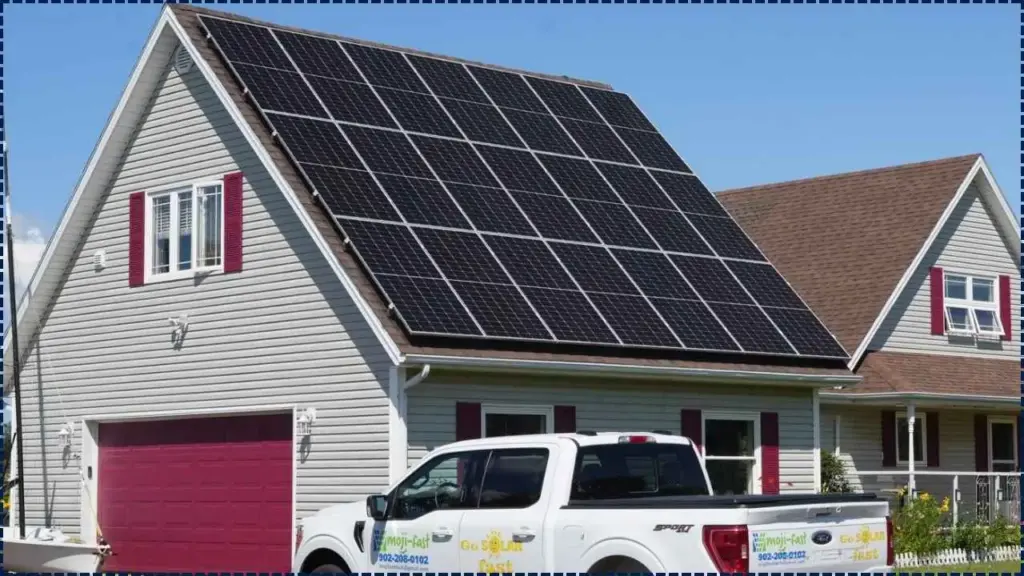
Despite periodic funding pauses, Prince Edward Island remains one of the most financially attractive jurisdictions for residential solar adoption in Canada.
PEI’s Solar Electric Rebate
| Key Fact | Detail |
|---|---|
| Maximum Rebate | Up to $10,000 |
| Coverage Rate | Up to 40% of installation cost |
| Demand | Frequently oversubscribed |
| Market Impact | High per-capita solar adoption |
Why PEI’s Solar Electric Rebate Still Leads Canada in 2026
Prince Edward Island has established itself as Canada’s most aggressive solar incentive market through its Solar Electric Rebate Program, administered by efficiency PEI.
The program offers rebates covering up to 40% of system costs, with caps historically reaching $10,000. This level of support significantly lowers the financial barrier to entry for residential solar systems.
Energy analysts consistently rank PEI among the most attractive provinces for solar investment due to its high incentive-to-cost ratio.
Policy Background: Energy Independence as a Driving Force
Prince Edward Island’s approach to solar policy is shaped by its structural energy constraints. The province relies heavily on imported electricity, making it vulnerable to price volatility and supply disruptions. As a result, policymakers have prioritized local generation through renewable energy.
Strategic Objectives
- Reduce reliance on external power sources.
- Stabilize long-term electricity costs.
- Support climate targets through emissions reduction.
This policy framework explains the unusually high level of financial support compared to other provinces.
How the Rebate Program Works
Incentive Structure
- Up to 40% of installation costs.
- Approximately $1,000 per kW installed (historical benchmark).
- Maximum residential rebate up to $10,000.
Eligibility Requirements
- Pre-approval before installation.
- Certified installers.
- Post-installation verification.
This structured approach ensures both quality control and accountability in public spending.
Payback Period Analysis: Why the Numbers Matter
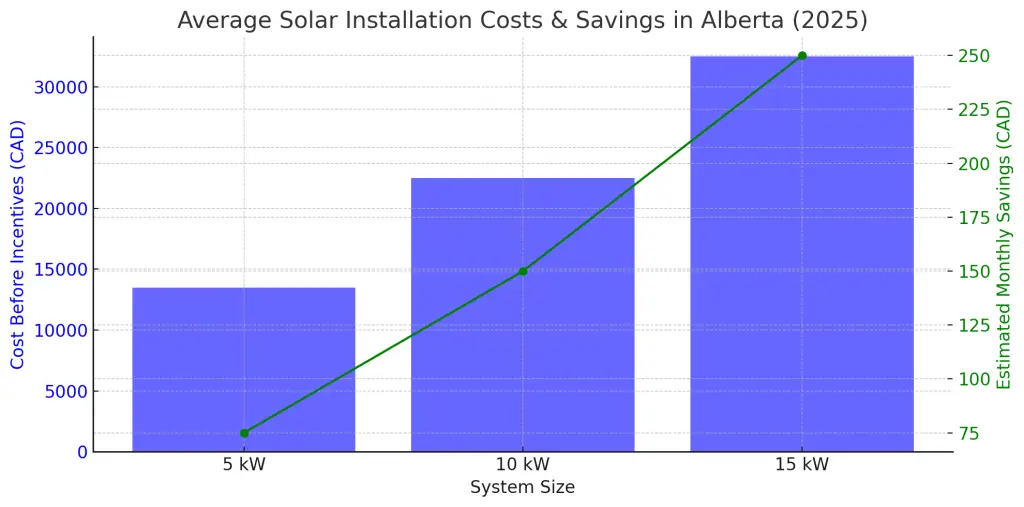
One of the key reasons PEI’s program stands out is its impact on solar payback periods.
Typical Scenario
- System cost: $20,000
- Rebate: $8,000 (40%)
- Net cost: $12,000
- Annual savings: ~$1,500
Estimated payback period: 7–9 years
Without the rebate, payback periods could exceed 12–15 years. This reduction significantly improves the investment case for homeowners.
Net Metering and Grid Integration
PEI’s solar success is closely tied to its net metering policy.
How Net Metering Works
- Excess electricity is exported to the grid.
- Homeowners receive credits on their electricity bills.
- Credits offset future consumption.
This system ensures that solar users maximize the value of their energy production, further enhancing financial returns.
Rural vs Urban Adoption Patterns
Adoption rates vary across the province.
Rural Areas
- Higher solar adoption due to larger roof space.
- Greater interest in energy independence.
Urban Areas
- Limited by roof size and shading.
- Still growing due to financial incentives.
Policy experts note that rural uptake has been particularly strong, contributing to PEI’s high per-capita solar installation rates.
Environmental Impact: Measuring the Benefits
The Solar Electric Rebate Program also delivers measurable environmental outcomes.
Estimated Impact per Household
- CO₂ reduction: 3–5 tonnes annually.
- Reduced fossil fuel dependency.
- Increased renewable share in the energy mix.
At scale, these reductions contribute significantly to provincial climate targets.
Installer Market and Economic Effects
The rebate program has reshaped the local energy market.
Key Impacts
- Growth in solar installation companies.
- Increased demand for skilled labor.
- Expansion of local supply chains.
Installers report sustained demand, with some facing backlogs due to program popularity. An industry contractor noted that “the rebate has created a stable pipeline of projects, allowing companies to invest in workforce and training.”
Case Study: A Household Transition
A typical PEI homeowner installing a 6 kW system might:
- Receive a rebate of approximately $6,000–$8,000.
- Reduce electricity bills by over 50%.
- Achieve long-term savings exceeding $20,000.
Such outcomes demonstrate the program’s real-world financial impact.
Federal Incentives and Policy Alignment
The PEI rebate operates alongside federal programs such as:
- Canada Greener Homes initiatives.
- Tax incentives for clean energy adoption.
This layered approach amplifies financial benefits and accelerates adoption.
Demand Pressure and Program Pauses
High demand remains one of the program’s defining characteristics. Funding allocations are often fully committed within a fiscal year, leading to temporary pauses in new applications.
While these pauses create uncertainty, they also highlight strong consumer interest and program effectiveness.
Challenges and Risks
Funding Sustainability
Maintaining high rebate levels requires ongoing public investment.
Market Volatility
Policy changes may affect installer pipelines and consumer confidence.
Access Inequality
Upfront costs, even after rebates, may still limit access for lower-income households.
Industry and Expert Analysis
Energy economists emphasize that PEI’s model demonstrates the effectiveness of strong upfront incentives. However, they caution that long-term success will depend on:
- Predictable funding cycles.
- Continued policy support.
- Integration with emerging technologies such as battery storage.
Future Outlook: What Comes Next
Looking ahead, PEI’s solar policy is expected to evolve.
Likely Developments
- Adjustments to rebate levels
- Expansion of battery storage incentives
- Greater grid modernization
Analysts suggest that PEI may serve as a model for other provinces seeking to accelerate renewable adoption.
Related Links
WA Residential Battery Scheme: How Synergy and Horizon Customers Can Save Up to $7,500
Real Estate Value: Does Installing Solar with Government Loans Increase Your Home’s Resale Price?
Prince Edward Island’s Solar Electric Rebate Program remains a defining example of how targeted incentives can accelerate renewable adoption. As policymakers balance demand with funding constraints, the program’s continued evolution will shape Canada’s broader clean energy transition.
FAQs
Is the rebate still available in 2026?
Yes, though applications may pause when funding is fully allocated.
How much can homeowners receive?
Up to 40% of installation costs, with caps near $10,000.
What is the payback period?
Typically 7–9 years with the rebate.
Can solar eliminate electricity bills?
It can significantly reduce them, especially with net metering.