
Sodium‑ion batteries are making waves in the world of energy storage, challenging the dominance of lithium‑ion technology. With the growing demand for sustainable energy storage solutions, sodium‑ion batteries offer a potentially safer, cheaper, and more sustainable alternative.
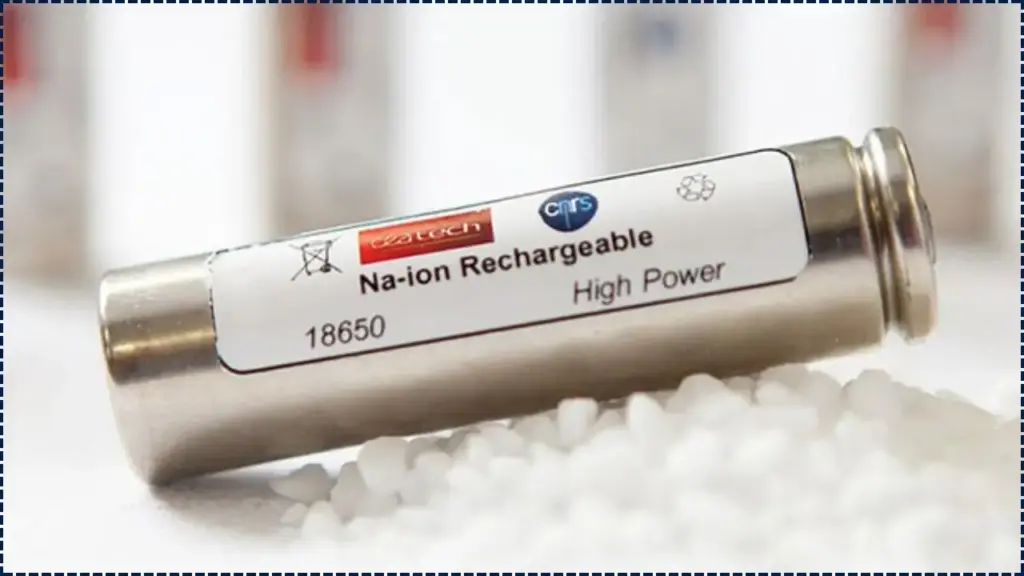
Experts suggest that by 2030, sodium‑ion batteries could become a significant force in the home energy storage market. But while the technology holds promise, scaling up production and overcoming performance gaps remain significant challenges.
The “Salt” Revolution
| Key Issue | Sodium‑Ion Advantage |
|---|---|
| Material Abundance | Sodium is abundant and inexpensive compared to lithium |
| Safety Profile | Less prone to thermal runaway than lithium batteries |
| Cost | Lower raw material costs for sodium compared to lithium |
| Efficiency | Sodium-ion batteries are less efficient than lithium-ion, but improve with new technologies |
What Are Sodium-Ion Batteries?
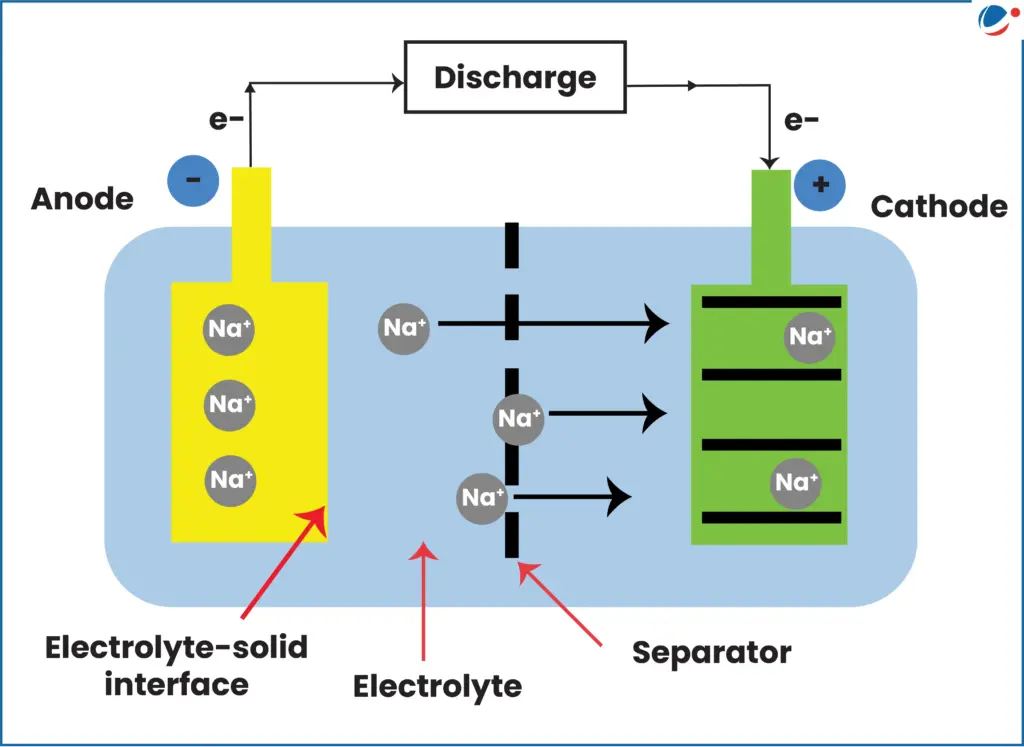
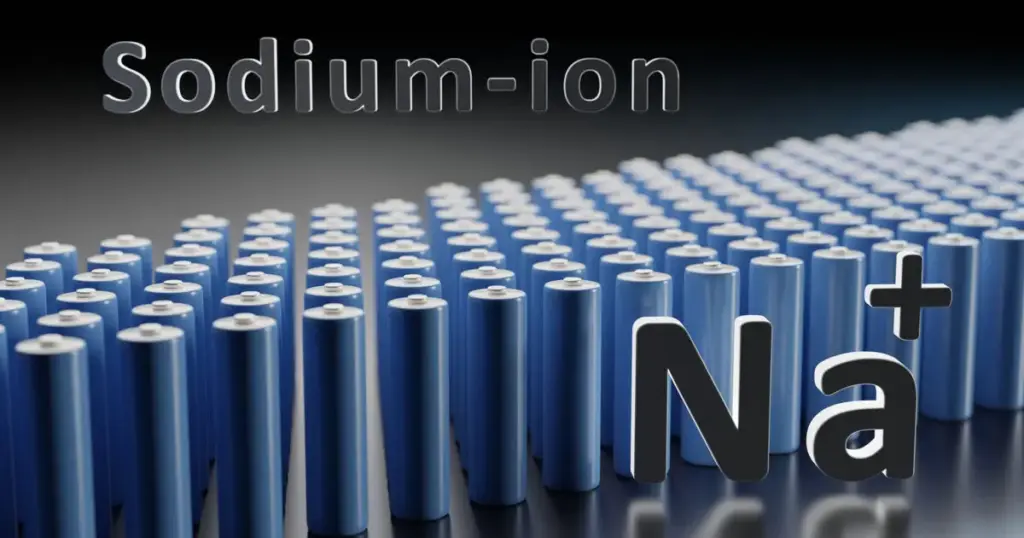
Sodium‑ion batteries work on the same principle as lithium-ion batteries: they store and release energy through the movement of ions between the anode and cathode. However, the key difference is that sodium, rather than lithium, is used as the charge carrier.
Sodium is a much more abundant material, found in seawater and salt deposits, making it a far more cost-effective and sustainable option than lithium.
As demand for renewable energy storage grows, sodium‑ion batteries are emerging as a key alternative to lithium‑ion batteries, offering affordable, efficient, and safer energy storage solutions for homes, businesses, and even grid-scale storage.
How Sodium-Ion Compares to Lithium-Ion
1. Cost and Material Supply
Sodium’s most attractive feature is its abundance and low cost. While lithium is primarily found in concentrated deposits in regions like Chile and Australia, sodium is widely available in seawater, salt flats, and common minerals. This makes sodium‑ion batteries potentially less expensive to produce and more geopolitically stable compared to lithium.
Sodium is not only more abundant but also less expensive, offering a huge advantage in reducing raw material costs. Unlike lithium, whose prices are prone to fluctuation due to market conditions, sodium remains cheaper and is less subject to geopolitical risks.
For home energy storage systems, the long-term cost savings of sodium‑ion batteries could make them an attractive option for homeowners looking to cut their energy bills.
2. Safety and Environmental Benefits
Sodium‑ion batteries have an edge in safety over lithium‑ion batteries, especially in stationary storage applications like home energy systems. Lithium‑ion batteries are susceptible to thermal runaway, which can cause fires or explosions if the battery is damaged or improperly handled. This is a serious concern for energy storage systems in homes, where safety is paramount.
Sodium‑ion batteries, by contrast, are generally safer because sodium is less reactive and less prone to thermal instability. This could make sodium‑ion batteries a safer choice for residential energy storage, where fire risk is a primary concern.
Additionally, sodium‑ion batteries may offer a lower environmental impact because sodium is more abundant and less environmentally destructive to mine than lithium. The potential for recycling sodium‑ion batteries is also greater, which could reduce waste and enhance sustainability in the long term.
3. Energy Density and Efficiency
While sodium‑ion batteries have notable advantages in cost and safety, their energy density is lower than that of lithium‑ion batteries. This means sodium‑ion batteries can store less energy in the same amount of space, which limits their suitability for applications where high power output and compact size are critical, such as electric vehicles (EVs).
However, this is less of an issue for home energy storage systems, where space and energy requirements are generally less demanding. Sodium‑ion batteries perform effectively in stationary storage, where the ability to store large amounts of energy at a lower cost outweighs concerns about size and density.
Researchers are also working on improving the energy density of sodium‑ion batteries, so their performance gap relative to lithium‑ion technology could narrow over time.
The Geopolitical Impact of Sodium-Ion Batteries
One of the major advantages of sodium‑ion batteries is their geopolitical implications. Lithium is predominantly found in South America, Australia, and China, creating supply chain risks. These geopolitical factors have led to concerns about supply chain disruptions and price fluctuations due to market instability.
In contrast, sodium is readily available worldwide, particularly in seawater and salt deposits, reducing global reliance on a few countries. The widespread availability of sodium could stabilize supply chains, mitigate risks, and reduce reliance on conflict-prone regions.
As a result, countries like India, China, and the U.S. are exploring sodium‑ion technology as a more sustainable and secure energy storage solution.
The Growing Sodium-Ion Battery Market
1. Energy Transition and Grid Storage
Sodium‑ion batteries hold enormous potential for grid-scale energy storage, which is a growing necessity as more countries adopt renewable energy sources like wind and solar. These renewable sources generate intermittent power, making it necessary to store electricity when it is abundant and release it when demand is high.
Sodium‑ion batteries are especially well suited for stationary storage applications such as grid balancing and large-scale energy storage, where their cost-effective nature and safety profile make them ideal for use in critical infrastructure.

2. Consumer Adoption and Education
The education of consumers is crucial for the widespread adoption of sodium‑ion batteries. Homeowners and businesses are increasingly seeking more sustainable and affordable ways to store solar energy and reduce their reliance on the grid. However, while sodium‑ion batteries offer clear advantages, many consumers are still unfamiliar with the technology.
Companies in the energy storage sector are working to educate the public on the long-term benefits of sodium‑ion batteries, including their cost-effectiveness, safety, and environmental impact. As consumer awareness grows, the market for sodium‑ion home storage solutions could expand dramatically.
Related Links
Beyond Electricity: This New ‘Solar Battery’ Converts Sunlight into Hydrogen on Demand
Solving Scalability: New ‘Crystal-Seed’ Method Paves Way for Perovskite Commercialization
Will Sodium-Ion Replace Lithium-Ion?
Sodium‑ion batteries are likely to play an increasingly important role in home energy storage systems, particularly as costs continue to fall, and technology advances improve their efficiency.
While sodium‑ion batteries will probably not replace lithium‑ion batteries entirely by 2030, they are poised to compete in stationary storage applications, particularly for grid storage and residential energy solutions.
Government subsidies, growing consumer demand for renewable energy, and advances in battery manufacturing processes could accelerate the adoption of sodium‑ion technology in the coming decade, potentially reducing lithium‑ion’s market share in stationary energy storage.