
The next wave of innovation in solar energy is AI-powered inverters, capable of predicting cloud cover and optimizing power output in real time. By using artificial intelligence (AI) to forecast solar irradiance changes caused by passing clouds, these inverters increase solar power efficiency by up to 15%, offering a groundbreaking leap in energy production.
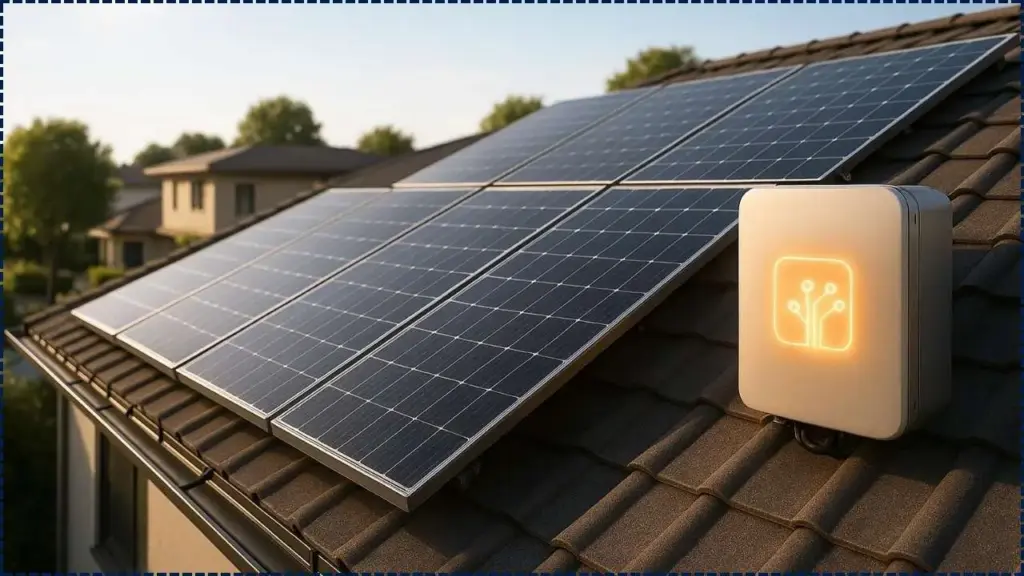
The shift towards smarter, more adaptive inverters is set to change the way solar energy is harnessed, stored, and distributed globally.
The Solar Brain
| Key Feature | Impact/Statistic |
|---|---|
| Cloud Forecasting | AI inverters predict cloud cover in real time, boosting power efficiency by 15% |
| Smart Inverter Technology | Machine learning algorithms continuously adjust energy output |
| Market Growth | AI-powered inverters are expected to capture 10% of the inverter market by 2025 |
| Energy Savings | Up to 15% more power capture, reducing reliance on external grids |
AI and Solar Power: A New Frontier
In recent years, artificial intelligence (AI) has begun revolutionizing various industries, and solar power is no exception. The introduction of AI-powered inverters that can predict cloud cover and adjust power output accordingly is changing how solar systems generate and store electricity.
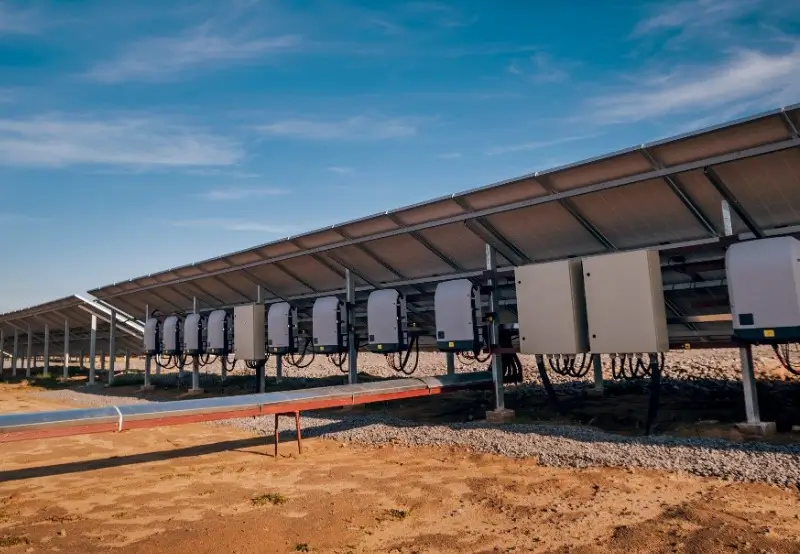
Unlike conventional inverters that simply convert direct current (DC) into alternating current (AC), AI‑enabled inverters are equipped with machine learning (ML) models that process weather data, such as cloud movement and solar irradiance, to optimize energy capture.
These inverters adjust in real time, ensuring maximum efficiency even as weather conditions shift. AI’s ability to predict cloud cover allows the inverter to adjust power output just before the cloud obscures the sun, ensuring that excess energy isn’t lost due to an underestimation of solar conditions.
This real-time adjustment leads to a 15% increase in solar energy capture, a breakthrough for solar systems that are often constrained by variable weather patterns.
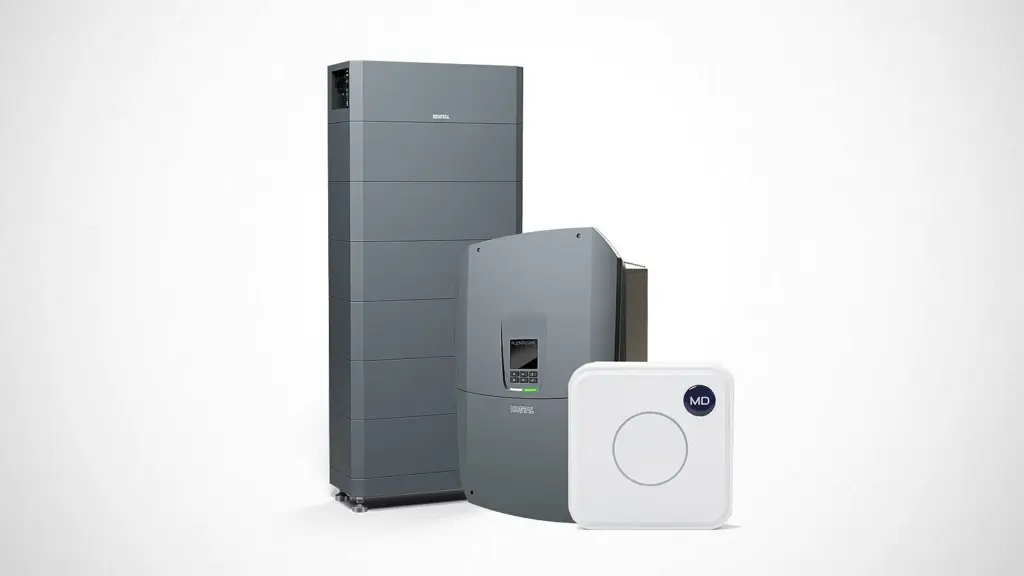
The Mechanics Behind AI-Powered Solar Inverters
AI-powered inverters rely on advanced algorithms that interpret meteorological data and predict cloud cover with high accuracy. Here’s how they work:
Cloud Forecasting and Solar Prediction
- Machine Learning Models: These inverters use machine learning to train on large datasets of past weather patterns, solar irradiance levels, and environmental conditions to predict changes in cloud cover.
- Real-Time Data Processing: Inverters continuously gather weather data from satellites and local meteorological stations, adjusting energy output in real time based on cloud movement.
- Irradiance Adjustment: When AI systems detect a cloud moving toward the solar array, the inverter adjusts the system’s output by lowering its load in anticipation of reduced sunlight, and conversely boosts output when clear skies return.
This proactive response ensures that the system continuously captures as much energy as possible, avoiding overproduction when the sun is fully out and preventing underproduction when a cloud temporarily blocks sunlight.
The Role of Edge Computing
One of the key innovations behind these AI-powered inverters is the use of edge computing. Rather than relying entirely on cloud-based processing, which can introduce delays, the AI models are embedded directly within the inverter hardware.
This enables the system to make instant decisions about how to handle changes in sunlight, providing an advantage over older systems that rely solely on local data.
This real-time adjustment enables greater energy capture and helps inverters become more responsive to weather fluctuations. By optimizing energy storage, these systems can better balance the grid and reduce reliance on backup generation or grid imports.
Efficiency Gains: How AI is Increasing Power Capture
Historically, solar energy production has been hampered by weather conditions, particularly cloud cover. As clouds pass over solar arrays, the irradiance (sunlight intensity) can decrease sharply, causing a sudden drop in energy production. Traditional inverters cannot predict this drop, leading to wasted energy.
AI-powered inverters solve this problem by forecasting cloud movement and adjusting output in anticipation of changes. According to research from the Fraunhofer Institute for Solar Energy Systems (ISE), these adjustments have led to a 15% improvement in energy yield compared to conventional inverters.
भारत की 3 सबसे बड़ी सोलर कंपनियां: जानिए कौन सी कंपनी दे सकती है आपको लंबी अवधि में शानदार लाभ
In practical terms, this means that homeowners with AI-powered inverters can expect more consistent power production, even during periods of intermittent cloud cover. This added efficiency is particularly important in residential solar systems that rely on maximizing energy production during peak sunlight hours.
The Broader Impact: Grid Integration and Cost Savings
The ability to optimize solar production in real-time not only benefits individual solar users but also plays a crucial role in grid integration. The enhanced predictability of AI-powered systems means that solar energy can become a more stable and reliable source of electricity, which is essential for modern electrical grids.
Reducing Grid Dependence
- Autonomous Energy Management: AI inverters enable homeowners to optimize the use of their solar energy and reduce reliance on the grid. By accurately forecasting and storing excess energy, they can manage their consumption without overburdening the grid during peak times.
- Smart Grids: Accurate predictions help grid operators balance supply and demand, especially where renewables form a large part of the mix. In the event of cloud cover or other disruptions, AI inverters can seamlessly adjust to changes and help stabilize grid demand.
This capability of self-sufficiency can lead to substantial savings for consumers by minimizing their reliance on grid electricity and enhancing the economic viability of residential solar systems.
The integration of AI into solar inverters could help homeowners generate more of their own electricity, thus reducing electricity bills and contributing to overall energy independence.
Market Outlook: Growing Adoption of AI‑Powered Inverters
The demand for smart inverters is rising, particularly as more homeowners and businesses adopt solar power systems. AI-powered inverters are expected to grow significantly in market share by 2025, with experts projecting a 10% market share within the next few years.
In residential sectors, where homeowners are seeking ways to maximize the return on their solar investments, the potential for AI-powered systems is immense. Companies like SolarEdge, Enphase, and SMA Solar Technology are already integrating advanced algorithms and cloud-based tools into their inverters, enhancing the energy generation and storage capabilities of residential systems.
Additionally, utilities and commercial enterprises are exploring AI-powered inverters for large-scale energy storage systems and grid management, further accelerating the growth of this technology in the coming years.
Challenges and Considerations
While the benefits of AI-powered inverters are clear, several challenges remain:

Data Reliability and Privacy
AI models rely on large datasets, often sourced from satellite imagery and local weather stations. The quality of these datasets can vary, which may affect the accuracy of predictions. Furthermore, data privacy concerns may arise if sensitive meteorological information is shared or mishandled.
High Initial Costs
AI-powered inverters generally come at a higher upfront cost compared to traditional inverters. However, the long-term savings in energy production, combined with federal and state incentives for renewable energy, make these systems more attractive as they mature. (cleantechnica.com)
Energy Access in Remote Areas
For regions with less access to sophisticated weather data or internet connectivity, implementing AI-powered inverters may present technical challenges. However, as 5G networks and satellite technology improve, such barriers may diminish over time.
Related Links
Solving Scalability: New ‘Crystal-Seed’ Method Paves Way for Perovskite Commercialization
A Smarter Solar Future
AI-powered inverters represent the future of solar energy management. By leveraging real-time cloud cover predictions and adjusting output accordingly, these inverters are helping homeowners and businesses generate more reliable, cost-effective, and cleaner energy.
While challenges remain in cost and data management, the widespread adoption of AI-driven systems is likely to be a critical component in global efforts toward renewable energy dominance by 2030.
As solar power becomes a primary source of electricity in many regions, technologies like AI inverters will continue to optimize energy capture, improve grid stability, and reduce reliance on non-renewable sources.
This AI-driven revolution in solar energy is poised to save consumers money, enhance energy security, and make renewable power more reliable and accessible.