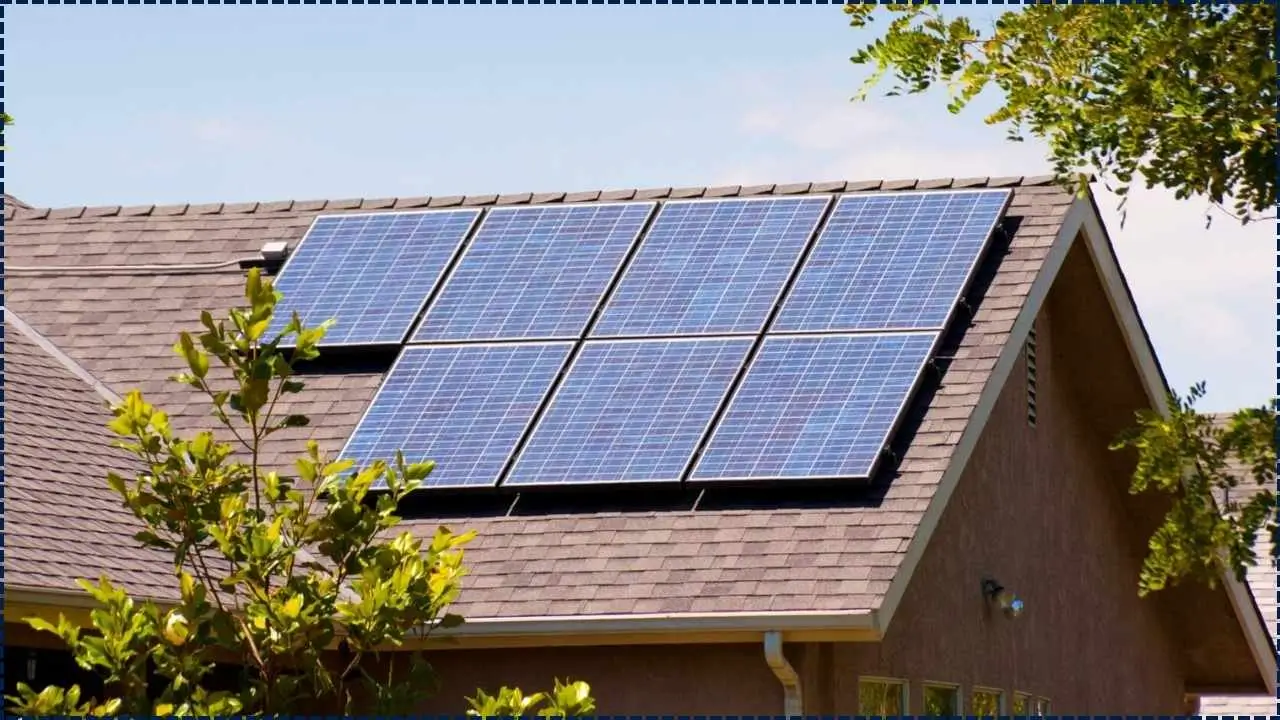

As solar subscriptions and leasing models become increasingly popular, many young homeowners, especially Gen-Z, are choosing to lease solar panels instead of buying them outright.
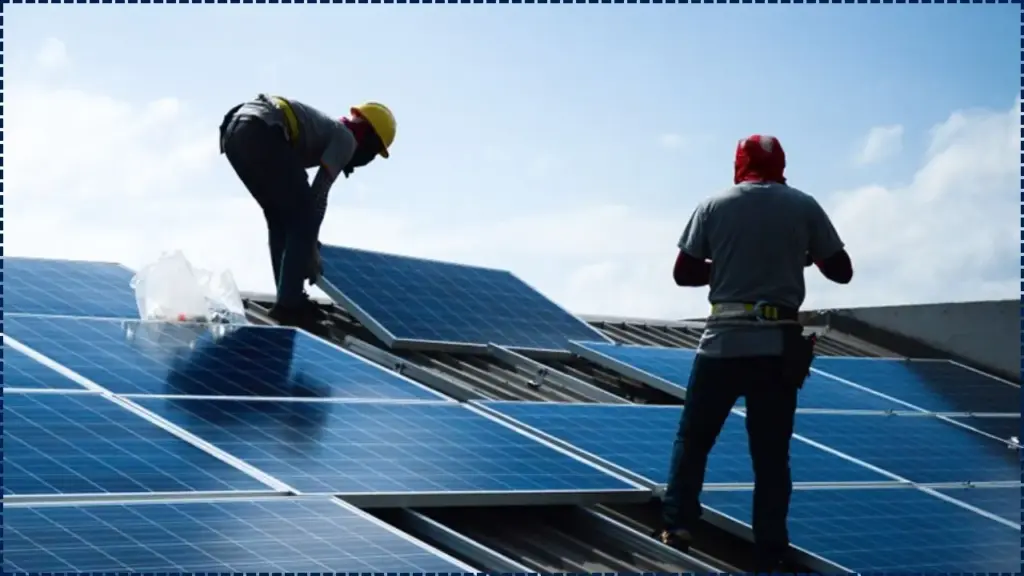
This model enables access to renewable energy with no upfront costs, offering financial flexibility and predictable energy bills. But why are young buyers flocking to this option?
The Solar “Subscription”
| Key Fact | Detail / Statistic |
|---|---|
| No Upfront Cost | Solar leases and PPAs require little or no initial payment |
| Predictable Monthly Payments | Subscription models offer fixed monthly payments |
| Market Growth | Solar leasing market growing by 40% annually |
| Environmental Impact | Solar panels reduce carbon footprints and save on electricity costs |
Solar Panel Subscription Models: A New Way to Access Clean Energy
As energy prices rise and environmental concerns intensify, many Gen-Z homeowners are seeking alternatives to traditional energy sources. One emerging solution is the solar subscription model, which allows homeowners to lease solar panels instead of purchasing them outright.
These third-party ownership (TPO) models—such as solar leases and Power Purchase Agreements (PPAs)—allow homeowners to pay a fixed monthly fee in exchange for solar-generated electricity. By leasing, consumers don’t have to deal with the high upfront costs and maintenance issues associated with owning a solar system.
The financial model of solar subscriptions allows customers to enjoy renewable energy immediately without the financial burden of buying a system. This option is especially attractive to young buyers who might be struggling with student debt or the high costs of homeownership.
Why Gen-Z Chooses Solar Leasing: Benefits Beyond Upfront Costs
1. Low Initial Investment
The cost of installing solar panels is one of the biggest barriers to entry for many homeowners. The total cost of buying and installing a system can range from $10,000 to $30,000 depending on the home and location. These upfront costs are prohibitive for many, especially young people just starting their financial lives.
With solar leasing, homeowners can avoid this initial financial burden. The subscription model allows them to access solar power immediately with little or no upfront investment, paying instead through affordable, predictable monthly payments.
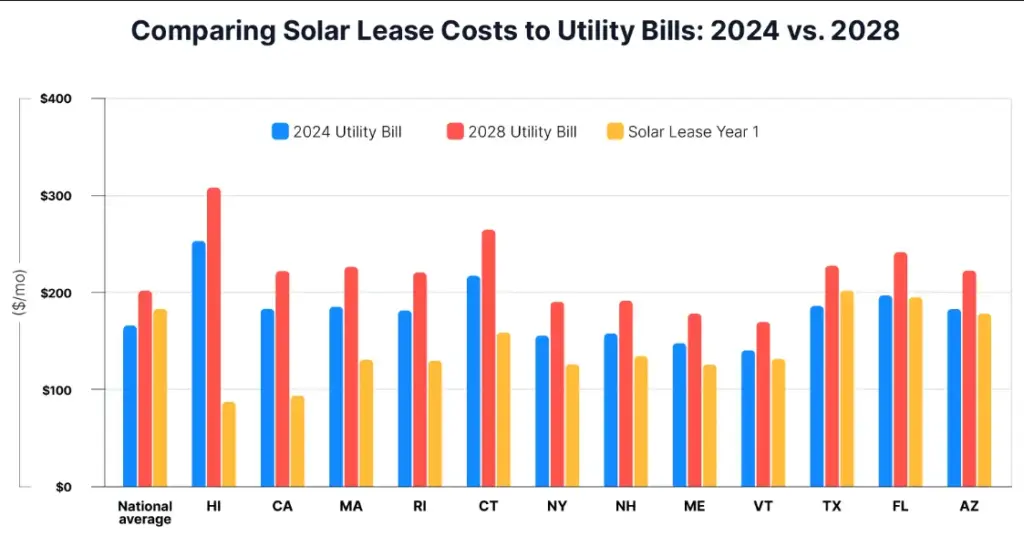
According to EnergySage, monthly leasing costs for solar energy can be as low as $50 to $150, with many plans structured similarly to a utility bill. This makes solar energy far more accessible to Gen-Z homeowners, who are looking for affordable, clean energy options.
2. Maintenance and Repairs Handled by Providers
Another key benefit of solar subscriptions is that the solar providers are responsible for system maintenance, repairs, and performance monitoring. This means that consumers don’t have to worry about the long-term upkeep of their systems, which can be expensive and time-consuming when they own solar panels outright.
In addition, many providers guarantee that their systems will generate a certain amount of energy. If the system doesn’t meet its expected energy production, the provider may offer compensation or adjustments to the terms of the contract.
3. Predictable Energy Costs
In contrast to the fluctuating costs of conventional utility bills, solar subscription models offer predictable monthly payments that can help consumers manage their budgets. With the continued rise of utility prices, this predictability makes solar leasing an appealing option for Gen-Z homeowners who seek financial stability while reducing their reliance on fossil fuels.
The idea of energy independence is appealing to many younger homeowners, and solar subscription programs allow them to lock in a fixed rate for electricity. In some cases, these rates can be lower than traditional energy bills, making solar energy even more affordable.

How Solar Subscriptions Work: Breaking Down the Terms
There are two main types of solar subscription models: the solar lease and the Power Purchase Agreement (PPA).
- Solar Lease: In this model, a homeowner leases the solar panels from a provider. They pay a monthly fee for the energy produced by the system but don’t own the panels themselves.
- Power Purchase Agreement (PPA): Here, the homeowner agrees to purchase the electricity generated by the solar system at a predetermined rate, usually lower than the utility rate. Unlike the lease, the homeowner pays only for the electricity used rather than a flat monthly rate.
In both cases, the provider installs, maintains, and owns the solar system, which can last for 20 to 25 years. Consumers benefit from clean, affordable energy while avoiding the large upfront investment and technical responsibility of owning the system.
Solar Leasing vs. Buying: What Are the Trade-Offs?
While the subscription model offers many benefits, buying solar panels outright still has its advantages, especially for those who plan to stay in their homes long-term.
Ownership Benefits:
- Tax Credits and Incentives: Homeowners who purchase solar panels can claim federal tax incentives, including the Investment Tax Credit (ITC), which can cover up to 26% of the total installation cost.
- Long-Term Savings: Over the lifespan of the panels, owning can result in significant long-term savings, as homeowners avoid the ongoing costs of leasing.
- Equity Building: Solar panels can increase the home’s value, as prospective buyers may view a solar-powered home as a valuable asset.
However, the upfront cost remains a significant barrier for many. For Gen-Z buyers, the appeal of no upfront cost, fixed rates, and maintenance-free installations makes leasing an attractive alternative.
The Growth of Solar Leasing and Subscription Models
The solar subscription market is growing rapidly, driven by the increasing demand for renewable energy and the need for affordable energy solutions. According to Solar Power World, the solar leasing market is expanding at a rate of 40% annually, as more people seek accessible, low-cost solutions for going solar.
The ease of financial entry and the rising trend of environmental responsibility make these programs appealing, especially to the younger, tech-savvy generation.
Expanding to Rural and Urban Areas
While solar leasing was initially more common in urban areas, it’s now expanding into rural regions, where solar access has been more limited.
The ability to set up community solar programs also allows renters and homeowners in rural areas to take advantage of solar energy, making it a win for both consumers and the environment.
The Future of Solar Leasing: Will It Be Mainstream?
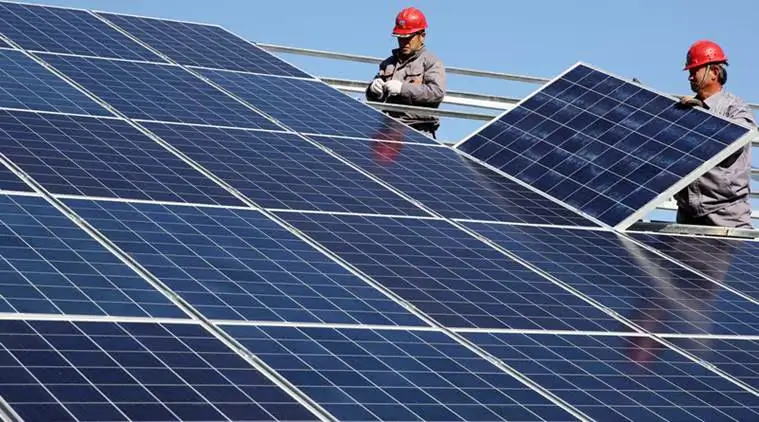
As the cost of solar technology continues to decrease and financing models become more accessible, the adoption of solar subscriptions is expected to rise.
With increasing pressure from both policy changes and climate change concerns, it’s likely that solar leasing will continue to grow, especially among younger generations who prioritize environmental responsibility.
Related Links
The 10-Year Trap: Why Cheap “Tier-1” Solar Panels are Failing Homeowners in High-Heat Zones
The “Salt” Revolution: Why Sodium-Ion Batteries are Killing the Lithium Monopoly in Home Storage
Solar subscriptions offer a flexible, affordable, and maintenance-free way for Gen-Z homeowners to adopt renewable energy, without the financial burden of traditional solar ownership.
As the industry continues to expand, leasing may become the most viable option for a new generation of homebuyers seeking clean, sustainable, and predictable energy solutions.
FAQs
What is a solar subscription?
A solar subscription allows homeowners to lease solar panels from a third-party provider and pay a fixed monthly fee for the energy generated by the system. This model eliminates the high upfront costs of purchasing solar panels.
Why are Gen-Z homeowners leasing solar panels?
Gen-Z homeowners often face financial constraints such as student loans and rising housing costs. Solar subscriptions offer a low-cost, maintenance-free solution with predictable monthly payments, making renewable energy more accessible.
What are the benefits of solar leasing?
Solar leasing provides immediate access to solar energy with no upfront cost, while offering the benefits of clean energy, lower electricity bills, and environmental sustainability without the hassle of maintenance or system ownership.