In 2026, the energy sector reached a historic milestone. Solar energy — once a niche player — has officially overtaken fossil fuels to become the world’s number one power source. This shift is the result of years of exponential growth in solar technology, vast cost reductions, and increasing policy support.

For the first time, solar energy is leading the global transition to renewable energy, displacing fossil fuels like coal and natural gas.
The transition to solar is not just a green revolution but a fundamental change in how the world produces and consumes energy. This article explores why 2026 is seen as the turning point in solar power’s rise, what factors have driven this transformation, and what the global implications are for the future of energy.
Key Factors Behind Solar’s Surge
1. Exponential Growth in Solar Installations
Over the past decade, the installation of solar energy systems has expanded at an unprecedented rate. By the end of 2025, global solar capacity surpassed 1.5 terawatts (TW), a tenfold increase from just a decade ago. More than 350 GW of new solar capacity was installed globally in 2025 alone, marking a record year for the industry.
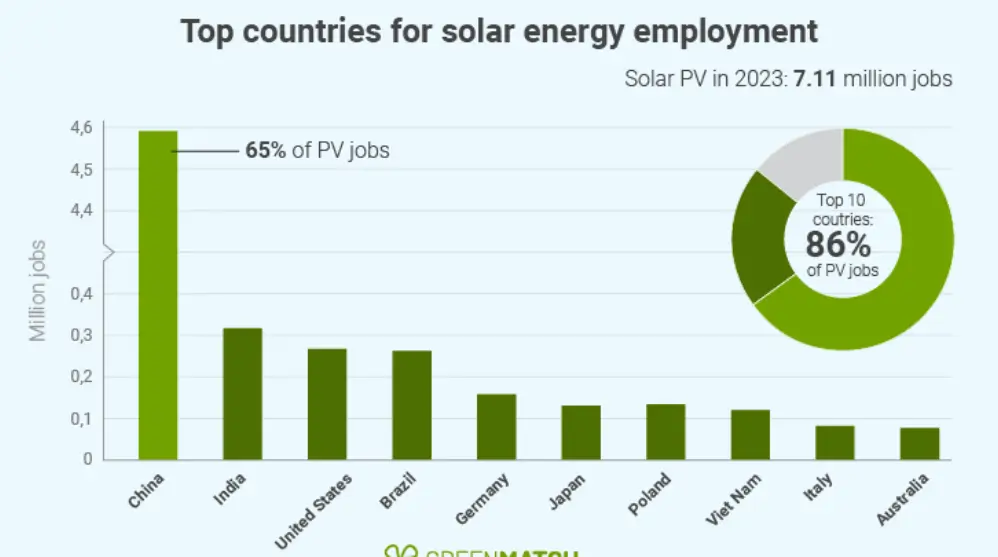
Solar power is now the fastest-growing source of electricity worldwide, outpacing other renewables and fossil fuels. The rapid growth of solar is particularly evident in emerging markets like China, India, and Brazil, where large-scale solar farms are being installed to meet rising electricity demand.
2. Dramatic Decline in Solar Costs
The sharp decline in solar energy costs has been a major driver of solar power’s dominance. Over the past two decades, the cost of producing solar energy has dropped by over 90%, making it one of the most affordable sources of electricity globally.
According to the International Renewable Energy Agency (IRENA), the levelized cost of electricity (LCOE) for solar energy in some regions is now as low as $20 per megawatt-hour (MWh), making solar cheaper than coal, natural gas, or even nuclear power in some cases.
This drastic price reduction has made solar installations financially viable for both homeowners and businesses, leading to widespread adoption across various sectors. The cost decline is primarily due to advancements in photovoltaic (PV) technology, mass manufacturing, and economies of scale.
3. Policy and Global Support for Solar
Governments worldwide have been crucial in promoting solar energy. Policies such as tax credits, subsidies, feed-in tariffs, and green energy mandates have created a favorable environment for solar expansion.
For example, the U.S. Investment Tax Credit (ITC) has been a key policy tool driving residential and commercial solar growth.
In addition, international climate agreements, such as the Paris Agreement, have prompted countries to set ambitious renewable energy targets.
These agreements have reinforced the global commitment to reducing greenhouse gas emissions and combating climate change, with solar energy being one of the primary tools to achieve these goals.
Global Milestones: Solar Surpassing Fossil Fuels
In 2026, solar energy has officially overtaken fossil fuels as the world’s largest source of electricity generation. According to the International Energy Agency (IEA), global solar power generation is now greater than that of coal and natural gas combined. This marks the first time in history that solar has surpassed fossil fuels in global power generation.
In Europe, solar power achieved a milestone in 2025, surpassing coal for the first time in electricity generation. Similarly, in Asia, solar capacity is outpacing that of coal and natural gas as more countries turn to clean energy solutions.
This shift reflects a broader structural change in the global energy landscape. The transition to solar is happening at an accelerating pace due to a combination of economic, technological, and political factors.
Solar is becoming the default choice for new power generation capacity, as countries seek to reduce their reliance on fossil fuels and mitigate climate risks.
Regional Leaders in Solar Power
China: The Global Solar Power Leader
China has been at the forefront of the solar revolution, both in terms of production and installation. The country is home to the world’s largest solar market, with more than 1,000 GW of installed solar capacity. China not only leads in solar panel manufacturing but is also rapidly expanding its domestic solar infrastructure.
The Chinese government’s strong policy support, including subsidies and incentives, has played a critical role in solar’s growth. China’s role in driving the global solar supply chain is unparalleled, and its influence on global solar trends remains immense.
India: Solar Expansion in the Global South
India is another key player in the global solar boom. With one of the world’s fastest-growing economies, India is actively pursuing large-scale solar projects to meet its growing electricity needs. By 2026, India is expected to have over 100 GW of solar capacity, making it one of the top solar markets worldwide.
India’s efforts to transition to solar are supported by ambitious national policies, including the National Solar Mission and incentives for both solar power plants and rooftop solar installations.
The government’s goal is to generate 500 GW of renewable energy capacity by 2030, with solar playing a central role in that vision.
Solar Integration with Other Renewable Sources
One of the most promising aspects of solar’s dominance is its integration with other renewable sources. Solar is working in tandem with wind, hydropower, and geothermal energy to create a clean, diversified energy grid.
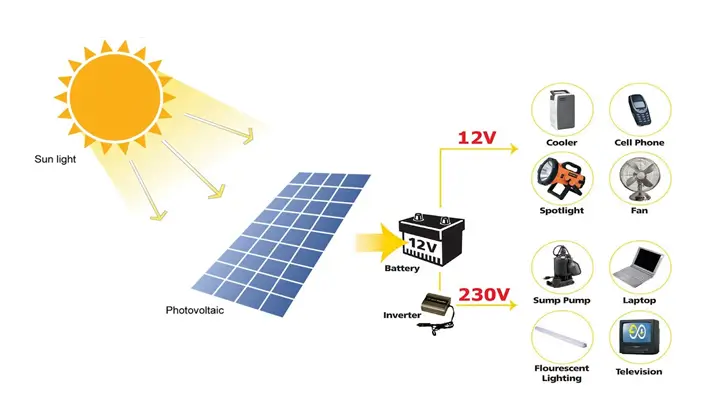
This integration is essential to overcoming the intermittency of solar, where power generation is dependent on sunlight availability. The global trend towards solar-plus-storage solutions, such as battery storage systems, is helping to stabilize solar power generation, making it available even
when the sun isn’t shining. Innovations in smart grids and energy storage technologies are further enhancing solar’s ability to provide reliable and continuous power.
Economic and Job Creation Benefits
The solar industry is not only transforming the global energy market but also driving job creation and economic growth. According to IRENA, the solar sector employs millions of people worldwide, from manufacturing to installation and maintenance.
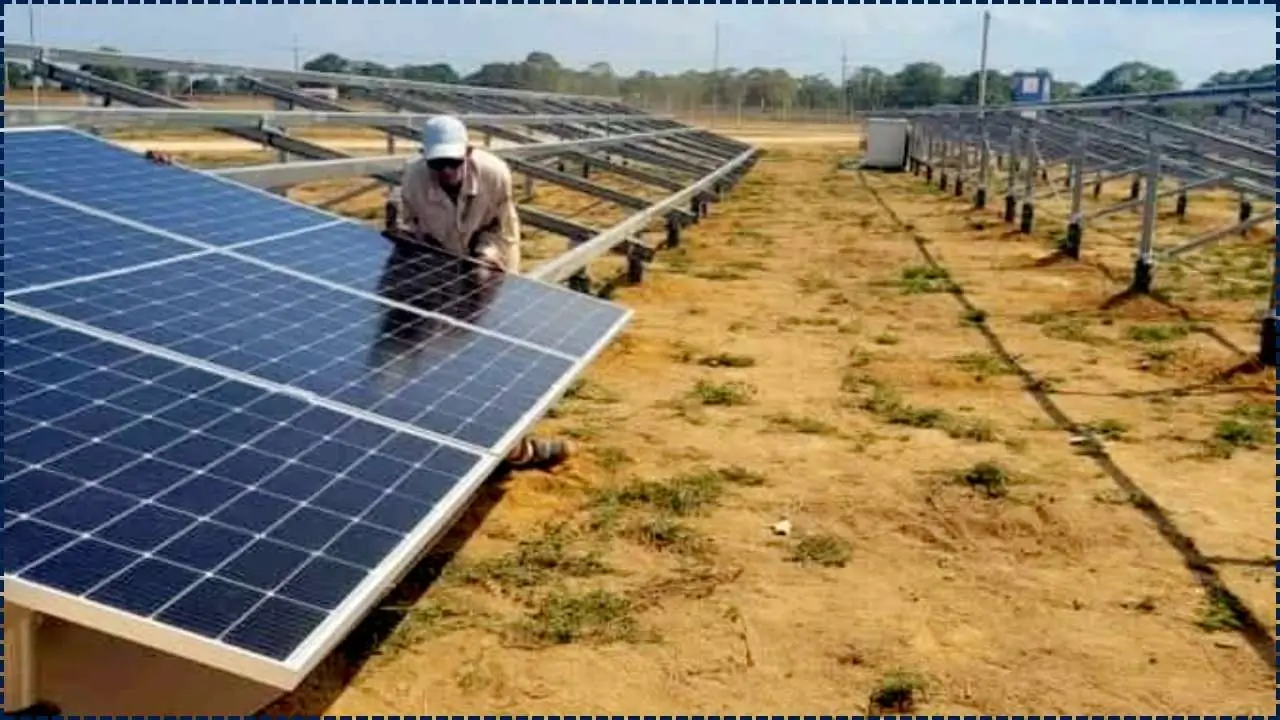
As solar capacity expands, it is creating high-skilled jobs and fostering local industries, particularly in regions that have embraced the transition to renewable energy.
In the United States, for example, the solar industry has become one of the fastest-growing job sectors, with over 200,000 solar-related jobs in 2025. Similarly, Europe and Africa are seeing an uptick in employment opportunities tied to solar energy.
The Future of Solar: Challenges and Opportunities
While solar’s rise is undeniable, challenges remain. The most significant hurdle is intermittency, as solar power generation is dependent on weather conditions and time of day. Solutions like solar-plus-storage systems and demand-side management technologies will be crucial to ensuring grid reliability.
Another challenge is the need for updated infrastructure. As solar becomes a dominant source of power, modernizing the electrical grid to accommodate variable and decentralized power generation will be critical. This includes investing in smart grid technologies and energy storage systems.
Despite these challenges, solar’s future is bright. With continued innovation, policy support, and investment, solar energy is poised to remain at the forefront of the global energy transition.
Related Links
The Solar Age is Here
In 2026, solar energy has cemented its position as the world’s leading power source. As we look ahead, solar’s growth shows no signs of slowing.
The transition to a cleaner, more sustainable energy future is well underway, and solar energy will continue to be a driving force in reducing carbon emissions, improving energy access, and powering the world’s homes, businesses, and industries.
As the global energy landscape evolves, solar energy will be at the heart of the clean energy revolution, providing a reliable, affordable, and sustainable power source for generations to come.
FAQs
Q: What is the tipping point for solar energy?
A: The tipping point for solar energy refers to the year when solar energy overtook fossil fuels as the dominant source of electricity generation. This milestone was achieved in 2026.
Q: How much cheaper is solar energy compared to fossil fuels?
A: Solar energy has become significantly cheaper than fossil fuels, with the levelized cost of electricity (LCOE) for solar dropping by over 90% in the last two decades.
Q: What are the main challenges for solar energy?
A: The main challenges for solar energy include intermittency, grid integration, and outdated infrastructure. However, technological advances in storage solutions and smart grids are helping to address these issues.