

India is revisiting tidal power in the Gulf of Kutch as part of its long-term renewable diversification strategy. The proposed project in Gujarat aims to establish the country’s first commercial-scale tidal energy station, tapping predictable ocean tides to generate electricity.
While still in the feasibility and policy alignment stage, the initiative reflects a broader push to expand India’s clean energy mix beyond solar and wind.
Tidal Power and India’s Renewable Expansion
Tidal power is emerging as a niche but strategic component in India’s renewable ambitions. Unlike solar and wind, tidal energy operates on predictable gravitational cycles. The Gulf of Kutch project seeks to evaluate whether this reliability can justify the higher capital investment required for marine energy infrastructure.
India’s total tidal energy potential is estimated at over 12,000 megawatts, with Gujarat accounting for more than 10,000 megawatts due to favourable tidal ranges.
The Gulf of Kutch and Gulf of Khambhat remain the most promising zones. Energy planners view tidal power as complementary rather than competitive to existing renewables.
Why the Gulf of Kutch Was Selected
The Gulf of Kutch experiences tidal ranges exceeding seven metres in certain sections. Higher tidal ranges allow greater water displacement, which increases turbine efficiency.
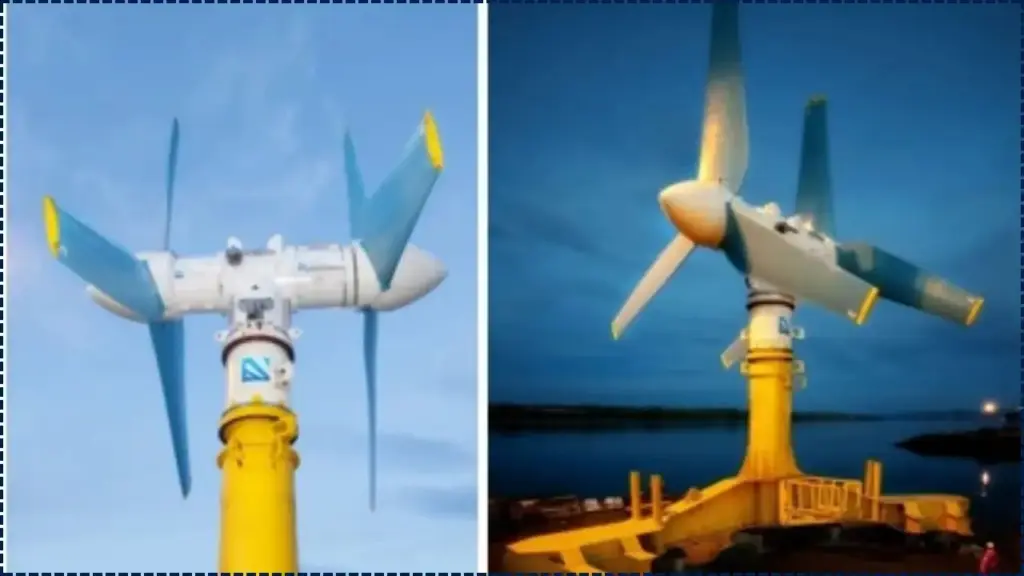
Additionally, the region’s narrow inlets accelerate tidal currents, making underwater turbine deployment more viable. Technical surveys have identified consistent tidal flow patterns suitable for pilot-scale energy extraction.
A History of Tidal Energy Attempts in India
India has explored tidal energy for over three decades. Earlier proposals included a 3.75 MW plant in the Sundarbans region of West Bengal and a 50 MW project in Gujarat. Both were eventually shelved due to cost escalation and limited investor interest.
Officials have stated that earlier technological limitations and lack of policy incentives made the projects economically unviable. However, falling renewable technology costs and improved turbine designs have renewed interest.
Energy experts argue that India’s renewed tidal focus reflects technological maturity rather than experimental enthusiasm.
Project Structure and Development Path
The proposed Gulf of Kutch installation is designed as a phased development:
- Phase 1: Pilot-scale turbine deployment
- Phase 2: Performance monitoring and environmental assessment
- Phase 3: Expansion to commercial-scale generation
Gujarat Power Corporation Limited (GPCL) has previously explored international technical collaborations for marine turbine systems.
However, officials have emphasised that final investment decisions depend on tariff structures and central policy backing.
Cost, Financing and Investment Models
Tidal power remains more expensive per megawatt than solar or wind energy in India. Installation requires marine engineering, corrosion-resistant materials, underwater foundations, and grid subsea connections.
Energy economists note that tidal projects could become viable under:
- Green infrastructure financing
- Sovereign climate funds
- Public-private partnerships
- Long-term power purchase agreements (PPAs)
Some analysts suggest that international climate finance mechanisms may support pilot marine energy projects due to their emissions-reduction potential.
Grid Integration and Reliability Benefits
Tidal power’s key advantage lies in predictability. Grid operators can forecast tidal cycles years in advance, reducing variability compared to wind or solar output.
This predictability may help stabilise renewable-heavy grids, especially as India expands battery storage and smart grid infrastructure. However, integration challenges remain. Subsea transmission lines must connect to onshore substations, increasing infrastructure complexity.
💠 𝗦𝗶𝗿 𝗖𝗿𝗲𝗲𝗸
— UPSC & PCS NOTES (@UPSC_EDU) October 4, 2025
📍𝑰𝒕 𝒊𝒔 𝒂 96-𝒌𝒊𝒍𝒐𝒎𝒆𝒕𝒓𝒆 𝒕𝒊𝒅𝒂𝒍 𝒘𝒂𝒕𝒆𝒓𝒘𝒂𝒚 𝒊𝒏 𝒕𝒉𝒆 𝒎𝒂𝒓𝒔𝒉𝒍𝒂𝒏𝒅𝒔 𝒐𝒇 𝒕𝒉𝒆 𝑹𝒂𝒏𝒏 𝒐𝒇 𝑲𝒖𝒕𝒄𝒉, 𝑮𝒖𝒋𝒂𝒓𝒂𝒕, 𝒇𝒐𝒓𝒎𝒊𝒏𝒈 𝒕𝒉𝒆 𝒃𝒐𝒖𝒏𝒅𝒂𝒓𝒚 𝒃𝒆𝒕𝒘𝒆𝒆𝒏 𝑰𝒏𝒅𝒊𝒂’𝒔 𝑲𝒖𝒕𝒄𝒉 𝒓𝒆𝒈𝒊𝒐𝒏 𝒂𝒏𝒅… pic.twitter.com/4gq645nwth

Environmental and Coastal Community Considerations
Marine ecosystems are sensitive environments. Environmental impact assessments are mandatory before large-scale installation. Potential risks include:
- Disturbance to fish migration patterns
- Changes in sediment flow
- Effects on coastal fisheries
Local fishing communities in Gujarat depend on the Gulf for livelihoods. Energy planners must ensure community consultation and compensation frameworks where necessary. Marine scientists emphasise turbine designs that minimise blade rotation speed and underwater noise.
Comparison with Offshore Wind
India is simultaneously exploring offshore wind projects along Gujarat and Tamil Nadu coasts. Offshore wind and tidal power both involve marine infrastructure, but they differ significantly:
| Factor | Offshore Wind | Tidal Power |
|---|---|---|
| Predictability | Moderate | High |
| Technology maturity | Advanced | Emerging |
| Capital cost | High | Very high |
| Global installed base | Large | Limited |
Experts suggest offshore wind may scale faster in India due to global experience and supply chains. Tidal power may remain a niche, location-specific solution.
Climate Commitments and Strategic Significance
India has committed to expanding non-fossil fuel capacity under international climate frameworks. Diversifying into tidal power strengthens energy resilience and reduces reliance on imported fossil fuels.
While tidal power may not contribute large capacity immediately, it signals technological ambition and long-term planning. Energy security analysts argue that a diversified renewable mix enhances grid stability and reduces exposure to resource variability.
International Lessons
France’s La Rance plant has operated since 1966, demonstrating marine infrastructure longevity. South Korea’s Sihwa Lake project integrates tidal generation with coastal engineering.
These examples illustrate that tidal energy is technically feasible but requires sustained political and financial commitment. Indian policymakers are closely studying these international precedents.
Risk Analysis
Major risks include:
- High upfront capital expenditure
- Slower return on investment
- Environmental litigation risks
- Technological performance uncertainty
However, potential benefits include:
- Stable renewable baseload support
- Long operational lifespan
- Reduced carbon emissions
- Coastal infrastructure innovation
Experts caution that pilot success will determine scalability.

Implementation Timeline Outlook
Energy analysts believe that even under optimistic scenarios, commercial tidal generation in India could take several years to materialise. Key milestones include:
- Final feasibility clearance
- Environmental approvals
- Financial closure
- Turbine installation
- Grid commissioning
Progress will depend heavily on policy prioritisation and investor confidence.
Related Links
Don’t Throw Away Old Solar Panels! New Indian Plant Extracts Silver and Silicon from Waste.
India’s Gulf of Kutch tidal power initiative represents cautious optimism rather than immediate transformation. While tidal energy offers predictability and clean generation, its economic competitiveness remains under evaluation.
If pilot deployment succeeds, tidal power could become a strategic supplement to India’s solar and wind infrastructure. If costs remain high, it may remain a limited regional experiment.
Either way, the project reflects India’s evolving renewable strategy — one that seeks not just rapid expansion, but diversification, resilience and long-term sustainability.