
Across the United States, urban solar trends are transforming how cities generate and manage electricity in 2026. From solar-powered skyscrapers to neighborhood microgrids, city governments and utilities are expanding renewable energy systems beyond traditional rooftop installations.
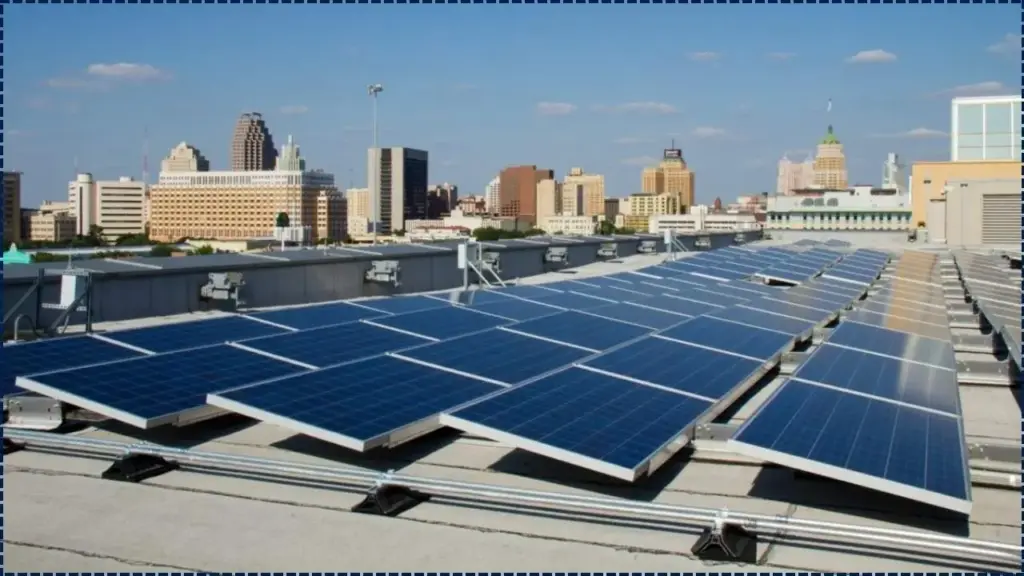
Energy analysts say these developments reflect growing demand for cleaner power, lower electricity costs, and stronger resilience against climate-related disruptions.
5 US Urban Solar Trends
| Key Fact | Detail / Statistic |
|---|---|
| U.S. solar capacity | Solar installations surpassed 200 gigawatts nationally |
| Cost decline | Solar electricity costs have fallen more than 80% since 2010 |
| Community solar growth | Over 7 gigawatts of community solar projects operating nationwide |
| City climate goals | More than 200 cities committed to net-zero emissions targets |
Urban Solar Trends Reflect a Shift in Energy Infrastructure
For most of the 20th century, U.S. cities depended on centralized power plants located far from urban centers. Electricity flowed through transmission lines before reaching homes, offices, and factories. That model is evolving rapidly.
Today, solar panels and energy storage systems are increasingly installed directly within cities. According to the U.S. Energy Information Administration (EIA), solar power is the fastest-growing electricity source in the country.
Analysts say cities are adopting solar because urban areas consume the majority of electricity while also facing the most pressure to reduce carbon emissions.
“Distributed energy generation is becoming central to urban planning,” said Jenny Chase, lead solar analyst at BloombergNEF. “Cities want energy sources that are local, clean, and resilient.” Five major urban solar trends illustrate how the shift is unfolding.
1. Building-Integrated Solar Turns Skyscrapers Into Power Plants
Traditional rooftop panels remain the most visible form of solar power. However, architects are increasingly integrating photovoltaic technology directly into building materials. Known as building-integrated photovoltaics (BIPV), these systems embed solar cells into windows, facades, and shading elements.
The National Renewable Energy Laboratory (NREL) says BIPV offers a practical solution for dense cities where roof space is limited. In cities such as Boston, San Francisco, and Chicago, several commercial buildings now incorporate solar glass into exterior walls.
These materials generate electricity while maintaining transparency and aesthetic design. “Buildings represent an enormous untapped surface area for energy production,” said Dr. Sarah Kurtz, a solar technology expert formerly with NREL. “When photovoltaic materials become part of construction, every building can contribute to the energy system.”
Researchers say widespread adoption could significantly increase urban solar capacity without requiring additional land.
2. Community Solar Expands Access for Urban Residents
Many city residents cannot install solar panels because they live in apartments or rented properties. Community solar programs address this barrier by allowing individuals to subscribe to a shared solar facility and receive credits on their electricity bills.
According to the National Renewable Energy Laboratory, community solar capacity in the United States exceeded 7 gigawatts in 2024 and continues to grow. States including New York, Illinois, Colorado, and Minnesota have developed strong policy frameworks that encourage community solar development.
“Community solar allows people who don’t own roofs to participate in the clean energy transition,” said Jeff Cramer, chief executive of the Coalition for Community Solar Access. Advocates say the model also benefits low-income households by reducing electricity costs and improving energy access.
3. Microgrids Improve City Energy Resilience
Extreme weather events are increasing pressure on electricity infrastructure across the United States. Hurricanes, wildfires, and heat waves have triggered major outages in recent years, highlighting vulnerabilities in centralized grids.
As a result, cities are investing in microgrids—localized power networks that combine solar generation with battery storage. The U.S. Department of Energy (DOE) describes microgrids as a critical tool for improving grid resilience.
For example, New York City has developed several microgrid pilot programs to power hospitals and emergency facilities during outages. San Diego has implemented microgrids at universities and military installations.
“Microgrids allow communities to maintain critical services even when the main grid fails,” said Dr. Peter Asmus, research director at Guidehouse Insights. Urban planners increasingly view solar microgrids as essential infrastructure for climate adaptation.
Solar met all daytime US electricity demand growth in 2025 ☀️🇺🇸
— Ember (@ember_energy) January 18, 2026
And rapid battery expansion means more evening demand is now being met by stored clean power, underscoring how solar and storage are working together to reshape the power system 🔋https://t.co/NhRAuAH0Je pic.twitter.com/u7o40OsY8w
4. Smart Solar Networks Use Data and Automation
Solar systems are becoming increasingly integrated with digital technology. Smart meters, sensors, and automated control systems allow utilities to monitor electricity production and demand in real time.
These systems are part of smart grids, which help manage large volumes of renewable energy. The International Energy Agency (IEA) says digitalization is critical for balancing intermittent energy sources such as solar and wind.
Artificial intelligence tools can forecast electricity demand, predict weather patterns, and optimize battery storage. “Smart energy management ensures that renewable energy can scale without destabilizing the grid,” said Dr. Audrey Lee, former senior adviser at the U.S. Department of Energy.
Smart solar infrastructure also supports electric vehicle charging networks, which are expanding rapidly across American cities.
5. Next-Generation Solar Materials Expand Deployment
Technological advances are expanding where solar power can be installed. Researchers are developing perovskite solar cells, which could achieve higher efficiency than conventional silicon panels while reducing manufacturing costs.
Several pilot factories in the United States and Europe are working to commercialize the technology. Flexible solar materials are also gaining attention. Unlike rigid panels, they can be installed on curved surfaces such as stadium roofs, transit shelters, and public infrastructure.
“These technologies allow solar deployment in places previously considered impractical,” said Dr. Tonio Buonassisi, professor at the Massachusetts Institute of Technology (MIT). Experts say next-generation solar materials could significantly expand renewable capacity in cities.
Economic Impact: Solar Jobs and Urban Investment
The growth of urban solar trends is also creating economic opportunities. According to the Solar Energy Industries Association (SEIA), the U.S. solar industry employs more than 260,000 workers.
Many of these jobs involve installation, engineering, manufacturing, and maintenance of solar systems. Urban solar projects can also attract private investment and reduce municipal energy costs.
Cities such as Los Angeles and Austin have launched solar programs aimed at powering public buildings and transit systems. “Solar development supports local economic growth while reducing long-term energy expenses,” said Abigail Ross Hopper, president of the Solar Energy Industries Association.
Policy and Federal Incentives Accelerate Growth
Federal policies have played a major role in expanding solar adoption. The Inflation Reduction Act of 2022 introduced long-term tax credits and incentives for renewable energy development. These incentives support rooftop solar, community solar projects, and energy storage systems.
State governments have also adopted renewable portfolio standards requiring utilities to increase the share of clean energy in their electricity mix. Analysts say these policies are likely to accelerate urban solar deployment throughout the decade.
Equity and Environmental Justice Concerns
Despite rapid progress, experts say ensuring equitable access to solar energy remains a challenge. Low-income communities and historically marginalized neighborhoods often face barriers to adopting renewable technologies.
Advocates argue that targeted programs are needed to ensure these communities benefit from clean energy investments.

अडानी की इस कंपनी ने किया 24% मुनाफा! शेयरों पर मची लूट – निवेशक बोले, 'ऐसा मौका बार-बार नहीं मिलता!
“Energy transition policies must prioritize equity,” said Dr. Leah Stokes, associate professor of environmental policy at the University of California, Santa Barbara. Programs supporting community solar and subsidized installations are designed to address these disparities.
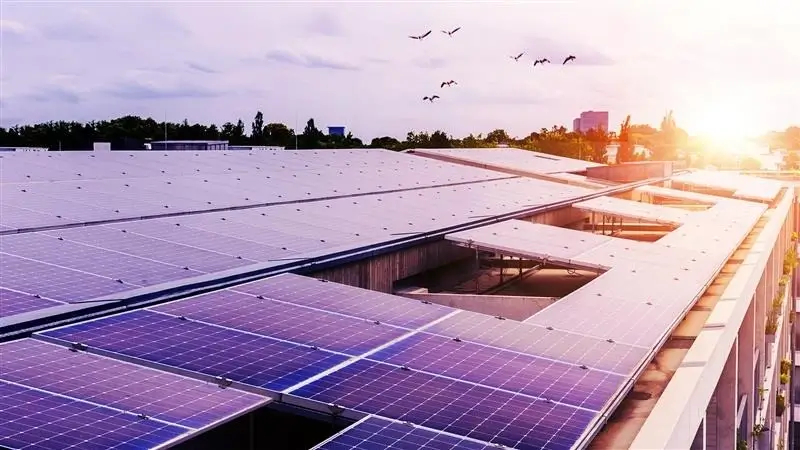
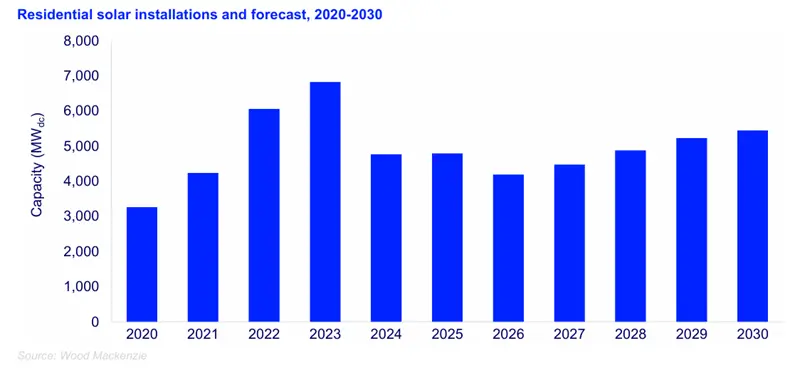
Future Outlook: Urban Solar Through 2030
Energy analysts expect solar power to remain a central component of urban energy systems over the next decade. The International Energy Agency forecasts that global solar capacity could triple by 2030 as governments pursue climate goals.
In the United States, city governments are integrating solar into long-term infrastructure planning. Experts say future urban developments may include solar-powered transit stations, solar highways, and fully energy-positive buildings.
“Solar is evolving from a supplementary technology into a foundational element of city infrastructure,” said BloombergNEF analyst Jenny Chase.
Related Links
Persistent Blackouts Drive Cameroon Residents Toward Independent Private Solar Grids
Breaking Red Tape: New ‘Plug-and-Play’ Solar Solutions Empower Renters and Apartment Dwellers
Energy analysts say the rapid evolution of urban solar trends signals a fundamental shift in how American cities produce and manage electricity. As technology advances and policies support renewable energy deployment, solar infrastructure may become as common in city landscapes as power lines and water systems.
FAQs
What are urban solar trends?
Urban solar trends refer to emerging ways cities deploy solar energy systems, including rooftop installations, community solar programs, building-integrated photovoltaics, and solar microgrids.
Why is solar power growing in cities?
Cities consume large amounts of electricity and are pursuing climate goals. Solar provides local, clean energy that reduces emissions and transmission losses.
How do community solar programs work?
Residents subscribe to a shared solar installation and receive credits on their electricity bills for the energy generated.
Are solar microgrids reliable during outages?
Yes. Microgrids combine solar panels with battery storage and can operate independently from the main power grid.
Will solar energy dominate urban power systems?
Experts say solar will likely become a major component of urban electricity systems but will operate alongside other renewable sources and energy storage technologies.