

Toyota Motor Corporation’s entry into the solid-state battery-powered electric vehicle (EV) market has created a significant buzz, especially in the United States, where anticipation is building for the late 2026 launch.
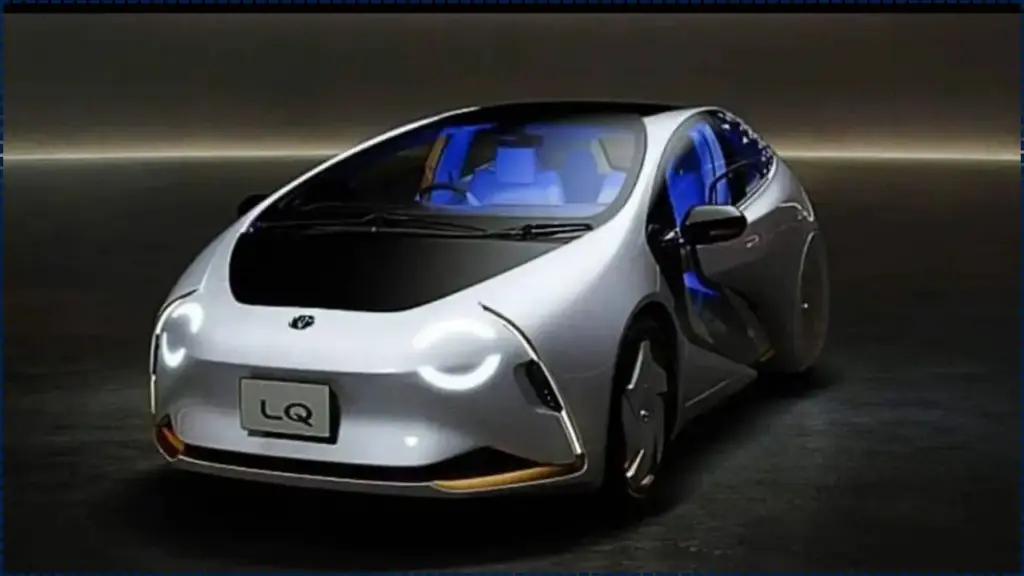
The vehicle promises a breakthrough 1,200 kilometers (km) range on a single charge, marking a dramatic shift in what consumers can expect from electric cars. With the promise of faster charging times, greater efficiency, and enhanced safety, Toyota’s solid-state battery EV could become the new standard for the next generation of electric mobility.
The Solid-State Battery Revolution: What’s All the Fuss About?
Solid-state batteries are poised to become the next significant leap in energy storage technology. Traditional lithium-ion batteries, while widely used in current EVs, rely on liquid electrolytes to transfer ions.
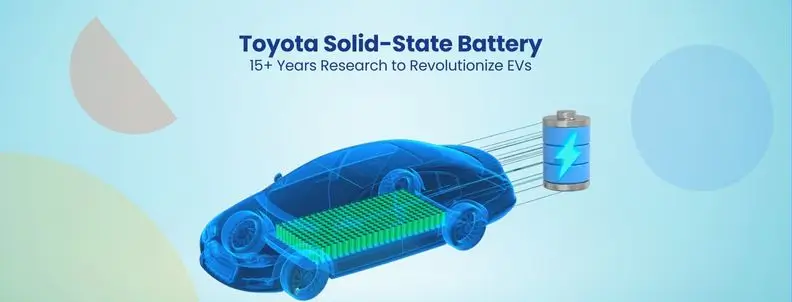
Solid-state batteries replace the liquid electrolyte with a solid material, improving energy density, efficiency, and safety. In simple terms, they can store more energy in less space, provide quicker charging, and minimize the risk of overheating — a known issue in traditional lithium-ion batteries.
Why Solid-State Batteries?
- Higher Energy Density: Solid-state batteries can store more energy in the same volume, offering greater driving range for electric vehicles. Toyota’s goal of 1,200 km per charge would significantly outpace the current best models, which top out at around 650 km to 700 km per charge.
- Faster Charging: One of the key drawbacks of current EVs is long charging times. Solid-state batteries promise to charge in under 10 minutes, a game-changer compared to the 30-45 minutes required for current fast-charging technologies.
- Improved Safety: Solid-state batteries are safer than traditional lithium-ion batteries because they’re less likely to catch fire or explode due to overheating, offering peace of mind for drivers.
Why US Car Buyers Are Eagerly Waiting for the 2026 Launch
As Toyota prepares for its 2026 solid-state EV launch, US consumers are excited about the potential benefits of the technology. Here’s why American buyers are particularly keen on the vehicle:
1. Long-Range Freedom
One of the most significant factors driving excitement is the 1,200 km range. Currently, EVs like Tesla’s Model S Long Range have a maximum range of around 650 km, which limits their suitability for long-distance road trips in the US, where vast distances often require drivers to plan for charging stops.
Toyota’s solid-state battery vehicle would eliminate the range anxiety that many potential EV owners feel, offering them the freedom to travel across the country with fewer interruptions.
2. Game-Changing Charging Time
Even with the rise of fast-charging networks, the need to wait for a battery to charge remains a hurdle for many EV owners, particularly when traveling long distances. The 10-minute charging feature promised by Toyota could revolutionize the way consumers use electric vehicles, making charging as quick and convenient as filling up a gas tank.
This would make EV ownership significantly more practical and user-friendly for consumers across the US, especially for those who are accustomed to the convenience of traditional gas-powered vehicles.
3. Environmental Benefits and Lower Running Costs
While the immediate attraction is the enhanced driving range and charging speed, there are also environmental benefits to consider. As carbon emissions from the transportation sector continue to be a major concern, Toyota’s solid-state EV provides a cleaner alternative.
With fewer emissions and a more energy-efficient battery, the vehicle would align with US policy goals to reduce greenhouse gases and promote clean energy solutions.
Moreover, solid-state batteries are more energy-efficient, which means drivers can travel longer distances using less energy. This translates into lower energy consumption and reduced electricity costs over time. The increased efficiency and longer lifespan of solid-state batteries could also reduce the overall cost of ownership for EVs in the long run.

Production Timeline and Challenges
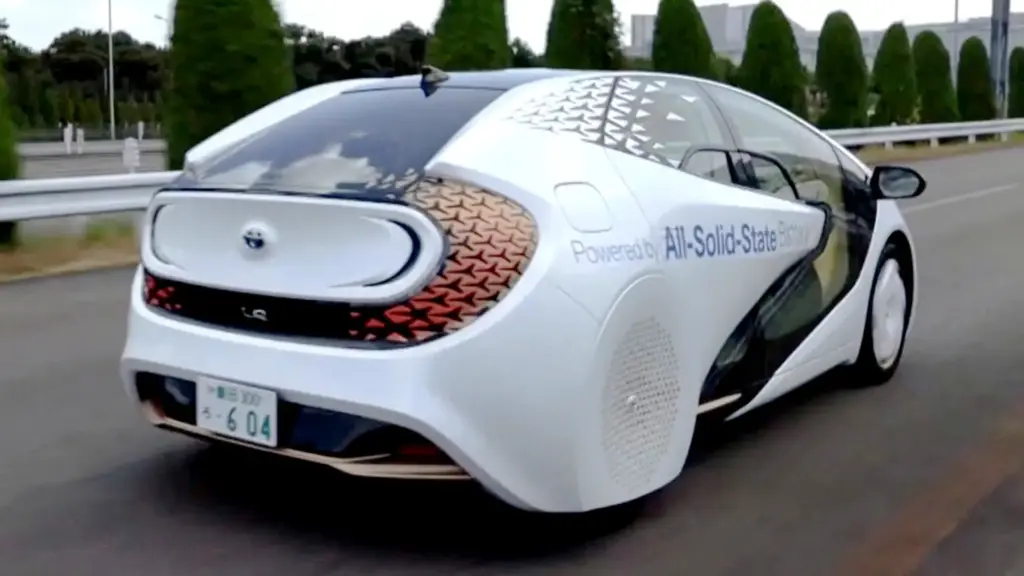
While Toyota’s solid-state battery vehicle is still in the prototype phase, the company has announced that the first production model is expected by late 2026, with an anticipated mass production ramp-up by 2027. The car will likely debut with Lexus models before transitioning to the Toyota brand for more mainstream consumers.
Key Milestones:
- 2023-2025: Prototype testing and early-stage development of solid-state battery systems.
- 2026: Launch of the first production solid-state EV, with a focus on luxury Lexus models.
- 2027: Expansion of solid-state EV production to Toyota-branded vehicles.
Toyota’s collaborations with partners like Sumitomo Metal Mining and Idemitsu Kosan aim to ensure a stable supply of the critical materials needed for solid-state batteries. These partnerships will help Toyota scale its battery technology to meet global demand. (techcrunch.com)
Competitive Landscape: Will Toyota Lead the Charge?
While Toyota’s early push into solid-state battery technology gives it a competitive edge, the company is not alone. Other major automakers like Volkswagen, BMW, and Hyundai are also investing in solid-state battery research.
However, Toyota’s 1,200 km range could give it an early advantage in the race to develop long-range electric vehicles with faster charging times.
Tesla and Other US Competitors
In the United States, Tesla has been the dominant force in the EV market. However, Tesla’s 4680 battery cells, which are also designed to improve performance and cost efficiency, are still undergoing refinement.
If Toyota can successfully implement solid-state technology into its vehicles by 2026, it could challenge Tesla’s supremacy by offering a faster-charging, longer-range alternative.
Toyota’s head start in solid-state development, along with its ability to scale manufacturing quickly, puts it in a strong position to compete with both Tesla and newer entrants to the market.
Consumer Benefits and Market Demand
The expected low-cost charging and longer battery life make Toyota’s solid-state EV particularly appealing to US consumers, many of whom are looking for electric vehicles that are both environmentally friendly and economically viable.
The affordability of Toyota’s solid-state EV, combined with tax incentives for electric vehicle purchases, could make it a compelling choice for a broad spectrum of consumers — from urban commuters to those who need long-range capabilities for road trips.

Off-the-Grid in Ontario: Why thousands of Canadians are cutting the cord with DIY solar-battery kits
Wider Adoption of EVs Across the US
The Toyota solid-state vehicle will likely have a broad appeal, especially in regions where long-distance travel and interstate commuting are the norm.
In states like California, Texas, and Florida, where EV adoption is already on the rise, Toyota’s innovation could make electric vehicles more practical and more desirable for even more buyers.
Challenges Ahead for Toyota and Solid-State EVs
Despite the promising features of Toyota’s solid-state EV, several hurdles remain:
- Mass Production Challenges: Scaling solid-state battery production to meet global demand will require substantial investment and innovation in manufacturing processes. Toyota’s ability to overcome production bottlenecks will be crucial to its success.
- Long-Term Durability: While solid-state batteries are expected to have longer life spans than lithium-ion batteries, durability and reliability over the years still need to be proven in real-world conditions.
- Market Competition: As other companies, particularly Tesla, ramp up their EV production capabilities, Toyota must ensure that its solid-state EVs remain competitively priced while meeting consumer expectations for performance.
Related Links
No Roof? No Problem! This German ‘Plug-and-Play’ Balcony Solar Trend is Coming to Flats
The End of Silicon Panels? This New ‘Perovskite’ Tech Promises 50% Cheaper Solar Power!
Toyota’s Bold Step Towards the Future of EVs
Toyota’s solid-state EV is one of the most exciting developments in the electric vehicle space. With the promise of 1,200 km on a single charge, super-fast charging, and enhanced safety, the vehicle could reshape the EV market, particularly in the US, where long-range and fast charging are top priorities for buyers.
While the company faces significant production challenges and market competition, the 2026 launch of Toyota’s solid-state EV will likely set the stage for the future of electric mobility.
If successful, Toyota’s innovation will pave the way for a new era of sustainable transportation, offering US consumers an alternative to gasoline-powered vehicles that is both practical and environmentally responsible.