
The Tripura State Electricity Corporation Limited (TSECL) has floated a tender for 50 megawatts (MW) / 200 megawatt-hours (MWh) of battery energy storage as part of what officials describe as Tripura’s Grid Makeover initiative.

The 200 MWh battery storage project aims to manage rising peak electricity demand, strengthen grid reliability, and improve renewable energy integration across the northeastern state.
The standalone battery systems will discharge electricity during high-demand evening hours, reducing strain on the grid and lowering reliance on costly short-term power purchases.
Why Tripura’s Grid Makeover Has Become Necessary
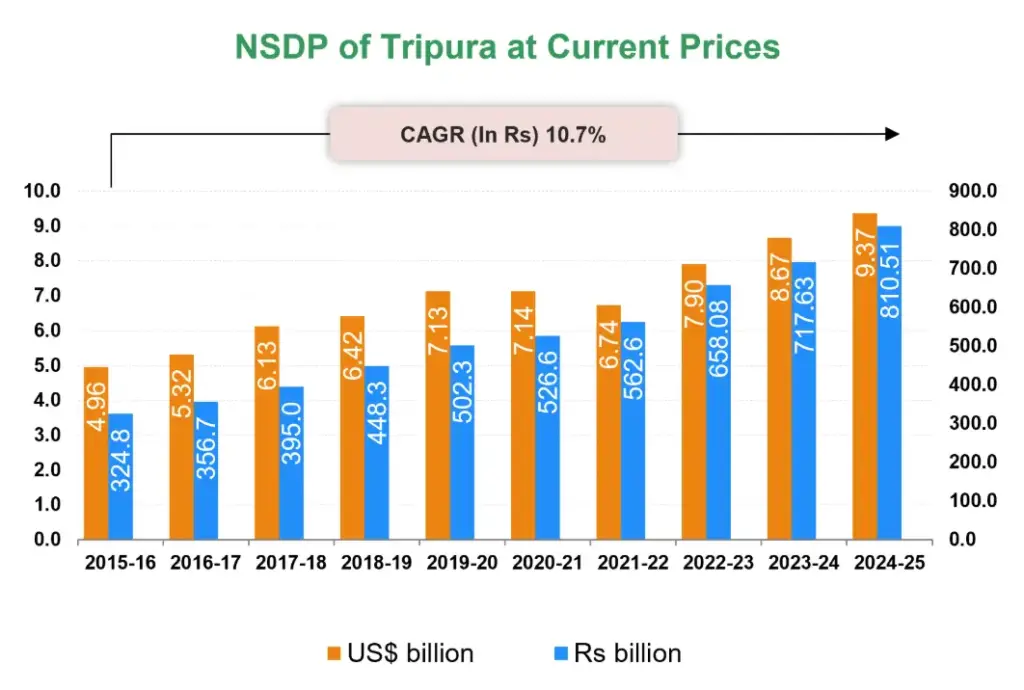
Tripura’s electricity demand has expanded steadily due to population growth, urbanisation, and increased household electrification. According to state-level projections cited in TSECL’s tender documentation, peak demand currently stands near 378 MW and is expected to rise significantly over the next decade.
The state faces pronounced evening peaks between 5:30 p.m. and 9:30 p.m., when residential consumption increases and solar generation declines. Without storage, utilities must procure additional power from external markets, often at elevated tariffs.
A senior TSECL official stated during a departmental briefing, “The objective of this 200 MWh battery storage initiative is to ensure supply stability during peak demand while maximising utilisation of renewable energy.”
Grid planners say storage offers flexibility without the need for immediate large-scale transmission upgrades.
How the 200 MWh Battery Storage System Will Function
Peak Shaving and Frequency Regulation
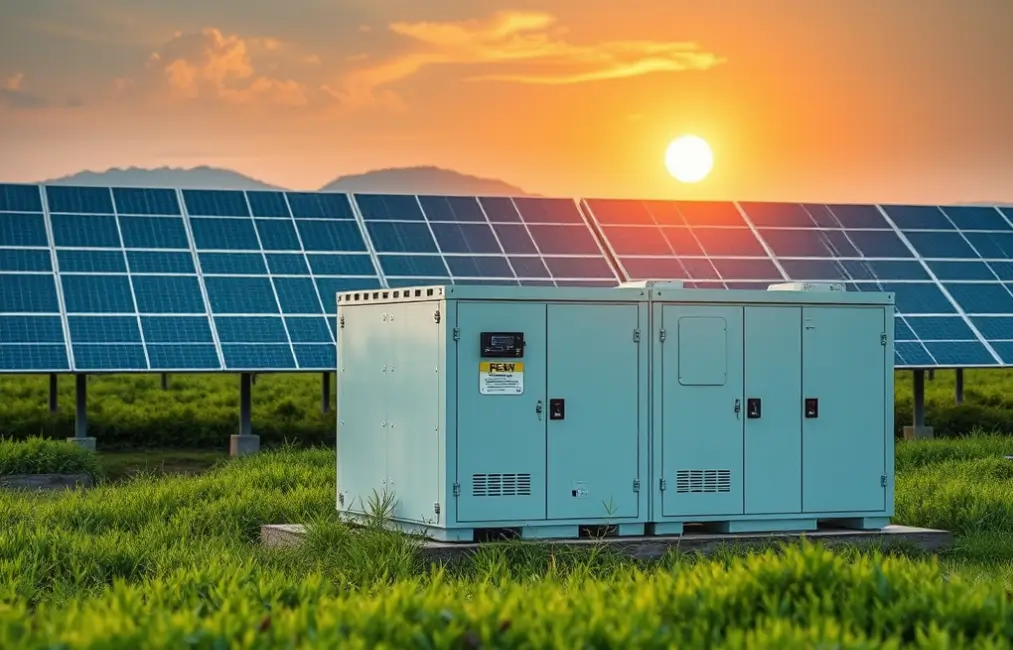
Under the tender, developers will deploy multiple 5 MW / 20 MWh battery units at selected 33 kV substations. Collectively, these installations will operate as a unified 50 MW / 200 MWh facility.
During daytime hours, excess power—particularly from solar sources—will charge the batteries. During peak evening demand, stored electricity will be released to stabilise voltage and frequency.
According to the Central Electricity Authority (CEA), battery energy storage systems enhance grid flexibility by providing fast-response balancing services.
“Storage assets can react within seconds to grid fluctuations,” said an energy systems researcher from the Indian Institute of Technology in a public seminar on grid modernisation. “This improves reliability and reduces the need for spinning reserves.”
Technical Specifications and Tender Framework
TSECL has invited expressions of interest from qualified developers, system integrators, and battery manufacturers. Bidders must demonstrate prior experience in utility-scale battery projects and compliance with national grid standards.
The proposed operational tenure ranges from 12 to 15 years. Developers must specify battery chemistry, safety systems, degradation management plans, and performance guarantees.
Lithium-ion technology remains the most widely deployed storage chemistry globally. However, alternatives such as lithium iron phosphate (LFP) or advanced sodium-ion systems may also be evaluated depending on technical and cost considerations.
Industry analysts note that degradation rates, thermal management, and fire safety design are critical factors in project viability.
Financing Models and Revenue Mechanisms
Large-scale battery storage requires substantial upfront capital investment. Revenue recovery typically occurs through long-term contracts, capacity payments, or grid support services.
While TSECL has not disclosed detailed tariff mechanisms at this stage, analysts expect the final tender to incorporate availability-based compensation or peak demand service payments.
A power sector financial analyst based in Mumbai explained, “For storage projects to attract investment, revenue streams must be predictable. Clear contractual structures are essential.”
The Ministry of Power has previously emphasised the importance of viability gap funding and policy clarity for accelerating storage adoption across states.
National Policy Context and Renewable Energy Targets
India has committed to achieving 500 gigawatts (GW) of non-fossil fuel capacity by 2030. According to the Ministry of Power, integrating this volume of renewable energy will require substantial storage deployment.
The National Electricity Plan, prepared by the CEA, projects rapid growth in battery storage capacity nationwide to manage solar and wind intermittency.
Tripura’s 200 MWh battery storage tender aligns with this broader national strategy. Northeastern states, due to geographic isolation and limited inter-state transmission links, often benefit from decentralised flexibility assets.
“Local storage can reduce transmission dependency and enhance energy security,” said an independent energy consultant familiar with northeastern grid operations.
Disaster Resilience and Energy Security
Tripura, like other northeastern states, is vulnerable to extreme weather events and infrastructure disruptions. Battery storage systems can provide backup support during grid disturbances.
In the event of transmission line failure or generation shortfall, stored energy can supply critical infrastructure temporarily. Experts say this resilience function is increasingly valued as climate variability intensifies.
“Storage enhances not only efficiency but also emergency response capability,” noted a disaster management specialist affiliated with a national policy institute.
Environmental and Lifecycle Considerations
Battery installations must comply with environmental clearance norms and safety guidelines. India’s battery waste management rules mandate structured recycling and disposal frameworks.
According to the International Energy Agency (IEA), global lithium-ion recycling capacity is expanding, but supply chain sustainability remains a priority.
Environmental experts stress the importance of responsible sourcing of lithium and cobalt, along with clear end-of-life management protocols. Tripura’s tender documents require bidders to address recycling and disposal mechanisms, ensuring compliance with national regulations.
Comparison with Other State-Level Storage Initiatives
Several Indian states have begun exploring battery storage procurement. Maharashtra, Gujarat, and Tamil Nadu have issued storage-linked renewable tenders in recent years.
Tripura’s 200 MWh battery storage initiative is significant relative to the state’s total peak demand, representing a meaningful share of its grid capacity. Analysts say smaller states adopting storage demonstrate growing confidence in the technology’s maturity.
Risks and Implementation Challenges
Despite the benefits, battery storage projects face operational risks. These include battery degradation over time, potential thermal incidents, and evolving technology standards.
Land acquisition near substations and grid interconnection approvals may also affect timelines. Moreover, global lithium supply chains remain sensitive to geopolitical developments.
“Execution discipline will determine success,” said a senior renewable energy executive. “Technology is proven, but project management and regulatory clarity are equally important.”
Related Links
Long-Term Implications for Tripura’s Energy Sector
Tripura’s Grid Makeover signals a transition toward flexible and technology-driven power infrastructure. If successfully implemented, the 200 MWh battery storage system could reduce peak procurement costs and improve renewable integration.
It may also position the state as an early adopter of grid-scale storage within the northeastern region.
TSECL is expected to evaluate technical proposals before issuing detailed financial bidding documents. Final project timelines will depend on regulatory approvals and contractual negotiations.
For policymakers, the initiative reflects a broader shift in India’s electricity sector toward modern grid solutions capable of balancing growth, sustainability, and reliability.