
The United Kingdom is preparing to legalize small-scale plug-in solar panels for homes, a policy shift that could allow millions of flat owners and renters to generate their own electricity and cut annual bills by up to £300.
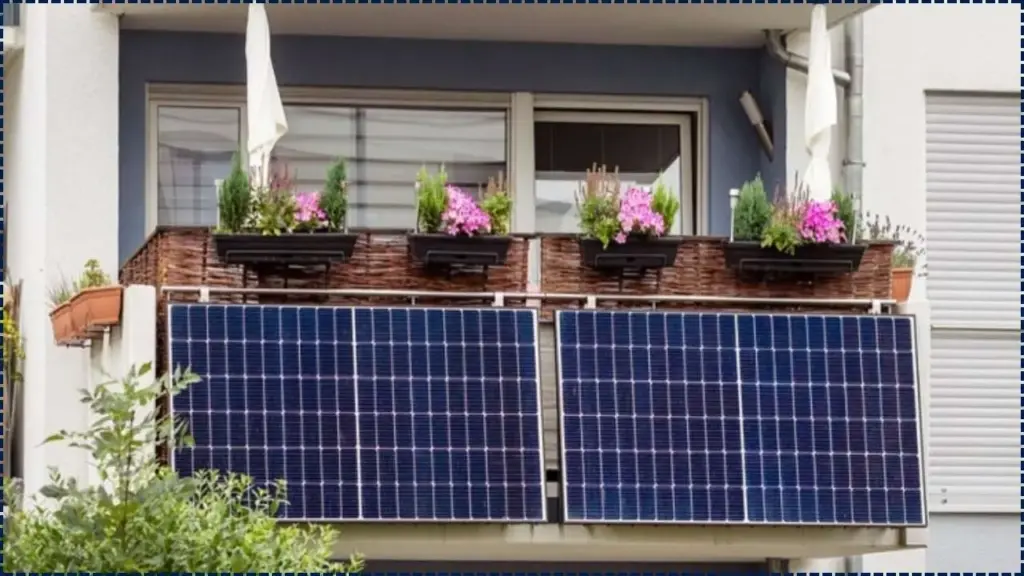
The move, expected in 2026, introduces “DIY balcony solar” systems as part of broader efforts to expand renewable energy access.
Save £300/Year on Rent
| Key Fact | Detail |
|---|---|
| Policy Change | Plug-in solar to be legalized |
| Target Users | Flats, renters, urban households |
| Estimated Savings | £150–£300 annually |
| System Size | 300W–800W typical |
| Comparable Markets | Germany, Netherlands already adopted |
The UK’s move to legalize plug-in solar systems marks a shift toward more inclusive energy policy, offering flat owners and renters a practical way to participate in renewable generation. While the financial and environmental impact per household may be modest, the broader implications could reshape urban energy use.
UK DIY Balcony Solar Rules Mark a Structural Shift in Energy Access
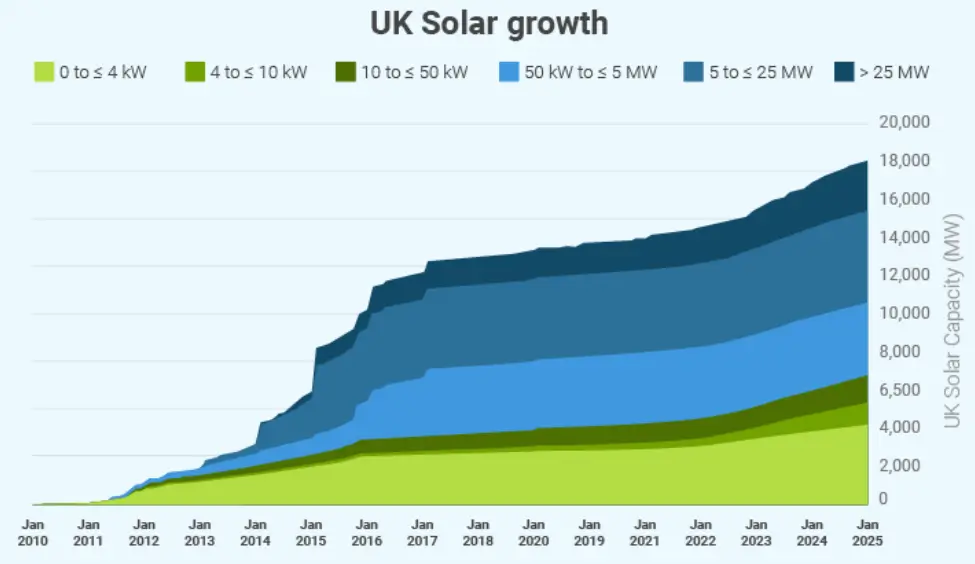
The UK’s decision to permit plug-in solar systems represents one of the most significant changes to small-scale renewable energy policy in recent years. For decades, solar adoption in the country has largely been limited to homeowners with suitable rooftops.
The new rules aim to address this imbalance by enabling residents of flats—who make up a substantial share of the population—to participate in energy generation.
“This is a democratization of solar power,” said an energy policy analyst at a UK-based think tank. “It removes a major structural barrier that excluded urban residents from the energy transition.”
Background: Why Plug-In Solar Was Restricted
Historically, UK regulations required solar systems to be hardwired into a building’s electrical system. This ensured grid stability and safety but created high entry barriers. Installations typically required:
- Certified electricians.
- Grid connection approval (G98 compliance).
- Higher upfront costs.
Plug-in systems, common in parts of Europe, were not permitted due to concerns over electrical safety and uncontrolled grid feedback. Advances in inverter technology—particularly automatic shutoff mechanisms—have since addressed many of these risks, paving the way for regulatory reform.
How DIY Balcony Solar Systems Work
Plug-and-Play Design
Balcony solar systems consist of:
- One or two photovoltaic panels.
- A microinverter.
- A standard plug connection.
Electricity generated is used directly within the home, reducing the need to draw power from the grid.
Capacity Limits
Most systems operate below 800 watts, ensuring:
- Minimal grid impact.
- Safe integration with household circuits.
Installation Simplicity
Unlike rooftop solar, installation:
- Requires no structural changes.
- Can often be completed in under an hour.
- Does not require professional wiring under new rules.
Financial Impact: Breaking Down the £300 Savings Claim
The headline figure of £300 annual savings reflects optimal conditions, including:
- South-facing balcony.
- High electricity usage during daylight hours.
- Minimal shading.
However, most households are expected to see:
- £150–£250 annual savings under average UK conditions
Energy economists emphasize that savings depend on self-consumption. Electricity used directly in the home delivers the highest value, as exporting excess energy offers limited compensation under current schemes.
Who Benefits Most from Balcony Solar?
Ideal Users
- Flat owners without roof access.
- Renters seeking portable energy solutions.
- Households with daytime energy usage.
Less Suitable Cases
- North-facing or heavily shaded balconies.
- Buildings with strict aesthetic restrictions.
- Low daytime electricity consumption households.
Legal and Regulatory Considerations
Planning Permission
Most installations fall under permitted development rights, meaning planning approval is not typically required. However, exceptions may apply in:

- Conservation areas.
- Listed buildings.
Leasehold and Landlord Approval
Residents must still comply with:
- Lease agreements.
- Building management policies.
Government officials have indicated future reforms may strengthen tenants’ rights to install energy-saving technologies.
Grid and Safety Implications
The integration of plug-in solar raises questions about grid management and safety. Experts note that:
- Modern inverters include anti-islanding protection.
- Systems shut down automatically during grid outages.
- Capacity limits reduce network strain.
The UK is expected to introduce updated technical standards to ensure safe deployment.
Lessons from Europe: A Proven Model
Countries such as Germany have already embraced balcony solar systems, with hundreds of thousands of installations in operation. Key outcomes observed:
- Increased renewable adoption among renters.
- Reduced household energy costs.
- Minimal grid disruption.
UK policymakers have studied these markets closely, adapting regulatory frameworks accordingly.
Environmental Impact
While individual systems are small, widespread adoption could contribute to national emissions reductions. Energy analysts estimate that if even a fraction of UK flats adopt balcony solar, the cumulative impact could:
- Reduce demand on fossil-fuel-based generation.
- Lower peak electricity demand.
However, experts caution that these systems are complementary, not a replacement for large-scale renewable infrastructure.
Consumer Awareness and Market Growth
Industry stakeholders expect rapid growth in demand once the rules take effect. However, they stress the importance of:
- Clear installation guidelines.
- Certified product standards.
- Consumer education campaigns.
Without proper oversight, there is a risk of substandard products entering the market.
Potential Risks and Criticism
While widely welcomed, the policy has drawn some cautious responses.
Concerns Raised:
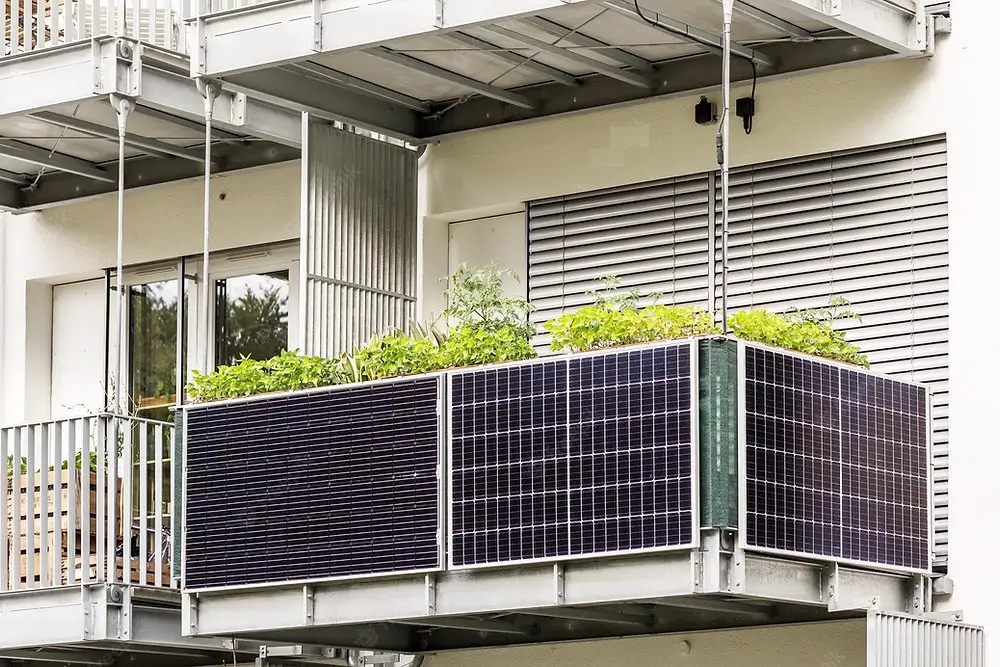
- Visual impact on building facades.
- Uneven adoption due to landlord restrictions.
- Limited financial benefit compared to rooftop systems.
Some critics argue the government should pair the policy with stronger incentives or subsidies to maximize uptake.
Related Links
SA’s $880 VPP Bonus: How to Claim Your REPS Cash Incentive in 2026
Canada’s Best Solar Rebate? Why PEI’s $10,000 Incentive Still Leads in 2026
Future Outlook: What Comes Next
The success of DIY balcony solar in the UK will depend on several factors:
- Final regulatory clarity.
- Market pricing and product availability.
- Public awareness and trust.
If implementation is effective, analysts say balcony solar could become a standard feature in urban housing, similar to developments seen across Europe.
“This is an incremental but important step,” said one renewable energy expert. “It won’t solve the energy crisis alone, but it broadens participation in a meaningful way.”
FAQs
Is DIY balcony solar legal now?
It is expected to become legal under updated regulations in 2026.
Do I need permission from my landlord?
Yes, in most cases landlord or building approval is still required.
How long does it take to install?
Typically less than one hour for a standard system.
Is it worth the investment?
For many users, systems can pay for themselves within a few years.