
Solar for New Builds: A 2026 Guide for UK Property Developers and Home Buyers highlights the rapid shift toward making solar panels a core feature of new UK housing. With the UK government’s Future Homes Standard set to make solar a near-mandatory feature for new homes by 2027, the construction industry is already adapting.
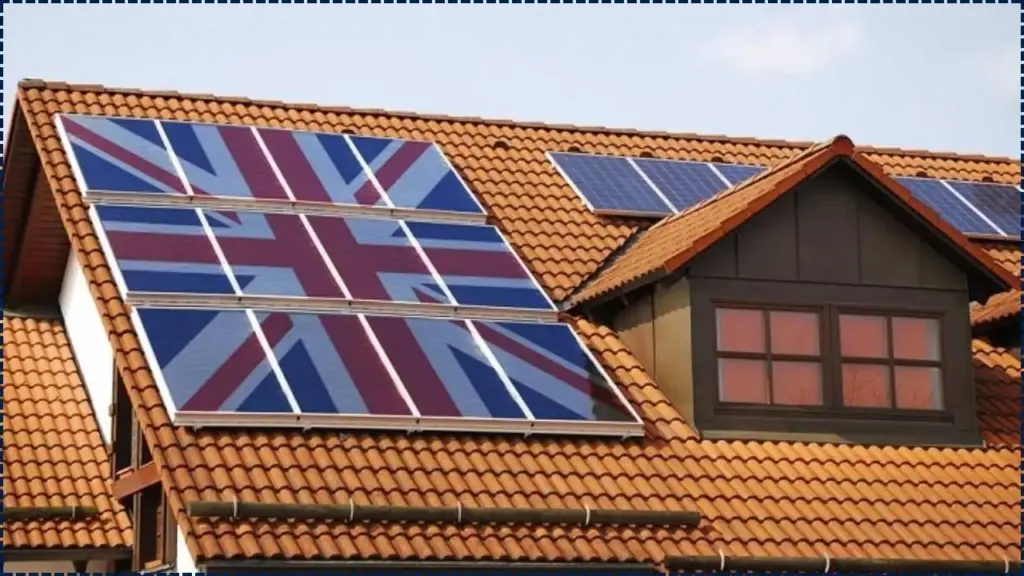
Solar is no longer a luxury upgrade but a key compliance tool to meet energy efficiency regulations, particularly as homebuyers demand more sustainable living options.
2026 Guide for UK Property Developers
| Key Factor | Detail | Context |
|---|---|---|
| Solar Adoption in New Builds | ~40%+ of new homes (latest estimates) | Increasing trend in compliance and consumer demand |
| Upcoming Future Homes Standard (FHS) | Mandatory solar + renewable energy for most new builds by 2027 | Pivotal regulation change |
| Expected Savings for Buyers | £500–£1,000 annually | Energy bill reduction and sustainability benefits |
| Developer Cost for Solar Installation | £3,000–£4,000 per home | Cost-effective when installed during construction |
Solar integration in new builds is becoming standard across the UK, offering substantial energy savings for homeowners and ensuring regulatory compliance for developers. With the Future Homes Standard likely making solar mandatory by 2027, buyers and developers alike must consider solar as a critical feature of modern housing.
As the market shifts toward sustainability, solar is no longer optional—it’s a key feature that will shape the UK housing landscape for years to come.
2026 Guide for UK Property Developers: Solar for New Builds
As of 2026, solar panels are increasingly common in new homes across the UK, largely driven by government regulations and market demand. The UK government is pushing for net-zero carbon emissions by 2050, and residential buildings are a significant source of carbon emissions.
By 2027, the Future Homes Standard (FHS) will ensure that nearly all new homes are required to produce a minimum amount of energy through renewable sources, with solar energy as the go-to option.
Under current Part L of UK Building Regulations, developers can use solar to meet energy efficiency standards. This has led to widespread adoption of solar panels during construction, especially as homeowners increasingly demand green energy solutions and energy savings.
Future Homes Standard: What It Means for Developers and Buyers
The Future Homes Standard (FHS) is part of the UK’s effort to overhaul energy efficiency in new buildings. It will mandate the following for most new homes:
Key Proposals for 2027 and Beyond:
- Solar Panels: As part of a broader package of measures, solar panels will be required on most new homes.
- Energy Efficiency: Homes will need to achieve net-zero carbon emissions or close to it.
- Heat Pumps & Insulation: These will also become standard, alongside solar installations.
Government reports show that solar will be a default solution for homes to meet the FHS criteria. This policy shift will make solar panels a standard feature for new builds by 2027.
Why Developers Are Adopting Solar Now
Even before the FHS comes into effect, developers are opting for solar integration during construction for several reasons:
1. Regulatory Compliance
Meeting building regulations is critical for developers. The SAP (Standard Assessment Procedure) score required for energy compliance can be difficult to achieve without solar. Failure to comply with SAP means that homes cannot be sold, rented, or let. Solar panels provide an easy solution.
2. Cost-Effectiveness
Solar panels are most affordable when installed during construction:
- Lower installation costs when integrated from the start.
- No retrofitting required, saving on labour and materials.
- Reduced future maintenance disruptions.
While upfront installation costs range from £3,000 to £4,000, these are offset by the long-term benefits, such as increased marketability and property value.
3. Consumer Demand
More buyers are looking for homes that:

- Reduce energy bills.
- Support sustainability.
- Contribute to climate goals.
Properties with solar systems sell faster and at higher prices in the market. According to reports, energy-efficient homes typically sell 10–20% faster and often at a premium price.
What Home Buyers Should Look For
Not all solar-equipped homes are created equal. Homebuyers should evaluate the solar setup carefully to ensure it aligns with their long-term energy needs and goals.
1. System Size and Output
- Ideal size: A 3–5 kW solar system provides a balance between cost and energy production for most households.
- Warning signs: Smaller systems may limit savings and fail to meet future energy needs. Ask about total panel wattage and system output.
2. Roof Orientation and Space
Solar efficiency depends heavily on roof orientation:
- South-facing roofs capture the most sunlight, especially in the UK’s northern latitudes.
- Shading from trees or nearby buildings reduces system efficiency.
Look for homes with unobstructed roof space or inquire about how the solar panels will be integrated into the building design.
3. Ownership vs. Leasing
Solar ownership offers the greatest control and benefits, but some developers lease systems to buyers, which may:
- Limit long-term savings.
- Affect resale value.
Always clarify whether the system is owned or leased before making a commitment.
Financial Benefits of Solar in New Builds
For Developers
- Initial cost: £3,000–£4,000 per home (for solar panel installation)
- Long-term savings: Increased property value and attractiveness to buyers
- Government incentives: Reduced compliance costs with energy efficiency regulations
For Buyers
- Energy savings: £500–£1,000 annually on energy bills
- SEG payments: Earn extra income from exporting surplus solar energy (depending on your supplier)
- Improved property value: Homes with solar systems generally sell for more than non-solar homes.
These savings can offset initial installation costs within 5–7 years and significantly reduce overall household energy costs over the lifetime of the system.
Planning Permission and Building Regulations
Generally, solar panels are considered permitted development, meaning no planning permission is needed if they meet certain criteria. However, restrictions apply for homes in:
- Conservation areas.
- Listed buildings.
Before buying, homebuyers should confirm the planning status to ensure the system is compliant.
Battery Storage: The Next Step
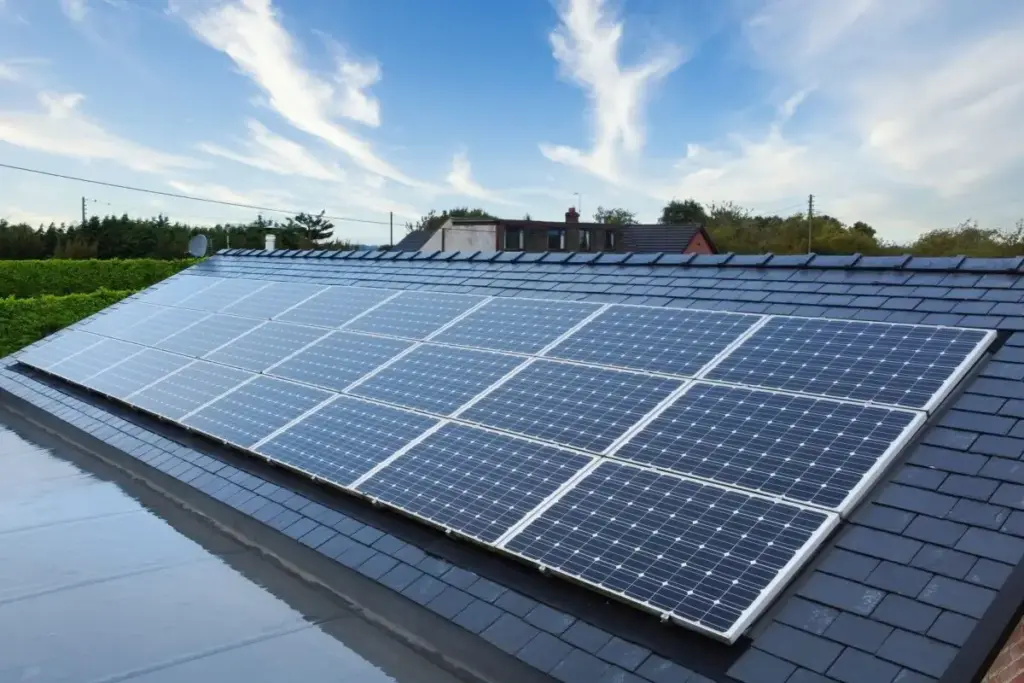
While solar panels are becoming common, battery storage systems are not yet mandatory. However, battery storage increases self-consumption and export opportunities, and should be considered by homeowners as an upgrade.

Benefits of Battery Storage:
- Store energy during the day for use at night.
- Sell surplus energy to the grid at peak prices (up to 30p/kWh with time-of-use tariffs).
- Enhance energy independence and reduce grid reliance.
Market Trends: Rapid Growth in Solar Adoption
- Solar adoption in new builds is expected to rise sharply as the FHS is implemented.
- Industry experts predict that by 2027, solar panels will be mandatory on nearly all new homes in England.
- The move aligns with growing consumer awareness of energy efficiency and carbon reduction.
Experts suggest the integration of solar is now essential for future-proofing properties.
Risks and Policy Uncertainty
Despite strong momentum, challenges remain.
Key Considerations:
- Minimal installations: Developers may install minimal systems to meet regulations without offering the best energy solutions for buyers.
- Regulatory delays: The full implementation of the FHS could face delays, or certain exemptions may apply.
- Cost uncertainty: Solar installation prices may fluctuate depending on material availability and policy changes.
Related Links
Real Estate Value: Does Installing Solar with Government Loans Increase Your Home’s Resale Price?
Snow vs. Solar: Top 2026 Tools to Clear Your Panels Without Voiding Your Warranty
Expert Perspectives
Energy and housing professionals emphasize that integrating solar into new builds offers a long-term return on investment for both developers and homebuyers. One industry expert stated:
“Integrating solar as part of the building fabric, rather than an add-on, is the future of construction. It reduces long-term energy costs and boosts property appeal.”
FAQs
Are solar panels mandatory for all new builds in 2026?
Not yet, but mandatory solar is expected by 2027 under the Future Homes Standard.
How much can buyers save with solar?
Homeowners can expect £500–£1,000 annually on energy bills, plus potential SEG payments for exporting energy.
Do solar panels require planning permission?
Typically no, unless the property is in a conservation area or listed building.
Should I upgrade to include battery storage?
Yes, especially if you want to maximize savings and increase energy independence.