The UK is preparing to introduce plug-in solar UK systems through major retailers such as Lidl and Amazon, allowing households to purchase solar panels and begin generating electricity within minutes.
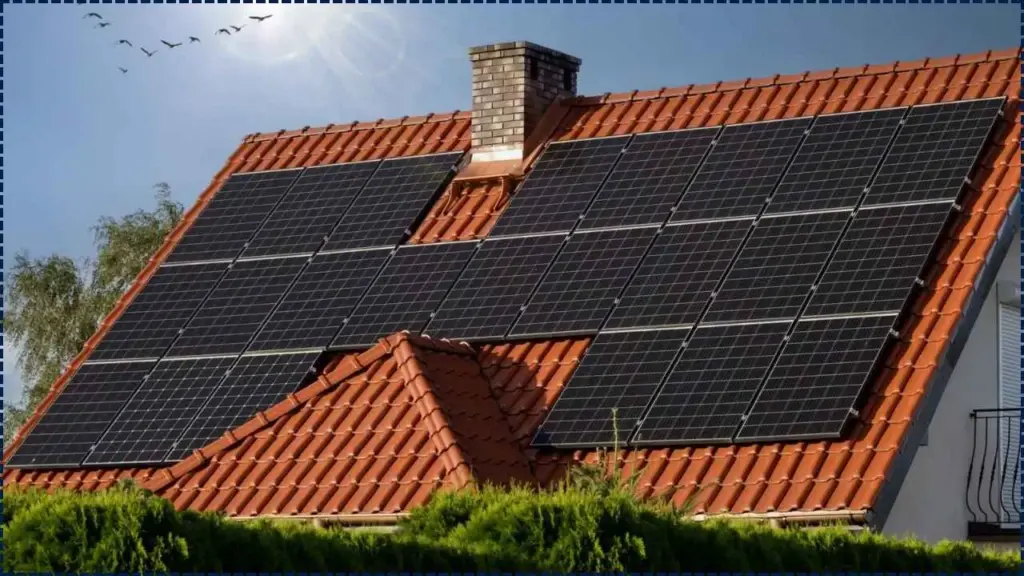
Backed by regulatory changes expected in 2026, the initiative aims to lower barriers to renewable energy adoption and help consumers reduce rising electricity costs without professional installation.
Plug-in Solar UK
| Key Fact | Detail |
|---|---|
| Retail Launch | Lidl & Amazon expected to sell systems |
| Typical Price | Around £400 per unit |
| Setup | Plug into standard socket |
| Savings | £70–£110 annually |
| Output | Up to ~800W |
The rise of plug-in solar UK systems represents a major shift in energy accessibility. By placing solar panels on retail shelves, the UK is enabling households to generate electricity with unprecedented ease. While challenges remain, the technology offers a practical, affordable step toward a more decentralized and sustainable energy future.
Plug-in Solar UK: A Breakthrough in Consumer Energy Access
The emergence of plug-in solar UK systems marks a fundamental shift in how energy is generated and consumed at the household level. Traditionally, solar adoption required significant investment, professional installation, and regulatory approvals.
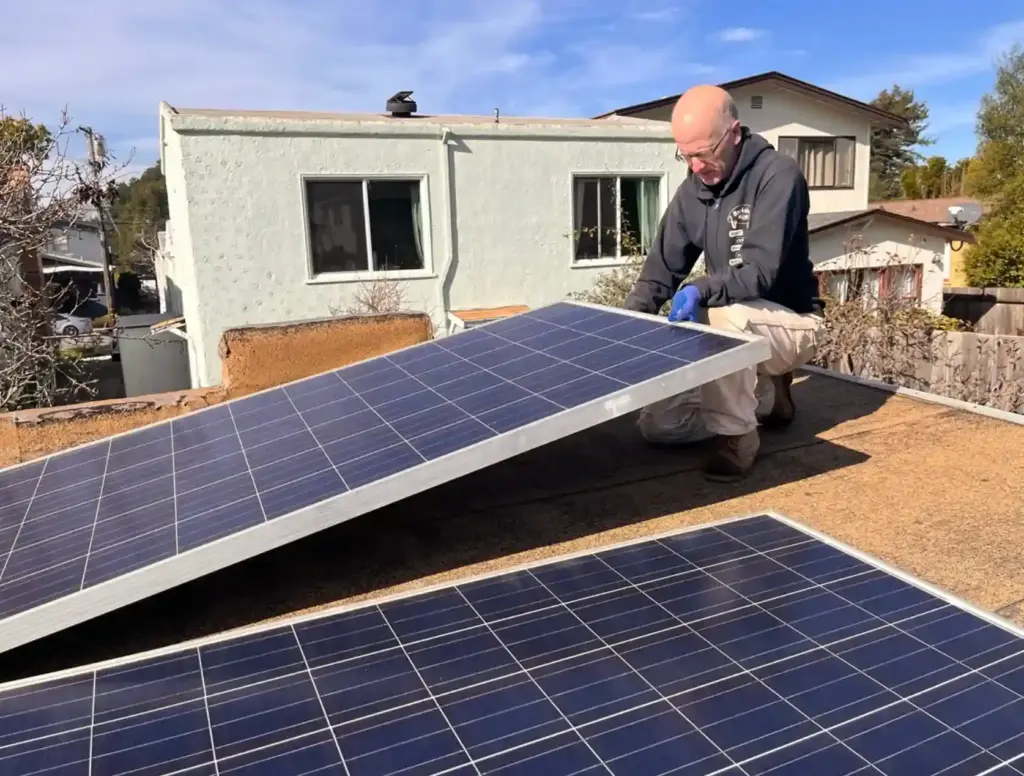
Plug-in systems eliminate these barriers. Consumers can purchase compact solar kits, install them independently, and begin generating electricity immediately.
Industry estimates indicate these systems cost around £400 and can deliver annual savings of up to £110, depending on usage and sunlight exposure.
How Plug-in Solar Works
Plug-and-Play Design
Each system typically includes:
- Photovoltaic panels
- A micro-inverter
- A standard plug connection
The inverter converts solar energy into usable electricity, which flows directly into the home’s electrical circuit.
Real-Time Energy Reduction
The generated electricity is consumed instantly by household appliances, reducing reliance on grid power.
Buy Plug-in Solar Panels at Lidl or Amazon
Retail Model Explained
The UK government is collaborating with retailers such as Lidl and Amazon to distribute plug-in solar systems directly to consumers.
This approach transforms solar from a specialist installation into a retail product.
What Buyers Will See
- Entry-level kits priced around £400.
- Compact, portable designs.
- Minimal setup requirements.
Retailers are expected to market these systems similarly to other home improvement products.
Plug-in Solar UK: From Purchase to Power
- Buy the Kit – Available in-store or online.
- Install the Panel – Place in a sunny location.
- Plug into Socket – Connect to household electricity.
- Start Generating – Immediate energy production begins.
Safety Standards and Certification
Electrical Safety Requirements
Plug-in solar systems must comply with UK electrical standards, including:
- G98/G99 grid connection standards.
- Certified inverters.
- Surge protection requirements.
Expert Guidance
Electrical engineers stress the importance of using certified equipment to avoid risks such as overheating or circuit overload. A UK safety regulator noted that “compliance with national wiring standards is essential for safe operation.”
Legal and Regulatory Considerations
Current Regulatory Changes
The UK is updating regulations to allow plug-in solar systems to connect safely to domestic circuits.
Property-Specific Rules
- Homeowners: Generally permitted under new rules.
- Renters: May require landlord approval.
- Apartments: Subject to building management policies.
Consumers are advised to verify local regulations before installation.
Lessons from Germany: A Proven Model
Germany has already adopted plug-in solar systems, known as “balcony solar.”
Key Insights from Germany
- Millions of systems installed.
- Simplified registration processes.
- Strong consumer adoption.
UK policymakers have studied this model when designing the domestic rollout.
How Much Can You Save?
Estimated annual savings range from £70 to £110.
Payback Timeline
- Typical payback: 3–5 years.
- Lifespan: 10–20 years.
Although modest, the savings are significant relative to the low upfront cost.
Plug-in Solar vs Traditional Solar
| Feature | Plug-in Solar | Rooftop Solar |
|---|---|---|
| Cost | ~£400 | £5,000–£8,000 |
| Installation | DIY | Professional |
| Output | ~800W | 3kW–10kW |
| Accessibility | High | Moderate |
Retail Strategy: Why Lidl and Amazon Are Involved
Retailers see plug-in solar as part of a growing market for sustainable home products.
Key Drivers
- Rising consumer demand for energy savings.
- Expansion of eco-friendly product lines.
- Opportunity to capture new market segments.
Industry analysts say retail distribution could accelerate adoption significantly.
Consumer Risks and Protections
Potential Risks
- Non-certified products.
- Misleading performance claims.
- Improper installation.
Consumer Advice
Experts recommend:
- Purchasing from reputable retailers.
- Checking certification labels.
- Following manufacturer instructions.
Grid Impact and Energy System Changes
Decentralized Energy Growth
Plug-in solar contributes to a shift toward distributed energy systems.
Challenges for Grid Operators
- Voltage management.
- Demand fluctuations.
- Integration of small-scale generation.
Regulators are exploring solutions such as smart grids and dynamic pricing.
The Role of Batteries and Future Integration
Plug-in solar currently operates without storage, but integration with batteries is expected.
Future Developments
- Portable battery systems.
- Smart energy management.
- Integration with electric vehicles.
This could significantly increase the value of plug-in solar systems.
Social Impact: Expanding Energy Access
Inclusion of Renters
Plug-in solar provides access to renewable energy for renters and apartment residents who were previously excluded.
Energy Independence
Households gain greater control over energy consumption and costs.
Industry and Expert Perspectives
Renewable energy experts view plug-in solar as a complementary technology. A policy analyst stated that “this approach democratizes energy production, allowing more people to participate in the transition.”
However, experts emphasize the need for strong regulation and consumer education.
Related Links
The Snow Advantage: Why Bifacial Solar Panels are a Must for Canadian Winters
Australia’s $1.00/kWh Opportunity: How Your Home Can Profit During Grid Spikes
Future Outlook
The UK government is expected to expand plug-in solar adoption through:
- Regulatory support.
- Public awareness campaigns.
- Integration with broader energy strategies.
Analysts predict that plug-in solar could become a standard household technology within the next decade.
FAQs
Can I install plug-in solar myself?
Yes, systems are designed for DIY installation.
Is it safe?
Yes, if certified equipment is used and guidelines are followed.
Can it power my entire home?
No, it supplements electricity usage.
Do renters need permission?
Often yes, depending on tenancy agreements.