
The UK has formally legalized plug-in solar systems under updated interpretations of G98 grid connection rules and BS 7671 wiring standards, allowing households to install small plug-and-play solar units.
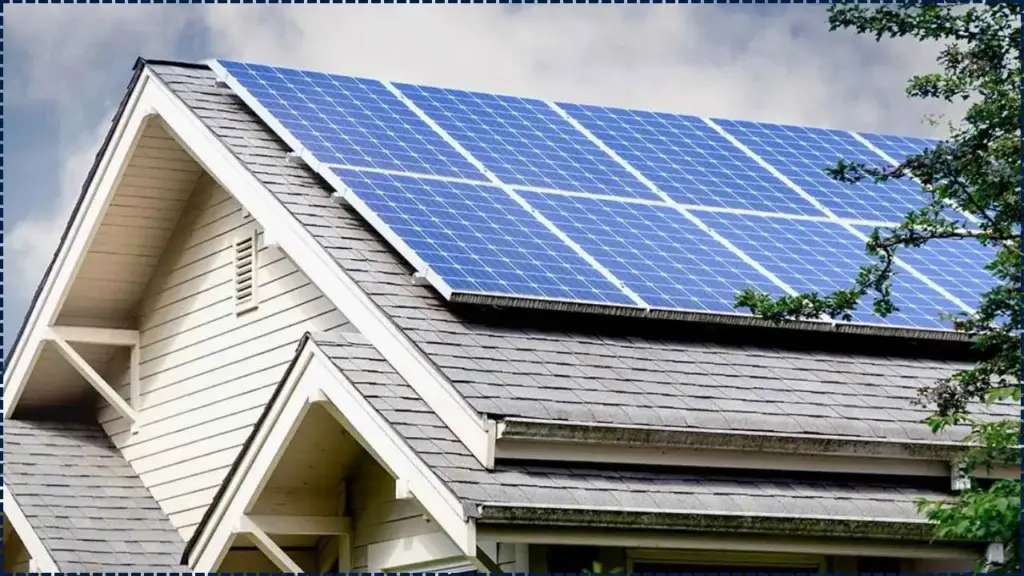
The move is expected to expand renewable energy access while maintaining strict safety, electrical, and grid compliance requirements.
Plug-in Solar is Finally Legal
| Key Fact | Detail |
|---|---|
| Legal status | Plug-in solar allowed in 2026 |
| Power limit | ~600–800W systems expected |
| Grid rule | G98 “fit and notify” applies |
| Safety standard | BS 7671 governs compliance |
The legalization of plug-in solar in the UK represents a significant step toward more accessible renewable energy. By balancing innovation with safety and regulatory oversight, the updated G98 and BS 7671 framework opens new opportunities for households while maintaining grid stability.
The coming years will determine how widely these systems are adopted and how regulations evolve in response.
What Has Changed: From Restriction to Legalization
For years, plug-in solar systems were effectively prohibited in the UK due to concerns about electrical safety and grid integrity.
Under earlier enforcement of BS 7671 wiring rules:
- Plugging generation equipment into standard sockets was not permitted.
- Installations required fixed wiring and certified electrical work.
- Risks included unsafe backfeeding and circuit overload.
In 2026, regulators clarified that small plug-in solar systems can be permitted under strict technical conditions, marking a significant policy shift. This change aligns the UK with European markets where such systems are already widely used.
Plug-in Solar is Finally Legal: How G98 Rules Enable Plug-in Solar
What Is G98?
The Engineering Recommendation G98 governs the connection of small-scale generators to the electricity grid. Key provisions:
- Applies to systems up to 3.68 kW per phase.
- Allows installation before approval (“fit and notify”).
- Requires notification to the Distribution Network Operator (DNO) within 28 days.
Plug-in solar systems fall well within this threshold.
Practical Impact for Households
Under G98:
- Installation is simplified.
- Approval timelines are reduced.
- Compliance is still required through notification.
This framework removes a major barrier to entry for small-scale solar adoption.
Understanding BS 7671: The Safety Framework
Why Plug-in Solar Was Previously Restricted
The BS 7671 (IET Wiring Regulations) ensure electrical installations are safe and properly configured. Concerns included:
- Reverse current flow into circuits.
- Overloading of domestic wiring.
- Lack of standardized plug-in generation safeguards.
What Has Changed in 2026
The updated framework allows plug-in solar under defined conditions:
- Certified micro-inverters with anti-islanding protection.
- Output limits (~600–800W).
- Verified compatibility with household circuits.
- Compliance with updated BS 7671 interpretations.
This introduces a controlled pathway for plug-in generation.
Legal Liability and Insurance Implications
Who Is Responsible?
With plug-in solar now permitted, liability shifts toward homeowners and installers. Key considerations:
- Incorrect installation could void home insurance.
- Non-compliant systems may breach electrical safety laws.
- Landlords may be responsible in rental properties.
Insurance providers are expected to update policies to address plug-in generation systems. Experts advise homeowners to ensure all systems are certified and professionally installed where required.
Smart Meters and Export Tariffs
Can You Get Paid for Plug-in Solar?
Most plug-in systems:
- Are too small to qualify for traditional export tariffs.
- May not be registered for Smart Export Guarantee (SEG) payments.
However:
- Smart meters may still record reduced consumption.
- Savings come primarily from self-consumption, not exports.
Future policy changes may expand compensation mechanisms for microgeneration.
Landlord and Tenant Considerations
Plug-in solar creates new opportunities—and challenges—for renters.
Key points:
- Tenants may need landlord permission.
- Lease agreements may restrict modifications.
- Portable systems may be allowed without permanent changes.
Housing advocates say plug-in solar could significantly expand renewable access for renters.
Market Readiness and Retail Expansion
What Will Be Available?
Retailers are expected to begin offering:
- Plug-and-play solar kits.
- Balcony mounting systems.
- Integrated inverter solutions.
Prices are projected between £400 and £1,000, making them among the most affordable solar options. Major DIY retailers and energy companies are expected to enter the market as regulations stabilize.
Financial Impact and Payback
Typical system performance:
- Output: ~600–800W.
- Annual savings: £70–£110.
- Payback period: 2–5 years.
Savings depend on:
- Electricity prices.
- System placement and sunlight exposure.
- Household consumption patterns.
Grid Impact and Industry Debate
Supporters’ View
Proponents argue plug-in solar:
- Reduces household energy bills.
- Supports decarbonization.
- Expands renewable access.
Critics’ Concerns
Some electricians and grid experts warn:
- Increased risk of circuit overload if poorly installed.
- Lack of consumer awareness about safety requirements.
- Potential strain on local distribution networks.
Regulators emphasize that strict compliance standards are essential.
Comparison with Europe
Germany and other EU countries have already embraced plug-in solar:
- Over one million installations.
- Simplified registration systems.
- Established safety protocols.
The UK’s approach is more cautious, emphasizing compliance and gradual adoption.
Installation Checklist for Consumers
Before installing a plug-in solar system, homeowners should:
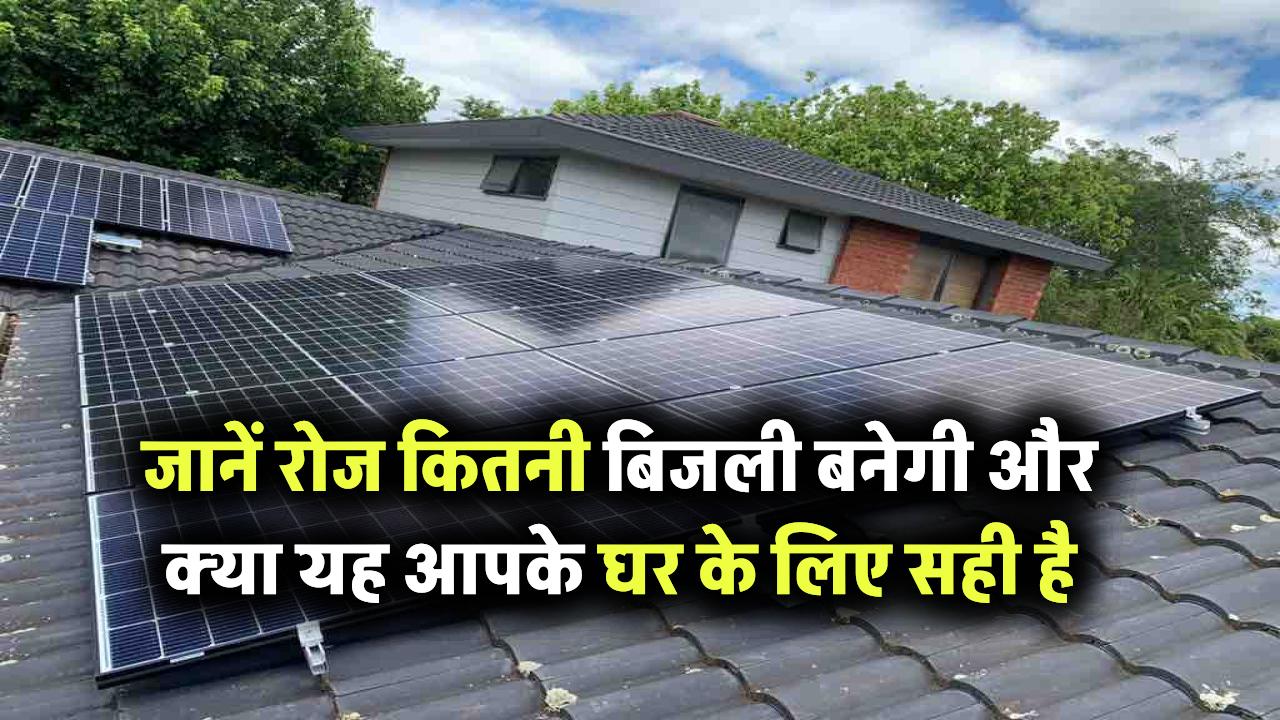
3kW Solar Panel: जानिए प्रतिदिन कितनी बिजली (Units) बनती है और क्या यह आपके घर के लिए है उपयुक्त?
- Verify product certification.
- Confirm compliance with BS 7671.
- Notify their DNO under G98.
- Ensure compatibility with household wiring.
- Check insurance implications.
This helps ensure safe and compliant installation.
Technology Trends and Future Integration
Plug-in solar is expected to evolve with:
- Integration with home battery storage.
- Smart home energy management systems.
- Dynamic electricity pricing.
Future systems may allow households to optimize energy use in real time.
Related Links
Regulatory Roadmap and Future Outlook
The 2026 legalization marks the beginning of a broader transition.
Expected developments:
- Updated wiring standards
- Expanded grid integration rules
- Potential inclusion in export tariff schemes
- Increased product standardization
Policymakers are likely to refine rules as adoption grows.
FAQs
Are plug-in solar panels fully legal in the UK?
Yes, under 2026 regulatory updates, they are permitted if compliant with G98 and BS 7671.
Do I need permission before installing?
No, but you must notify your Distribution Network Operator after installation.
Can renters install plug-in solar?
Possibly, but landlord approval may be required.
Will I get paid for exported electricity?
Not usually, as systems are designed for self-consumption rather than export.