
The UK’s £15bn Warm Homes Plan is set to transform household energy use in 2026, offering free solar panels and battery systems to eligible households while extending loans and grants to others.
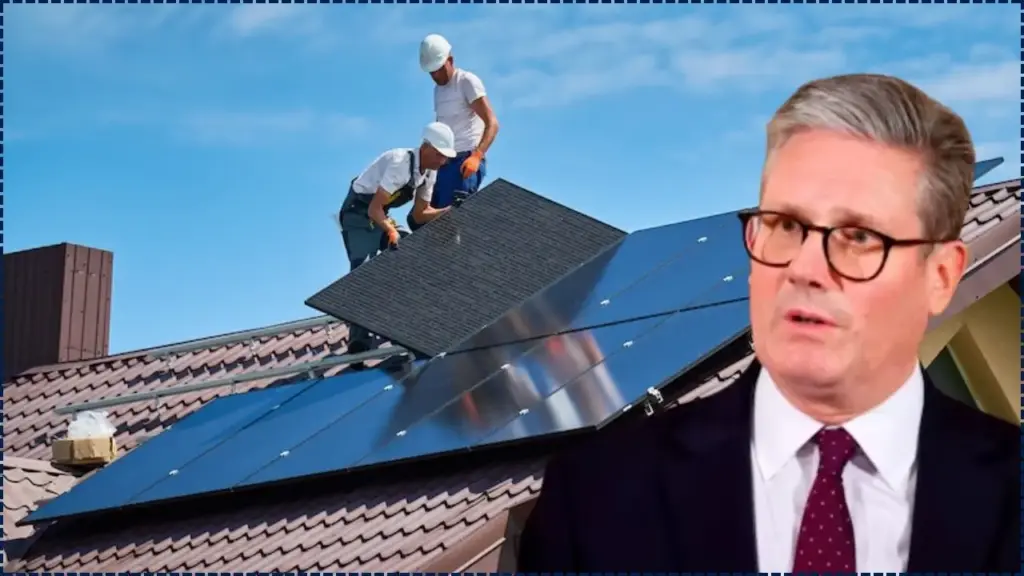
The initiative aims to reduce energy bills, tackle fuel poverty, and accelerate the country’s transition toward a low-carbon energy system.
UK’s £15bn Warm Homes Plan
| Key Fact | Detail / Statistic |
|---|---|
| Total funding | £15 billion |
| Target homes | Up to 5 million by 2030 |
| Free upgrades | Low-income households prioritized |
| Technologies | Solar, batteries, heat pumps |
UK’s £15bn Warm Homes Plan Explained
The UK’s £15bn Warm Homes Plan represents one of the largest residential energy upgrade initiatives in Europe. It combines financial support, regulatory changes, and infrastructure investment to modernize housing stock and reduce energy demand. The program includes:
- Solar panels and battery storage
- Heat pumps and insulation upgrades
- Grants and government-backed loans
Officials say the plan is central to the UK’s long-term energy and climate strategy.
Timeline: How the Plan Rolls Out (2026–2030)
Phase 1: Initial Expansion (2026–2027)
- Focus on low-income households
- Rapid deployment of free upgrades
- Establishment of delivery agencies
Phase 2: Scaling Up (2027–2029)
- Expansion to middle-income households
- Increased loan-based participation
- Workforce and supply chain growth
Phase 3: Market Transition (2029–2030)
- Gradual reduction of subsidies
- Transition toward self-sustaining market
This phased approach is designed to balance speed with long-term sustainability.
Who Qualifies for Free Solar and Batteries?
Fully Funded Support
Households in fuel poverty or receiving certain benefits may qualify for:
- Free solar panels
- Battery storage systems
- Additional efficiency upgrades
These measures aim to reduce bills and improve living conditions.
Role of Local Authorities
Local councils will identify eligible households and coordinate installations. Delivery may vary depending on regional resources and housing conditions.
Regional Inequality: The North–South Divide
Energy inefficiency is often higher in northern regions due to older housing stock and colder climates. As a result:
- Northern households may benefit more from upgrades
- Regional disparities in rollout speed may emerge
Policy experts stress the importance of equitable distribution.
What If You Don’t Qualify for Free Systems?
Loans and Financial Support
Middle-income households can access:
- Low-interest or zero-interest loans
- Flexible repayment plans
These options aim to expand access beyond the most vulnerable groups.
Technologies Included
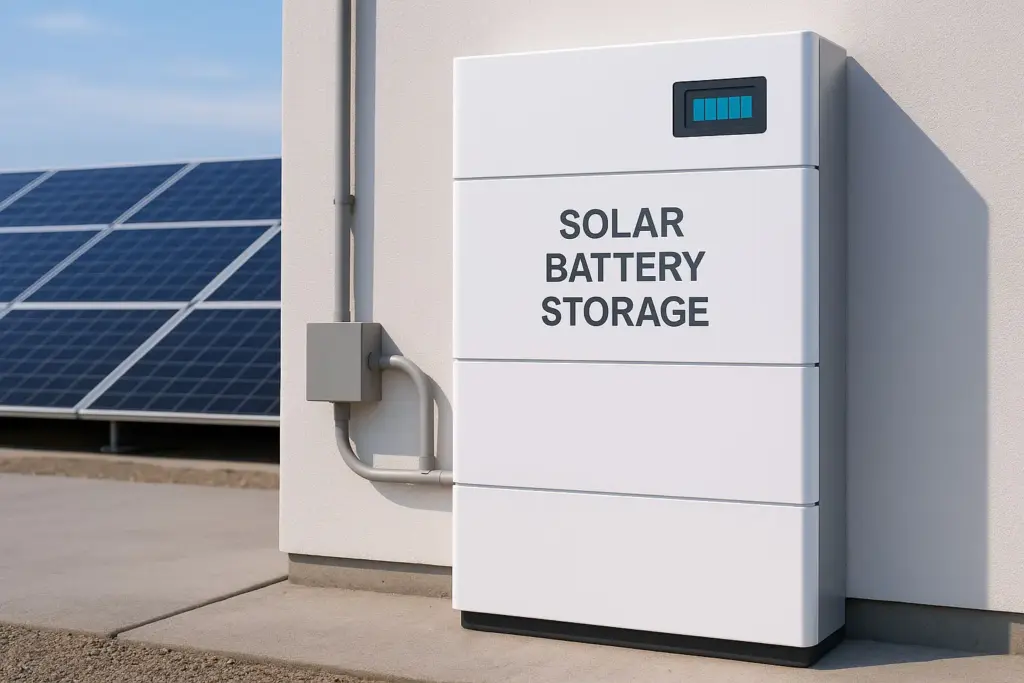
Solar Panels and Battery Storage
Solar panels generate electricity, while batteries store excess energy for later use. This reduces reliance on grid electricity.
Heat Pumps and Insulation
These upgrades improve overall efficiency, lowering energy consumption.
Export Payments and Grid Revenue
Households with solar panels can benefit from the Smart Export Guarantee (SEG), which pays for excess electricity exported to the grid. This creates an additional income stream, improving the financial case for installation.
Cost-Benefit Analysis: Long-Term Value
Short-Term Benefits
- Immediate reduction in energy bills
- Lower reliance on grid electricity
Long-Term Benefits
- Increased property value
- Reduced exposure to energy price volatility
- Potential income from exported energy
Payback periods vary depending on system size and usage patterns.
Retrofit Challenges in UK Housing
The UK has one of Europe’s oldest housing stocks, creating challenges for upgrades. Issues include:
- Structural limitations for solar installation
- Insulation constraints
- Complex retrofitting requirements
These factors may increase costs and slow rollout.
Workforce and Supply Chain Constraints
Installer Shortages
Scaling the program requires a significant expansion of skilled labor.
Supply Chain Pressure
High demand for components may lead to delays or price increases. Industry groups emphasize the need for coordinated planning.
Public Perception and Adoption Trends
Public interest in renewable energy has increased, driven by rising energy costs. However, adoption barriers remain:
- Complexity of application processes
- Lack of awareness
- Concerns about disruption during installation
Landlord Rules and Rental Market Impact
New Standards
Landlords may be required to meet higher energy efficiency standards.
Market Effects
This could improve housing quality but may also influence rental prices.
Data Privacy and Smart Energy Systems
Smart meters and connected energy systems raise questions about data privacy. Experts highlight the need for:
- Transparent data policies
- Strong cybersecurity measures
Fraud Risks and Consumer Protection
Large-scale programs can attract scams. Consumers should:
- Use certified installers
- Verify official communications
- Avoid unsolicited offers
Government oversight is expected to mitigate risks.
Environmental and National Strategy
The Warm Homes Plan supports the UK’s net-zero targets by:
- Reducing carbon emissions
- Increasing renewable energy adoption
It also enhances energy security by reducing reliance on imported fuels.
International Comparison
The UK’s approach aligns with global trends:
- Germany: Subsidies for solar and storage
- United States: Federal tax credits
- Australia: Battery rebate programs
These policies reflect a global shift toward residential clean energy.
Political Risks and Policy Continuity
Large-scale programs depend on long-term political support. Changes in government or policy priorities could:
- Alter funding levels
- Delay implementation
- Affect eligibility criteria
Policy stability will be critical for success.
Risks and Challenges
Key risks include:
- Uneven rollout across regions
- Workforce shortages
- Awareness gaps
- Infrastructure limitations
Addressing these challenges will determine program effectiveness.
Related Links
Missed the Solar Grant? Why the Canada Greener Homes Loan is Your Best Move Now
Canada’s $40,000 Interest-Free Solar Loan: How to Apply and Qualify in 2026
Future Outlook
The UK’s £15bn Warm Homes Plan is expected to reshape residential energy systems by 2030. Analysts say the program could significantly reduce energy costs and emissions.
“The challenge is not just delivering upgrades, but ensuring they reach those who need them most,” said an energy policy expert.
FAQs
Who qualifies for free solar panels?
Low-income households and those in fuel poverty.
Can others still get support?
Yes, through loans and grants.
How long will the program run?
Until 2030, with phased implementation.