
Chinese researchers have reported a significant advance in China’s New Polymer Cells technology, unveiling polymer solar cells that achieve 19.1% power conversion efficiency while demonstrating operational stability that could extend beyond 100,000 hours.
The development addresses one of the most persistent challenges in organic photovoltaics: balancing efficiency with long-term durability.
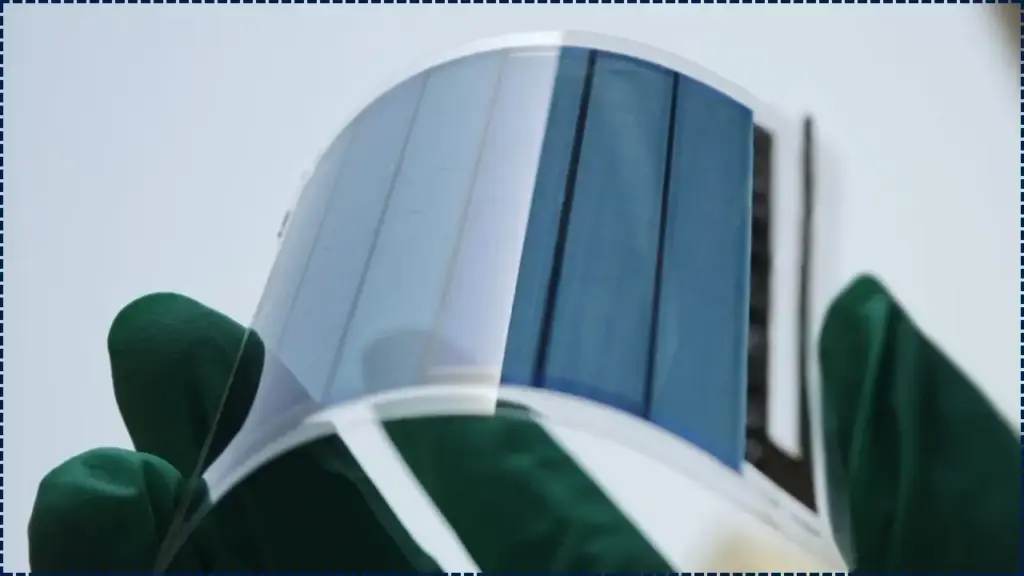
The research team, led by scientists at Wuhan University of Technology, said the cells retained approximately 97% of their initial performance after 2,000 hours of continuous illumination in air. Based on degradation modeling, the projected operational life could exceed a decade under normal use conditions.
This breakthrough marks a potential shift in the field of organic photovoltaics (OPVs), traditionally held back by issues like short lifespans and lower efficiency compared to traditional silicon cells. These new polymer cells, however, offer both improved efficiency and extraordinary longevity — a combination that may make them viable for a wider range of commercial applications.
China’s New Polymer Cells
| Key Metric | Result |
|---|---|
| Power Conversion Efficiency | 19.1% |
| Stability Retention | ~97% after 2,000 hours |
| Projected Operational Life | >100,000 hours (modeled) |
| Technology Class | Polymer-based organic photovoltaics |
Understanding China’s New Polymer Cells and Polymer Solar Cells
Polymer solar cells belong to the broader category of organic photovoltaics (OPVs), which use carbon-based semiconducting materials rather than crystalline silicon. Unlike rigid silicon modules, polymer cells can be lightweight, flexible, and potentially manufactured using roll-to-roll printing processes.
For decades, researchers have pursued China’s New Polymer Cells solutions that combine high efficiency with mechanical flexibility. While laboratory efficiencies for polymer devices have steadily improved, stability has remained a critical barrier to commercial deployment.
According to the International Energy Agency (IEA), crystalline silicon continues to dominate global solar markets with commercial efficiencies exceeding 22% and module lifetimes often surpassing 25 years. Organic technologies, by contrast, have struggled with material degradation under heat, light, and oxygen exposure.
The Efficiency Milestone
The reported 19.1% efficiency places the Chinese device among the highest-performing polymer solar cells documented in peer-reviewed literature.
Power conversion efficiency (PCE) measures how effectively a solar cell converts sunlight into electricity under standardized conditions. For organic photovoltaics, crossing the 19% threshold represents a notable technical milestone.
In a statement summarizing the findings, the research team explained that they improved charge transport and reduced molecular disorder within the active layer. By optimizing donor-acceptor interactions at the nanoscale, they achieved better photon absorption and electron mobility.
“This approach enhances both charge separation and long-term structural stability,” the authors noted in the published study.
Stability: The Long-Standing Challenge
While efficiency gains have attracted headlines in recent years, durability has often limited polymer solar cells to laboratory environments. Organic materials can degrade when exposed to ultraviolet radiation, oxygen, and thermal stress. These effects reduce device lifespan and compromise performance.
In the current study, researchers reported that their device retained 97% of its initial efficiency after 2,000 hours of testing in ambient air conditions without full encapsulation. Using established degradation models, they estimated a potential operational life exceeding 100,000 hours.
Energy materials expert Dr. Michael McGehee of Stanford University, who was not involved in the study, has previously noted in academic commentary that “stability is the defining factor for commercialization of organic photovoltaics.”
Material Engineering and KW2 Nanostructure Optimization
The researchers attributed the performance to refined KW2 nanostructure engineering within the photoactive layer. By blending a carefully selected small-molecule acceptor into the polymer matrix, they achieved tighter molecular packing and reduced phase separation.
This molecular alignment improved charge transport pathways while limiting defect formation. Defects are a common source of degradation in polymer systems.
The team used advanced spectroscopy and microscopy techniques to confirm improved crystallinity and lower recombination losses. These measurements suggest that the enhanced architecture reduces energy dissipation during operation.
Manufacturing Potential and KW3 Scalability
One advantage of polymer solar technology is its compatibility with low-temperature processing. Unlike silicon wafers that require energy-intensive fabrication, polymer films can be deposited on flexible substrates using solution-based techniques.
Industry analysts say KW3 scalability remains a critical factor. Laboratory-scale success does not guarantee commercial viability. Manufacturing uniformity, cost of raw materials, and environmental resilience must be proven at scale.
The National Renewable Energy Laboratory (NREL) has emphasized in technical reviews that bridging the gap between lab efficiency and industrial production is often the most difficult step for emerging photovoltaic technologies.
Competition with Silicon and Perovskites
The solar industry is currently dominated by crystalline silicon modules, which combine high efficiency with long operational life. However, next-generation materials, including perovskites and organic photovoltaics, are under active development.
Perovskite solar cells have demonstrated laboratory efficiencies above 25%, but stability challenges remain under commercial stress conditions.
Polymer solar cells offer unique advantages, particularly in applications requiring flexibility or lightweight integration. Building-integrated photovoltaics (BIPV), wearable electronics, and portable power systems are potential markets.
“The question is not whether polymer cells replace silicon, but where they complement it,” said a renewable energy analyst at BloombergNEF during a recent industry briefing.
Environmental and Lifecycle Considerations
Another factor shaping China’s New Polymer Cells research is environmental impact. Polymer solar cells can use less energy-intensive production processes than silicon. Lower manufacturing temperatures reduce embedded carbon emissions.
However, lifecycle assessments must evaluate durability, recyclability, and material sourcing. Organic semiconductors may contain complex chemical components that require careful disposal.
Researchers involved in the study stated that future work will examine encapsulation strategies and environmental resistance to humidity and temperature cycles.
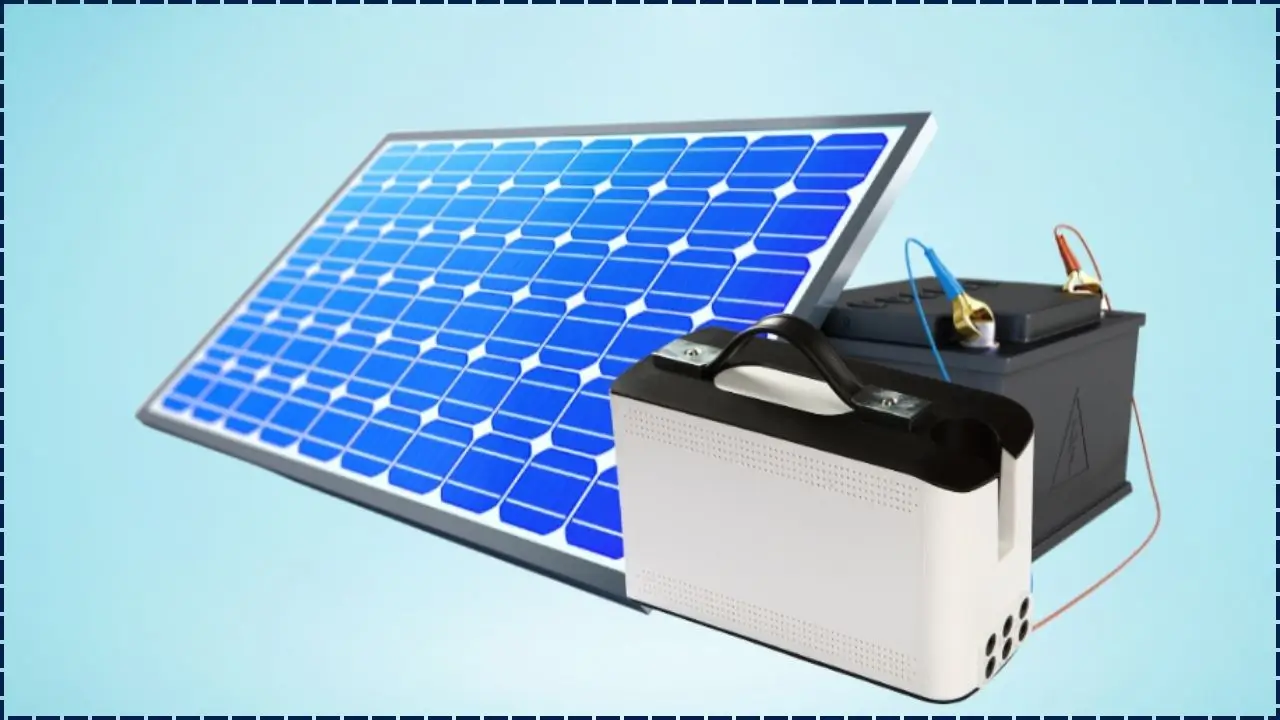
Rising US Utility Rates: Why Solar + Battery is the Ultimate 'Escape Hatch' from Grid Inflation
Global Implications
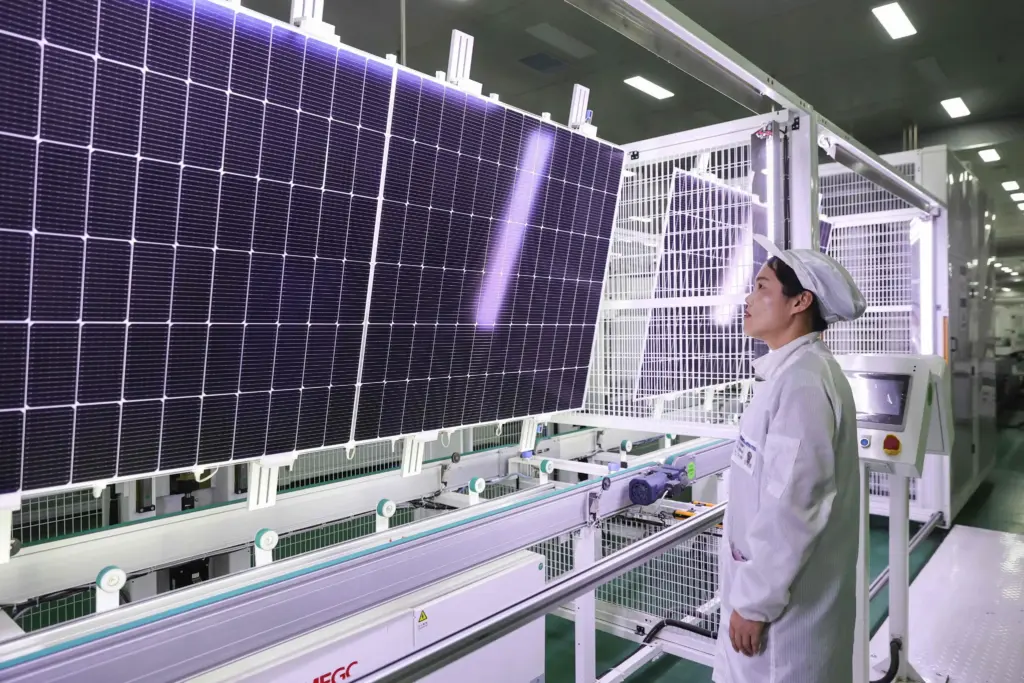
China leads the world in solar manufacturing capacity and photovoltaic deployment. According to the IEA, the country accounts for more than 80% of global solar panel production.
Breakthroughs in polymer photovoltaics could further strengthen China’s influence in emerging solar segments. If commercialized, ultra-stable flexible modules could open new export markets.
Yet international competition remains strong. Research institutions in Europe, the United States, South Korea, and Japan are pursuing similar advancements in organic photovoltaics.
Related Links
Caution and Next Steps
Experts caution that projected lifetime estimates rely on accelerated aging models rather than decade-long field data. Real-world stress factors, including humidity fluctuations and temperature cycling, can alter degradation rates.
Further peer validation and third-party certification will be necessary before the technology can move toward commercialization.
The research team indicated that scaling prototypes and conducting outdoor field trials are priorities for the next development phase.
Outlook for China’s New Polymer Cells Innovation
The 19.1% efficiency milestone, combined with long-term stability modeling, signals progress in addressing the dual barriers of performance and durability.
While silicon remains dominant, polymer solar cells are advancing steadily. Continued innovation in KW4 material chemistry, nanostructure control, and encapsulation techniques may determine whether these devices transition from laboratory demonstrations to commercial products.
For now, the breakthrough underscores the pace of photovoltaic research and the expanding diversity of solar technologies shaping the global energy landscape.