The 33% solar slump in the United States marks a pivotal shift in the residential solar market. As financing challenges tighten, interest rates rise, and major policy changes reduce incentives, many consumers are now reconsidering solar investments.
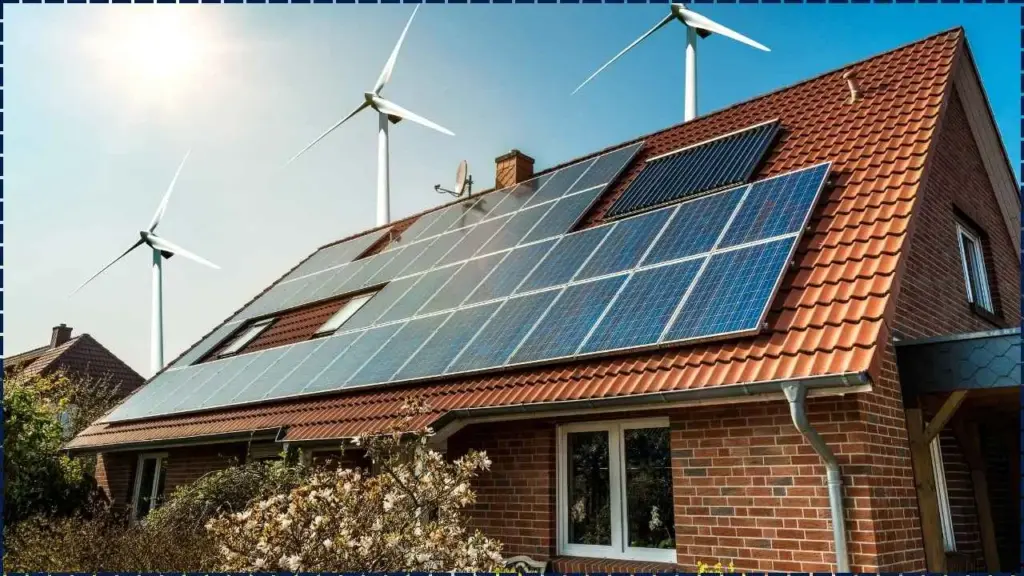
After a decade of rapid growth, the sector faces a period of uncertainty.
The 33% Solar Slump
| Key Fact | Detail/Statistic |
|---|---|
| Residential solar drop | ~31–33% decline in installations in 2024 |
| Financing challenges | Solar loan defaults rising, credit tightening |
| Federal tax credit | 30% residential ITC expired 2025 |
| Market outlook | 2026 installations projected to remain below pre-2024 peak |
The 33% slowdown in U.S. residential solar demand highlights the convergence of financing hurdles, policy shifts, and rising costs. While the industry faces short-term adjustments, the future of solar remains robust as technology improves, policy stabilizes, and the demand for cleaner energy rises.
The Residential Solar Slowdown Explained
After nearly a decade of consistent growth, the U.S. residential solar market is experiencing a slowdown, with a 33% drop in installations from 2024 to 2025. According to the Solar Energy Industries Association (SEIA) and Wood Mackenzie, the decline is driven by a combination of higher financing costs, reduced tax incentives, and evolving state policies on solar export compensation.
“Financing is the main hurdle now,” said an analyst at SEIA. “As interest rates rise, fewer homeowners can afford to take on new solar loans.”
Financing Hurdles Are a Critical Factor
Rising Interest Rates and Loan Availability
For years, the low cost of financing solar systems was a major driver behind the rapid growth of the U.S. residential market. However, with interest rates increasing across the board—both for consumers and commercial lenders—solar loans have become more expensive, reducing affordability for many homeowners.
Additionally, credit tightening has made it more difficult for some homeowners to secure solar loans, especially in less affluent areas. Installers have noted a significant drop in loan uptake, with consumers opting for smaller systems or holding off entirely.
Increasing Defaults and Risk in Solar Loan Markets
As financing costs rise, defaults on solar-backed securities are increasing. Lenders are becoming more cautious, raising the bar for loan approvals. This, in turn, reduces the overall available capital for residential solar projects, exacerbating the slowdown.
“Banks are pulling back from the solar loan market because of increasing risk,” said a financial analyst specializing in renewable energy loans.
Policy Shifts Dampen Incentives
The Expiration of the Federal Tax Credit
Perhaps the most significant change in 2025 was the expiration of the 30% federal solar tax credit for residential installations. This incentive had been a cornerstone of U.S. solar adoption for nearly two decades, and its expiration has caused a spike in upfront system costs for homeowners.
Without the tax credit, the payback period for solar systems has extended, making it harder to justify the investment, particularly for households with tighter budgets.
Net Metering and State-Level Adjustments
Beyond federal tax changes, several states have reduced net metering credits or switched to net billing, where exported energy is compensated at a lower rate than the electricity consumers pay for.
In Texas, Florida, and other states, the financial benefits of exporting energy to the grid have diminished, undermining one of the key selling points of residential solar.
Rising Installation Costs
In addition to financing and policy changes, installation costs have been climbing.

Tariffs and Supply Chain Disruptions
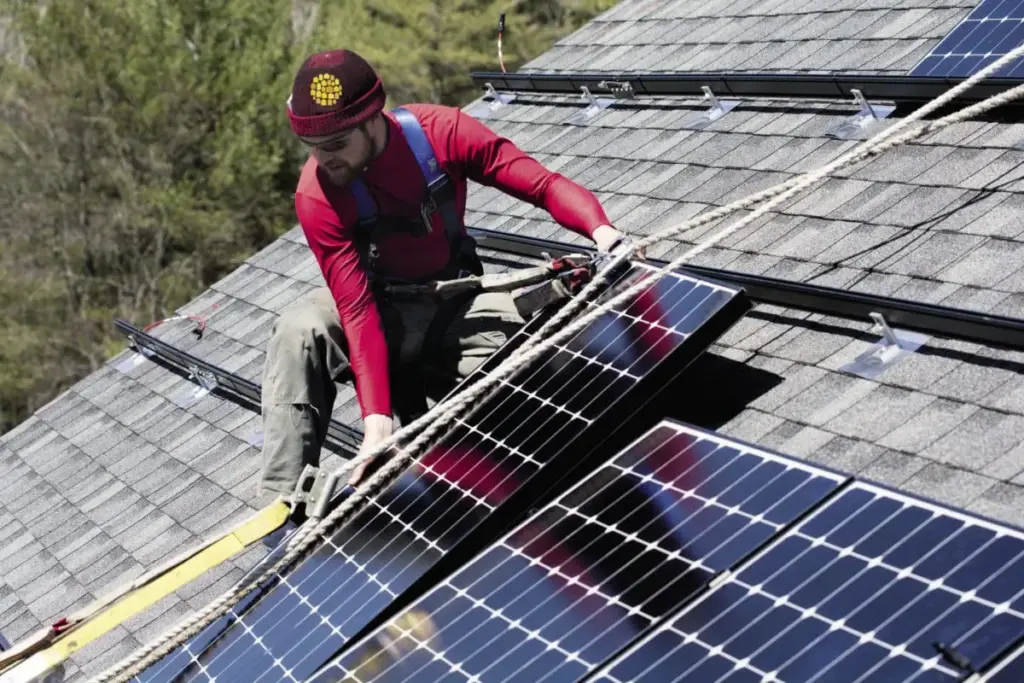
New tariffs on solar panels and components, along with ongoing supply chain disruptions, have driven up the price of materials. Aluminum tariffs, in particular, have affected the cost of racking systems used in installations.
These increased material costs are passed onto consumers, further reducing the attractiveness of solar as a cost-saving solution.
Labor Shortages and Rising Wages
Labor shortages in the solar sector have also added to the cost pressures. Many solar installation companies have reported difficulty in finding skilled workers, which has led to higher wages and longer installation times.
Industry Impact—Layoffs and Consolidation
The slowdown is already causing consolidation and layoffs within the solar industry. Several large installation companies have cut jobs, restructured operations, or pivoted to focus on new business models like solar leasing and battery storage installations.
Job Cuts and Restructuring
Many installers, particularly smaller ones, have faced bankruptcy or acquisition. Larger players are consolidating market share by acquiring smaller firms, reshaping the competitive landscape.
“Smaller companies simply can’t compete with rising costs and diminishing incentives,” said a CEO of a mid-sized solar installation firm in California.
Shift Toward New Business Models
As the market stagnates, solar companies are exploring new revenue streams:
- Solar leasing: Homeowners pay monthly fees for solar power without owning the system.
- Energy-as-a-Service: A subscription model that bundles solar and storage solutions.
These models aim to make solar more affordable upfront but come with their own set of trade-offs in terms of long-term savings.
Self-Consumption and Batteries as a Strategic Response
Maximizing Value through Self-Consumption
With export compensation becoming less attractive, homeowners are increasingly turning to self-consumption. By using solar power directly—during daylight hours—homeowners can avoid buying high-priced electricity from the grid.
The Role of Battery Storage
Battery systems are becoming essential as they allow homeowners to store excess solar energy for later use, reducing dependence on the grid during peak demand hours.
“Energy storage is not just a luxury anymore,” said a solar installer in Arizona. “It’s becoming a requirement for maximizing savings.”
Equity and Access Considerations
The slowdown disproportionately impacts low-income households, as they often face the highest upfront costs and limited access to financing. Without strong incentives or affordable financing options, the adoption of solar among lower-income communities could stagnate, widening the adoption gap.

Regional Variations in Solar Slowdown
The 33% slowdown is not uniform across the U.S. Regional differences, including policy, financing options, and local energy markets, significantly affect adoption rates:
- California: Although adoption has slowed, the state’s commitment to solar, with a high rate of installations and energy demand, means that growth will continue at a slower pace.
- Texas & Florida: Policy changes related to net metering and reduced export value have cooled growth, but new incentives for storage and energy independence may sustain a level of interest.
- Midwest & Southeast: Areas with lower electricity costs still show potential, though regional adoption remains more limited.
Long-Term Outlook for U.S. Solar
Despite short-term challenges, analysts remain optimistic about solar’s long-term role in the U.S. energy mix:
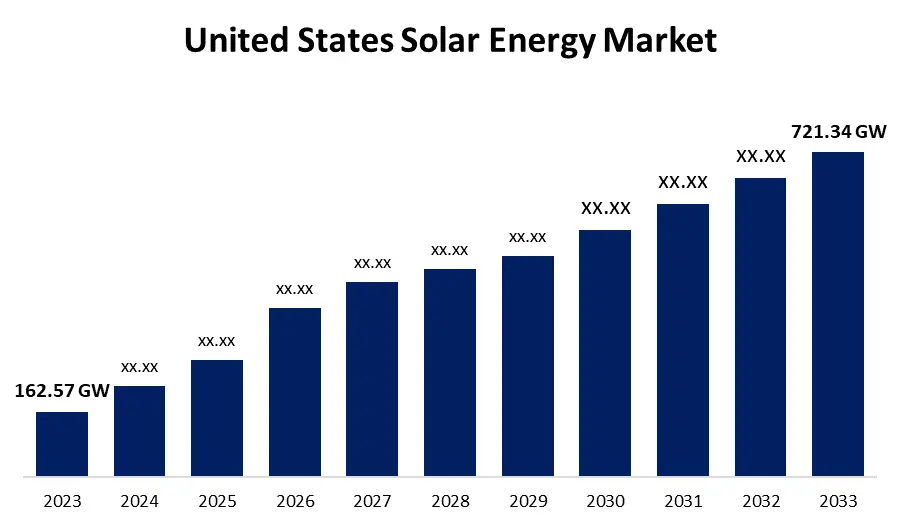
- Solar accounted for 79% of new U.S. energy capacity in 2025.
- The rise of electric vehicles and electrification will continue to drive electricity demand, supporting long-term growth for solar and storage.
“We’re going through a tough patch, but the fundamentals of the market are still solid,” said an energy policy researcher. “Once the financial and policy environment stabilizes, the market will rebound.”
Related Links
NSW Battery Incentive 2026: How to Claim Your $2,400 Rebate Today
How Your Home Can Earn Money as a Power Station: The Rise of VPPs in Australia
What Homeowners Should Consider
For those interested in solar, it’s important to adapt to the new realities:
- Financing: Explore various loan and leasing options. Shop around to secure the best terms.
- Energy policies: Understand your state’s net metering rules and how they affect savings.
- Self-consumption: Optimize solar usage to maximize savings, particularly with battery storage systems.
FAQs
Why is the U.S. residential solar market slowing?
Financing challenges, expired federal incentives, and policy shifts on net metering are causing a slowdown.
Is solar still worth it in 2026?
Yes, especially when combined with energy storage and optimized for self-consumption.
How do policy shifts affect ROI?
Decreased export compensation and the loss of tax credits have increased payback periods.
Are batteries necessary now?
Yes, batteries are increasingly important for maintaining solar savings and energy independence.