
The USDA REAP 2026 program is offering farmers and rural small businesses federal grants covering up to 50% of solar project costs, significantly expanding clean energy support in rural America.
Backed by the U.S. Department of Agriculture (USDA) and enhanced through recent federal legislation, the program aims to reduce energy costs, strengthen farm resilience, and accelerate renewable energy adoption across the agricultural sector.
USDA REAP 2026
| Key Fact | Detail |
|---|---|
| Grant Coverage | Up to 50% of project cost |
| Loan Guarantee | Up to 75% financing support |
| Max Grant | Up to $1 million for renewable systems |
| Program Expansion | Boosted by Inflation Reduction Act funding |
What Is USDA REAP 2026?
The Rural Energy for America Program (REAP) is a federal initiative administered by the U.S. Department of Agriculture (USDA) to support renewable energy and energy efficiency investments in rural communities. The program targets:
- Agricultural producers earning at least 50% of income from farming
- Rural small businesses located in eligible areas
Under USDA REAP 2026, applicants can receive:
- Direct grants covering up to 50% of costs
- Loan guarantees covering up to 75%
- Combined financing packages
Eligible technologies include solar photovoltaic systems, wind turbines, biomass systems, and efficiency upgrades. Solar projects dominate the program due to their scalability and declining installation costs.
How USDA REAP Evolved to 50% Funding
Early Program Structure
REAP was established under the 2008 Farm Bill and historically offered grants covering up to 25% of project costs.
Expansion Under Federal Climate Policy
Funding increased significantly after the Inflation Reduction Act (IRA), which allocated billions of dollars to rural energy programs. The law temporarily raised grant funding levels to as much as 50%, doubling previous support.
Energy policy experts say this change has fundamentally altered project economics. “Higher grant levels significantly reduce capital barriers for rural applicants,” according to energy policy research from national laboratories and federal agencies.
Why Solar Is the Primary Focus
Solar energy has become the dominant technology within USDA REAP 2026 for several reasons:
- Predictable energy generation
- Lower installation costs compared to other renewables
- Minimal maintenance requirements
- Compatibility with farm operations
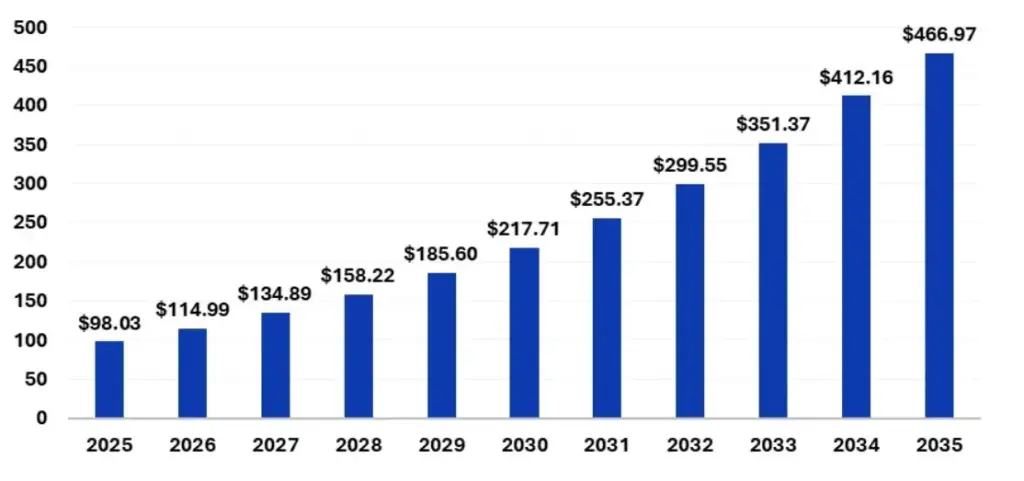
According to USDA-supported data, solar projects account for roughly 70% or more of REAP-funded systems.
How Farmers Use REAP-Funded Solar Systems
Solar installations funded through REAP are typically designed to offset on-site electricity demand. Common applications include:
- Irrigation and water pumping systems
- Dairy milking operations
- Poultry and livestock facilities
- Refrigeration and cold storage
- Grain drying equipment
Reducing electricity costs is particularly important for farms, where energy expenses can fluctuate significantly due to fuel prices and seasonal demand.
Real Financial Example: Project Economics
Consider a mid-sized farm installing a $300,000 solar system.
Without REAP
Total cost: $300,000
With REAP Grant (50%)
- Grant: $150,000
- Remaining cost: $150,000
Additional Incentives
- Federal solar Investment Tax Credit (ITC): ~30% of remaining cost
- Accelerated depreciation (MACRS): additional tax benefits
Final Effective Cost
Estimated net cost: $90,000–$120,000
This represents a total cost reduction of up to 60–70%, depending on tax circumstances.
Payback Period and Return on Investment
Solar investments funded through USDA REAP 2026 often achieve faster payback periods than traditional energy projects.
Typical Payback:
- Without incentives: 10–15 years
- With REAP + tax benefits: 4–7 years
After the payback period, electricity generated by the system effectively becomes low-cost or free. Financial institutions increasingly view REAP-backed projects as low-risk investments due to predictable savings.
Application Process
Applying for USDA REAP 2026 requires several steps:
1. Eligibility Verification
Applicants must confirm rural location and income requirements.
2. Energy Audit or Assessment
Projects require technical evaluation to demonstrate feasibility.
3. Application Submission
Applicants submit financial, technical, and environmental documentation.
4. USDA Review
Projects are scored based on energy savings, feasibility, and impact.
5. Award and Implementation
Approved applicants receive funding and begin installation. Because of the complexity, many applicants work with consultants or renewable energy developers.
Real Farmer Case Example
A dairy farmer in Wisconsin installed a solar system using REAP funding to offset electricity used in milking operations. Before installation:
- Annual electricity cost: $40,000
After installation:
- Energy cost reduced by approximately 60%
With REAP funding and tax credits, the system’s payback period was reduced to less than six years. Cases like this illustrate how solar investments can improve farm profitability.
Strong Demand and Funding Competition
Demand for REAP funding has surged in recent years. According to USDA data:
- Applications often exceed available funding by a significant margin
- Thousands of projects compete in each funding cycle
This has made the program highly competitive. Some application windows have experienced delays due to processing volume.
Policy Debate: Energy vs Agriculture Land Use
The expansion of solar energy on farmland has raised policy concerns.
Government Position
The USDA has emphasized the need to balance renewable energy development with food production. Officials have increased scrutiny of large solar installations on prime farmland.
Industry Perspective
Some renewable energy advocates argue that restrictions could limit opportunities for farmers. They note that solar projects can provide:
- Additional income streams
- Land diversification
- Long-term financial stability
This debate reflects broader tensions in U.S. energy and agricultural policy.
Economic Impact on Rural America
The REAP program has contributed significantly to rural economic development. According to USDA and industry estimates:
- Over 19,000 projects funded
- More than $1.8 billion in grants distributed
- Strong growth in rural renewable energy adoption
These investments support:
- Job creation
- Lower operating costs
- Increased farm competitiveness
Environmental and Energy Benefits
Solar projects funded through USDA REAP 2026 contribute to national climate goals. Benefits include:
- Reduced greenhouse gas emissions
- Increased renewable energy generation
- Improved energy resilience
Distributed energy systems on farms can also reduce strain on the electrical grid.
Challenges Facing USDA REAP 2026
Despite strong benefits, several challenges remain:

Complex Applications
Technical and financial documentation requirements can be burdensome.
Funding Competition
Not all applicants receive funding due to high demand.
Policy Uncertainty
Future funding levels depend on federal budget decisions.
Project Compliance
Projects must meet strict environmental and technical standards.
Future Trends: What Comes Next
Several trends are shaping the future of REAP-funded projects:
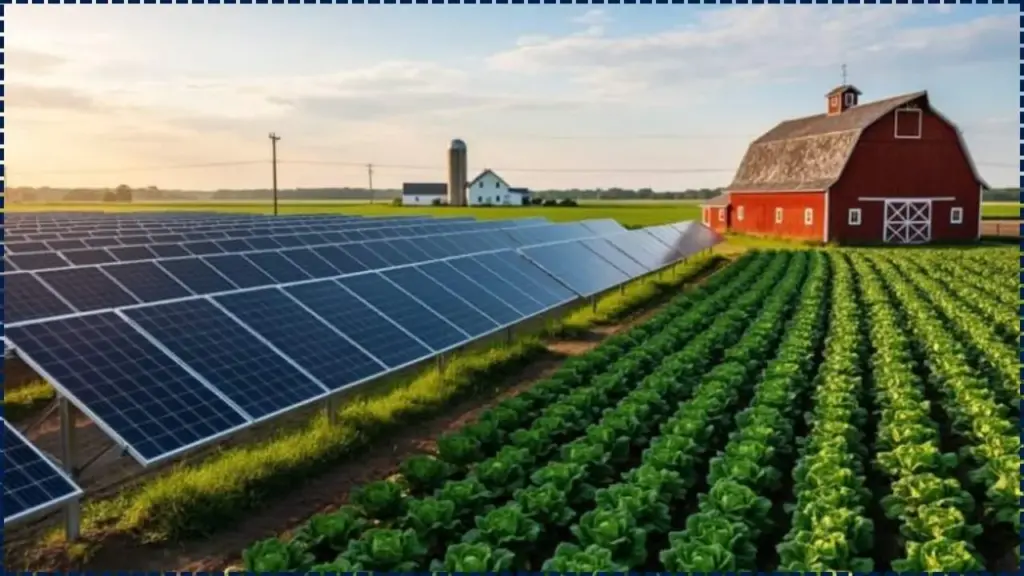
Agrivoltaics
Combining solar panels with agricultural production on the same land.
Battery Storage Integration
Adding energy storage to improve reliability and reduce peak costs.
Smart Energy Systems
Using digital tools to optimize energy use on farms. Energy analysts expect these innovations to expand the role of renewable energy in agriculture.
Related Links
Should You Buy First Solar or Enphase Energy? Side-by-Side Comparison
Solar vs. Nature: Jefferson County Project Faces Backlash Over Rare Ecosystem Impact
The expansion of USDA REAP 2026 reflects a growing recognition of renewable energy’s role in rural economies. By reducing financial barriers and supporting solar adoption, the program offers farmers a pathway to lower energy costs and greater resilience, even as policymakers continue to balance energy development with agricultural priorities.
FAQs
Who qualifies for USDA REAP?
Farmers and rural small businesses meeting USDA eligibility criteria.
How much funding is available?
Up to 50% of project costs through grants.
Can grants be combined with tax credits?
Yes, projects often combine REAP funding with federal tax incentives.
Is funding guaranteed?
No. Applications are competitive.
What projects qualify?
Solar, wind, biomass, and energy efficiency improvements.