India is embarking on a groundbreaking renewable energy project in the high-altitude region of Ladakh. The Vande Solar project, which promises to become the world’s largest vertical solar farm, is set to revolutionize India’s energy landscape.
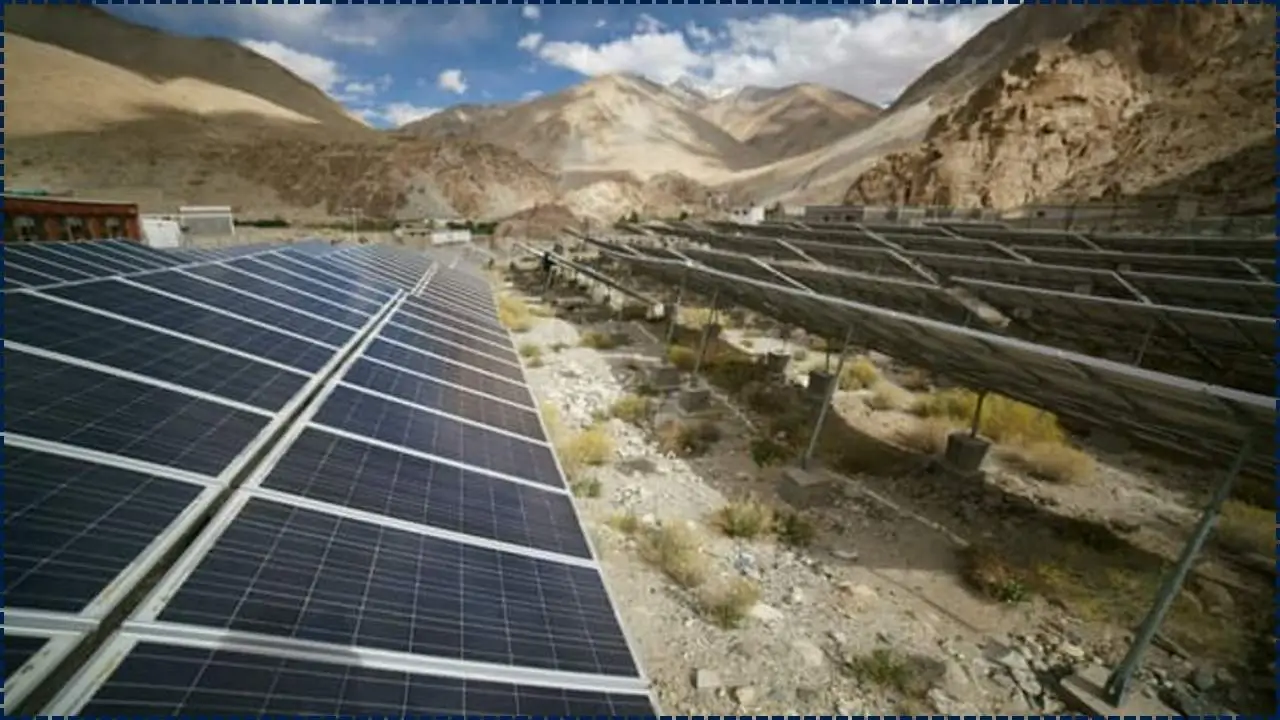
This monumental effort aims to harness Ladakh’s exceptional solar potential while addressing the region’s energy needs and contributing to India’s renewable energy goals.
The Vision Behind Vande Solar
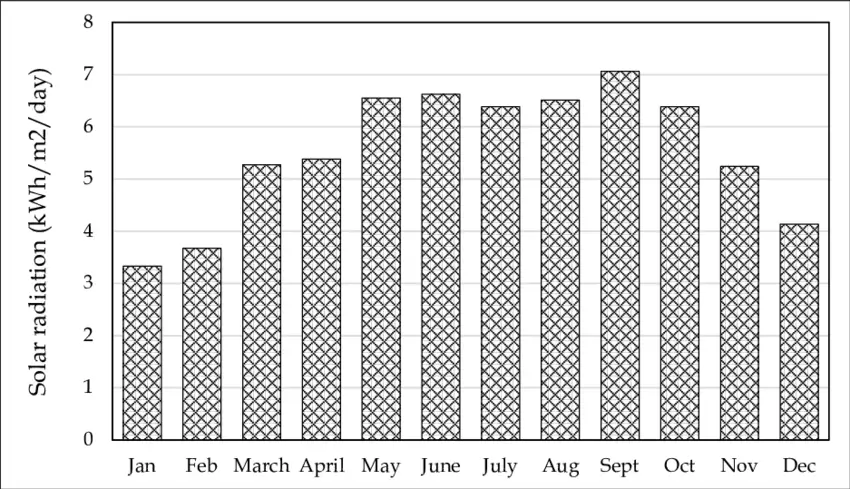
The Vande Solar project is set to make Ladakh a hub for renewable energy, using the region’s extraordinary solar irradiance to generate power for millions of homes and industries across India. With an expected generation capacity of 10 GW, it will be the largest vertical solar farm in the world, reshaping India’s renewable energy infrastructure.
Ladakh, with its high-altitude terrain and near-constant sunlight, is a perfect location for solar energy production.
The project represents India’s commitment to transitioning to a clean energy future. It is expected to create thousands of jobs, boost economic development, and reduce Ladakh’s dependency on fossil fuels.
Why Vertical Solar Technology?
Unlike traditional horizontal solar farms, vertical solar panels stand upright, maximizing energy capture in areas where horizontal expansion is limited. The Vande Solar project utilizes this cutting-edge vertical technology to optimize land use and harness solar energy more efficiently.
Vertical solar panels have a number of advantages in Ladakh’s unique environment. The higher placement of the panels helps reduce the risk of dust accumulation, which is a common issue in desert and semi-desert regions.
The vertical orientation allows for a higher energy yield per square meter, particularly as it can capture sunlight during different times of the day and reduce the need for extensive land clearance.
Dr. Anil Sharma, a renewable energy expert at Indian Institute of Technology (IIT) Bombay, explains, “Vertical solar technology offers higher performance in regions like Ladakh where land is limited and sunlight intensity is high. It maximizes efficiency while minimizing the ecological footprint of large solar farms.”
Technical Innovation and Energy Storage
The Vande Solar project will be powered by cutting-edge solar technology that incorporates both solar photovoltaics (PV) and concentrated solar power (CSP) systems. The CSP systems will allow the farm to generate energy even during the night by storing solar energy in thermal reservoirs.
To complement the energy production, large-scale battery storage solutions will be installed to store excess energy during peak sunlight hours, ensuring a continuous power supply. This innovative approach addresses one of the key limitations of solar energy — its intermittency — making the system more reliable and efficient.
The energy storage systems will also allow Ladakh to become energy independent, especially in the winter months when the region experiences extended periods of darkness. Furthermore, smart grid systems will be deployed to ensure efficient transmission of electricity across the region.
Community Involvement and Stakeholder Engagement
One of the most significant aspects of the Vande Solar project is its engagement with local communities. Ladakh is home to several indigenous communities, including the Changpa nomads, who rely heavily on grazing land for their livestock.
The local herders and farmers are understandably concerned about how large-scale solar farms might affect their traditional livelihoods. To address these concerns, the project includes collaborations with local stakeholders to ensure that their needs and concerns are incorporated into the planning and development phases.
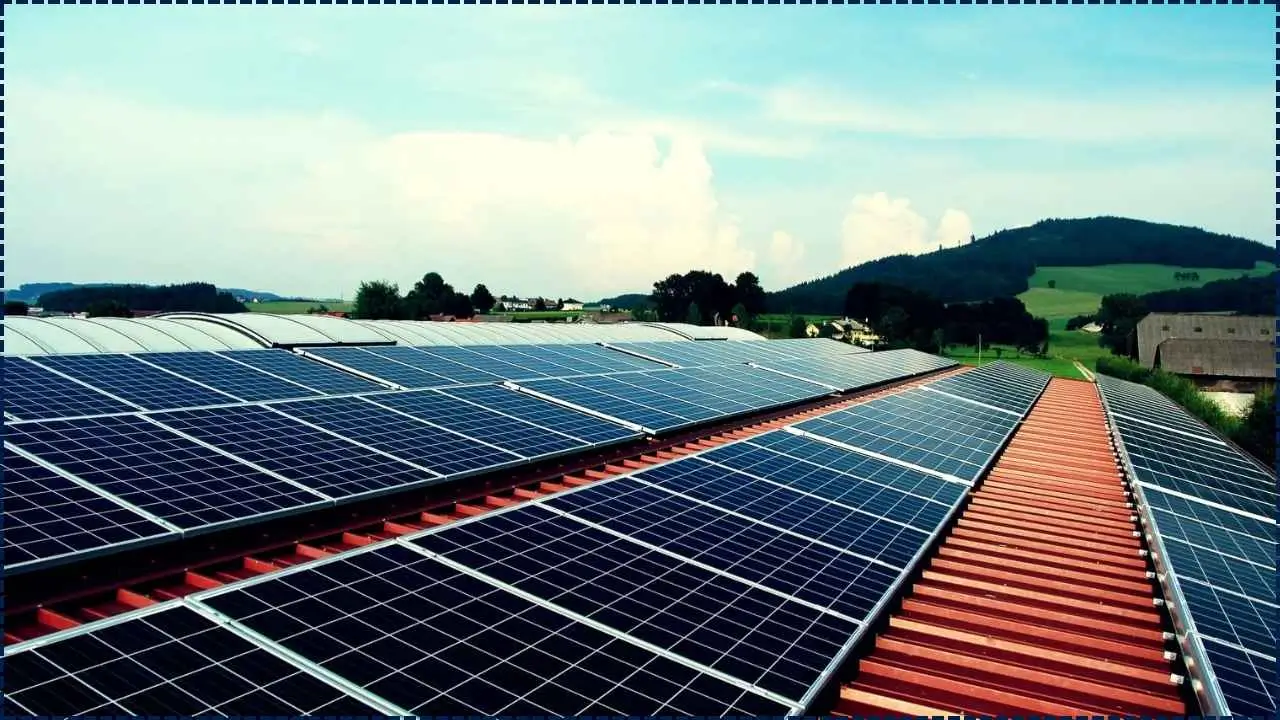
Local communities will be trained in the installation, maintenance, and operation of solar systems, creating new job opportunities and providing a sustainable livelihood.
The Indian government has also committed to environmental protections, ensuring that the fragile ecosystems of Ladakh are preserved. One innovative approach being tested involves installing elevated solar panels that allow for grazing underneath, minimizing disruption to wildlife and pastoral practices.
This method could potentially set a global example for integrating renewable energy with traditional agriculture.
The Economic Impact Beyond Jobs
Beyond the direct creation of jobs in construction and operation, the Vande Solar project is poised to have a far-reaching economic impact on Ladakh. For a region that has traditionally relied on tourism, agriculture, and handicrafts, the introduction of a large-scale renewable energy project could drive further development in these sectors.
Tourism could see a significant boost, with eco-conscious travelers increasingly seeking destinations powered by clean energy. The project may also reduce energy costs for local businesses, increasing their competitiveness and stimulating further economic growth.
Additionally, the local agricultural sector could benefit from stable and low-cost energy for irrigation, refrigeration, and food processing.
Environmental and Cultural Considerations
Despite its promise, the Vande Solar project faces criticism from some quarters, particularly from environmentalists concerned about its impact on Ladakh’s unique ecosystems. Ladakh is home to various species of flora and fauna, including the endangered snow leopard and Pashmina goats.
The construction of large solar arrays could potentially interfere with their natural habitats. To mitigate these concerns, environmental impact assessments (EIAs) have been conducted. Additionally, efforts have been made to preserve wildlife corridors and ensure that the construction does not disrupt migration patterns or grazing areas for local herders.
The project will also feature sustainable land management practices and is committed to minimizing land degradation, which is crucial in a region where the soil is already fragile.
Furthermore, the solar panels themselves are designed to be environmentally friendly, with recyclable materials and a long lifespan to minimize waste and reduce environmental impact.
Challenges in Energy Transmission
One of the critical challenges for the Vande Solar project is transmitting the electricity generated to areas where it is most needed. Ladakh’s remote location requires the construction of extensive high-voltage transmission lines to connect the region to the broader national grid.

Currently, the transmission infrastructure is in the early stages of development, with Green Energy Corridors being expanded to handle the incoming power. The project will also involve laying down underground cables to minimize disruption to the landscape, while smart grid technology will be employed to ensure that energy is efficiently distributed.
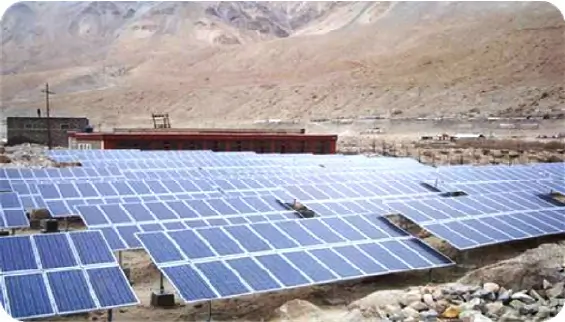
The financial cost of this infrastructure is significant, but the long-term benefits of reducing the country’s reliance on coal-fired power plants far outweigh the initial investments.
Related Links
MERC Seeks Public Feedback and Objections on Draft Renewable Energy Tariffs
IREDA Urges New Policy Framework to Boost Green Infrastructure Financing via GIFT IFSC
Global Implications of the Vande Solar Project
The Vande Solar project has far-reaching implications beyond India. As one of the largest vertical solar farms in the world, it could set a global precedent for solar energy technology and high-altitude installations.
The success of the project would demonstrate the feasibility of scaling vertical solar technology in extreme environments, potentially influencing renewable energy projects in other countries with similar geographic conditions, such as Chile, Argentina, and China’s Tibet Autonomous Region.
India has long been recognized as a global leader in renewable energy, and projects like Vande Solar further solidify its position on the world stage. The project is aligned with India’s ambitious clean energy goals, which include generating 500 GW of non-fossil fuel energy capacity by 2030.
If successful, Vande Solar could not only help India meet its renewable energy targets but also make a significant contribution to global climate change mitigation efforts.
A Greener Future for Ladakh and Beyond
The Vande Solar project is a bold step towards making Ladakh and India a global leader in renewable energy. With its focus on vertical solar technology, sustainable land use, and community involvement, the project offers a model for future energy initiatives in ecologically sensitive areas.
If successful, Vande Solar will not only meet the energy needs of Ladakh but will also contribute significantly to India’s broader renewable energy ambitions. The project represents a pivotal moment in India’s commitment to a greener, more sustainable future, both for its citizens and for the planet.