
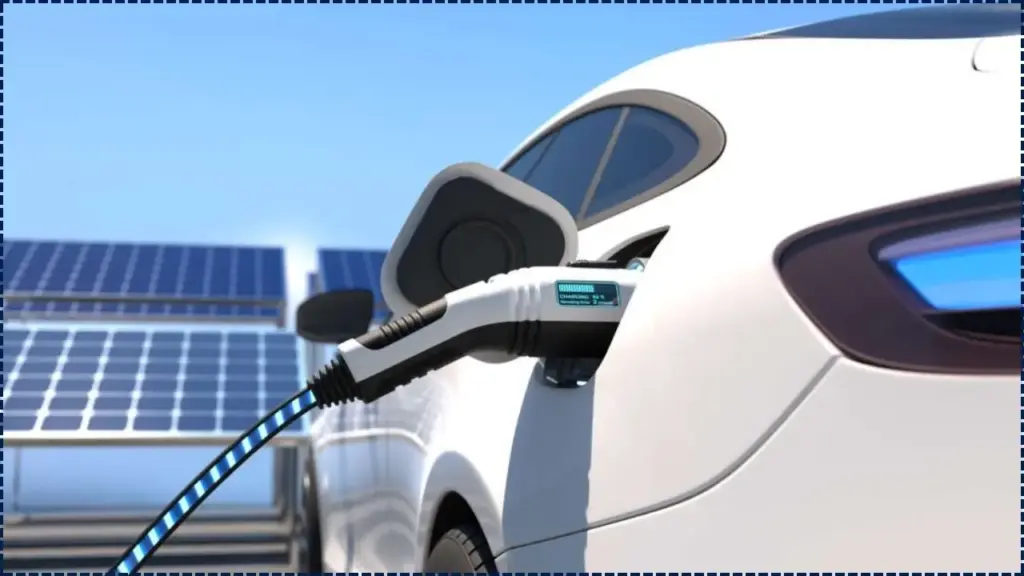
As electric vehicle adoption accelerates worldwide, Vehicle-to-Grid (V2G) technology is emerging as a potential bridge between transport and energy systems. V2G enables electric cars to send stored electricity back to the power grid during peak demand, potentially earning owners revenue while stabilising electricity supply.
Utilities, regulators and automakers across Europe, Japan, the United States and India are now testing whether this model can move from pilot projects to mainstream deployment.
What Is Vehicle-to-Grid (V2G)?
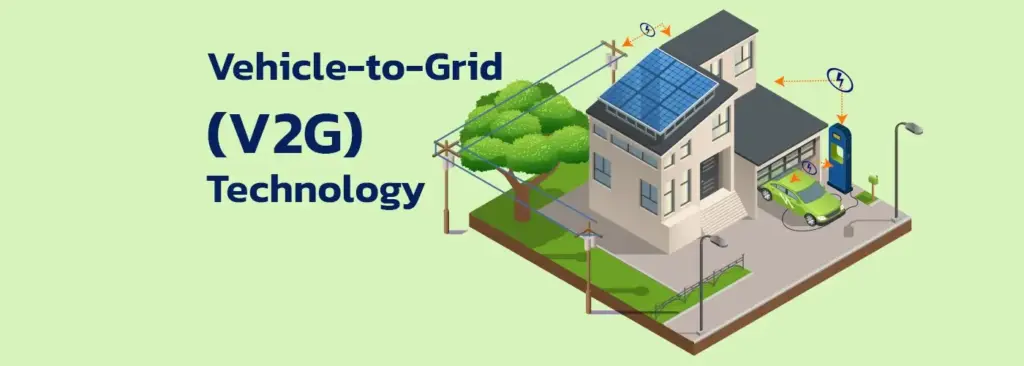
Vehicle-to-Grid (V2G) refers to a system in which an electric vehicle (EV) equipped with bidirectional charging can both draw power from the grid and return electricity to it when required.
Unlike conventional charging, where electricity flows only from grid to vehicle, V2G allows two-way power movement. The system depends on specialised chargers, smart meters, communication software and regulatory approval.
The International Energy Agency (IEA) has noted in its Global EV Outlook that electric vehicles could become a major source of grid flexibility as their numbers increase. According to the IEA, global electric car sales exceeded 14 million units in 2023, representing nearly one in five new cars sold globally.
Dr. Tim Green, Professor of Electrical Power Engineering at Imperial College London, has said in public research briefings that managed EV charging and discharging “can provide substantial flexibility to modern power systems facing renewable variability.”
Why Grids Need Flexibility
Electricity grids must balance supply and demand every second. However, renewable energy sources such as solar and wind are variable. Solar output peaks during daylight hours, while demand often rises in the evening.
To manage this imbalance, grid operators rely on storage systems or fast-response power plants. EV batteries, which remain parked roughly 90–95% of the time, represent a large pool of distributed storage.
The National Renewable Energy Laboratory (NREL) in the United States has published studies suggesting aggregated EV fleets could provide frequency regulation, reserve capacity and peak shaving services.
How V2G Works in Practice
Bidirectional Chargers
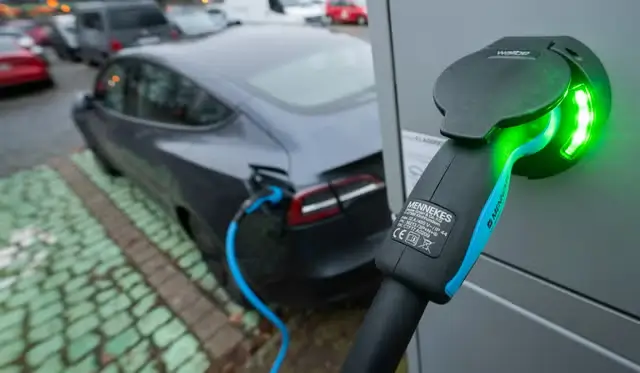
V2G requires chargers capable of converting DC battery power into AC grid electricity. These chargers are more expensive than conventional home chargers.
Industry estimates suggest bidirectional chargers may cost between ₹3 lakh and ₹6 lakh (approximately $3,500–$7,000), depending on capacity and region. Prices are expected to decline as production scales.
Aggregators and Software Platforms
Individual EVs provide limited power. Aggregators combine thousands of vehicles into virtual power plants. These platforms communicate with grid operators and signal vehicles when to discharge. Owners can set minimum charge levels to ensure mobility needs are met.
The United States Department of Energy (DOE) explains that communication standards and grid interconnection rules are critical for secure operation.
Revenue Potential: How Much Can Drivers Earn?
Financial returns vary widely depending on electricity markets, tariff structures and battery size.
Energy Arbitrage
Under time-of-use pricing, electricity is cheaper at night and more expensive during peak demand. Drivers could charge during off-peak hours and discharge during high-price periods.
Grid Service Payments
In some pilot programmes in the United Kingdom and the Netherlands, EV owners have received payments for providing frequency regulation.
NREL research estimates annual earnings could range from a few hundred to over $1,000 in favourable markets. However, results depend heavily on compensation rates and battery wear costs.

Suzlon Energy: मार्केट के उतार-चढ़ाव में फंसा शेयर, ₹59 पर आया भाव – क्या अब भी है खरीदने का मौका?
Professor Benjamin Sovacool, energy policy expert at the University of Sussex, has written in peer-reviewed research that while V2G is technically promising, household-level profitability “remains sensitive to market design and equipment costs.”
Case Studies from Around the World
Japan
Japanese automakers introduced bidirectional capabilities after the 2011 Fukushima disaster. Some EVs can power homes during outages through vehicle-to-home (V2H) systems.
United Kingdom
Ofgem-backed pilot programmes have tested domestic V2G chargers. Results suggest potential grid benefits, though large-scale commercial rollout is still limited.
United States
In California, the California Public Utilities Commission (CPUC) has supported pilot projects integrating EV fleets into demand response programmes. State agencies are evaluating reliability and cost savings.
V2G vs V2H vs V2L: Understanding the Difference
- Vehicle-to-Grid (V2G): Supplies electricity back to the public grid.
- Vehicle-to-Home (V2H): Powers a household during outages or peak pricing.
- Vehicle-to-Load (V2L): Powers appliances directly from the vehicle.
V2H is currently more common than V2G because it requires fewer regulatory approvals.
The Indian Context: Opportunity and Constraints
India aims to expand renewable capacity significantly over the coming decade. At the same time, electricity demand is rising due to economic growth and urbanisation.
The Ministry of Heavy Industries reports steady growth in electric two-wheelers and three-wheelers under the FAME scheme. Passenger EV adoption remains comparatively modest.
Energy analysts at the Council on Energy, Environment and Water (CEEW) have suggested distributed storage could complement India’s renewable expansion. However, regulatory frameworks for bidirectional residential export remain limited.
Grid codes in many Indian states still assume one-directional consumption. Smart meter deployment is ongoing under national reform initiatives, which may facilitate future V2G integration.
Battery Degradation and Warranty Concerns
Lithium-ion batteries degrade with charging cycles. Additional discharge cycles under V2G could increase wear. NREL studies indicate controlled, moderate V2G participation may not significantly accelerate degradation. However, long-term commercial data remains limited.
Automakers differ in warranty policies. Some manufacturers explicitly support bidirectional use, while others remain cautious.
Dr. Jeff Dahn, a battery researcher at Dalhousie University, has emphasised in public lectures that battery management systems play a critical role in preserving lifespan under flexible use conditions.
Cybersecurity and Grid Security Risks
Connecting thousands of vehicles to grid communication systems introduces cybersecurity considerations. Energy regulators warn that distributed resources must meet strict security standards. A compromised network could disrupt grid stability.
The European Union Agency for Cybersecurity (ENISA) has highlighted in broader smart-grid reports that robust encryption and authentication protocols are essential for distributed energy resources. Utilities are investing in secure digital infrastructure to address these risks.
Insurance, Liability and Consumer Behaviour
Insurance frameworks for V2G remain under development. Questions include liability for grid damage or equipment malfunction. Consumer adoption may depend on trust and simplicity. Surveys in Europe indicate many EV owners prioritise convenience over marginal earnings.
Dr. Fatih Birol, Executive Director of the International Energy Agency, has stated in public remarks that electrification must be accompanied by digitalisation and consumer-friendly policy design.
Environmental and Equity Considerations
Supporters argue that V2G could reduce reliance on fossil-fuel peaker plants, lowering carbon emissions. However, EV ownership remains concentrated among higher-income households in many regions. Policymakers may need to ensure benefits extend beyond affluent consumers.
The International Renewable Energy Agency (IRENA) has emphasised that distributed energy models should align with social inclusion goals.
Related Links
Flying Taxis in India? Successful Trials Show You’ll Soon Travel Without Petrol or Diesel.
Can You Get Free Solar Panels in the USA? Check If You Qualify for This Government Grant
Vehicle-to-Grid (V2G) is technically feasible and strategically aligned with renewable expansion. Yet its commercial success depends on falling charger costs, regulatory clarity and consumer confidence.
Industry experts agree that flexibility will become increasingly valuable as electricity systems decarbonise. For now, V2G remains in a pilot and early adoption phase. Whether it becomes a mainstream feature of electric mobility will depend on coordinated action from governments, utilities and manufacturers.
If successful, parked cars may evolve from passive transport assets into active components of national energy infrastructure.
Vehicle-to-Grid (V2G) technology offers a vision of integration between transport and power systems. Pilot programmes demonstrate potential benefits for grid reliability and consumer earnings.
However, infrastructure gaps, regulatory barriers, battery concerns and cybersecurity risks must be addressed. As renewable energy expands and EV adoption rises, policymakers face critical decisions on whether and how to unlock this distributed energy resource.