Victoria’s updated solar rebate framework—often described as the “Victoria $1,400 Solar Upgrade”—introduces a new 10-year rule allowing homeowners to replace aging solar systems and access fresh incentives.
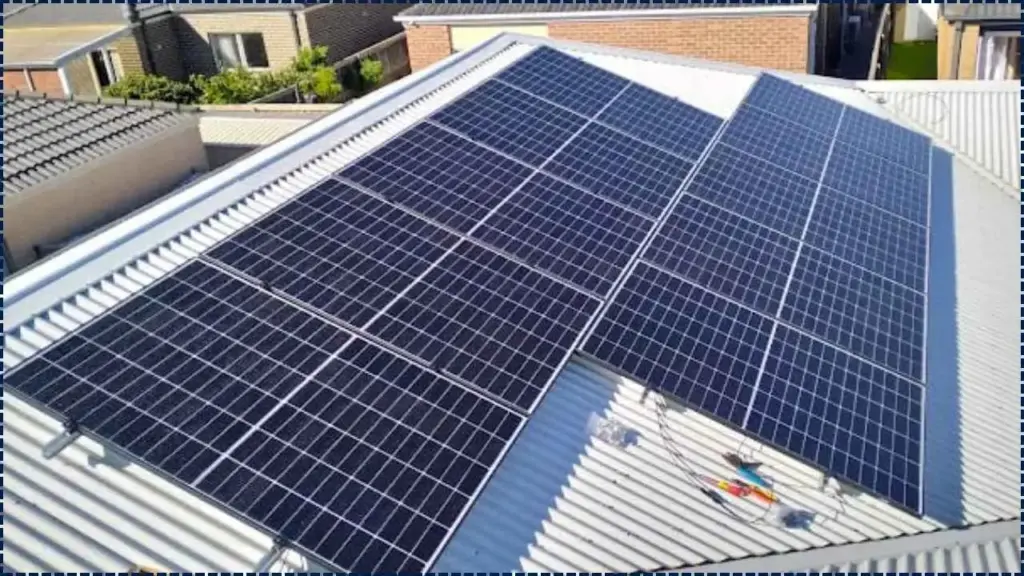
The policy aims to improve energy efficiency, modernize outdated installations, and support Australia’s broader transition to renewable energy.
Victoria’s $1,400 Solar Upgrade
| Key Fact | Detail | Context |
|---|---|---|
| Solar Rebate | Up to $1,400 | State program |
| Loan Option | Interest-free (matching rebate) | Government-backed |
| 10-Year Rule | Reapply after 10 years | Lifecycle upgrade |
| Federal Incentive | ~$1,600–$1,800 | STC scheme |
| Total Savings | ~$3,000+ | Combined incentives |
The Victoria $1,400 Solar Upgrade, anchored by the 10-year rule, reflects a shift toward lifecycle-based energy policy. By encouraging upgrades and improving system efficiency, the program aims to maximize public investment while supporting Australia’s transition to renewable energy.
Understanding the Victoria $1,400 Solar Upgrade
The Victoria $1,400 Solar Upgrade refers to the rebate provided under the state’s Solar Homes Program, designed to reduce upfront installation costs. The program also includes an interest-free loan, effectively doubling the immediate financial support available to homeowners.
Government officials say the initiative is part of a long-term strategy to reduce household energy costs and emissions.
The 10-Year Rule: Policy Rationale and Design
The 10-year rule ensures that:
- Households cannot claim rebates for recently installed systems
- Systems older than a decade qualify for upgrades
Why It Was Introduced
Policy experts say the rule addresses two key challenges:
- Aging Solar Infrastructure: Early adopters installed systems with lower efficiency.
- Public Funding Efficiency: Prevents repeated claims on newer systems.
“This is about optimizing taxpayer-funded incentives,” said an energy policy advisor. “It ensures upgrades deliver meaningful gains.”
Historical Context: Evolution of Solar Policy in Victoria
Victoria’s solar policy has evolved significantly:
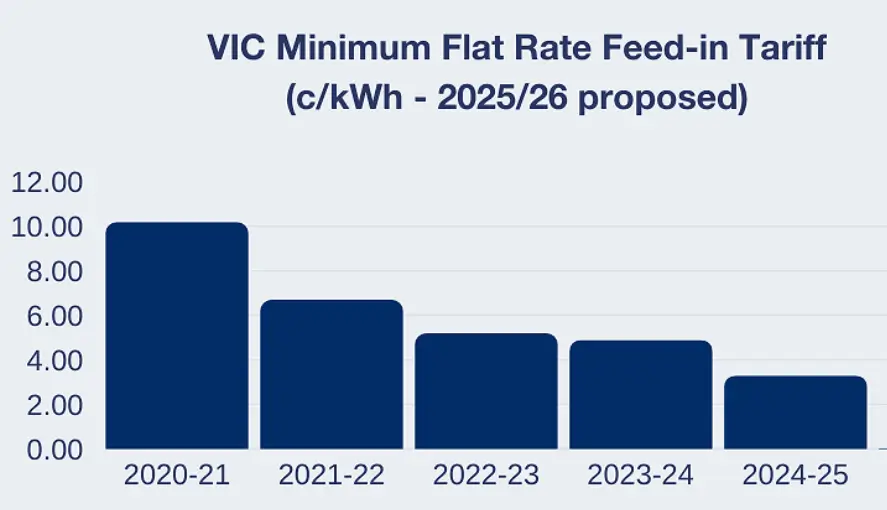
- 2010–2015: Feed-in tariffs drive early adoption
- 2018: Launch of Solar Homes Program
- 2020–2024: Expansion of rebates and loans
- 2026: Introduction of 10-year rule
This progression reflects a shift from adoption incentives to system optimization.
Stacking Incentives with Federal Support (KW2)
Homeowners can combine the state rebate with federal incentives under Australia’s Small-scale Renewable Energy Scheme.
Combined Benefits:
- Federal discount: ~$1,600–$1,800
- State rebate: $1,400
- Loan: $1,400
This stacking reduces upfront costs significantly.
Financial Breakdown and ROI (KW3)
Typical Cost Scenario:
- Installation cost: $7,500
- Federal rebate: $1,700
- State rebate: $1,400
- Net cost: ~$4,400
Payback Analysis:
- Annual savings: $1,000–$1,500
- Payback period: 3–5 years
Lifetime Value:
- 20–25 year savings: $25,000–$40,000
Grid Impact and Energy Infrastructure
The 10-year rule also supports grid stability.
Older systems often:
- Generate less power
- Lack smart inverter technology
Upgrading systems improves:
- Grid efficiency
- Energy distribution
- Peak demand management
Utility providers view distributed solar as a key component of future energy systems.
Consumer Demand Trends
Demand for solar upgrades is rising due to:
- Increasing electricity prices
- Greater awareness of energy independence
- Improved technology performance
Data from state programs shows steady growth in installations year over year.
Installer Market and Industry Dynamics
The solar installer ecosystem has expanded rapidly.
Key Trends:
- Increased competition among installers
- Pressure on pricing
- Focus on system quality and warranties
Experts advise homeowners to compare multiple quotes to ensure value.
Equity and Accessibility Concerns
Despite incentives, challenges remain:
- Low-income households may struggle with upfront costs
- Eligibility criteria can exclude some homeowners
- Rental properties face additional barriers
Some policy analysts argue for targeted subsidies to improve accessibility.
Criticism and Alternative Views
Not all experts fully support the 10-year rule.
Concerns Include:
- Excluding homeowners needing earlier upgrades
- Limiting flexibility in system replacement
- Potential delays in adoption
“Policy design must balance efficiency with fairness,” said an independent analyst.
Environmental Impact
Upgrading solar systems contributes to:
- Reduced carbon emissions
- Lower reliance on fossil fuels
- Improved energy efficiency
A typical household solar system can offset several tonnes of CO₂ annually.
Global Comparison
Victoria’s approach aligns with global trends:
- Germany: Strong feed-in tariffs and upgrade incentives
- United States: Tax credits and state-level rebates
- Australia: Combination of federal and state programs
However, Australia’s high solar adoption rates make it a global leader.
Future Outlook
Experts expect:
- Gradual reduction in rebates
- Increased focus on battery storage
- Integration with smart grid technologies
The long-term trend suggests solar will remain a central component of Australia’s energy strategy.
Related Links
How Solar-Powered Microgrids Are Transforming Rural Africa
Green Hydrogen vs Solar: Competitors or the Future’s Perfect Pair?
Checklist: Who Benefits Most
- Systems older than 10 years
- High electricity usage households
- Long-term homeowners
- First-time solar adopters
FAQs
What is the 10-year rule?
It allows homeowners to claim rebates if their solar system is older than 10 years.
Can incentives be combined?
Yes, state and federal incentives can be stacked.
Is the rebate available in 2026?
Yes, subject to eligibility criteria.