
In Australia, households equipped with solar panels and batteries are increasingly becoming part of the nation’s energy solution through Virtual Power Plants (VPPs). This innovative system allows homeowners to sell stored electricity back to the grid, turning their homes into mini power stations.
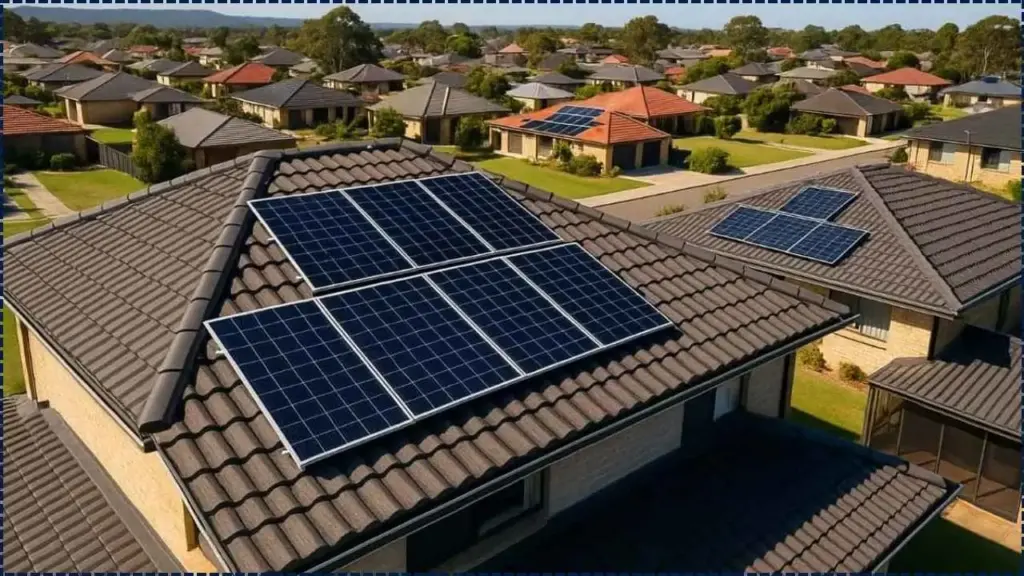
As the country pushes for more sustainable energy solutions, the VPP model is gaining momentum, offering new opportunities for residents to benefit financially while supporting the transition to renewable energy.
Home Can Earn Money as a Power Station
| Key Fact | Detail |
|---|---|
| What is a VPP | Network of connected home batteries acting as one power source |
| Typical earnings | ~$100–$200+ per year for households |
| Incentives | Up to $1,500 in some state programs |
| Role in grid | Helps stabilize supply and demand during peak periods |
What Are Virtual Power Plants and How Do They Work?
A Virtual Power Plant (VPP) is a network of small-scale distributed energy systems, including solar panels and home batteries, that are connected and managed through sophisticated software. These systems operate together, creating a collective energy resource that can respond to grid demands, much like a traditional power station.
The Australian Energy Market Operator (AEMO) describes a VPP as a system that aggregates various distributed energy resources (DERs) and allows them to function as a coordinated unit in response to grid requirements. This approach helps optimize energy distribution, making the grid more reliable and flexible.
In simple terms, homes with solar panels and batteries become “nodes” in a larger grid, feeding electricity into the system when it’s needed the most. Homeowners who participate in VPPs not only help stabilize the grid but can also earn money or receive credits by selling excess power.
How Homes Earn Money Through VPPs
The primary benefit of joining a VPP for homeowners is the opportunity to generate income or offset electricity bills. Here’s how it works:
Energy Exports During Peak Demand
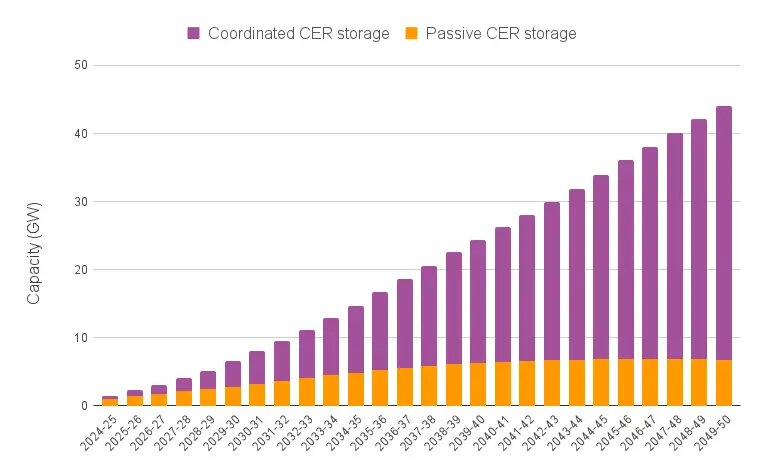
In times of high demand for electricity—usually during hot summer afternoons or cold winter mornings—VPPs can sell stored energy to the grid at higher rates. This is when electricity prices are at their peak. By participating in a VPP, homeowners can earn more money for their stored energy compared to regular feed-in tariffs.
Grid Services and Frequency Control
In addition to energy sales, homeowners in VPPs can participate in grid stability services. These include frequency regulation, where home batteries release or absorb energy to help maintain a stable grid frequency.
The Australian Energy Market Operator has highlighted the importance of these services as the grid shifts towards more decentralized energy resources.
Fixed Payments or Bill Credits
Some VPP programs offer fixed payments or bill credits for joining and participating. Providers may incentivize consumers with:
- Upfront bonuses for signing up
- Annual credits (typically ranging from $100 to $200)
- Guaranteed payments for availability during peak demand events
Financial Returns: How Much Can You Realistically Earn?
While VPP participation offers financial benefits, the earnings for most homeowners remain modest, especially when compared to savings achieved through self-consumption of solar energy.
On average, participants in VPP programs can expect to earn approximately $200 annually from energy sales and grid services. However, some more advanced programs offer higher returns, potentially reaching $450 or more per year depending on the provider and the homeowner’s level of participation.
Despite these earnings, experts agree that the most significant financial benefit for households comes from using solar power directly to meet energy needs, thereby reducing reliance on grid electricity. VPP earnings, therefore, should be viewed as an additional financial benefit, not the primary one.
The Growth of VPPs in Australia: What’s Driving the Change?
Australia’s Rooftop Solar Boom
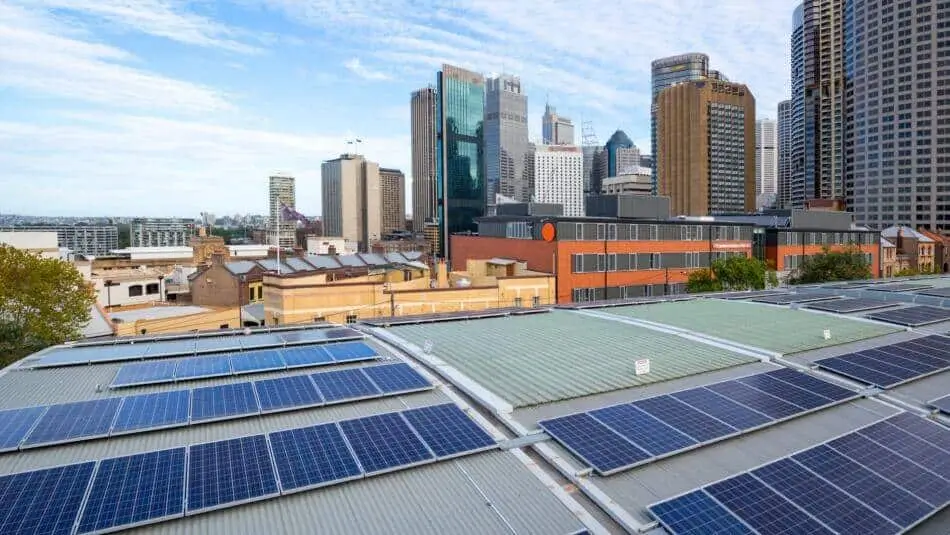
Australia has one of the highest rates of rooftop solar adoption globally. According to the Clean Energy Council, over 2.7 million Australian homes are now equipped with solar panels, and this number continues to rise. This widespread solar adoption presents a unique opportunity for the development of VPPs.
Solar energy generation is particularly high during the day, while electricity demand often peaks in the late afternoon and evening. By storing solar energy in home batteries, households can help balance this mismatch between production and consumption, making VPPs an attractive solution.
Government Support and Financial Incentives
In Australia, government policies and financial incentives are helping drive the adoption of VPPs. At the state level, governments offer substantial rebates for solar and battery storage systems that are VPP-compatible.
For instance, New South Wales has been a leader in incentivizing VPP participation, offering rebates up to $1,500 for homeowners who connect their solar batteries to a VPP network. The federal government, through programs like the Small-scale Renewable Energy Scheme, also supports the adoption of solar panels, making it easier for more Australians to join these programs.
These policies not only make solar energy more accessible but also ensure that VPPs are financially viable for consumers.
The Role of VPPs in Australia’s Energy Transition
Stabilizing the Grid
As Australia transitions to a more renewable-based energy grid, VPPs will become increasingly important for grid stability. Traditional coal and gas plants are being phased out, and renewable energy sources like wind and solar, while abundant, are intermittent. This means the grid needs new methods of balancing energy supply and demand.
VPPs provide a solution by allowing distributed energy resources (such as home solar panels and batteries) to be aggregated and dispatched as needed, helping to maintain grid stability and prevent blackouts.
Reducing Reliance on Fossil Fuels
VPPs also play a critical role in reducing Australia’s reliance on fossil fuels for energy. By encouraging the use of solar energy and reducing the need for centralized power stations, VPPs help decarbonize the energy system.
Energy analysts believe that as more homes participate in VPPs, Australia’s electricity grid will become increasingly cleaner, with less dependence on coal and gas for peaking power.
Challenges of VPP Participation: What to Consider
Limited Earnings and Control
Despite the potential benefits, some critics argue that the financial returns from VPPs may not be substantial enough to attract widespread participation, especially when considering the cost of installing batteries.
Moreover, participating in a VPP means that homeowners may lose some control over when their energy is used. VPP operators often manage the battery discharges, which may limit how homeowners can use their own stored energy for personal needs.
Complicated Contracts and Provider Terms
Not all VPP programs are straightforward. Many contracts include complex terms, with variable pricing structures and long lock-in periods. Some consumers may also face challenges in understanding how their earnings are calculated, leading to frustration over perceived low returns.
The Future of VPPs: Opportunities and Innovations
Expanding Beyond Solar: Electric Vehicles as Energy Storage
The future of VPPs may not be limited to home batteries. With the rise of electric vehicles (EVs), there is potential to use EVs as mobile energy storage units in the VPP network. This concept, known as vehicle-to-grid (V2G), allows EVs to discharge energy back into the grid when needed, further expanding the role of households in energy distribution.

The Role of Smart Grids and AI
As technology advances, the integration of smart grids and artificial intelligence (AI) will enable even more efficient VPP management. AI could optimize the timing of energy discharges, increasing the financial returns for homeowners while improving grid stability.
Long-Term Outlook
The potential for VPPs in Australia is significant. As renewable energy adoption continues to grow, VPPs are expected to become a cornerstone of the nation’s energy strategy, helping ensure that energy demand is met sustainably and affordably.
Related Links
Best US Solar ETFs to Invest in 2025
California Solar in 2026: Why Installing Panels Without a Battery is Now a ‘Loss’
Virtual power plants are revolutionizing Australia’s energy landscape by enabling households to actively participate in the energy market.
As the adoption of renewable energy accelerates, VPPs will become an increasingly essential component of the nation’s grid, helping to balance supply and demand while offering households the opportunity to earn income or credits.
FAQs
What is a Virtual Power Plant (VPP)?
A VPP is a network of connected home energy systems that work together to supply electricity to the grid, helping to stabilize the grid and reduce reliance on fossil fuels.
How much can I earn from a VPP?
Earnings vary, but most households can expect to earn around $100 to $200 annually from energy exports and grid services.
Do I need a battery to join a VPP?
Yes, a compatible home battery system is required to store energy that can be used by the VPP.
Is participating in a VPP worth it?
For some, it can be a small but useful revenue stream. However, most of the financial benefits come from self-consumption of solar energy, not VPP participation alone.