
The VPP Revolution: How your home battery is replacing coal and gas in 2026 reflects a major shift in global energy systems, as utilities increasingly rely on distributed networks of residential batteries instead of fossil fuel plants.
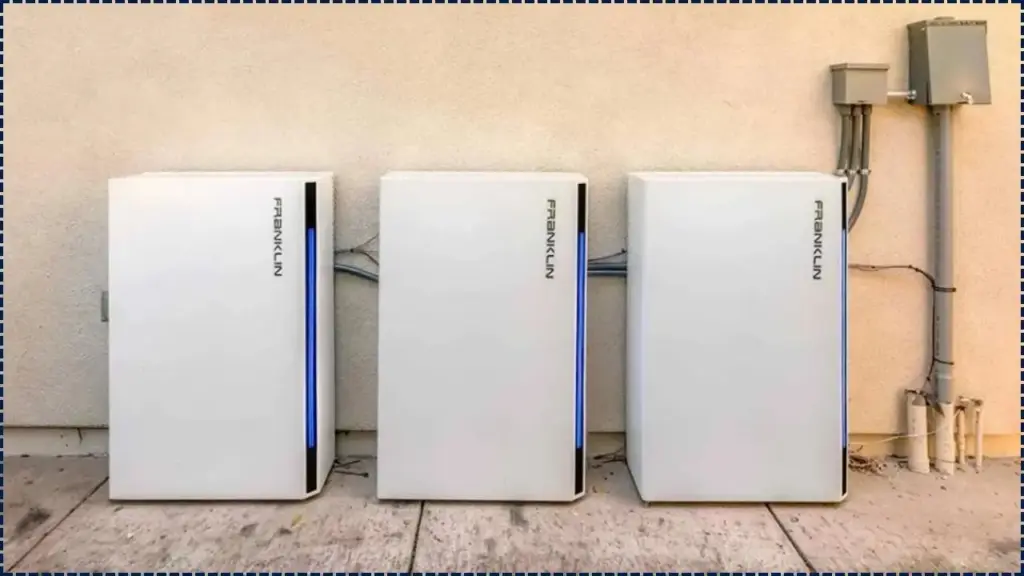
Driven by rising electricity demand, falling battery costs, and policy reforms, virtual power plants are emerging as a scalable alternative to traditional generation.
The VPP Revolution
| Key Fact | Detail |
|---|---|
| VPP growth | Rapid expansion expected globally by 2026 |
| Key technology | Home batteries, solar, AI-driven grid software |
| Fossil fuel impact | Reduces need for coal and gas peaker plants |
What Is the VPP Revolution and Why It Matters
A virtual power plant (VPP) is a digitally connected network of distributed energy resources, including home batteries, rooftop solar systems, and electric vehicles. These systems are aggregated and controlled as a single entity.
Unlike traditional power plants, VPPs do not rely on centralized infrastructure. Instead, they draw energy from thousands of decentralized sources.
Energy experts say this model is transforming how electricity is generated, distributed, and consumed. It represents a shift from centralized to distributed energy systems.
How Home Batteries Are Replacing Coal and Gas
The Decline of Peaker Plants
Coal and gas plants have traditionally been used to meet peak electricity demand. These “peaker plants” operate only during high-demand periods and are among the most expensive and polluting sources of electricity.
Distributed Energy as a Replacement
Virtual power plants offer an alternative by:
- Aggregating stored energy from home batteries.
- Dispatching energy during peak demand.
- Reducing reliance on fossil fuel generation.
When coordinated effectively, thousands of home batteries can provide power equivalent to a large power station.
Why 2026 Is a Turning Point
Converging Trends
Several developments are accelerating VPP adoption:
- Increased electricity demand from electrification.
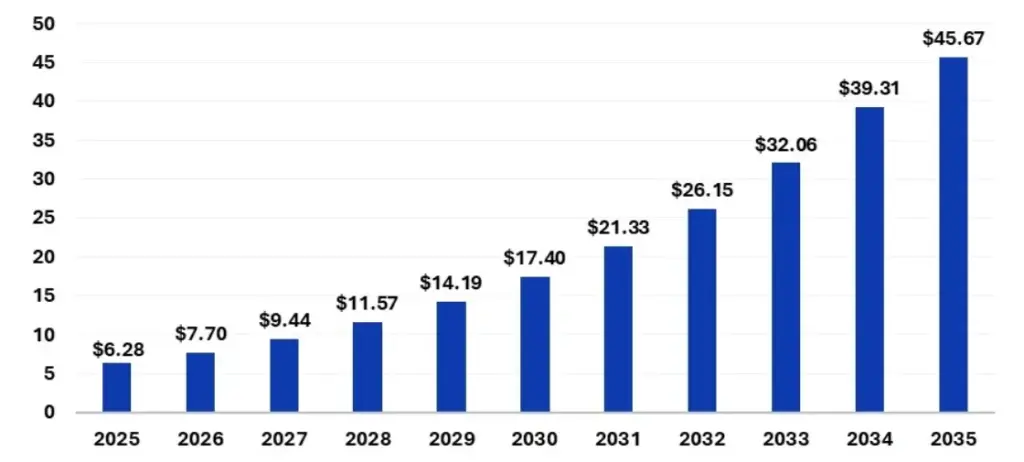
- Rapid decline in battery costs.
- Expansion of renewable energy sources.
- Policy changes enabling distributed energy participation.
Market Integration
In 2026, more electricity markets allow VPPs to participate alongside traditional generators. This enables aggregated home batteries to compete directly with coal and gas plants.
Real-World Case Studies
Australia: Large-Scale VPP Deployment
Australia has emerged as a leader in VPP adoption. Government-backed programs have connected thousands of households into coordinated energy networks. These systems have demonstrated the ability to stabilize the grid during extreme weather events.
United States: Utility-Led Programs
In states such as California and Texas, utilities are deploying VPPs to manage peak demand. Programs incentivize homeowners to allow utilities to access stored energy during critical periods.
Europe: Policy-Driven Expansion
Countries like Germany are integrating VPPs into national energy strategies. Strong policy support and renewable energy targets are driving adoption.
Economic Implications of the VPP Revolution
Household-Level Benefits
Homeowners participating in VPPs can:
- Earn payments for supplying energy.
- Reduce electricity bills.
- Increase property value.
Utility and Grid Benefits
Utilities benefit from:
- Reduced need for new infrastructure.
- Lower operational costs.
- Enhanced grid reliability.
Broader Economic Impact
The VPP ecosystem supports job creation in:
- Renewable energy installation.
- Battery manufacturing.
- Software development.
Environmental Impact: Benefits and Trade-offs
Emission Reductions
By reducing reliance on fossil fuel peaker plants, VPPs can significantly lower greenhouse gas emissions. They also improve the integration of renewable energy by balancing supply and demand.
Environmental Trade-offs
However, battery production involves resource extraction and environmental costs. Experts emphasize the need for sustainable supply chains and recycling systems.
Technology Behind the System
Smart Grid and Digital Platforms
VPPs rely on advanced software platforms that monitor and control energy flows in real time. These systems ensure efficient coordination across thousands of devices.
Artificial Intelligence and Predictive Analytics
AI systems predict energy demand and optimize battery usage. This improves efficiency and reduces waste.
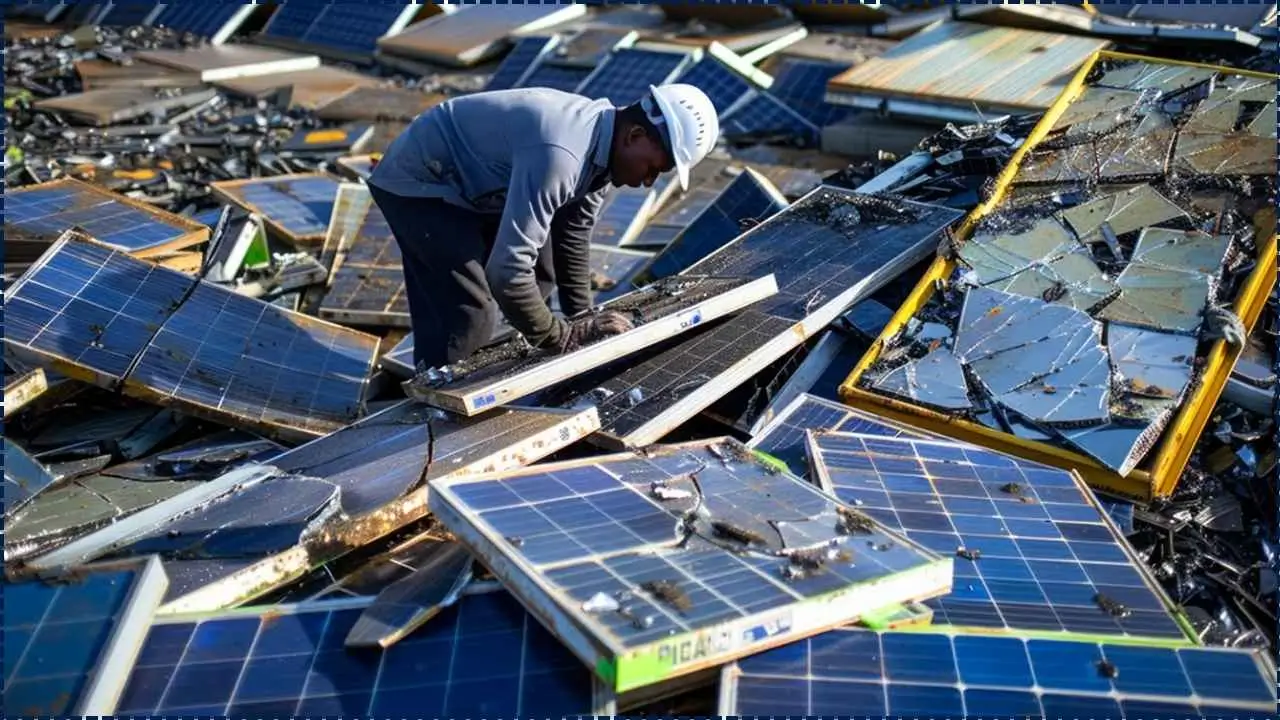
Mining the Roof: How a New Start-up is Recovering 99% of Silver from 20-Year-Old Dead Panels
Cybersecurity and Grid Resilience
As VPPs rely heavily on digital infrastructure, cybersecurity is a growing concern. Experts warn that:
- Distributed systems increase potential attack surfaces.
- Strong encryption and monitoring are essential.
- Regulatory frameworks must evolve.
At the same time, VPPs can improve resilience by decentralizing energy supply, reducing the risk of large-scale outages.
Policy and Regulatory Challenges
Market Design Issues
Integrating VPPs into existing electricity markets requires regulatory adjustments. Key challenges include:
- Pricing mechanisms.
- Fair compensation for participants.
- Grid access rules.
Equity Considerations
Policymakers are also addressing concerns that VPP benefits may disproportionately favor wealthier households. Proposed solutions include:
- Subsidies for low-income households.
- Community energy programs.
- Public-private partnerships.
Consumer Adoption: Opportunities and Barriers
Adoption Drivers
- Financial incentives.
- Environmental awareness.
- Energy independence.
Barriers
- High upfront costs.
- Lack of awareness.
- Technical complexity.
Efforts are underway to simplify participation and expand access.
The Future of Virtual Power Plants
Integration With Electric Vehicles
Electric vehicles are expected to become a major component of VPPs. Vehicle-to-grid (V2G) technology allows EVs to store and supply energy.
Long-Duration Storage
Emerging technologies, such as solid-state batteries and hydrogen storage, could enhance VPP capabilities.
Toward Fully Decentralized Energy Systems
Experts suggest that VPPs could eventually form the backbone of decentralized energy systems, reducing reliance on large power plants.
Related Links
Tesla Powerwall 3 vs. Rivals: Which Battery Gets You the Max 2026 Rebate?
Net Metering vs. Net Billing: Which Canadian Utility Actually Saves You More?
Final Perspective
The VPP Revolution represents a structural transformation in the energy sector. While challenges remain, the growing role of home batteries suggests a future where electricity systems are more distributed, flexible, and resilient.
As one energy expert observed, “The grid is evolving from a system of centralized plants to a network of interconnected energy resources.”
FAQs
What is a virtual power plant?
A network of distributed energy resources managed as a single system.
Can VPPs fully replace fossil fuels?
They can reduce reliance on coal and gas, especially during peak demand.
How do homeowners benefit?
Through cost savings and financial incentives.
Is the technology widely adopted?
Adoption is growing rapidly across multiple regions.