
Western Australia’s WA Battery Bonus is offering eligible households up to $7,500 in combined rebates to install solar battery systems, targeting customers of Synergy and Horizon Power.
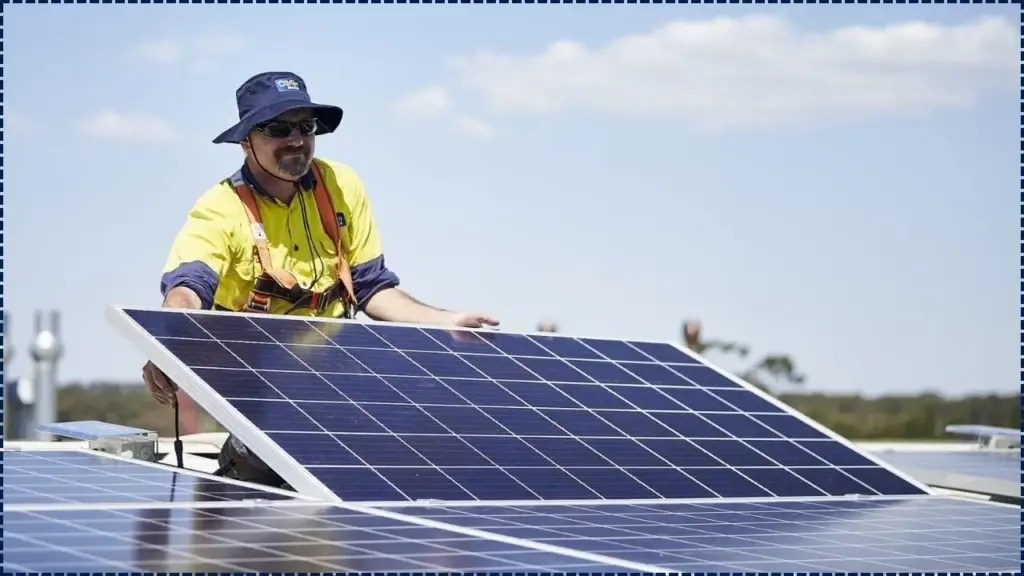
The program is designed to accelerate battery adoption, strengthen grid reliability, and support the state’s transition toward renewable energy-backed electricity systems.
WA Battery Bonus
| Key Fact | Detail |
|---|---|
| Maximum rebate | Up to $7,500 (Horizon customers) |
| Synergy rebate | Up to $5,000 combined |
| Loan option | Up to $10,000 interest-free |
| Requirement | Mandatory Virtual Power Plant participation |
The WA Battery Bonus represents a significant shift in energy policy toward distributed storage and grid integration.
By combining rebates, financing, and VPP participation, the program aims to accelerate battery adoption while strengthening grid resilience. Its long-term success will depend on sustained consumer uptake and evolving policy support.
Understanding the WA Battery Bonus Scheme
The WA Battery Bonus operates under the broader WA Residential Battery Scheme, combining state and federal support to reduce installation costs. The program targets:
- Synergy customers in metropolitan areas.
- Horizon Power customers in regional and remote areas.
Eligible households can receive:
- Up to $5,000 (Synergy)
- Up to $7,500 (Horizon)
Rebates are applied upfront through installers, simplifying the process for consumers.
WA Battery Bonus: Who Can Claim the WA Battery Bonus?
Eligibility Requirements
Applicants must:
- Be a residential electricity customer with Synergy or Horizon Power.
- Install an eligible battery system (typically 5–10 kWh minimum).
- Use approved installers and products.
- Participate in a Virtual Power Plant (VPP).
- Meet safety and grid compliance standards.
Installers manage the application process, ensuring systems meet program requirements before approval.
Timeline and Rollout Phases
The WA Battery Bonus is expected to run until approximately 2027 or until funding is exhausted.
Key rollout phases:
- 2025: Program launch and early adoption
- 2026–2027: Peak installation period
- Post-2027: Potential transition to market-based incentives
Government projections suggest up to 100,000 households could benefit during the program’s lifetime.
How the $7,500 Incentive Is Structured
Combined Financial Support
The total rebate combines:
State incentives:
- Up to $1,300 (Synergy)
- Up to $3,800 (Horizon)
Federal incentives:
- Additional battery subsidies under national programs
Final totals:
- Up to $5,000 (Synergy).
- Up to $7,500 (Horizon).
Rebates are typically calculated per kilowatt-hour of battery capacity.
WA Battery Bonus Claim the WA Battery Bonus
- Confirm eligibility.
- Request quotes from accredited installers.
- Select an approved battery system.
- Installer submits rebate application.
- Receive discount at installation.
This installer-led process reduces paperwork and ensures compliance.
The Role of Virtual Power Plants (VPPs)
Participation in a Virtual Power Plant is mandatory.
VPPs:
- Connect thousands of home batteries.
- Allow utilities to manage energy flow.
- Help stabilize the grid during peak demand.
In return, households may receive:
- Energy credits.
- Participation payments.
Experts describe VPPs as a “distributed grid solution” that replaces the need for large centralized infrastructure.
Financial Analysis: Payback Period
How long does it take to recover costs?
Typical battery costs:
- $10,000–$15,000 installed.
After rebates:
- $2,500–$10,000 depending on location.
Estimated payback period:
- 6–10 years (depending on usage and electricity prices).
Factors affecting payback:
- Solar generation levels.
- Electricity tariffs.
- VPP earnings.
- Battery efficiency.
Real Household Scenario
A Synergy customer installs a 10 kWh battery:
- Solar energy charges battery during the day.
- Evening usage draws stored energy.
- Grid reliance drops significantly.
Result:
- Lower electricity bills.
- Increased self-sufficiency.
- Protection against peak pricing.
Battery Technology and Lifespan
Most systems use lithium-ion batteries, which offer:
- Lifespan: 10–15 years.
- Efficiency: 85–95%.
- Daily cycling capability.
However, batteries degrade over time, reducing capacity gradually.
Emerging technologies include:
- Solid-state batteries.
- Advanced lithium iron phosphate (LFP) systems.
These innovations may improve safety and longevity in future installations.
Installer and Product Requirements
To qualify for rebates:
- Installers must be accredited and approved.
- Batteries must meet technical standards and certifications.
- Systems must be compatible with VPP integration.
This ensures safety, performance, and grid compatibility.
Why Horizon Customers Receive More
Horizon customers receive higher rebates due to:
- Higher electricity costs.
- Remote infrastructure challenges.
- Greater reliance on diesel or isolated grids.
The policy aims to ensure equitable access to renewable energy solutions.
Comparison with Other Australian States
Western Australia’s scheme is among the most generous.
Comparison highlights:
- Victoria: Smaller rebates, no mandatory VPP
- New South Wales: Focus on solar, limited battery incentives
- South Australia: Earlier VPP programs but reduced rebates
WA stands out for combining:
- High rebates.
- Loan support.
- Mandatory grid integration.
Policy Debate and Grid Challenges
Some experts raise concerns about:
- Cost distribution across non-participating users.
- Increased grid complexity.
- Long-term sustainability of subsidies.
Utilities must balance growing battery adoption with infrastructure upgrades.
Environmental Impact
Battery adoption supports:
- Reduced fossil fuel dependence.
- Increased renewable energy usage.
- Lower carbon emissions.
By storing solar energy, batteries reduce the need for fossil fuel-based peak generation.
Future Outlook Beyond 2027
Energy analysts expect:
- Gradual reduction in subsidies.
- Greater reliance on market incentives.
- Increased role of dynamic pricing.
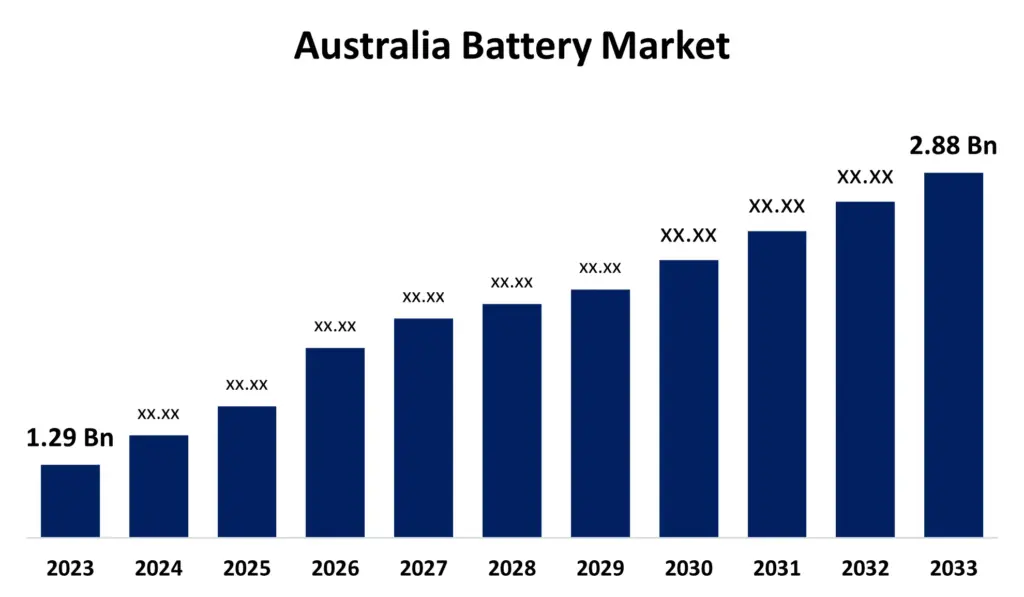
Battery costs are also expected to decline, improving affordability without heavy subsidies.
Related Links
The 40% Solar Mandate: Why Every New UK Roof is About to Change in 2026
Consumer Checklist Before Applying
Before installing a battery, homeowners should consider:
- Total system cost after rebates
- Compatibility with existing solar system
- Expected payback period
- VPP terms and conditions
- Warranty and lifespan
This ensures informed decision-making.
FAQs
How do I get the full $7,500 rebate?
Horizon Power customers installing eligible systems and combining incentives can access the full amount.
Can Synergy customers receive $7,500?
No, they typically receive up to $5,000.
Is VPP participation required?
Yes, it is mandatory for eligibility.
Are batteries worth it without rebates?
They can be, but payback periods are longer without incentives.