
Renewable energy major Waaree Energies Ltd. has clarified reports regarding a proposed ₹8,175 crore lithium-ion battery manufacturing plant in Andhra Pradesh, drawing attention to what could become India’s largest India’s largest lithium-ion battery gigafactory project.

While state officials have promoted the facility as a transformative investment, the company says discussions remain exploratory and subject to regulatory and commercial approvals.
Waaree Energies Breaks Silence on India’s largest lithium-ion battery gigafactory Reports
Media reports earlier suggested that Waaree Energies had committed to investing ₹8,175 crore in a lithium-ion battery gigafactory in Andhra Pradesh. The project was described as India’s largest proposed advanced cell manufacturing facility.
In a regulatory filing to stock exchanges, however, Waaree clarified that it is “evaluating opportunities in advanced energy storage manufacturing” and remains in discussions with multiple state governments. The company stated that no binding agreement has yet been finalised.
The clarification aims to address investor speculation that followed public announcements by Andhra Pradesh officials during recent investment summits.
Industry observers note that companies often engage in preliminary discussions before final site selection, land allocation, and incentive approval.
Andhra Pradesh’s Industrial Strategy
The Andhra Pradesh government has been actively positioning the state as a manufacturing hub for renewable energy and electric vehicle (EV) supply chains.
Senior state officials have publicly stated that attracting a large-scale battery plant aligns with broader industrial corridor development plans. Andhra Pradesh has emphasised port connectivity, logistics infrastructure, and access to renewable energy as competitive advantages.
According to briefings from the state industries department, such a India’s largest lithium-ion battery gigafactory project could generate thousands of direct and indirect jobs and stimulate local component manufacturing.
However, details regarding land allocation, environmental clearance timelines, and construction schedules remain undisclosed.
India’s Expanding Battery Demand
India’s demand for lithium-ion batteries is rising rapidly, driven by growth in electric vehicles, grid-scale storage systems, and consumer electronics.
The Ministry of Heavy Industries has outlined plans to accelerate EV adoption, while the Ministry of New and Renewable Energy (MNRE) continues to expand solar and wind capacity. Energy storage systems are essential to stabilise intermittent renewable generation.
According to industry estimates, India’s battery demand could increase several-fold by 2030. However, domestic cell manufacturing capacity remains limited, with a significant share of battery components imported from abroad.
A large-scale India’s largest lithium-ion battery gigafactory facility could reduce import dependence and strengthen India’s supply chain resilience.
Production-Linked Incentives and Policy Support
The Indian government introduced a Production-Linked Incentive (PLI) scheme for Advanced Chemistry Cell (ACC) battery storage to encourage domestic manufacturing.
Under this scheme, companies receive financial incentives linked to output and localisation benchmarks. Industry experts say policy clarity and long-term incentives are critical for capital-intensive investments like gigafactories.
It remains unclear whether Waaree Energies has secured incentives under the existing PLI framework or intends to participate in future rounds.
Policy analysts note that stable regulatory frameworks, predictable tariffs, and reliable infrastructure will influence final investment decisions.
Technical and Supply Chain Considerations
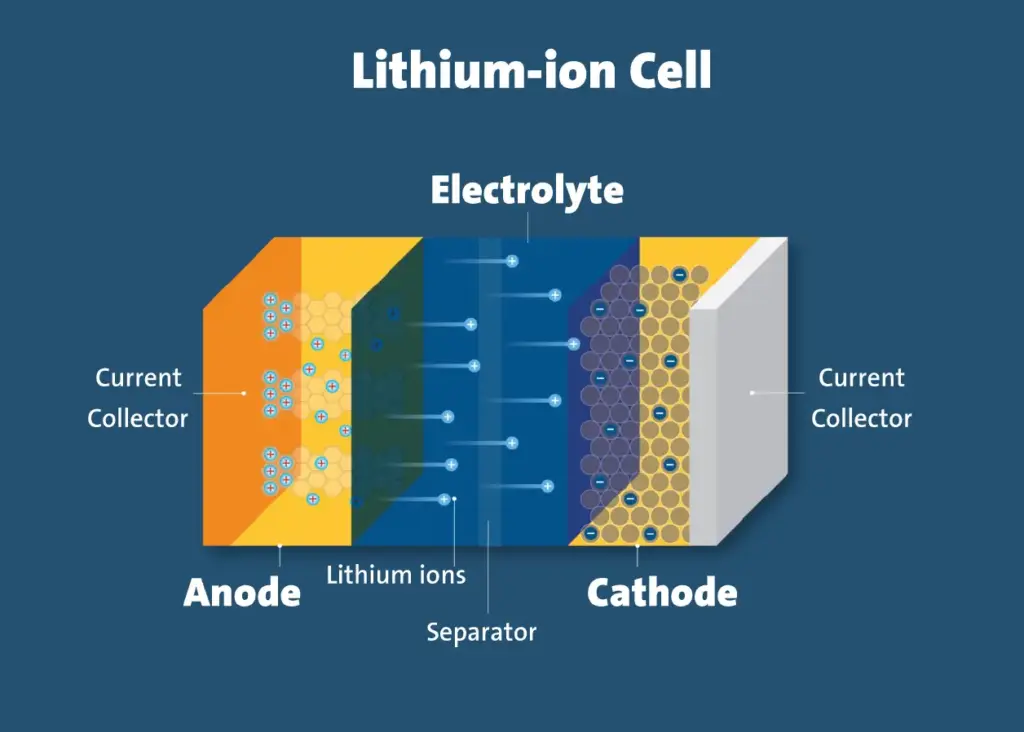
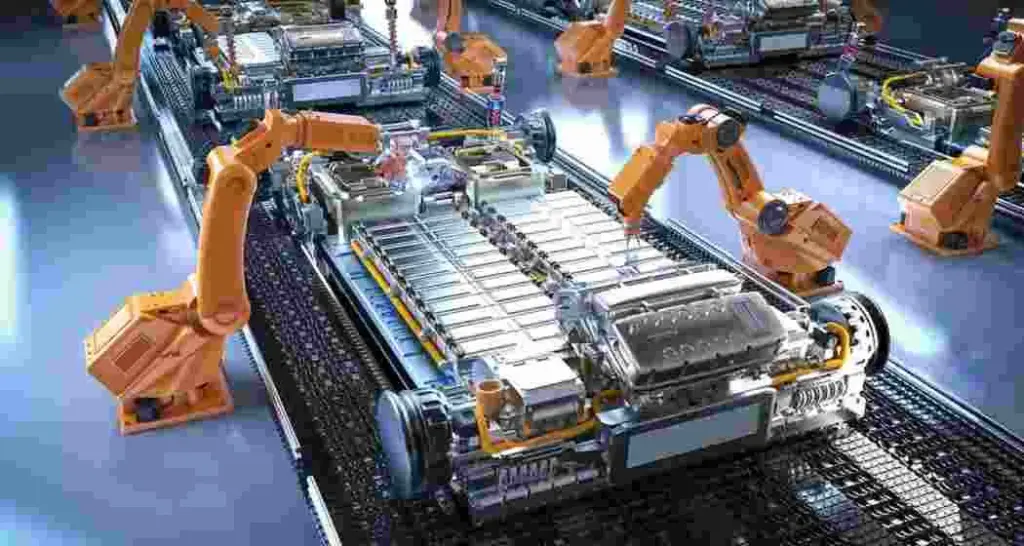
Building a lithium-ion gigafactory involves more than factory construction. It requires secure sourcing of raw materials such as lithium, cobalt, nickel, and graphite.
India has limited domestic reserves of key battery minerals and relies heavily on imports. The central government has recently taken steps to explore overseas mineral partnerships and encourage recycling initiatives.
Dr. Meera Subramanian, an energy storage expert at a national research institute, said localisation must extend beyond assembly. “True supply chain security comes from cell chemistry development, recycling systems, and mineral sourcing partnerships,” she noted.
Without upstream integration, even a large India’s largest lithium-ion battery gigafactory facility could remain dependent on imported inputs.
Environmental and Regulatory Oversight
Lithium-ion battery manufacturing can have environmental impacts related to chemical handling, water usage, and waste disposal.
Environmental impact assessments will be required before construction begins. State pollution control authorities typically review such projects to ensure compliance with national standards.
Sustainability advocates argue that domestic battery production can support climate goals, but only if facilities adopt strict environmental safeguards. Industry experts also highlight the importance of battery recycling ecosystems to prevent long-term waste accumulation.
Financing and Capital Structure
A ₹8,175 crore investment would likely require a combination of equity funding, debt financing, and possibly strategic partnerships.
Analysts suggest that large battery plants often involve phased capital deployment. Initial capacity may be built in stages, depending on demand visibility and supply chain readiness.
Financial institutions will evaluate market demand, policy certainty, and execution capability before extending significant credit lines.
Market reaction to initial reports of the India’s largest lithium-ion battery gigafactory project reflected optimism about India’s clean energy sector. However, analysts caution that final project economics depend on long-term contracts and technology competitiveness.
Employment and Skill Development
If implemented, the proposed gigafactory could generate skilled employment in advanced manufacturing, quality control, and research and development.
Battery production requires specialised engineering and chemical processing expertise. Industry bodies have emphasised the need for workforce training to support domestic cell manufacturing.
State officials have indicated that technical institutes may collaborate with industry partners to develop relevant training programmes.
Global Competition and Strategic Context
Globally, battery manufacturing has become a strategic industry. The United States and European Union have launched large incentive programmes to localise production, while China remains a dominant player in cell manufacturing.
India’s ambition to establish large-scale battery capacity aligns with global trends aimed at securing clean energy supply chains. Energy economists note that competitiveness will depend on scale, technology partnerships, and integration with domestic EV and renewable sectors.
A successful India’s largest lithium-ion battery gigafactory facility could position India as a regional manufacturing hub, though sustained policy support will be required.
Risks and Execution Challenges
Despite strong strategic rationale, gigafactory projects face risks including cost overruns, delays, and fluctuating global mineral prices. Technological evolution in battery chemistry could also affect plant viability if designs become outdated.
Investors and policymakers will closely monitor whether Waaree Energies formalises agreements and secures necessary approvals.
Related Links
E-Waste to Energy: Turning Old Laptop Batteries into Power Banks; A Massive Business Idea.
Waaree Energies’ clarification indicates that the proposed ₹8,175 crore India’s largest lithium-ion battery gigafactory lithium-ion battery gigafactory in Andhra Pradesh remains under evaluation rather than confirmed.
The proposal highlights India’s ambition to strengthen domestic battery manufacturing amid rising demand for electric mobility and renewable energy storage. However, project realisation will depend on regulatory approvals, policy incentives, supply chain integration, and commercial viability.
For Andhra Pradesh and India more broadly, the coming months will determine whether this high-profile proposal evolves into a cornerstone of the country’s energy transition.