The UK government is preparing to phase out the Energy Company Obligation (ECO4) by the end of 2026, replacing it with the Replacing Traditional Solar Grants—a £15 billion initiative designed to transform how households access solar energy and home upgrades.
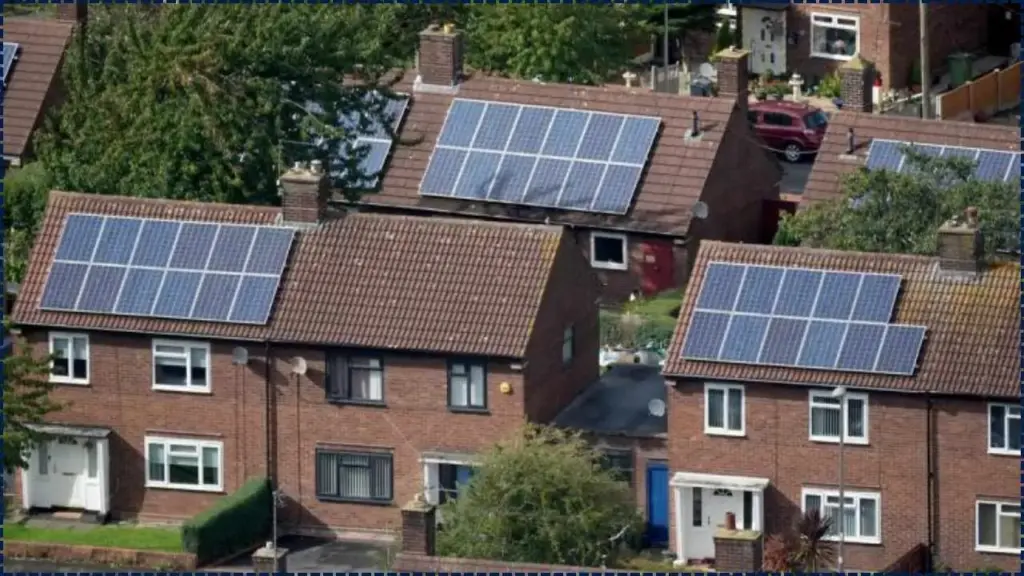
The new plan shifts away from traditional grant-only schemes toward a mixed model of targeted subsidies, loans, and local funding to expand access and accelerate decarbonization.
Replacing Traditional Solar Grants
| Key Fact | Detail |
|---|---|
| ECO4 End Date | December 31, 2026 |
| Warm Homes Plan Budget | £15 billion through 2030 |
| Core Change | Grants → Hybrid funding (grants + loans) |
| Solar Access | Expanded to middle-income households |
| Policy Goal | Net-zero emissions by 2050 |
The transition beyond ECO4 marks a significant evolution in UK energy policy. By shifting from traditional solar grants to a more flexible funding model, the Warm Homes Plan aims to expand access, accelerate adoption, and support long-term climate goals. Its success will depend on effective implementation and public confidence in the new system.
Understanding Replacing Traditional Solar Grants: A Structural Policy Reset
The Replacing Traditional Solar Grants represents a fundamental redesign of the UK’s approach to home energy upgrades. Unlike ECO4, which relied on energy suppliers to fund improvements, the new plan is directly backed by government spending and coordinated through national and local authorities.
The change reflects growing pressure to accelerate clean energy adoption while addressing rising household energy costs. Policymakers argue that the previous system was too narrow and fragmented to meet long-term climate targets.
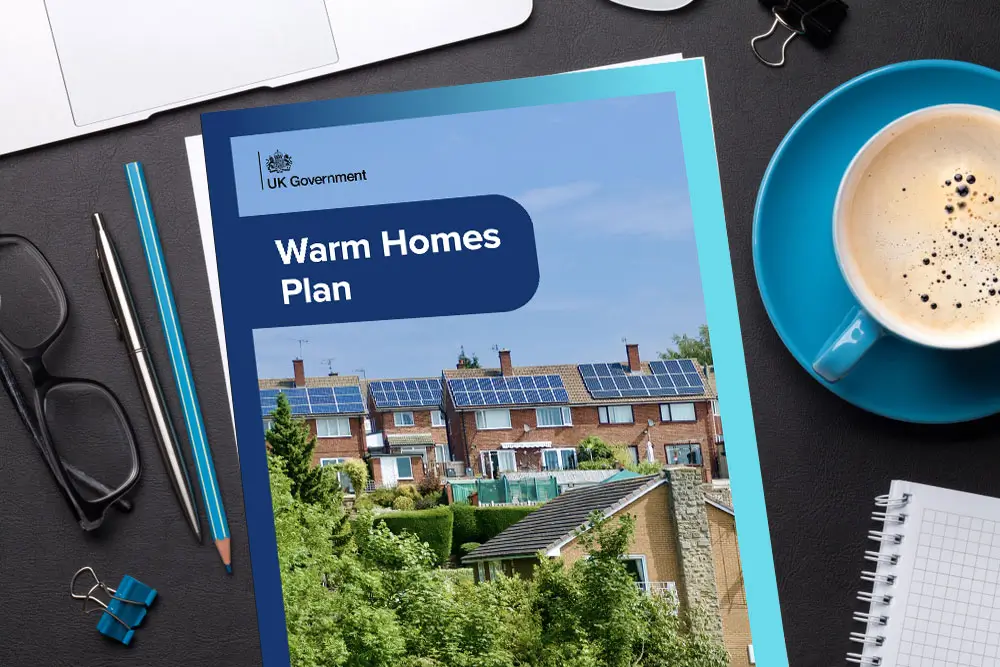
According to government policy briefings, the Warm Homes Plan aims to upgrade millions of homes by 2030, focusing on solar energy, insulation, and low-carbon heating technologies.
Why ECO4 Is Being Phased Out
Supplier Burden and Market Limitations
ECO4 placed legal obligations on energy companies to fund efficiency upgrades. While effective in targeting vulnerable households, analysts say it created uneven financial pressures across the energy sector.
A senior energy analyst noted that “supplier-led schemes lack the scale and flexibility needed for nationwide transformation.”
Limited Reach
ECO4 primarily served households on government benefits or those classified as fuel-poor. This excluded a large segment of the population that still faced high energy costs but did not meet eligibility thresholds.
Slow Solar Deployment
The scheme prioritized insulation before renewable technologies. While this improved efficiency, it delayed solar panel adoption, which many experts consider critical for rapid decarbonization.
The Warm Homes Plan: A New Funding Ecosystem
A Government-Led Investment Strategy
The Warm Homes Plan introduces a centralized funding model supported by £15 billion in public investment. The program is designed to operate alongside private financing and local initiatives.
Three-Tier Funding Approach
- Targeted Grants
- Fully or heavily subsidized upgrades for low-income households
- Focus on reducing fuel poverty
- Low-Interest Loans
- Available to a wider population
- Designed to spread costs over time
- Local Authority Programs
- Region-specific funding schemes
- Tailored to housing conditions and local needs
Timeline: From ECO4 to Warm Homes Plan
Key Milestones
- 2022–2023: ECO4 implementation begins.
- 2024–2025: Policy reviews highlight limitations.
- 2026: ECO4 scheduled to end.
- 2026–2027: Warm Homes Plan rollout begins.
- 2030: Target for large-scale home upgrades.
This phased transition is intended to avoid disruption while scaling up new funding mechanisms.
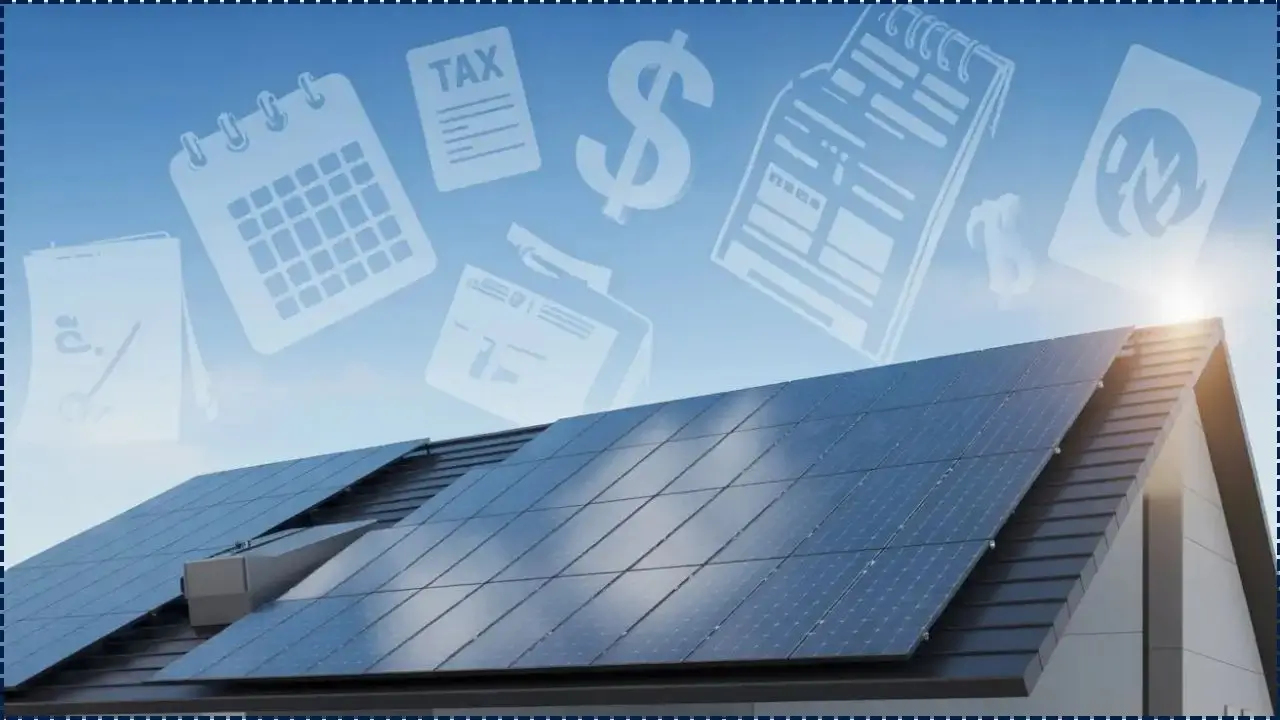
How Solar Funding Is Changing
End of Universal “Free Solar”
Under ECO4, some households received fully funded solar installations. Under the Warm Homes Plan, such support will be limited primarily to those in severe financial need.
Financing Becomes Central
Most households will access solar through low-interest loans. Government officials argue that falling solar costs and energy savings make this model sustainable.
Broader Accessibility
The inclusion of middle-income households is one of the most significant changes. Analysts say this could dramatically increase adoption rates.
Regional Impact and Local Delivery
Local authorities are expected to play a critical role in implementation. Councils will administer funding programs, identify eligible households, and coordinate installations.
Regional Variations
- Urban areas may focus on retrofitting older housing stock.
- Rural regions may prioritize off-grid or high-cost energy households.
A local government official stated that “flexibility at the regional level is essential to address diverse housing challenges.”
Industry and Market Response
Solar Industry Growth
Solar companies have welcomed the policy shift, citing increased demand and a more predictable funding environment. Industry representatives say the move toward financing aligns with global trends and could stimulate innovation.
Financial Sector Involvement
Banks and green finance institutions are expected to play a larger role, offering tailored loan products for energy upgrades.
Expert Analysis: Opportunities and Risks
Opportunities
- Faster solar adoption.
- Reduced reliance on fossil fuels.
- Greater consumer choice.
Risks
- Potential affordability concerns.
- Complexity in navigating funding options.
- Need for strong regulatory oversight.
An academic expert in energy policy noted that “success will depend on balancing accessibility with financial sustainability.”
Consumer Considerations
What Homeowners Should Know
- Evaluate total installation costs vs. long-term savings.
- Compare grant eligibility and loan options.
- Seek certified installers.
Energy advisors recommend careful planning to maximize benefits under the new system.
Broader Policy Context
The Warm Homes Plan is part of the UK’s broader strategy to achieve net-zero emissions by 2050. It aligns with international efforts to transition toward cleaner energy systems.
6kW सोलर सिस्टम पर कितना लोड उठा सकते हैं, क्या यह आपके घर और बिजनेस दोनों के लिए है सही विकल्प?
Similar models are emerging globally, reflecting a shift from subsidy-heavy programs to mixed financing approaches.
Related Links
Is the Federal Solar Portal Still Open? Checking the 2026 Status of the Greener Homes Initiative
Beat the Taper: Why 14kWh is the New “Magic Number” for Australia’s Battery Subsidy
Public and Advocacy Group Reactions
Consumer advocacy groups have expressed cautious support. While welcoming broader access, they emphasize the need to protect vulnerable households.
Environmental organizations argue that the plan must be implemented quickly to meet climate targets.
FAQs
What replaces ECO4?
The Warm Homes Plan replaces ECO4 with a hybrid funding system combining grants, loans, and local programs.
Will solar panels still be free?
Only for eligible low-income households. Most homeowners will use financing options.
Is the new system better?
It offers broader access but introduces financial commitments for many users.
When does the change happen?
ECO4 ends in December 2026, with the new plan rolling out immediately after.