
Alberta has emerged as Canada’s solar energy leader, driving the majority of new renewable capacity despite its northern latitude and cold climate, as strong sunlight, market-driven policies, and private investment reshape the province’s energy system and economic trajectory.
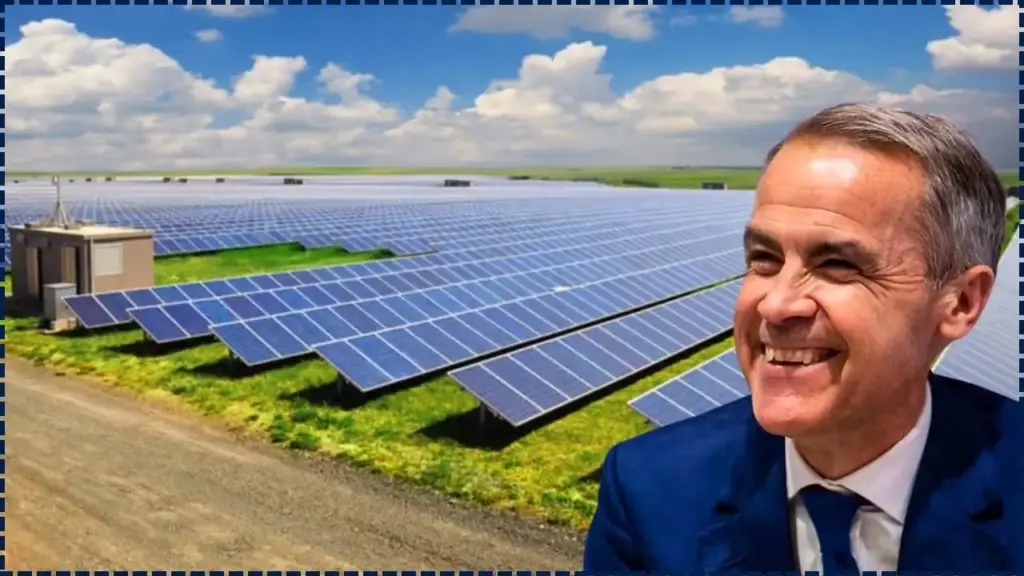
Alberta is Canada’s Solar Powerhouse
| Key Fact | Detail |
|---|---|
| Solar growth leader | Alberta leads Canada in new capacity |
| Installed capacity | Over 1.4 GW solar |
| Market type | Deregulated electricity system |
| Major project | Travers Solar (465 MW) |
| Key challenge | Policy uncertainty and grid integration |
Alberta’s emergence as Canada’s solar powerhouse illustrates how natural resources, market design, and investment can transform an energy system, even in a region long associated with fossil fuels, as the province navigates the opportunities and risks of a rapidly evolving energy transition.
Alberta’s Solar Powerhouse Status Defies Geography
Alberta’s rise as a solar leader challenges assumptions about renewable energy in cold climates. The province, known globally for oil production, now dominates Canada’s solar expansion.
Southern Alberta benefits from strong solar irradiation levels, with clear skies and long daylight hours during summer months. According to federal data, these conditions support high annual solar output compared to other Canadian regions.
Experts note that cold temperatures can improve solar panel performance, offsetting concerns about winter conditions.“Efficiency actually improves in cooler climates,” said an energy systems researcher at a Canadian university. “Sunlight availability matters more than temperature.”
Rapid Growth: Alberta Drives Canada’s Renewable Expansion
Alberta’s solar growth has been both rapid and concentrated. Industry data shows the province accounted for more than 90% of Canada’s new renewable energy capacity in recent years. Installed solar capacity now exceeds 1.4 gigawatts, with significant additional projects under development.
This expansion reflects a broader transition toward privately financed renewable energy projects in Canada.
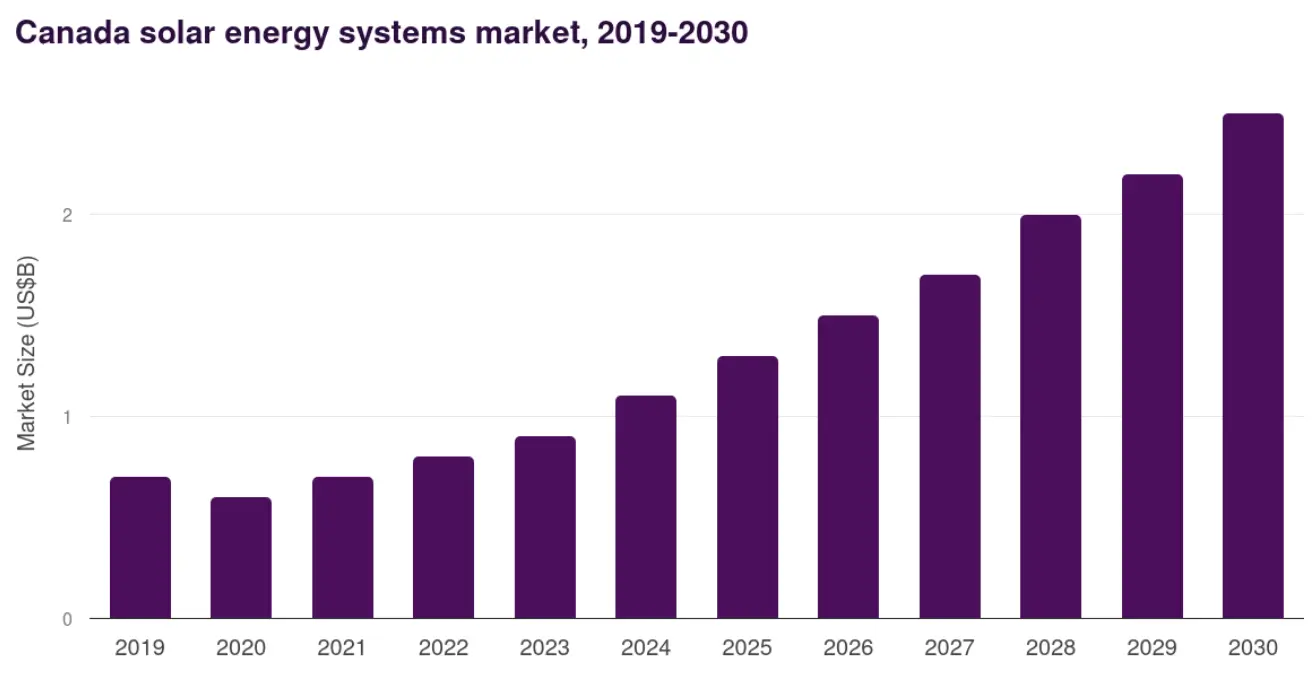
Alberta is Canada’s Solar Powerhouse: Why Alberta Leads Canada’s Solar Market
1. High Solar Resource Quality
Southern Alberta receives among the highest levels of solar radiation in Canada, improving efficiency and reducing project costs.
2. Competitive Electricity Market Structure
Alberta’s deregulated electricity market allows private developers to build and sell power without relying on government procurement programs. This system enables:
- Faster project approvals
- Market-based pricing
- Greater investment flexibility
3. Corporate Demand for Clean Energy
Large corporations are increasingly purchasing renewable energy through long-term agreements, known as power purchase agreements (PPAs). These contracts:
- Provide stable revenue for developers
- Help companies meet emissions targets
- Encourage large-scale project development
4. Land Availability for Utility-Scale Solar
Alberta’s vast rural land base supports large solar installations, often exceeding hundreds of megawatts. This enables economies of scale and lower per-unit costs.
5. Economic Transition from Fossil Fuels
As Canada’s largest oil-producing province, Alberta faces pressure to diversify its energy economy. Renewables offer:
- New investment opportunities
- Job creation
- Reduced emissions
Timeline: Alberta’s Solar Rise
- 2015–2018: Limited solar development; policy groundwork begins
- 2019–2021: Early utility-scale projects approved
- 2022–2023: Rapid expansion driven by private investment
- 2024–2025: Alberta dominates national renewable growth
- 2026: Market faces policy uncertainty but remains growth leader
Major Projects Transforming the Landscape
Travers Solar Project
- Capacity: 465 MW
- One of the largest solar farms in North America
- Powers tens of thousands of homes
Such projects demonstrate Alberta’s shift toward large-scale renewable infrastructure.
Energy Storage: The Missing Piece
As solar capacity grows, energy storage becomes increasingly important.
Role of Batteries
Battery systems can:
- Store excess solar energy
- Provide electricity during peak demand
- Stabilize the grid
Economic Challenges
However, storage remains expensive, limiting widespread deployment. Experts say falling battery costs could unlock the next phase of solar growth.
Impact on Electricity Prices
Alberta’s market-based system means electricity prices fluctuate based on supply and demand.
Ujaas Energy Ltd: एनर्जी सेक्टर के इस शेयर में उछाल, निवेशकों को दिया 2,063% का शानदार रिटर्न
Short-Term Effects
Increased solar generation can lower prices during peak production periods.
Long-Term Effects
However, price volatility may increase due to intermittent supply. Consumers may experience:
- Lower daytime prices
- Higher prices during low-generation periods
Indigenous and Community Perspectives
Renewable energy development in Alberta increasingly involves Indigenous communities.
Opportunities
Some projects include:
- Indigenous ownership stakes
- Revenue-sharing agreements
- Job creation
Concerns
However, issues remain regarding:
- Land use
- Environmental impact
- Consultation processes
Experts emphasize the importance of inclusive planning.
Environmental Trade-Offs
While solar energy reduces emissions, it also raises environmental considerations.
Land Use
Large solar farms require significant land, potentially affecting agriculture or ecosystems.
Biodiversity
Projects must consider impacts on wildlife and natural habitats.
Lifecycle Emissions
Solar panels have manufacturing and disposal impacts, though significantly lower than fossil fuels.
Regulatory Uncertainty and Investor Risk
Recent policy discussions have introduced uncertainty into Alberta’s renewable sector.
Policy Debates
Proposals to restrict development on agricultural land have raised concerns.
Investment Impact
Uncertainty may:
- Delay projects
- Increase financing costs
- Reduce investor confidence
“Policy clarity is essential for long-term investment,” said an energy finance analyst.

सोलर पैनल में इन्वर्टर बैटरी का क्या काम है, क्या सोलर पैनल को सीधे इन्वर्टर से जोड़ सकते हैं? जानिए
Comparison With Other Provinces
- Ontario: Early leader through government incentives
- Quebec: Dominated by hydroelectric power
- British Columbia: Focus on hydro and emerging renewables
Alberta’s growth stands out due to its market-driven approach.
Global Context: Alberta’s Position in the Solar Market
Globally, solar energy is expanding rapidly. Countries such as:
- United States
- China
- India
have scaled solar through policy support and infrastructure investment. Alberta’s model—driven by private markets—offers a distinct alternative.
Related Links
Tesla in $2.9 Billion Talks with Chinese Firms to Build 100 GW Solar Capacity in the US
Future Outlook: Growth With Uncertainty
Alberta’s solar sector is expected to continue growing, but challenges remain.
Key Factors
- Policy stability
- Grid modernization
- Energy storage deployment
Expert View
“The fundamentals are strong, but policy direction will determine the pace,” said an energy transition researcher.
FAQs
Why is Alberta good for solar power?
High sunlight levels and favorable market conditions make it ideal.
Does cold weather affect solar panels?
No. Cooler temperatures can improve efficiency.
What are the main challenges?
Grid integration, policy uncertainty, and seasonal variability.
How does Alberta compare globally?
It is a fast-growing regional leader with a unique market-driven model.
Will solar continue to grow?
Yes, though growth depends on policy and investment conditions.