

As electricity tariffs rise and rooftop solar adoption accelerates, Indian households are increasingly evaluating cost-saving options. The Zero Bill Blueprint, a 3kW rooftop solar system, has emerged as a viable solution for offsetting household consumption.
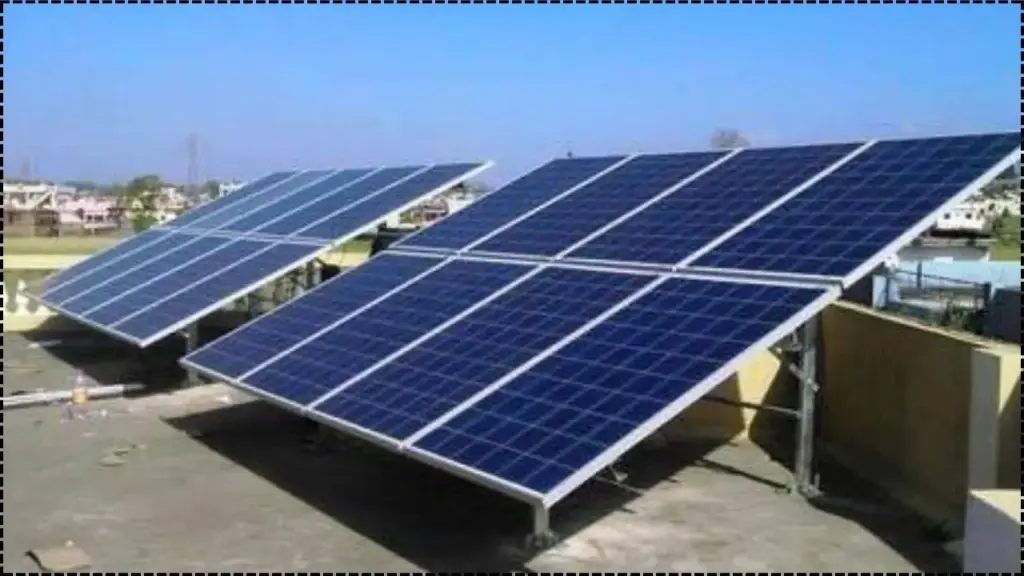
With subsidies, net metering, and efficient usage, experts say many users can reduce their electricity bills to near zero within a few years.
Why a 3kW System Is the Benchmark for Zero-Bill Households
A 3kW system is widely considered optimal for middle-income Indian households. It aligns closely with average consumption patterns and available rooftop space.
According to solar consultants, most 2–3 BHK homes consume between 300 and 450 units per month, which a 3kW system can largely offset.“This is the most practical entry point for residential solar,” said an energy analyst at a Mumbai-based consultancy. “It balances affordability and output effectively.”
Understand Your Electricity Consumption Pattern
Electricity usage is the foundation of savings calculations.
Typical Urban Profile
- Monthly usage: 300–450 units
- Bill: ₹2,000–₹4,000
- Peak usage: evenings
Tariff Slab Impact
Electricity pricing in India follows slab-based billing:
- First slab: lower rates.
- Higher usage: higher per-unit cost.
Solar offsets higher slabs first, increasing savings.
Estimate Solar Generation
3kW System Output
- Daily: 12–15 units.
- Monthly: 360–450 units.
- Annual: 4,500 units (average).
Output varies based on:
- Location.
- Season.
- Panel efficiency.
Calculate System Cost and Subsidy
2026 Cost Estimate
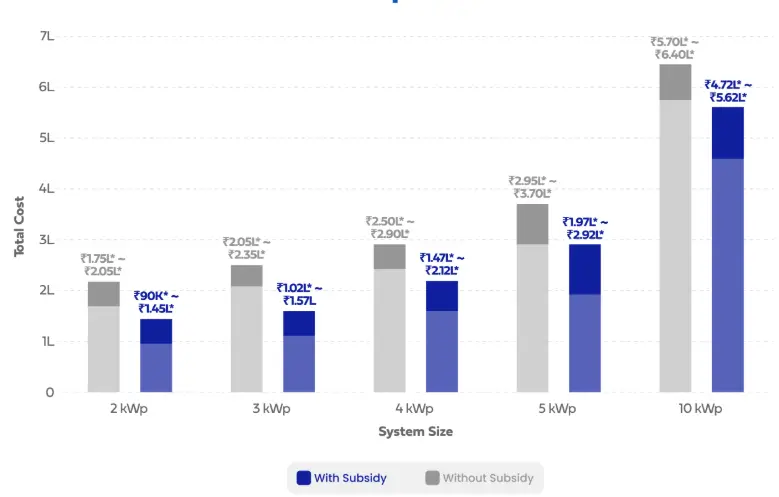
- Gross cost: ₹1.6–₹2.1 lakh.
- Subsidy: up to ₹78,000.
Net Cost
- ₹80,000–₹1.3 lakh.
The PM Surya Ghar scheme significantly reduces entry barriers. Officials from the Ministry of New and Renewable Energy state that subsidies aim to “accelerate residential solar adoption and reduce dependence on grid electricity.”
Calculate Monthly Savings
Formula
Savings = Units Generated × Tariff
Example
- 400 units × ₹7 = ₹2,800/month.
Higher tariff states (Delhi, Maharashtra) see greater savings.
Time-of-Day Usage Optimisation (Critical Factor)
Solar generates power during the day.
Optimisation Strategy
- Run appliances (washing machine, AC) during daytime.
- Reduce evening grid dependency.
Experts say this can increase savings by 10–20%.
Net Metering and Billing Reality
Net metering allows surplus energy export.
How It Works
- Daytime excess → grid.
- Night usage → offset by credits.
Reality Check
- Billing cycles vary by state.
- Some DISCOMs impose limits.
“Net metering policies are crucial to achieving zero bills,” said a policy researcher at a Bengaluru think tank.
Battery vs On-Grid Systems
On-Grid (Most Common)
- Lower cost.
- Depends on grid.
- Eligible for net metering.
Battery System
- Higher cost (+₹80k–₹1.5 lakh).
- Backup power.
- Lower ROI.
Experts generally recommend on-grid systems for urban users.

Waaree और Premier Energies के शेयरों में फिर गिरावट! जानें क्या वजह है इस स्टॉक के गिरने की
Payback Period Calculation
Formula
Payback = Cost ÷ Annual Savings.
Example
- Cost: ₹1,20,000
- Savings: ₹33,000/year
Payback ≈ 3.5–4 years
Degradation-Adjusted Savings
Solar panels degrade over time.
Degradation Rate
- ~0.5% annually
Impact
- Slight reduction in output.
- Minor effect on long-term ROI.
Even after 25 years, panels operate at ~80% efficiency.
Lifetime Savings Calculation
25-Year Savings
- ₹15–20 lakh
Includes:
- Tariff escalation.
- Free electricity post-payback.
Financing Sensitivity (Loan vs Cash)
Loan Scenario
- EMI: ₹3,000/month.
- Savings: ₹3,000/month.
Cash Purchase
- Faster ROI
- Higher upfront cost
Hybrid Insight
Experts say financing improves liquidity while maintaining returns.
Rooftop Space and Technical Requirements
Space Needed
- ~250–300 sq ft
Other Requirements
- South-facing roof preferred
- Minimal shading
- Structural strength
Technical feasibility is often overlooked but critical.
Hidden Costs and Maintenance
Additional Costs
- Inverter replacement (₹20k–₹40k).
- Cleaning (₹1k–₹3k/year).
- Insurance.
Despite this, net savings remain strong.
Urban vs Rural Financial Viability
Urban
- Faster ROI
- Higher tariffs
- Strong net metering
Rural
- Lower tariffs
- Slower ROI
- Better backup value
Policy Risks and Future Outlook
Risks
- Changes in subsidy
- Net metering revisions
- DISCOM regulations
Future Trends
- Smart meters integration
- Dynamic tariffs
- Solar + EV integration
Related Links
AI & Drones in Solar: How Smart Monitoring is Increasing Solar Farm Efficiency by 15% in India
Consumer Perspective
“I recovered my investment in four years and now pay almost nothing,” said a Pune-based homeowner who installed a 3kW system in 2021. Such real-world cases are driving adoption.
The Zero Bill Blueprint, a 3kW rooftop solar system, provides a clear and measurable pathway to reducing electricity bills to near zero. With subsidy support, net metering, and efficient usage patterns, households can achieve payback within a few years and generate significant long-term savings.
As India’s energy landscape evolves, rooftop solar is increasingly becoming both an economic and strategic investment for households.