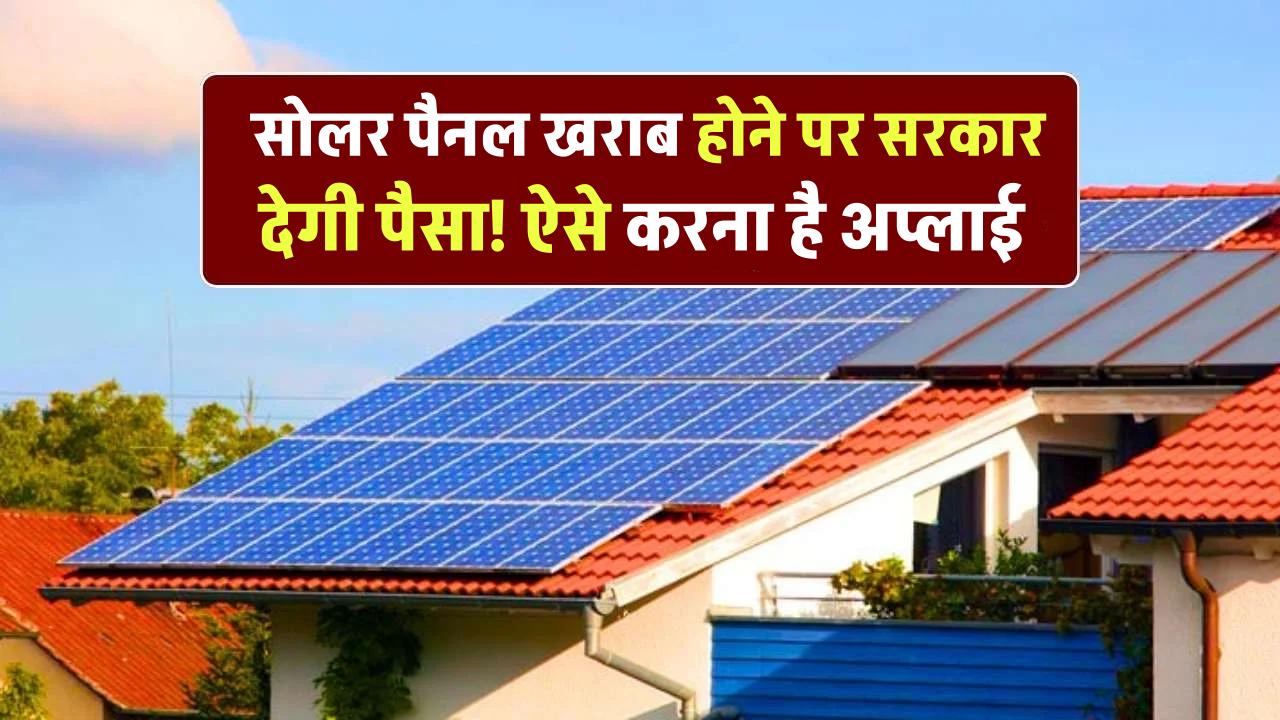
New Zealand’s Warmer Kiwi Homes programme, aimed at improving the energy efficiency of homes across the country, has undergone significant changes in 2026. This year, the programme has extended its reach, providing additional financial assistance for households wishing to upgrade their homes with energy-efficient systems, including solar-ready heating solutions.
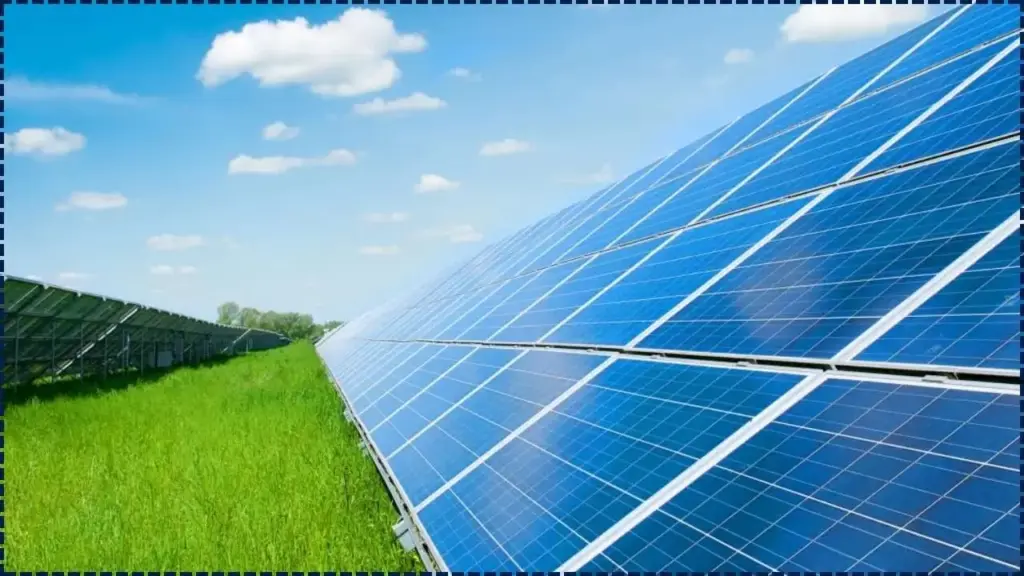
The Warmer Kiwi Homes initiative, administered by the Energy Efficiency and Conservation Authority (EECA), is designed to help homeowners access grants for insulation, efficient heating, and in certain cases, solar systems that help reduce energy consumption.
The expansion of eligibility for 2026 is part of the government’s broader strategy to promote sustainability and reduce household energy costs.
Here, we explain the new eligibility criteria for the 2026 Warmer Kiwi Homes programme, detailing who qualifies for grants, the available funding, and how New Zealand residents can benefit from these government-backed energy efficiency initiatives.
What is the Warmer Kiwi Homes Programme?
The Warmer Kiwi Homes programme aims to provide subsidies for insulation and heating upgrades to New Zealand homeowners. Its purpose is to help people lower their energy costs by making homes warmer and more energy-efficient.
Under the programme, homeowners can receive grants for:
- Insulation: including ceiling, underfloor, and wall insulation.
- Efficient Heating: including heat pumps and other energy-efficient heating solutions.
- Solar-Ready Systems: In select cases, the programme now provides support for solar-ready energy systems, such as solar water heating or heat pump installations.
These upgrades are designed to reduce energy usage, improve living conditions, and decrease household carbon footprints.
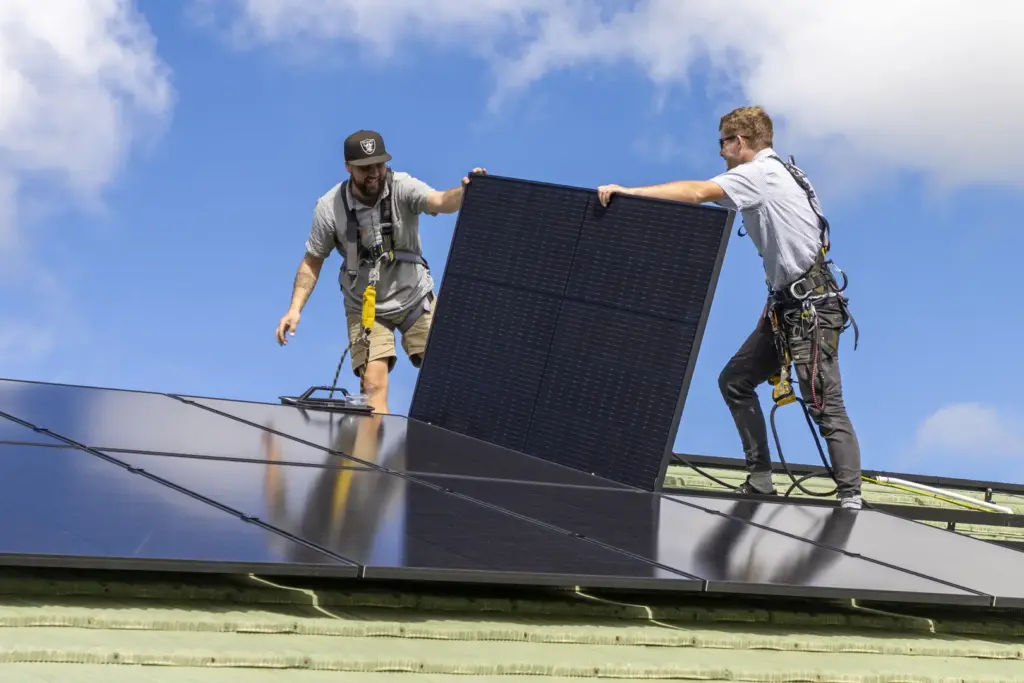
2026 Eligibility Criteria: Who Qualifies for Warmer Kiwi Homes Grants?
The Warmer Kiwi Homes programme has expanded in 2026, making more households eligible for subsidies. Below is a detailed breakdown of who qualifies under the 2026 eligibility list.
1. Homeownership and Primary Residence Requirement
- Eligible Homeowners: Applicants must own and live in the property as their primary residence.
- Property Type: The property must be a standalone house or a unit with at least one floor (townhouses and duplexes are also eligible).
- Age of Home: Homes built before 2008 are eligible, as these older homes tend to have lower insulation standards.
2. Income and Community Services Card Holders
Eligibility for the Warmer Kiwi Homes programme is heavily linked to income levels and access to financial support programs. To qualify for the full range of grants, applicants must meet one of the following criteria:
- Community Services Card: Households receiving a Community Services Card (CSC) qualify for the highest level of support.
- SuperGold Combo Card: If applicants hold a SuperGold Combo Card, they are also eligible for the programme’s grants. This card is available to seniors and those receiving financial support.
Additionally, households located in areas of higher socio-economic need (as determined by the New Zealand Deprivation Index) may qualify for higher subsidies.
- Deprivation Index Zones: The NZDep zones 9 and 10 correspond to higher deprivation levels and qualify for 90% grants, while zones 5–8 receive partial funding.
3. Eligible Heating and Insulation Grants
For 2026, the Warmer Kiwi Homes programme provides grants for both insulation and heating solutions:
- Insulation Grants:
- Homes in high-need communities (e.g., low-income, older homes) may receive 90% subsidies for ceiling, floor, and wall insulation installation.
- Homes in medium-need areas may qualify for 80% subsidies, and households in lower-need areas may receive up to 50% funding for insulation installation.
- Heating Grants: Homeowners who already have insulation in place may be eligible for up to $3,500 in grants for efficient heating systems such as heat pumps and energy-efficient wood burners.
4. Solar-Ready Funding for Heating Systems
The Warmer Kiwi Homes programme does not offer direct grants for solar panels, but it now provides funding for solar-ready heating systems.
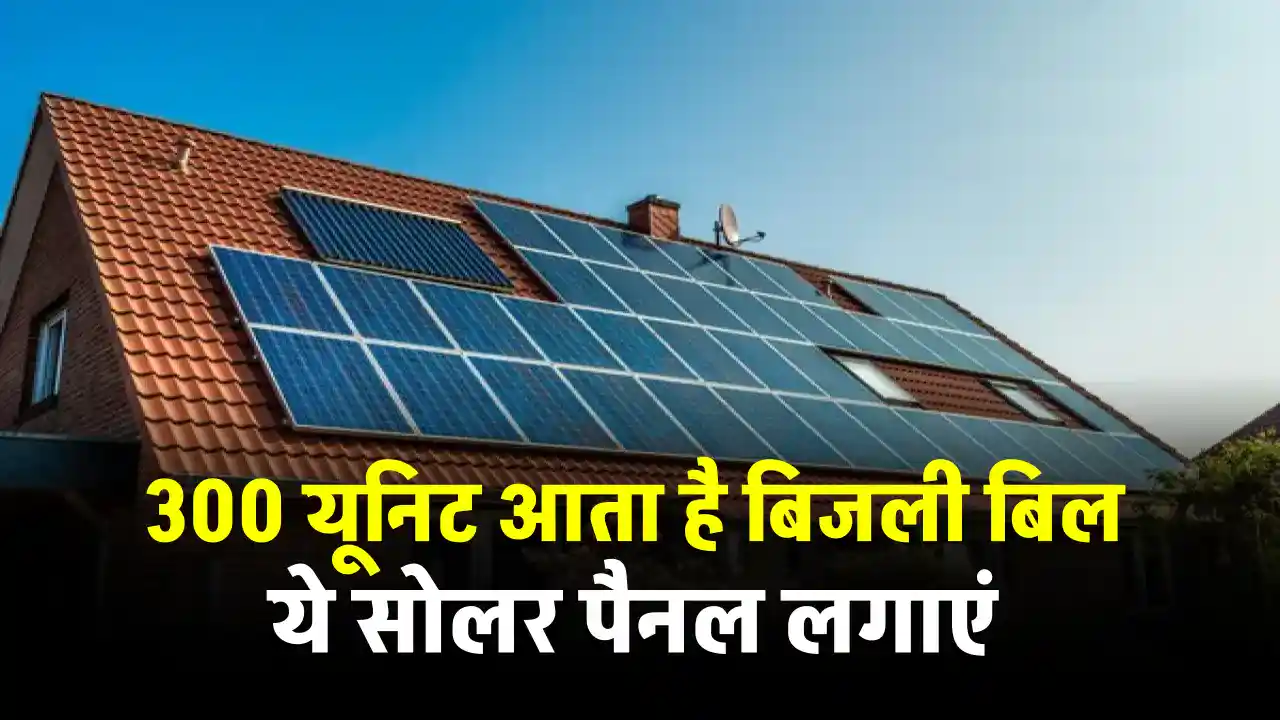
For homes that meet the insulation standards, the following can be funded:
- Solar Water Heating Systems: Homes may receive subsidies for solar water heating solutions as part of the programme’s broader clean energy initiative. This includes installing systems designed to use the sun’s energy for water heating.
- Heat Pumps: The programme may fund heat pump installations that are compatible with solar-ready technology, further reducing reliance on grid power.
5. Rental Properties and Exclusions
Rental properties do not qualify for Warmer Kiwi Homes grants. The programme is strictly available for homeowners who live in the properties as their primary residence. This is in line with New Zealand’s broader policy of focusing grants on permanent residents rather than temporary residents or non-owner-occupied homes.
Apply for the Warmer Kiwi Homes Grants
- Eligibility Check: The first step is checking your eligibility for the programme. You can do this using the EECA’s online eligibility checker, which evaluates income, property type, and location.
- Choose an Approved Installer: Once eligibility is confirmed, homeowners must choose an EECA-approved installer to complete the work. These approved professionals will assess the home’s energy efficiency and recommend the necessary upgrades.
- Grant Application: After a quote is provided, the installer will submit a grant application on behalf of the homeowner to EECA for approval. Once approved, the homeowner will receive a final invoice, with the grant amount deducted.
- Completion of Work: The installer completes the energy efficiency upgrades (insulation, heating, solar-ready systems), and the homeowner benefits from the upgrades, with lower energy bills and increased home comfort.
Regional Variations and Local Support
Some regions in New Zealand offer additional support beyond the Warmer Kiwi Homes programme. For example, local councils and trusts in regions like Hawke’s Bay or Tauranga may offer top-up grants that supplement EECA’s funding.
These grants can cover additional costs for home heating or insulation, further reducing the financial burden on homeowners.
Success Stories: Real Impact on New Zealand Homes
For example, in Whakatāne, local homeowners who installed solar water heating systems through Warmer Kiwi Homes reported a 30% reduction in their energy bills, providing both environmental and financial benefits.
Jane Harris, a homeowner from Christchurch, shared that upgrading her insulation through the programme “has made a massive difference” in the comfort and warmth of her home, especially during the cold winter months.

Comparison with Global Programmes
New Zealand’s Warmer Kiwi Homes programme is similar to initiatives in other countries aimed at improving energy efficiency and reducing carbon footprints. For example, Canada’s Greener Homes Initiative offers similar rebates for energy-efficient upgrades, including insulation and solar panels.
Similarly, the UK’s Green Homes Grant programme provided incentives for energy-saving home improvements. These global comparisons underscore the growing trend towards energy-efficient home upgrades as part of a global movement to reduce household carbon emissions.

Related Links
The Future of Warmer Kiwi Homes and Solar Energy
As New Zealand continues to prioritize energy efficiency and carbon neutrality, solar energy remains a critical component of future residential upgrades.
The Warmer Kiwi Homes programme, while not directly funding solar panel installations, continues to integrate clean energy technologies like solar heating into the broader energy strategy.
With rising electricity costs and increased climate concerns, it is likely that New Zealand’s future energy policies will continue to evolve, encouraging more widespread solar energy adoption and improved sustainability across the housing sector.
FAQs
Q: What are the key eligibility requirements for Warmer Kiwi Homes grants?
A: To qualify, homeowners must live in a home built before 2008, meet income-based eligibility (e.g., Community Services or SuperGold Combo cardholders), and reside in a Deprivation Zone (higher subsidies in Zones 9–10).
Q: Can renters apply for the Warmer Kiwi Homes programme?
A: No, the programme is only available to homeowners who live in their primary residence.
Q: Does the programme cover solar panels?
A: The programme does not provide grants for solar panels, but it offers subsidies for solar water heating and solar-compatible heating systems as part of broader energy efficiency upgrades.