As part of the Czech Republic’s commitment to reducing energy poverty and enhancing the country’s energy transition, the NZÚ Light 2026 program is a significant step forward. This updated iteration of the Nová Zelená Úsporám (NZÚ) program aims to make solar photovoltaic systems, heat pumps, and energy storage systems affordable for low-income households, ensuring that every citizen can benefit from renewable energy without financial strain.

The NZÚ Light initiative provides direct subsidies for clean energy solutions, with a specific focus on vulnerable groups in the Czech population. This program not only reduces household energy bills but also helps in achieving the country’s renewable energy goals, moving closer to carbon neutrality.
What is NZÚ Light 2026?
NZÚ Light is a targeted subsidy program designed to help low-income and vulnerable households adopt energy-efficient solutions, including solar PV, heat pumps, and home energy storage systems. The program offers financial assistance for the installation of these technologies, aiming to reduce household energy costs and improve energy self-sufficiency.
While the Nová Zelená Úsporám (NZÚ) program has helped thousands of households improve energy efficiency, NZÚ Light focuses specifically on those who need the most assistance, such as pensioners, families with children, and households receiving social benefits.
Who is Eligible for NZÚ Light 2026?
The primary goal of NZÚ Light is to support low-income households and ensure they are not left behind in the transition to renewable energy. The eligibility criteria for NZÚ Light 2026 are as follows:
- Low-income households (those receiving pensions, disability benefits, child allowances, etc.).
- Homeowners who live in their primary residence.
- Proof of low-income status such as pension statements or housing benefits may be required for application.
- The home must be a permanent residence (second homes are typically not eligible).
This program ensures that the most vulnerable segments of the population, who might otherwise struggle with high energy costs, can access renewable energy technologies and reduce their dependency on expensive fossil fuels.
What Does NZÚ Light 2026 Cover?
The NZÚ Light 2026 program offers substantial subsidies for several energy-saving technologies aimed at reducing household energy bills and improving home comfort:
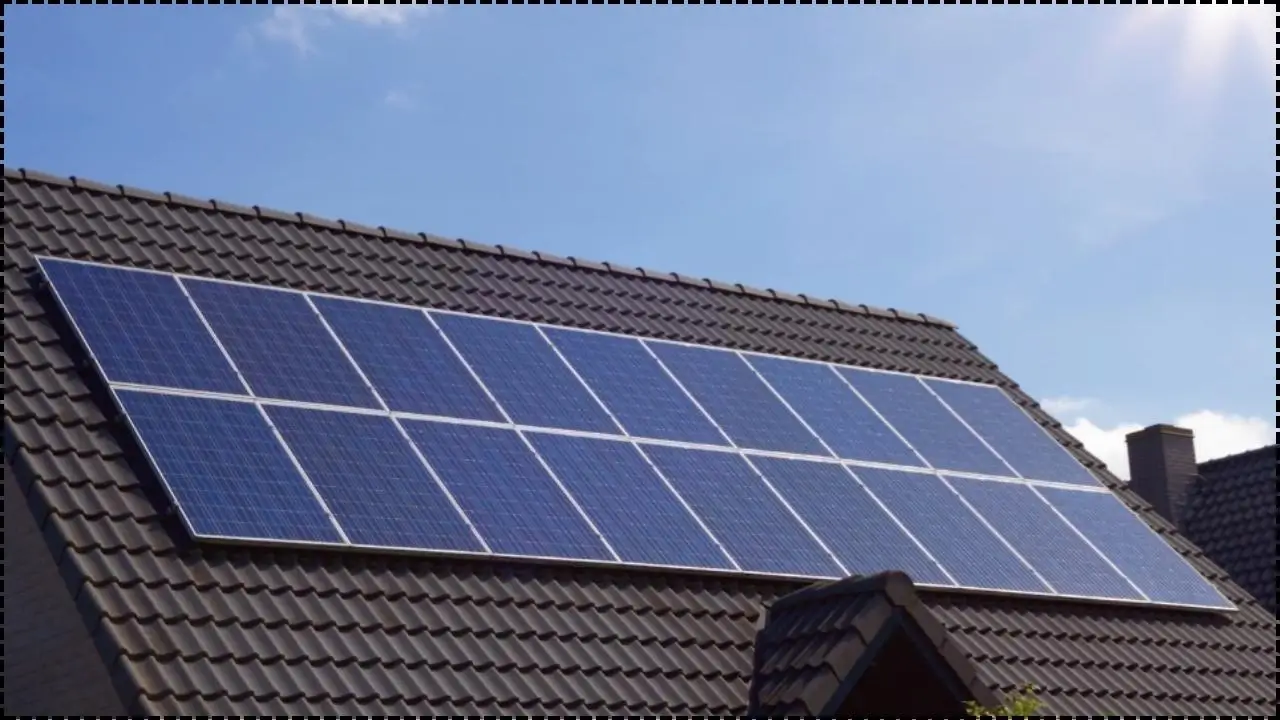
1. Solar Photovoltaic (PV) Systems
- Subsidy Amount: Up to CZK 100,000 for the installation of solar panels.
- Solar panels reduce electricity bills by enabling households to generate their own electricity. Excess power can be stored or sold back to the grid, providing additional savings.
2. Heat Pumps
- Subsidy Amount: Up to CZK 50,000 for heat pump systems.
- Heat pumps provide efficient heating and cooling solutions by transferring heat rather than generating it through combustion, helping households save on heating costs.
3. Energy Storage Systems
- Subsidy Amount: Up to CZK 50,000 for energy storage systems (e.g., batteries).
- These systems allow homeowners to store excess solar power for use during times when the sun isn’t shining, increasing self-consumption and reducing reliance on the national grid.
4. Additional Energy Efficiency Measures
- NZÚ Light can also cover improvements to home insulation, replacement of old windows, and heating systems, helping further reduce energy consumption. Grants can be used in conjunction with solar or heat pump installations to create more efficient homes.
Vítr obci platí kanalizaci
🌬️Obnovitelné zdroje nejsou jen elektřina do sítě, ale i nový příjem pro obce, které je mají na svém území.
🏘️Jívová na Olomoucku má přes 600 obyvatel a roční rozpočet kolem 17 mil. Kč; první rok z větrníků získala 1,017 mil. Kč.
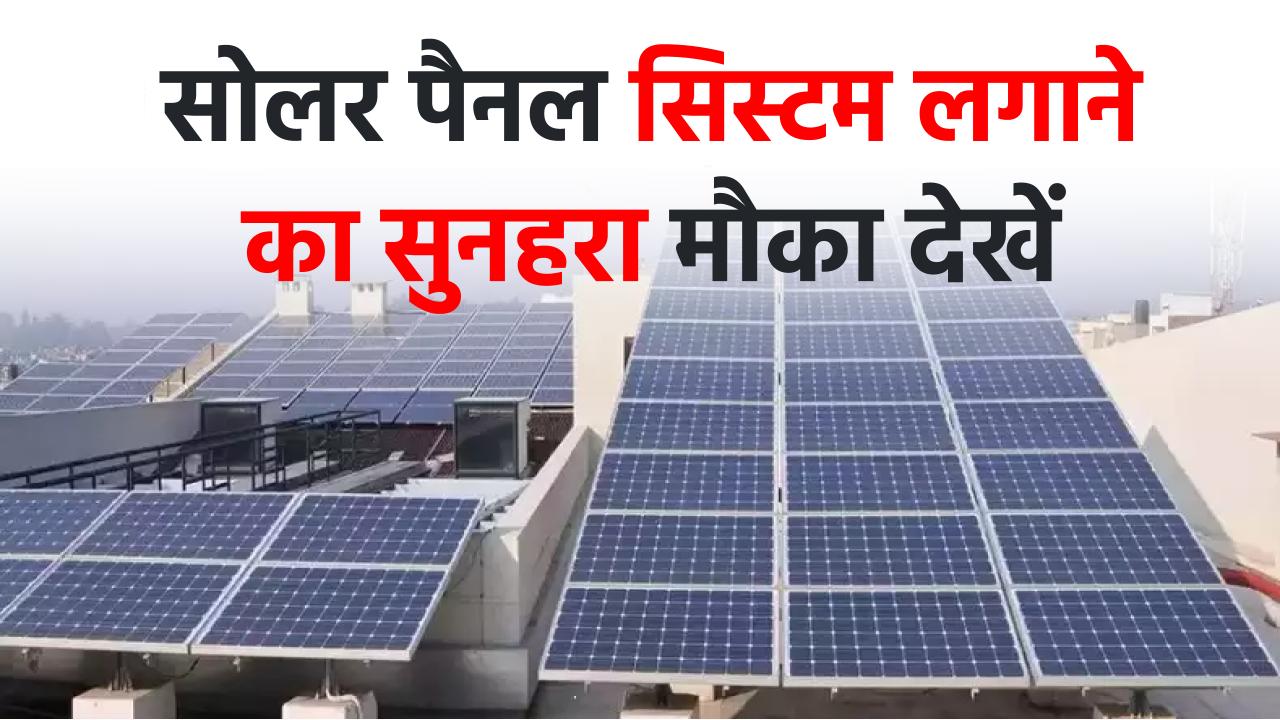
⚡Pět větrných… pic.twitter.com/QJXNDafxRMAlso Read— Ondrej Bacina ⚡️🔋🚗 🤖🇨🇿🇺🇦 (@OndrejBacina) April 27, 2026PM Surya Ghar Yojana: सोलर पैनल लगाने का सुनहरा मौका! सिर्फ 6% ब्याज पर लोन और भारी सब्सिडी
Financial and Practical Highlights for 2026
- No Interest or Loan Requirements: The subsidy program provides direct grants, which do not require repayment or loans, making it financially accessible to those who need it most.
- Simple Application Process: Designed to be straightforward, the program helps low-income households access energy savings without cumbersome paperwork or financial strain.
- Broad Coverage: In addition to solar and heat pumps, NZÚ Light also supports energy storage and efficiency improvements, offering a holistic approach to energy independence.
Apply for NZÚ Light 2026
Applying for NZÚ Light 2026 involves several straightforward steps:
- Check Eligibility: Ensure your household qualifies as low-income and that the property is a permanent residence.
- Prepare Documentation: Gather necessary documentation, including income proof, and technical specifications from certified installers for solar PV, heat pumps, and energy storage.
- Submit Application: Applications can be submitted through the official NZÚ Light portal once it opens in 2026.
- Approval and Installation: Once approved, proceed with installation by a certified professional. After installation, submit a final report to receive your subsidy payment.
The Economic and Environmental Impact
Boost to Local Economy and Green Jobs
One of the key benefits of the NZÚ Light program is its potential to stimulate the local economy. By supporting the installation of solar panels, heat pumps, and energy storage systems, the program creates green jobs in the installation, maintenance, and manufacturing sectors. This can significantly boost employment in local energy markets.
Long-Term Benefits for the Czech Power Grid
The adoption of distributed solar energy generation and home storage systems will help stabilize the Czech electricity grid. As more households generate and store their own power, the demand on the national grid decreases, making the grid more resilient to supply fluctuations and reducing fossil fuel dependence.
Environmental Benefits
In addition to reducing energy costs for households, solar energy and heat pumps contribute to reducing carbon emissions. With the Czech Republic’s goal of carbon neutrality by 2050, NZÚ Light directly supports this transition by reducing the use of fossil fuels and encouraging renewable energy adoption.
Testimonials and Success Stories
Many Czech households have already benefited from the previous versions of NZÚ. For instance:
- Katerina and Tomas, a pensioner couple from Prague, used the NZÚ subsidy to install solar panels and a heat pump, reducing their annual energy costs by over 50%. “The subsidy helped us afford the system. Now, we save on heating, and we don’t worry about rising electricity bills,” said Katerina.
- Janek, a single father from Brno, installed solar panels and an energy storage system, saving his family CZK 12,000 per year. “The grant made this possible. Now we rely more on solar and have greater control over our electricity use,” he added.
Related Links
SEAI Solar Grant 2026: How to Secure Your €1,800 Rebate Before the Next Revision
Germany Solar Subsidies 2026: New KfW Updates and State-Level Grants for Home Batteries
Comparing NZÚ Light with Other EU Programs
Programs similar to NZÚ Light exist across the European Union, aiming to tackle energy poverty and promote the use of renewable energy. For example, Germany’s KfW provides loans and grants for energy-saving renovations, while France’s MaPrimeRénov’ supports homeowners with subsidies for energy upgrades.
However, NZÚ Light stands out by targeting low-income households specifically, offering grants that cover up to 100% of installation costs, making it more financially accessible to the most vulnerable groups compared to other EU programs.
A Greener, More Equitable Future
The NZÚ Light 2026 program is an essential part of the Czech Republic’s effort to meet its EU climate goals while ensuring that the energy transition is inclusive. By focusing on low-income households, it helps reduce energy poverty, increases self-sufficiency, and contributes to the nation’s renewable energy goals.
As the program rolls out in 2026, it provides a tangible opportunity for those most in need to transition to renewable energy, improve home comfort, and lower energy costs — ultimately contributing to a cleaner, greener future for the Czech Republic.