
In an era of rising electricity costs and growing environmental concerns, many homeowners are turning to solar energy as a way to reduce their carbon footprints and save on utility bills. But there’s an even more lucrative aspect to having solar panels on your roof: net metering.
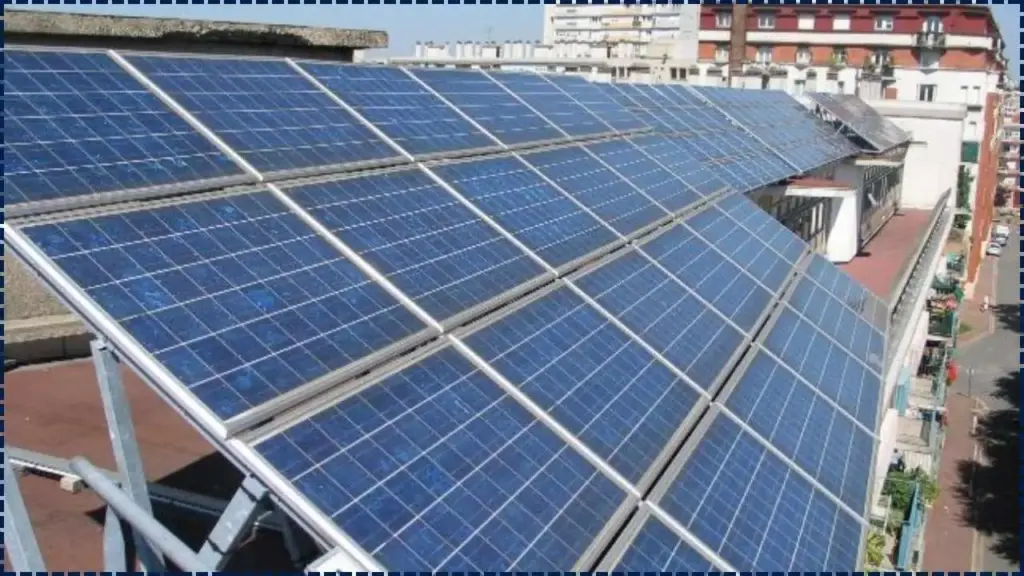
Net metering is a billing arrangement that allows solar panel owners to send excess electricity they generate back to the grid in exchange for credits. These credits can reduce energy costs or, in some cases, create a passive income stream.
Essentially, homeowners can “earn while they sleep” as their solar systems generate power during the day and credits accumulate over time. This article will guide you through the basics of net metering, how it works, and how you can maximize the potential of your rooftop solar system.
What is Net Metering?
Net metering is a financial arrangement that allows solar panel owners to receive credits for the excess electricity they generate and send back to the grid. These credits can offset your electricity consumption from the grid when your solar panels aren’t producing power, such as at night or on cloudy days.
The concept is simple:
- During the day, your solar panels generate more power than your household needs.
- The excess power flows back to the local grid, and you receive credits for that electricity.
- At night or during low-sun days, when your solar panels aren’t producing enough power, you can use the credits you’ve earned to offset the electricity you draw from the grid.
Net metering allows you to turn your solar system into a virtual battery, where excess energy is stored in the grid and can be used later. The key benefit: you don’t have to invest in expensive battery storage systems.
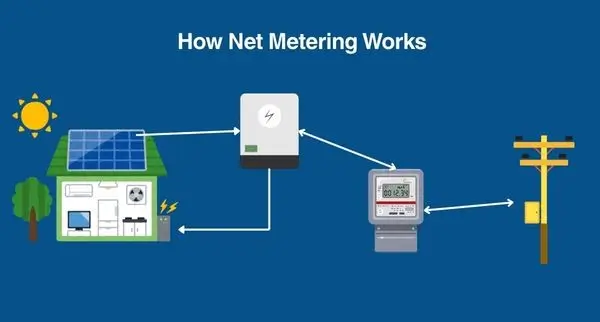
How Net Metering Works
Installing Solar Panels and a Bi-Directional Meter
To begin, homeowners install solar panels on their roofs. These panels convert sunlight into electricity, which can be used directly in the home or sent to the grid.
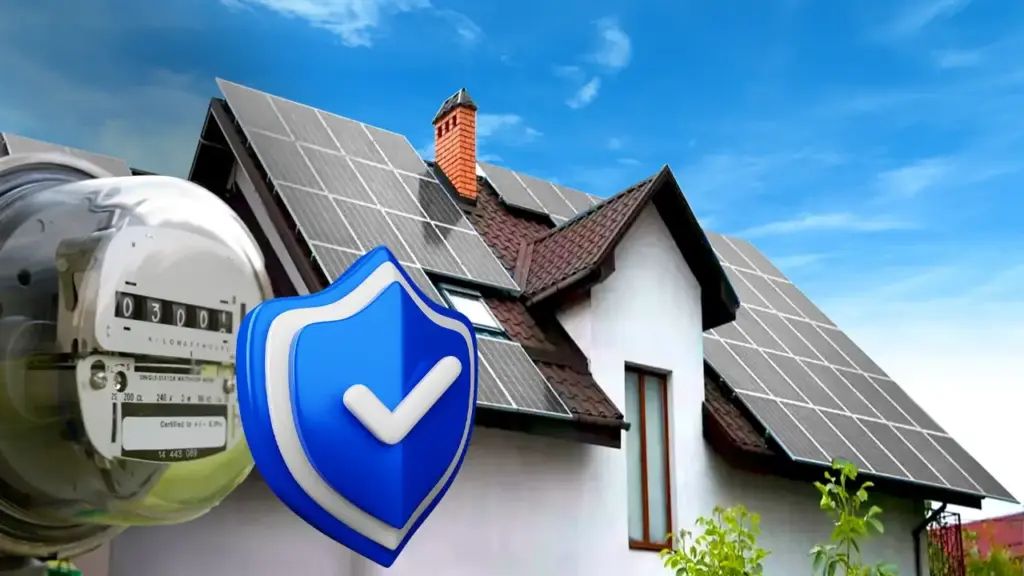
A bi-directional meter is installed by your utility company to measure both the energy you consume and the energy you send back to the grid. This meter is essential for tracking energy usage and crediting you for any surplus.
Generating Power During the Day
When the sun is shining, your solar panels produce more electricity than your home typically uses. The excess energy flows back into the grid, and the utility company credits your account for the amount sent back.
These credits are usually recorded as kilowatt-hours (kWh), which are the same units that the utility company uses to measure electricity consumption.
Drawing Energy from the Grid at Night
At night, your panels aren’t generating power. But thanks to net metering, you can still use the credits you’ve accumulated during the day to offset the energy you consume from the grid. This means you don’t have to pay the full cost of electricity when your solar system isn’t generating power.
Settling the Bill
At the end of the billing cycle, the utility company compares the amount of energy you’ve consumed with the amount you’ve sent back to the grid. If you’ve used more energy than you’ve generated, you’ll pay the difference.

However, if you’ve generated more energy than you’ve consumed, you can carry those credits over to the next month or year, depending on your region’s regulations. In some cases, you may even receive a cash payment or reduced rates from the utility company.
How Can Net Metering Turn Your Roof into a 24/7 Revenue Stream?
Net metering doesn’t just reduce your energy bill; it offers the opportunity to generate income by transforming your roof into a passive income stream. Here’s how:
1. Offset Your Energy Costs
The most immediate benefit of net metering is its ability to offset your electricity costs. With solar panels, you’re essentially pre-generating electricity during the day, which you can use at night, lowering the amount of power you need to buy from the grid. The more energy your panels produce, the more money you save.
2. Accumulate Credits for Future Savings
If your solar system consistently produces more electricity than your household consumes, the excess energy gets stored as credits, which can roll over from one billing cycle to the next. These credits act like a “bank” of free electricity, which can reduce your future bills, sometimes for months at a time.
3. Reduce Your Carbon Footprint
Beyond the financial benefits, net metering encourages sustainable energy practices. By sending excess solar power back into the grid, you are contributing to the reduction of fossil fuel consumption. You’re not only saving money but also helping reduce greenhouse gas emissions. Over time, the energy produced by your solar system can contribute to a cleaner, greener grid.
4. Boost the Resale Value of Your Home
Homes with solar panels often have higher resale value. Potential buyers are increasingly looking for homes with energy-efficient systems that provide long-term savings. Solar systems can make your property more attractive to buyers, potentially raising its market value.
How Much Money Can You Make from Net Metering?
The financial impact of net metering depends on several factors, including:
- The size of your solar system: Larger systems generate more energy, which means more credits or savings.
- Your location: Areas with more sunlight and better net metering policies provide more opportunities to earn credits.
- Your energy consumption: If your household uses more electricity, it may take longer to accumulate credits, but your savings can still be significant over time.
- Local regulations: Net metering policies vary from region to region. Some utilities compensate at or near the full retail electricity rate, while others pay a lower rate.
On average, homeowners can expect to save between $600 and $1,500 annually on their electricity bills, depending on the system size and energy usage. For larger homes or businesses with high energy consumption, these savings can be significantly higher.
The Pros and Cons of Net Metering
Pros:
- Cost savings: Offset or eliminate electricity bills.
- Energy independence: Reduce reliance on the grid, especially during power outages or emergencies.
- Environmental benefits: Contribute to renewable energy production and lower your carbon footprint.
- Increased property value: Homes with solar panels are often more valuable.
Cons:
- Upfront cost: Installing solar panels can be expensive, though financing options and incentives help offset these costs.
- Dependence on sunlight: Solar panels only generate power when the sun is shining, though energy credits can compensate for this.
- Policy variation: Net metering policies and compensation rates can vary by state or utility provider, meaning benefits may differ across regions.
What You Need to Get Started with Net Metering
To start benefiting from net metering, here are the essential steps:
- Install a solar energy system: Contact a reputable solar installer to design a system based on your energy needs and location.
- Ensure net metering availability: Check with your utility company to ensure net metering is available and understand the specific policies in your area.
- Upgrade to a bi-directional meter: If your utility doesn’t already have one, a bi-directional meter will need to be installed to track the flow of energy.
- Monitor your energy production and usage: Most solar systems come with monitoring software that allows you to track your system’s performance in real time. This can help you optimize energy use and production.
Related Links
The Future of Net Metering and Solar Power
As more homeowners embrace solar energy and net metering, the future of residential energy production looks promising. With advancements in solar technology, energy storage systems (like batteries), and net metering policies, it’s likely that more people will be able to turn their homes into self-sustaining energy generators.
Additionally, as the grid becomes smarter and more decentralized, net metering could pave the way for more innovative energy-sharing models, where homes not only earn credits but potentially sell energy directly to neighbors or the wider market. This could further turn your roof into a reliable 24/7 revenue stream.
FAQs
Q: Can I make money from net metering?
A: Net metering doesn’t directly pay cash but credits your account for excess power sent to the grid. These credits can offset future electricity costs, which can feel like earning money.
Q: Does net metering work at night?
A: No, solar panels do not generate power at night. However, credits accumulated during the day can be used to offset your electricity usage at night.
Q: How do I know if net metering is available in my area?
A: Contact your utility company to check if net metering is available in your region and to understand the specific policies that apply.