
Imagine a future where your home’s walls, not just the roof, generate electricity. Solar paint, a revolutionary new technology, promises to turn ordinary surfaces into power stations.
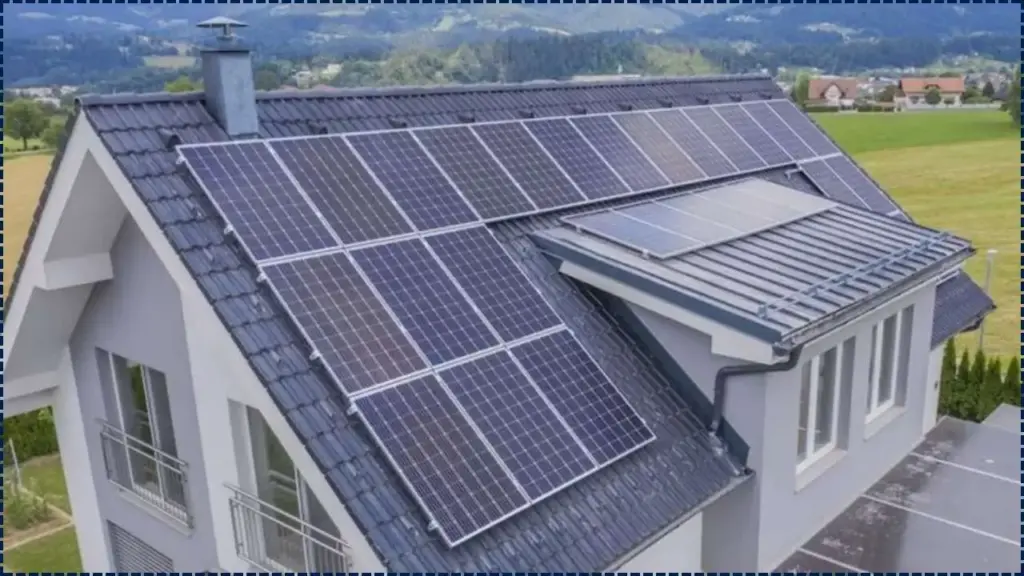
This cutting-edge development could change how homeowners generate clean, renewable energy, offering a new way to harness solar power without the need for traditional panels.
Revolutionary ‘Solar Paint’
| Key Fact | Detail/Statistic |
|---|---|
| Technology | Solar paint is a liquid coating that converts sunlight into electricity. |
| Efficiency | Early lab tests show solar paint can achieve efficiency rates of up to 18%. |
| Potential Impact | Solar paint could significantly reduce the cost of solar energy by eliminating bulky hardware and allowing solar energy generation on any surface. |
What Is Solar Paint and How Does It Work?
Solar paint is a revolutionary liquid coating that can convert sunlight into electricity. Unlike traditional solar panels, which are large and need to be installed on rooftops or open areas, solar paint can be applied to virtually any surface, including walls, windows, and even vehicles, transforming them into energy-generating surfaces.
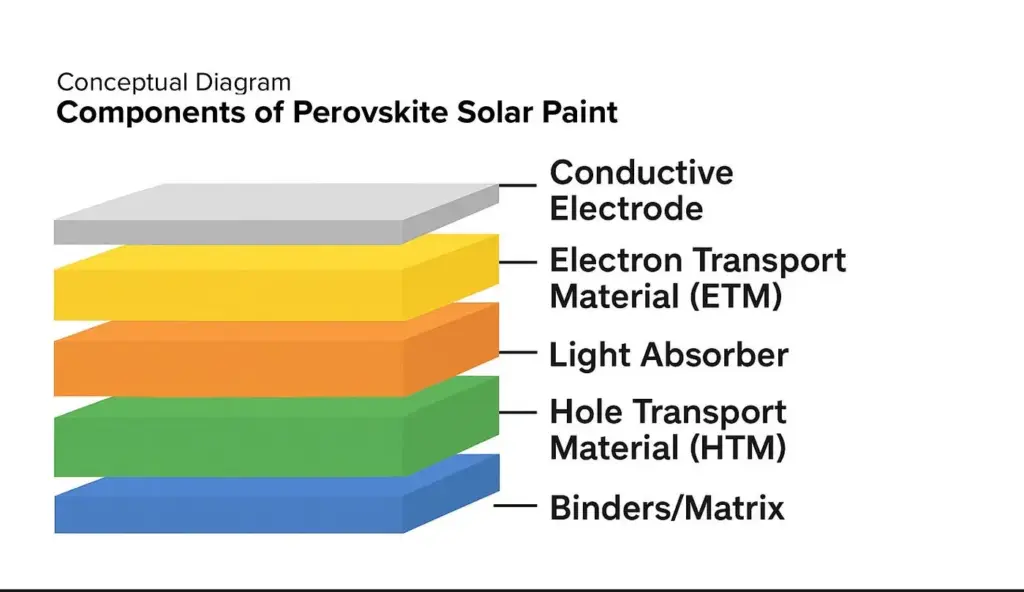
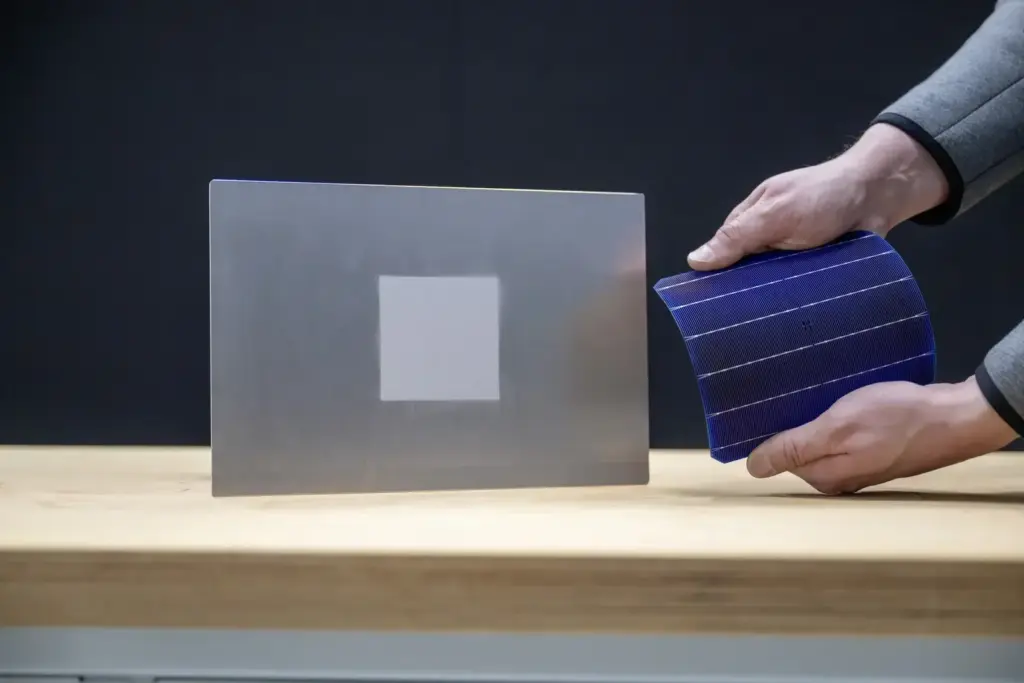
This technology works by incorporating photovoltaic materials (like quantum dots or perovskites) into the paint. When light hits these materials, it excites electrons, generating electricity through the photovoltaic effect, just like solar panels.
The Photovoltaic Effect
The photovoltaic effect is the principle that underpins solar energy generation. When light hits a semiconductor material, it knocks electrons loose from their atoms, creating an electric current.
By embedding these materials into paint, solar paint can produce electricity while being applied as easily as any other coating on walls or surfaces.
The Types of Solar Paint: What’s Being Developed?
Solar paint technology is still in its experimental stage, but researchers are working on several different formulations, each with its own set of potential advantages.
Quantum Dot Solar Paint
Quantum dots are tiny semiconductor particles that have shown significant promise in solar technologies. By embedding these particles in paint, scientists can create solar cells that are flexible and efficient. Quantum dots are highly efficient at absorbing light, making them ideal for solar paint.
Perovskite Solar Paint
Another breakthrough in solar paint development involves perovskite materials. These materials have quickly gained popularity in solar research due to their high efficiency and low cost. Perovskite solar cells have already achieved efficiencies of over 25% in laboratory conditions, and scientists are working to incorporate them into paint formulations.
Hydrogen‑Producing Solar Paint
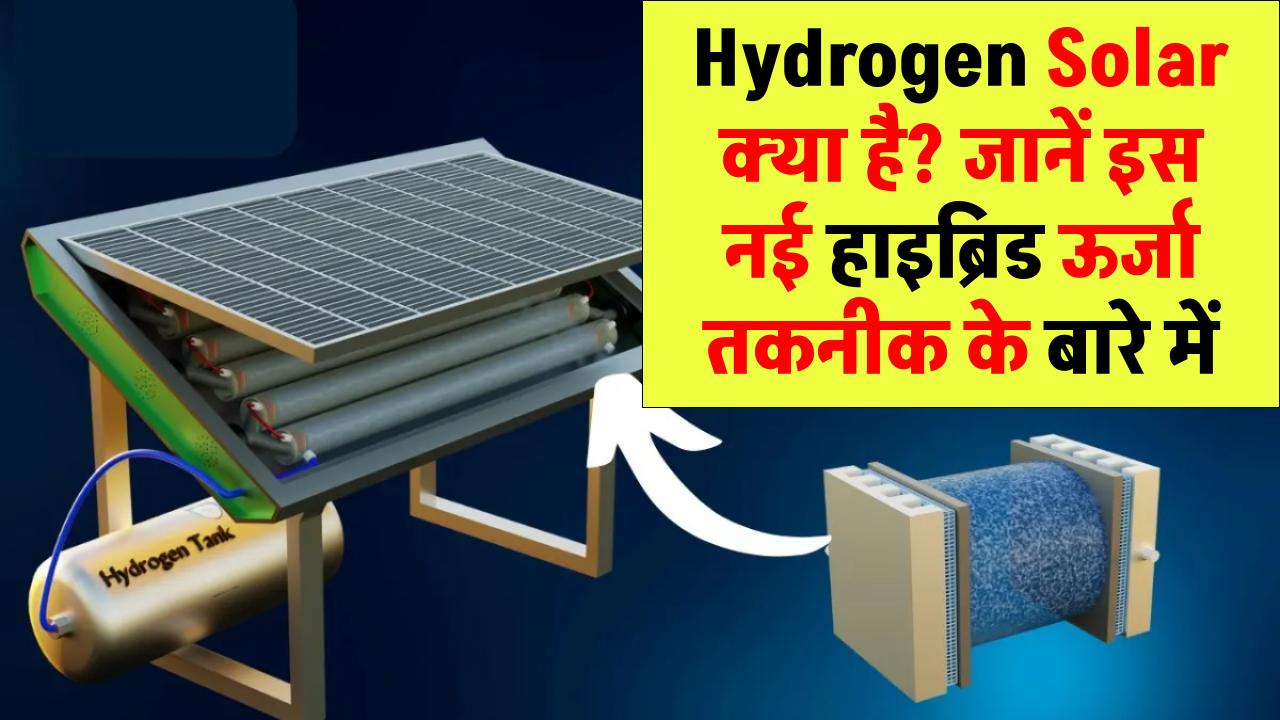
A more futuristic variant of solar paint is one that not only generates electricity but can also split water into hydrogen fuel using sunlight. This type of paint could potentially store solar energy in the form of hydrogen, which can be used for various energy needs, including powering vehicles and storing energy.
Advantages Over Traditional Solar Panels
1. Lower Cost of Installation
Solar paint has the potential to be much cheaper than traditional solar panels. Panels require large manufacturing processes, intricate assembly, and heavy equipment for installation. In contrast, solar paint can be sprayed or rolled onto a surface, significantly reducing installation costs.
2. Aesthetic Flexibility
Traditional solar panels can be bulky and obtrusive, often altering the aesthetic appeal of buildings. Solar paint, on the other hand, can be seamlessly applied to almost any surface, from walls to windows, blending in with the existing architecture.
This is a major advantage for homeowners or building owners who want to generate renewable energy without compromising on aesthetics.
3. Versatility and Coverage
While solar panels can only be installed on roofs or large open spaces, solar paint can be applied to virtually any surface, making it a much more flexible option for generating solar energy.
Imagine entire building facades, cars, or even agricultural fields being painted with solar-generating coatings, dramatically increasing the area available for renewable energy generation.
4. Energy Storage Potential
Some solar paints are being developed with the ability to absorb moisture from the air and use sunlight to split water into hydrogen fuel, creating an energy storage solution that does not require large batteries. This could eliminate the need for bulky storage devices and help stabilize the grid.
Challenges and Limitations
1. Efficiency
While solar paint is an exciting development, it currently lags behind traditional solar panels in terms of efficiency. Even the most advanced formulations, such as perovskite solar cells, have only achieved around 18% efficiency compared to typical silicon-based solar panels, which can exceed 20% efficiency. Researchers are working to close this gap, but efficiency remains a key hurdle.
2. Durability and Longevity
For solar paint to be widely adopted, it must withstand environmental factors like rain, wind, and UV radiation. Unlike traditional panels, which have protective coatings and long life expectancies (typically 25–30 years), solar paint must prove that it can maintain efficiency and durability over long periods.
3. Market Readiness
Currently, solar paint is not yet commercially available. Most of the research is still in its early stages, with a few prototypes and experimental applications being tested. It may take several years before solar paint is ready for widespread commercial use. Researchers continue to refine the technology to make it more efficient, durable, and cost-effective.
What Could Solar Paint Mean for the Future of Energy?
If solar paint can be developed into a commercially viable product, it could have significant implications for both residential and industrial energy generation.
1. Reducing the Cost of Solar Energy
By reducing the cost of solar generation and eliminating the need for expensive infrastructure, solar paint could make clean energy accessible to a broader range of people. The cost-effectiveness of solar paint could help accelerate the adoption of renewable energy, making it more competitive with fossil fuels.
2. Expanding Solar Power Access
Because solar paint can be applied to almost any surface, it could make solar energy accessible to those living in apartments, renters, or people who don’t have access to traditional solar panels.
Solar paint could also be used on vehicles, agricultural equipment, and other mobile or portable devices, potentially changing the way solar energy is used globally.
3. Contributing to Climate Goals
As countries continue to commit to carbon neutrality and net-zero emissions, solar paint could play a significant role in reducing reliance on fossil fuels.
By expanding the areas where solar energy can be generated, it could contribute significantly to global clean energy goals and help mitigate the effects of climate change.
Related Links
Get Certified by Govt of India! Join the ‘Surya Mitra’ Program for Free Training and Solar Jobs.
A Bright Future for Solar Paint
Solar paint is a groundbreaking technology with the potential to revolutionize how we generate and use solar energy. While it faces significant challenges, such as improving efficiency and durability, the flexibility, cost-effectiveness, and aesthetic appeal make it a promising solution for the future of clean energy.
As research continues and commercialization becomes a reality, solar paint could transform walls, vehicles, and even entire cities into self-sustaining power stations.
The future of solar energy may not just lie on rooftops, but across all the surfaces around us.