
Australia is undergoing a significant transformation in its energy sector, with virtual power plants (VPPs) becoming a central part of the future energy system. These innovative systems allow households, especially in Sydney, to earn money from their home batteries by contributing to the grid.
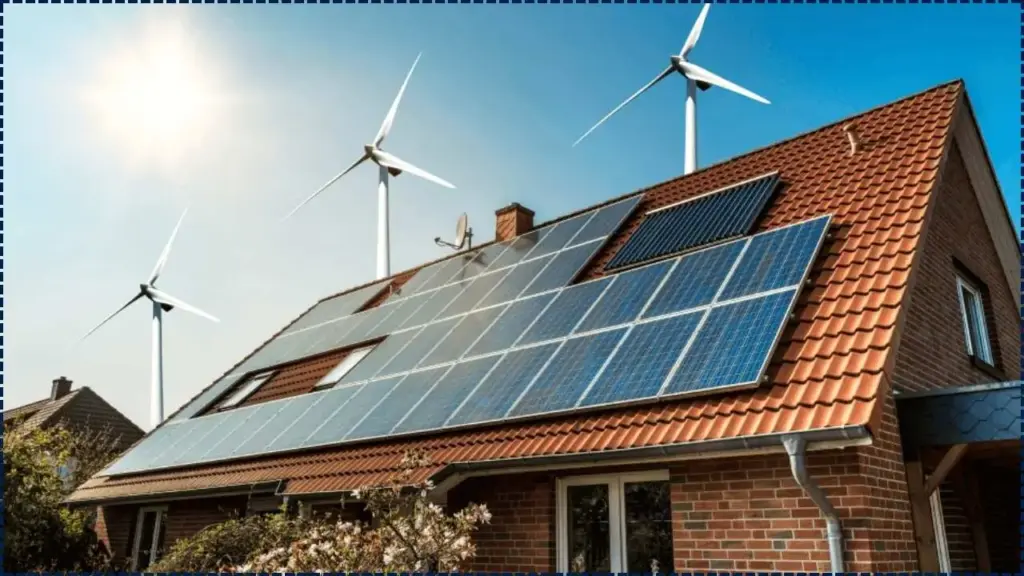
This change not only offers a new income stream for homeowners but also plays a crucial role in stabilizing the grid as Australia transitions towards renewable energy. This article explores what VPPs are, how they work, and the broader implications for Sydney’s homes and the environment.
‘Virtual Power Plants’ are letting Sydney
| Key Fact | Detail |
|---|---|
| Virtual Power Plants (VPPs) | Aggregates solar panel and battery storage systems across homes to support the grid. |
| Sydney’s Participation | Sydney leads the push for residential VPPs in Australia with growing government and industry support. |
| Potential Earnings | Households can earn from $300 to $800 annually for participating in VPPs. |
What is a Virtual Power Plant (VPP)?
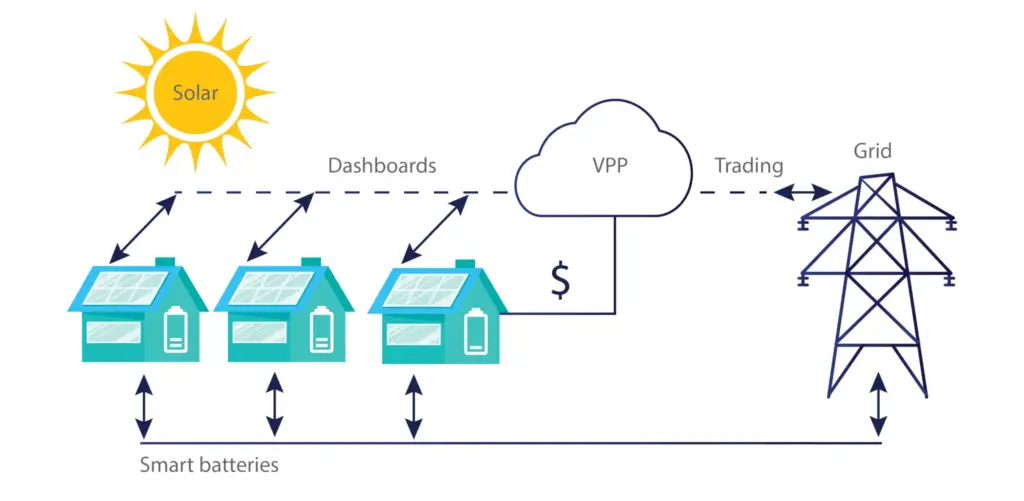
A virtual power plant (VPP) is a decentralized network of distributed energy resources (DERs) that includes home solar panels, batteries, and sometimes even electric vehicles. These resources are connected through software, allowing them to be managed collectively and act like a single power station.
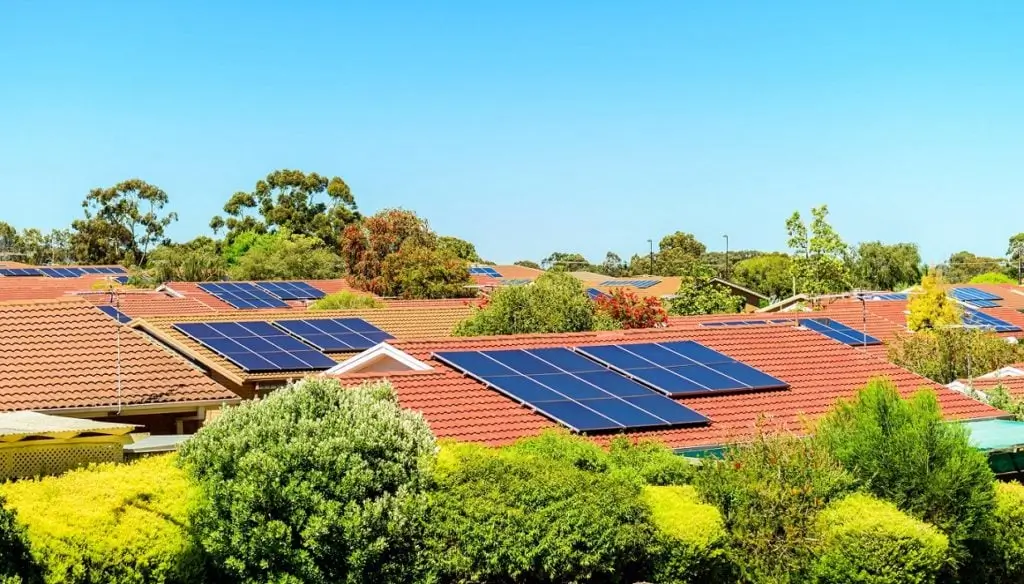
Rather than relying on large, centralized coal or gas-powered plants, VPPs allow individual homes to produce, store, and sell energy, making it possible to manage energy demand more flexibly. The VPP network works by allowing homeowners to store excess energy generated from their solar panels in batteries.
When the energy grid faces high demand, the VPP can call on these stored resources to supply energy to the grid, which helps avoid blackouts or brownouts during peak periods.
The Role of Batteries in VPPs
At the heart of the VPP model are home batteries. These systems allow homeowners to store solar energy produced during the day, when the sun is shining, and release it at night or during peak energy usage periods.
By doing so, they help stabilize the grid and reduce reliance on fossil fuels, especially during times of high electricity demand.
This process is not only important for energy security but also a way for homeowners to generate a passive income by supplying stored energy back to the grid when it is needed most.
Why Are VPPs Gaining Popularity in Sydney?
Sydney has become a leader in the adoption of renewable energy technologies, thanks in part to state and national policies designed to incentivize clean energy adoption. These include programs such as the NSW Virtual Power Plant initiative, which supports households in connecting their batteries to VPPs.
The incentives have encouraged the installation of solar panels and batteries, with many homes now capable of participating in VPPs. Another factor driving VPP adoption in Sydney is the growing concern about energy security.
As Australia’s grid increasingly incorporates renewable energy, it becomes essential to find new ways to balance intermittent energy sources like solar and wind. VPPs provide a solution by aggregating and dispatching energy when needed, ensuring that Sydney’s power supply remains stable despite the challenges of renewable energy variability.
How Do Sydney Households Earn Money from VPPs?
Households in Sydney with solar panels and home batteries can join VPP programs provided by energy companies such as AGL Energy, Origin Energy, and EnergyAustralia. These companies connect homeowners to the grid through a central platform that manages the distribution of electricity.
Mechanisms of Earning Money:
- Energy Export Payments: When a household’s battery is called on to release energy back to the grid, they are paid for the electricity they supply. The price paid for energy can vary depending on market demand. During peak demand, when energy is most expensive, homeowners can earn more for their energy.
- Bill Reductions: Many VPP operators offer bill credits in exchange for participating in the program. These credits can offset a household’s electricity costs, helping reduce monthly bills.
- Upfront Incentives: Some VPP providers offer upfront payments to homeowners who install compatible solar and battery systems and connect them to the VPP. These payments serve as an incentive to get more homes involved in the program.
- Participation in Demand Response Events: VPPs often operate in conjunction with demand response events, where households are asked to reduce their energy consumption or increase their energy export during times of high demand, in exchange for financial compensation. This further enhances the value of participating in a VPP.
Benefits and Challenges of VPPs for Sydney Households
While VPPs offer numerous benefits, they also come with challenges. Here is a closer look at both:
Benefits:
- Financial Rewards: Homeowners can earn money from the energy stored in their batteries. This reduces the payback period for installing solar and storage systems.
- Grid Stability: By participating in a VPP, households contribute to stabilizing the energy grid, especially during times of high demand or when renewable energy production is low.
- Environmental Impact: VPPs promote the use of clean energy, helping to reduce Australia’s reliance on fossil fuels and lower carbon emissions. This aligns with the country’s goals of achieving net-zero emissions by 2050.
Challenges:
- Variable Earnings: The amount of money a household can earn from a VPP is dependent on several factors, including electricity demand, market prices, and the availability of energy stored in the battery. Earnings can fluctuate significantly, which may not be ideal for those seeking a consistent income stream.
- High Initial Costs: Installing solar panels and home batteries involves a significant upfront investment. While rebates and incentives are available, the cost of the equipment can be a barrier for many households. Furthermore, VPPs are often more lucrative for homes that are capable of storing larger amounts of energy.
- Technical Barriers: Not all batteries are compatible with VPP systems, and integration with the grid may require additional technical infrastructure or software. Homeowners must ensure that their battery systems are compatible with their VPP provider.
Government Support and Industry Growth in Sydney
The growth of VPPs in Sydney is supported by both state and federal government initiatives aimed at promoting renewable energy adoption. The NSW government has introduced several programs, such as the NSW Virtual Power Plant program, which encourages residents to install solar panels and batteries and connect them to a VPP.
In 2020, the NSW government announced plans to scale up the VPP network, with the goal of integrating thousands of homes into the program.
Key Government Initiatives Include:
- Incentives for Battery Installation: Homeowners in NSW are eligible for rebates when installing solar and battery systems, which makes the transition to VPP participation more affordable.
- Energy Trading Platforms: The government is supporting the development of energy trading platforms that facilitate the aggregation of home-generated electricity into VPPs. These platforms enable households to sell their energy back to the grid in an efficient and coordinated manner.
In addition to government incentives, the private sector has been quick to embrace the VPP model. Major energy companies such as AGL, Origin Energy, and EnergyAustralia have all rolled out VPP programs, allowing homeowners to sign up and connect their batteries to the grid.
The Future of VPPs: A Game-Changer for Australia’s Energy Grid
The rise of VPPs is more than just a new business model for energy companies; it represents a major shift in how energy is produced and consumed in Australia. As more homes adopt solar panels and batteries, VPPs will continue to play an integral role in stabilizing the energy grid.
Expansion Across Australia:
While Sydney is currently a leader in VPP adoption, other parts of Australia are also beginning to embrace the model. Queensland, Victoria, and South Australia are exploring similar initiatives to expand VPP networks.
If successful, these efforts could create a nationwide network of VPPs that work together to ensure a stable, reliable, and sustainable energy supply for all Australians.
Advancements in Technology:
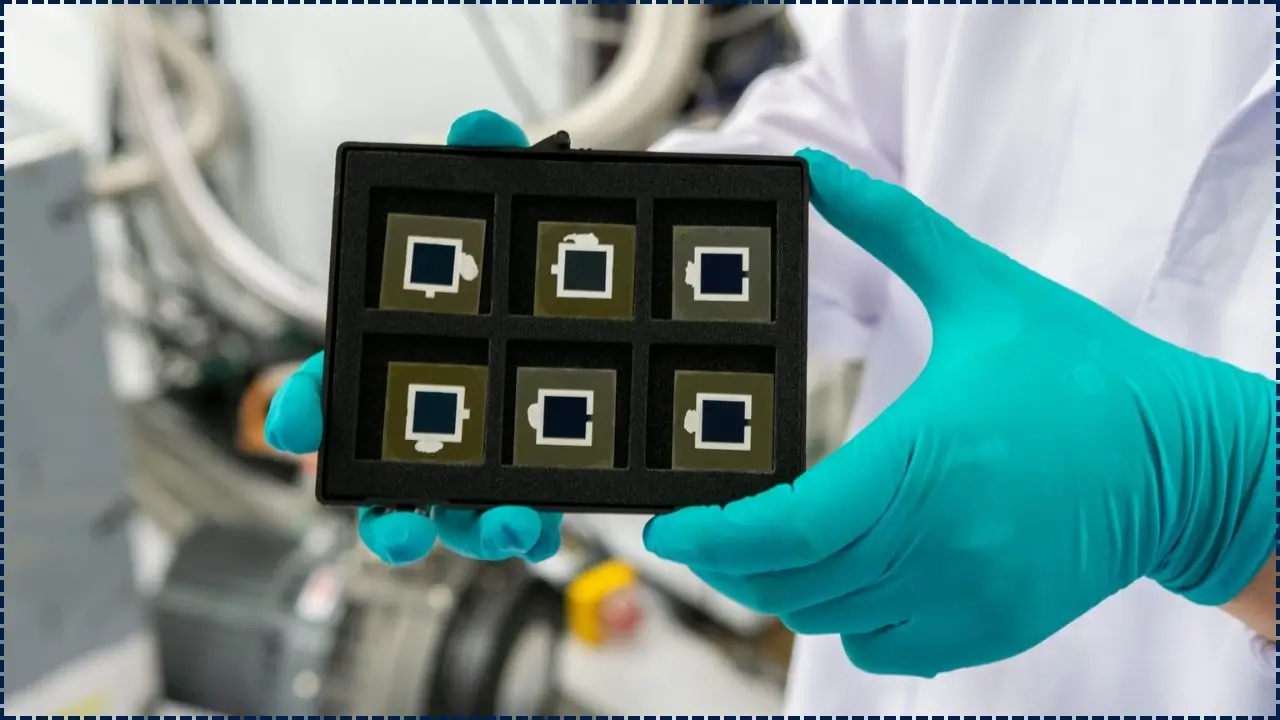
As the technology behind smart grids, energy storage, and blockchain improves, VPPs will become even more efficient. These advancements will allow for better integration of renewable energy sources and create new opportunities for households to generate revenue from their batteries.
Related Links
The End of Silicon Panels? This New ‘Perovskite’ Tech Promises 50% Cheaper Solar Power!
Energy Management System Market Status, Share, Growth & Outlook | 2025 – 2032
The advent of virtual power plants marks a pivotal moment in Australia’s transition to a cleaner, more sustainable energy future. For Sydney households, VPPs provide a unique opportunity to earn money by participating in energy markets while contributing to grid stability and reducing reliance on fossil fuels.
As the technology behind VPPs continues to evolve, Sydney and other parts of Australia are likely to see increasing participation in these programs, which could become a key component of the country’s energy infrastructure for years to come.
FAQs
Q: How much can Sydney households earn from VPPs?
A: Earnings can range from $300 to $800 per year, depending on market conditions and how much energy is sold back to the grid.
Q: How do I participate in a VPP?
A: To join a VPP, you need a compatible solar panel and battery system. You can sign up through your energy provider or participate in government programs that encourage VPP adoption.
Q: Are there any risks involved with VPPs?
A: While VPPs offer significant benefits, earnings can fluctuate depending on grid demand. Additionally, the upfront cost of installing solar panels and batteries may not be affordable for all households.