Australia has just taken a significant step towards ultra-low-cost solar power, with the announcement of AUD $60 million in funding to support solar research and development.
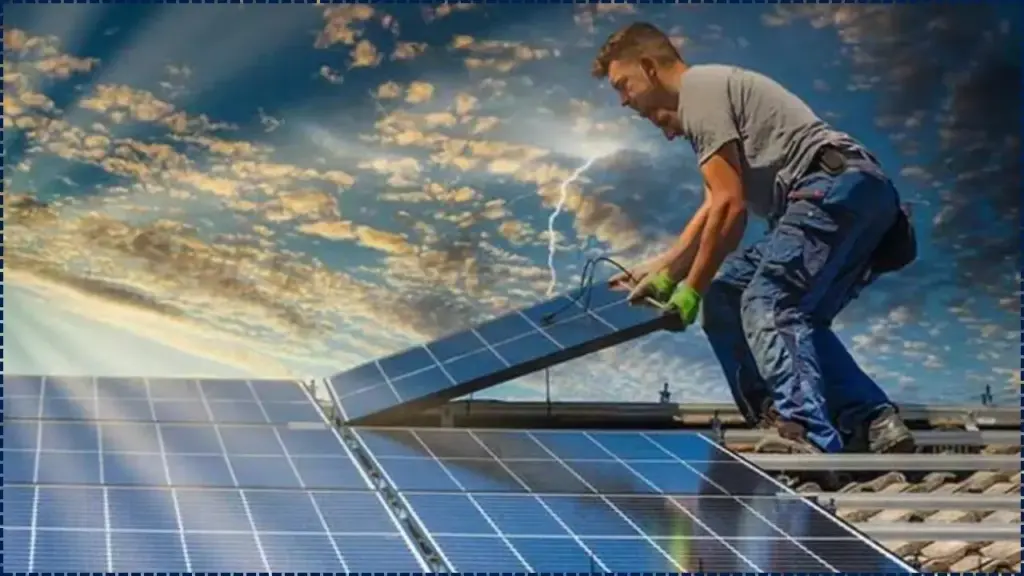
This strategic initiative, led by the Australian Renewable Energy Agency (ARENA), is part of the nation’s broader effort to transition to a clean, renewable energy future.
Ultra-Low Cost Solar
| Key Fact | Detail/Statistic |
|---|---|
| Total Funding | AUD $60 million for solar PV cost reduction research and development |
| Focus Areas | Solar cell efficiency, module stability, and system cost reductions |
| Australia’s Solar Market Share | Rooftop solar contributing nearly 15% of the National Electricity Market’s generation |
| Solar Cost Reduction Goal | Target LCOE below AUD $20 per MWh by 2030 |
A New Era for Solar in Australia
As the world grapples with climate change and the urgent need to decarbonize, solar power has emerged as a cornerstone of Australia’s energy strategy. This funding could drive further cost reductions in solar energy, making it an even more viable alternative to traditional fossil fuels.
But as Australia accelerates its renewable energy ambitions, we must ask: Could this be the beginning of the end for coal and gas?
The Growing Importance of Solar Power in Australia
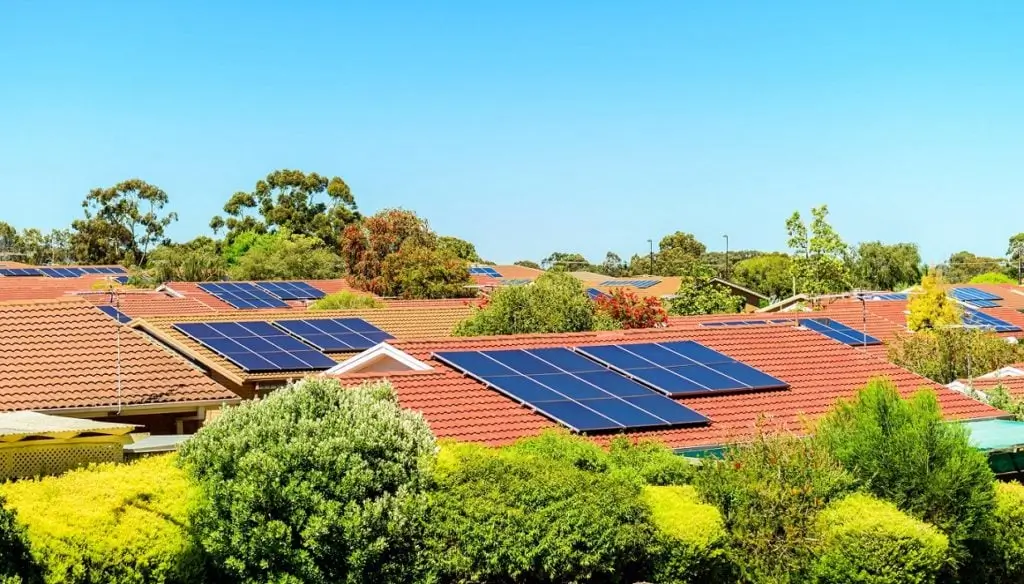
Australia’s journey to becoming a global leader in renewable energy has been driven largely by solar power. The country boasts one of the highest rates of rooftop solar adoption globally, with more than 3 million homes installing solar panels.
As of 2025, rooftop solar accounts for about 15% of the National Electricity Market’s (NEM) total generation capacity. This represents a significant share of the country’s electricity generation, reflecting Australia’s transition away from traditional fossil fuels.
However, despite this impressive growth, challenges remain. The cost of installing solar systems — particularly large-scale systems — continues to be a barrier for many households and businesses. To achieve net-zero emissions by 2050, Australia must make solar energy cheaper and more accessible. This is where the new AUD $60 million fund comes in.
What the AUD $60 Million Fund Will Achieve
Targeting Cost Reduction Across Key Areas
The funding will be directed toward research and development (R&D) in solar technology, focusing on two main areas: improving solar cell efficiency and reducing the costs of system installation and maintenance. Here’s how it works:
- Enhancing Solar Cell Efficiency: The goal is to increase solar cell efficiency, potentially surpassing 30% conversion rates. Current commercial cells have an efficiency of around 20-22%, so this improvement would significantly increase the energy captured from sunlight, reducing costs per watt.
- Improving Module Durability: Solar modules must withstand decades of exposure to the elements while maintaining performance. Research will focus on improving the stability and lifespan of modules, ensuring they perform effectively for longer periods.
- Reducing Balance-of-System (BOS) Costs: Components like inverters, mounting systems, and other equipment make up a significant portion of the total cost of solar installation. By reducing the costs associated with these components, the overall installation price can be lowered.
- Advanced Operations & Maintenance (O&M): Developing new technologies that automate monitoring and diagnostics will help reduce the long-term costs of maintaining solar systems. This includes smart systems that automatically detect and correct faults, which can extend the system’s life and improve performance.
Why This Funding is Crucial for Australia
Australia’s solar market is poised for even more growth, but to remain competitive on the global stage, it must overcome significant barriers. The levelized cost of energy (LCOE) from solar must drop further to compete directly with fossil fuels and other forms of energy generation.
The $60 million fund is part of a broader effort by the Australian government to make solar power more affordable for consumers and businesses. If successful, this initiative could lead to a significant reduction in the cost of solar energy, benefiting homeowners, commercial operators, and utility companies alike.
Global Comparisons: How Australia Measures Up
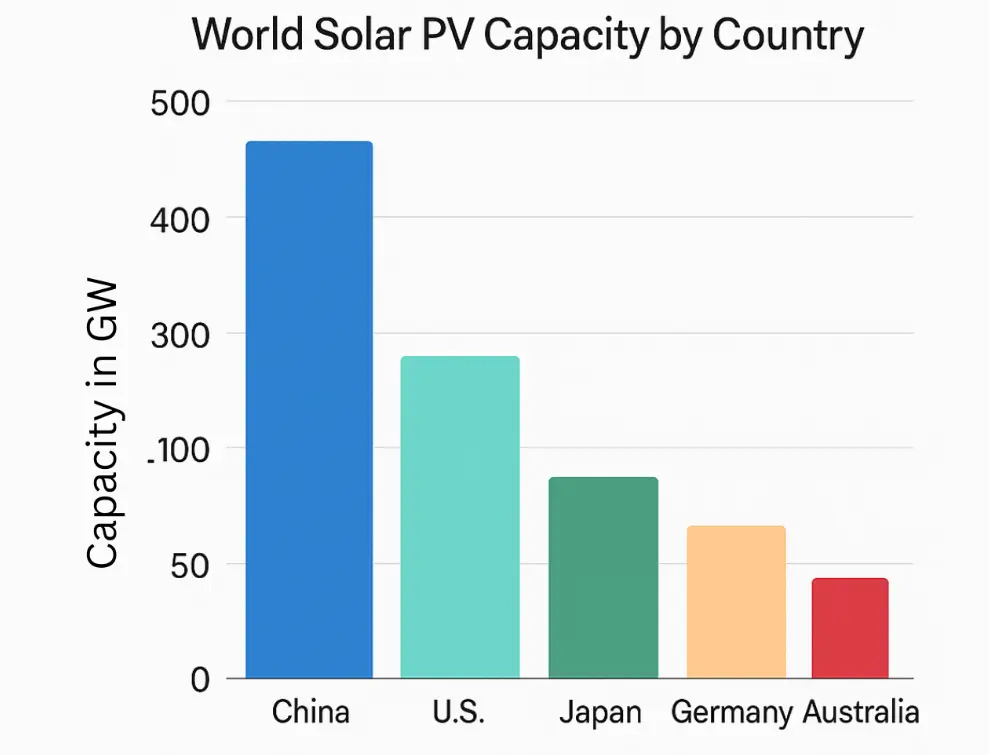
While Australia is a leader in solar adoption, other countries are also investing heavily in the future of solar power. For example, China has been a global leader in reducing solar panel manufacturing costs, while Germany has implemented aggressive policies to make solar more affordable for its citizens.
Australia’s initiative places it in competition with these global powers, aiming not only to make solar more affordable domestically but also to establish Australia as a global leader in solar technology development.
The research funded by ARENA could have far-reaching implications beyond Australia’s borders, helping to lower solar costs worldwide and improving energy access in developing regions.

Case Studies: Real-World Impact of Cost-Effective Solar
Several Australian communities and businesses are already benefiting from cost-effective solar energy. The Yass Valley in New South Wales, for example, has been at the forefront of adopting solar power at the community level, where municipal solar systems now power several public buildings, reducing the local government’s energy costs significantly.
Moreover, large-scale solar farms in regions like Queensland and South Australia are already benefiting from previous cost reductions in solar technology.
These developments are just the beginning. As solar prices continue to fall, more industries and regions will find it economically viable to adopt solar as their primary power source.
Economic and Environmental Impacts
The long-term economic impact of ultra-low-cost solar could be profound. For Australia, this means the potential for job creation in clean tech industries, particularly in solar panel manufacturing, installation, and maintenance.
A more affordable solar market could also boost export opportunities, as Australia becomes a hub for solar technology. From an environmental perspective, the reduction of solar costs will accelerate Australia’s efforts to decarbonize its energy sector.
As fossil fuel-based generation is phased out, solar energy could become the dominant energy source, drastically reducing greenhouse gas emissions and helping Australia meet its climate goals.
Is This the End of Traditional Power?
While the funding for ultra-low-cost solar represents a critical step in Australia’s transition to renewable energy, it does not signal the immediate end of traditional power generation. Coal and gas still account for a large portion of Australia’s electricity generation, and these industries have entrenched economic and political influence.
Moreover, solar power is still intermittent, meaning it cannot generate electricity around the clock without significant storage solutions, such as batteries, to bridge the gap when the sun isn’t shining.
For solar to completely replace fossil fuels, the country will need further investment in energy storage and grid upgrades. However, the continued advancement of solar technologies, coupled with falling costs, will make fossil fuels increasingly uncompetitive in the long run.

₹55 के नीचे आया Suzlon Energy का शेयर, एक्सपर्ट बोले– फिलहाल दूरी बनाना बेहतर, बिकवाली का दबाव तेज
The energy market will likely evolve into a more decentralized system, where renewables like solar power play a central role in meeting energy demands.
Related Links
US tariffs, Europe slowdown reshape global solar panels trade
Indonesia and Laos solar exports surge to U.S. as tariffs hit SE Asian rivals
The Path to a Renewable Future
The $60 million funding for solar R&D is only one part of a larger strategy aimed at accelerating Australia’s renewable energy transition. As solar power becomes more affordable and efficient, Australia will increasingly rely on clean energy to meet its electricity needs.
The coming decade will be crucial for determining whether solar can outpace traditional fossil fuels in terms of cost, reliability, and market share.
The funding announced by ARENA is a significant step in this journey, and with continued innovation, solar power could very well become the dominant energy source for Australia and the world.
FAQs
Q: What is the $60 million funding for?
A: The funding is aimed at reducing the cost of solar energy by supporting research and development in areas such as solar cell efficiency, module durability, and the balance-of-system components.
Q: How will the funding reduce solar costs?
A: The research will focus on improving solar panel performance, reducing the cost of solar systems, and developing better maintenance technologies to lower the total cost of solar energy.
Q: Will traditional power sources like coal and gas become obsolete?
A: While solar power is growing rapidly, fossil fuels will still play a role in the energy mix for the foreseeable future. However, the continued reduction in solar costs may make fossil fuels increasingly uncompetitive in the long run.