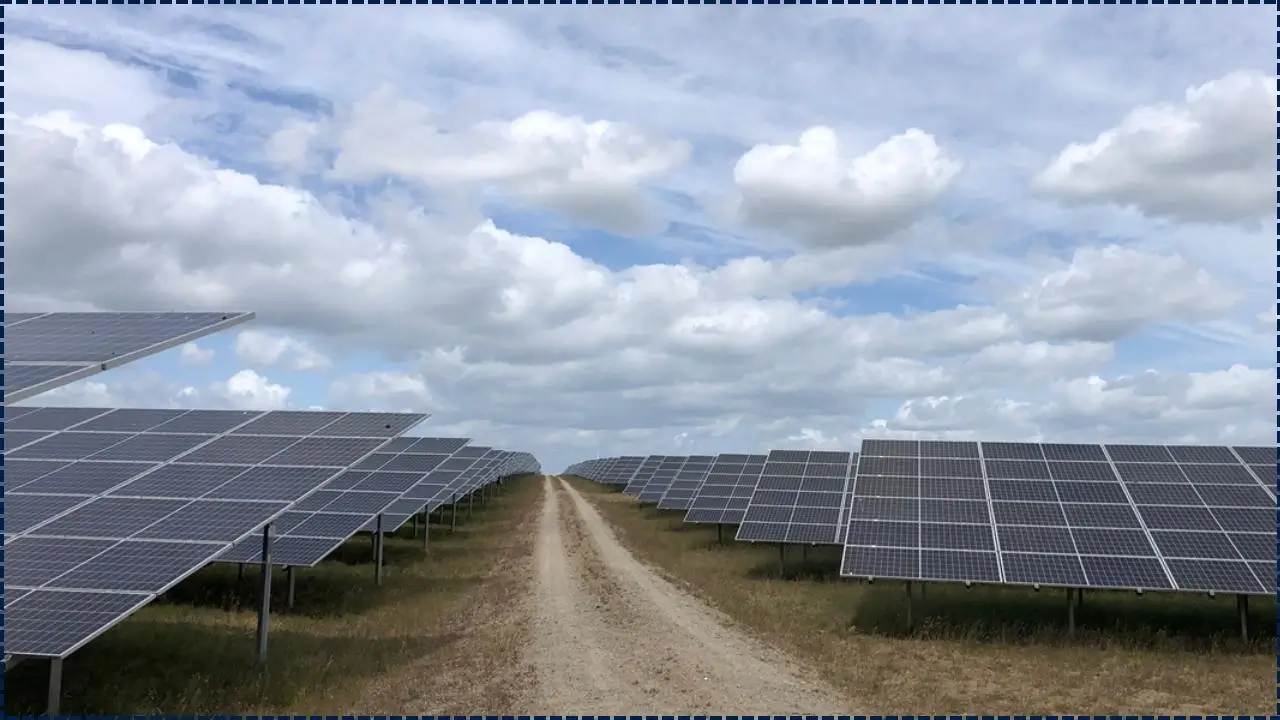

In 2026, the New Zealand government increased the solar grants under its Warmer Kiwi Homes program to $3,000.
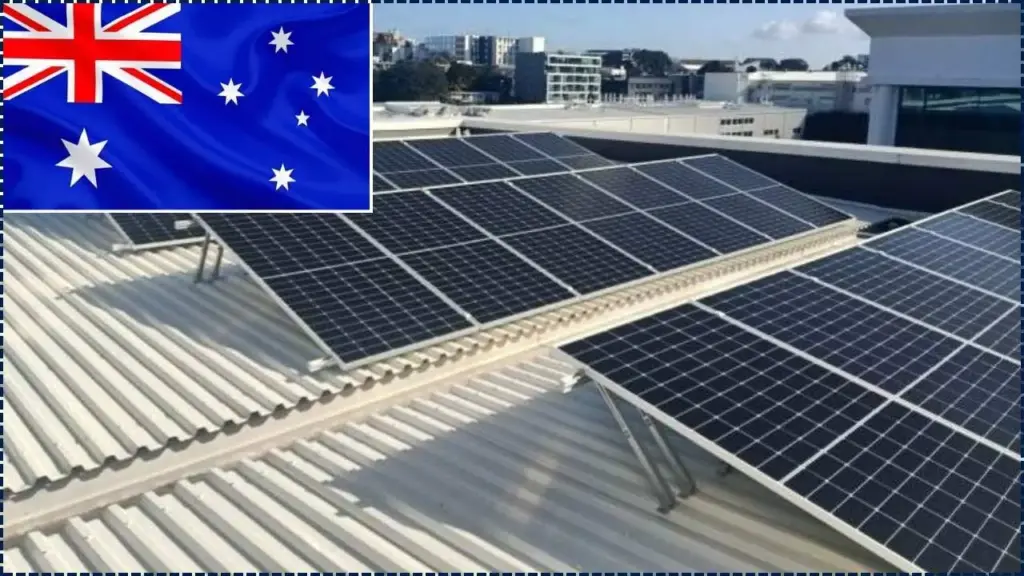
This adjustment signals a significant effort to reduce energy hardship and improve energy efficiency in homes across the country, especially in areas with high deprivation or low-income households.
NZ increases solar grants
| Key Fact | Detail/Statistic |
|---|---|
| Grant Value | $3,000 for solar energy installations |
| Eligibility | Homeowners in New Zealand, with varying income and area criteria |
| Purpose | To improve home energy efficiency and reduce emissions |
| Target Areas | Focus on regions with high need or low-income households |
A Step Forward for Clean Energy in New Zealand
The enhanced grant is a part of New Zealand’s clean energy commitment as it strives to meet its net-zero emissions by 2050 target. The increase in the solar grant aims to help homeowners transition to renewable energy sources and alleviate growing electricity costs.
Homeowners can apply for financial assistance to install solar photovoltaic (PV) panels, improving their home’s energy efficiency, reducing carbon emissions, and saving on long-term electricity bills.
What Is the Warmer Kiwi Homes Solar Grant?
Launched by the Energy Efficiency and Conservation Authority (EECA), the Warmer Kiwi Homes program provides financial support to homeowners for insulation, heating (including heat pumps), and now solar panels. The program has been a success in improving the comfort and energy efficiency of homes across New Zealand.
Solar Grant Overview
For 2026, the program offers a $3,000 grant for the installation of solar photovoltaic (PV) panels. This initiative is designed to make solar energy more accessible by covering a significant portion of the upfront installation costs, thus lowering the barrier for households that might not otherwise afford the transition to clean energy.
- Insulation Grants: Focus on ensuring homes are warm, dry, and well-insulated.
- Solar Grants: Now extended to include solar panel systems, this initiative helps households generate renewable energy and reduce long-term electricity costs.
The grants help to cover solar panel installation costs, which are otherwise a barrier for many homeowners. By installing solar panels, homeowners not only cut down on energy bills but also contribute to reducing New Zealand’s overall carbon emissions.
Eligibility Criteria for the Solar Grant
While the program’s grants are available to a wide range of homeowners, eligibility for the $3,000 solar grant is subject to a set of criteria:
Home Ownership
The applicant must own and live in their home, which must be their primary residence. Tenants are not eligible for the solar grant under this program.
Income and Regional Deprivation
The program is aimed at low- to middle-income households. Homeowners who hold a Community Services Card, SuperGold Combo Card, or who live in high‑need deprivation areas (as determined by the New Zealand Deprivation Index) are prioritized.
- Higher Funding: Homeowners who live in high‑deprivation areas or who have a Community Services Card can receive up to 90% of installation costs, with the $3,000 grant helping significantly reduce their financial burden.
Energy Efficiency Requirements
To qualify for the solar grant, homeowners must first ensure that their homes meet the basic insulation and heating standards. This includes having appropriate ceiling and underfloor insulation or applying for insulation grants if necessary. Homes must also have energy-efficient heating systems installed (such as heat pumps) before they qualify for solar panel grants.
Approved Installers
Solar installations must be completed by an EECA-approved installer, ensuring that the solar equipment is high-quality and the installation complies with New Zealand’s Building Code and Electrical Code of Practice.
Apply for the Solar Grant
Verify Eligibility
To start, homeowners should check their eligibility through the EECA website or use the online eligibility checker. This simple tool allows applicants to confirm whether they meet the income, home age, and insulation standards required for the grant.
Request a Quote
After confirming eligibility, homeowners can contact an EECA-approved installer to receive a quote for the installation of solar panels. The installer will assess the property and provide an estimate based on the home’s energy needs, roof space, and geographic location.

Submit Application
Once the quote is received, homeowners can submit their application to EECA or their installer. The application process includes submitting required documentation, including proof of income or residence in a deprivation zone.
Grant Approval and Installation
Once the application is approved, the solar panels can be installed. The installer will complete the installation, and EECA will release the grant funds, typically paying the grant directly to the installer. Homeowners are responsible for paying the balance after the $3,000 grant is applied.
Why Solar Grants Are Important for New Zealand
Lowering Household Energy Bills
The main reason for increasing the solar grant is to alleviate the rising energy costs faced by New Zealand households. Solar panels, once installed, generate free electricity from the sun, which helps homeowners lower their monthly electricity bills. This is especially beneficial for low-income families, who often spend a significant portion of their income on energy.
Supporting Clean Energy Goals
This grant is part of New Zealand’s broader effort to meet its climate goals. By encouraging the adoption of solar power, the government is helping reduce carbon emissions from residential energy use, contributing to the country’s net-zero by 2050 commitment. Each home that switches to solar is one step closer to a sustainable, renewable-powered energy grid.
Health Benefits
Warmer Kiwi Homes is not just about saving money. Homes that are better insulated and equipped with energy-efficient heating systems are healthier to live in, reducing the risk of health issues related to cold, damp conditions. This is particularly important for vulnerable groups, including children and the elderly.
Case Studies: Success Stories from the Warmer Kiwi Homes Program
Several households across New Zealand have already benefited from the solar grants under the Warmer Kiwi Homes program. Here are a few examples:
Case Study 1: A Family in Wellington
The Smith family in Wellington had been struggling with high heating bills in their cold, poorly insulated home. After qualifying for the program, they received a $3,000 solar grant and installed solar panels alongside new insulation and a heat pump. The family reported a 40% reduction in their monthly energy bills, which allowed them to save more for other necessities.
Case Study 2: Elderly Homeowners in Auckland
An elderly couple in Auckland qualified for the Warmer Kiwi Homes solar grant and received full funding for both insulation and a heat pump system. With their house now warmer and more energy-efficient, they no longer experience high heating costs, and the solar panels help offset their electricity bills, providing them with greater financial security.
Challenges and Limitations of the Program
While the Warmer Kiwi Homes solar grant provides substantial benefits, some challenges remain:
Limited Funding
The program’s funding is limited, and grants are subject to availability. Many homeowners in high-demand areas may face delays in receiving the grant or may miss out entirely if funds run out.
Beyond 30% Efficiency: How Perovskite-Silicon Tandem Cells are Revolutionizing Solar in 2026
Upfront Costs for Larger Systems
While the $3,000 grant covers a significant portion of the solar installation cost, larger systems may require additional payments from homeowners. This could be a barrier for households with larger energy needs or those living in larger homes that require more solar capacity.

Related Links
The Future of Solar in New Zealand
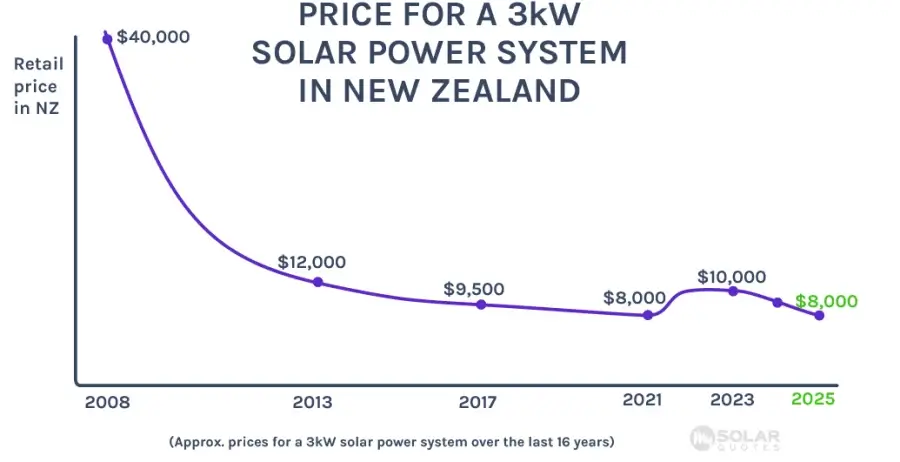
The Warmer Kiwi Homes program is a step toward making solar energy accessible to a broader range of New Zealand households. As solar technology continues to improve and costs continue to decrease, more homeowners are likely to make the switch to renewable energy.
The $3,000 solar grant plays a crucial role in this transition, providing financial relief while supporting New Zealand’s clean energy goals.
With the growing focus on sustainability and the ongoing effort to combat climate change, the future of solar energy in New Zealand looks bright. The Warmer Kiwi Homes program will continue to evolve, helping homeowners create warmer, healthier, and more energy-efficient homes.
FAQs
Q: How much does the Warmer Kiwi Homes solar grant cover?
A: The grant covers up to $3,000 for the installation of solar panels, significantly reducing the upfront costs for homeowners.
Q: Who is eligible for the solar grant?
A: Eligibility is based on income and region, with a focus on low-income households and those living in high-deprivation areas. Homeowners must also meet insulation and heating requirements.
Q: Can I apply for the solar grant if I already have insulation or heating?
A: Yes, as long as your home meets the necessary insulation standards, you can apply for the solar grant.
Q: How do I apply for the solar grant?
A: You can check your eligibility online through the EECA website, then contact an approved installer for a quote and proceed with the application.