

In 2026, bifacial solar panels are rapidly transforming the landscape of ground-mount solar energy. By harnessing sunlight from both their front and rear sides, these two-sided panels are significantly boosting energy production.
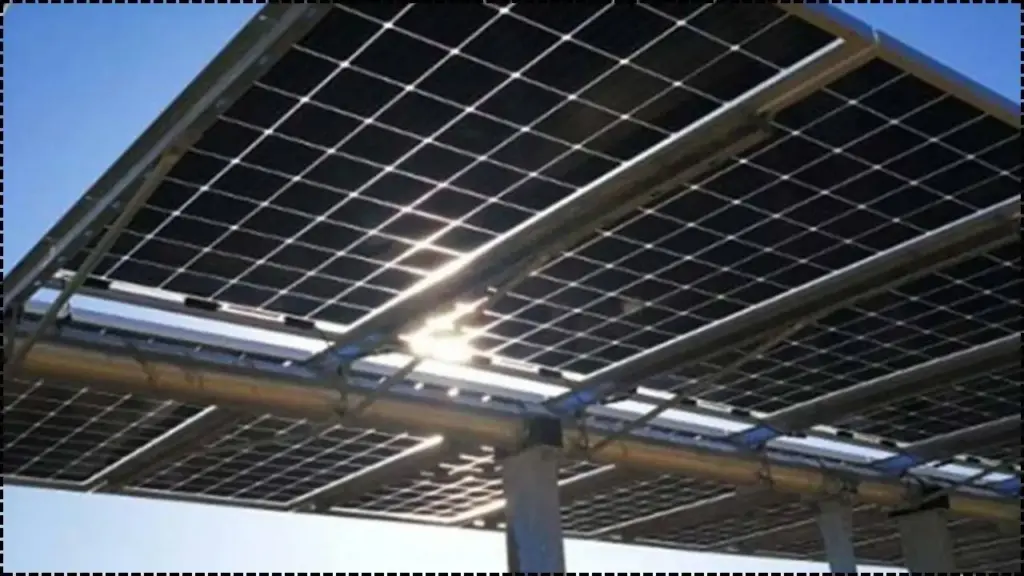
Experts predict this technology will dominate the market, driving down costs and increasing efficiency for utility-scale solar installations globally.
Bifacial Panels
| Key Fact | Detail |
|---|---|
| Bifacial Panels’ Efficiency | Can increase energy output by up to 30% |
| Preferred Use | Ground-mount installations for high energy yield |
| Durability | Dual-glass construction improves longevity |
What Are Bifacial Solar Panels?
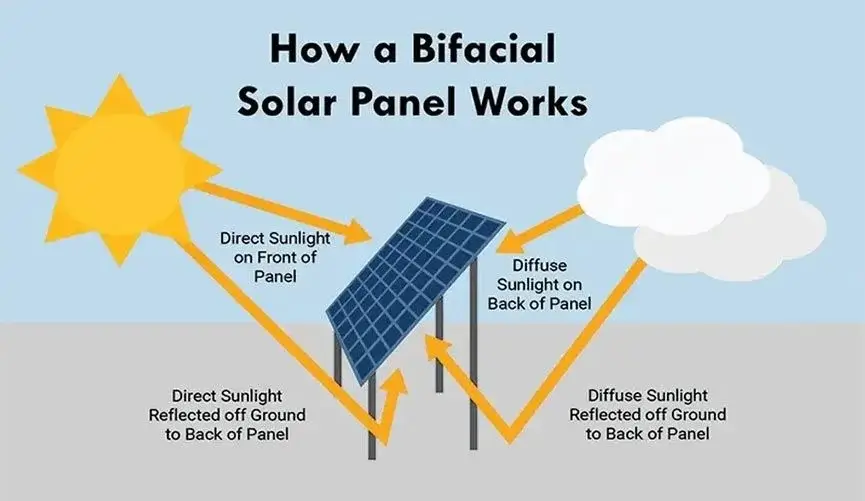
Bifacial solar panels represent a significant step forward in solar technology. Unlike traditional monofacial panels that capture sunlight only on their front side, bifacial modules can absorb light from both the front and back.
This capability allows them to increase energy output by harnessing reflected sunlight (albedo effect) from surrounding surfaces such as soil, snow, or concrete. The principle behind bifacial panels is simple yet effective: the rear of the panel collects light reflected from the ground, which contributes additional power.
In environments with highly reflective surfaces, such as deserts or snowy landscapes, bifacial panels can outperform their monofacial counterparts by a significant margin.
Why Bifacial Panels Are Gaining Popularity in 2026
The adoption of bifacial solar panels has skyrocketed in recent years, particularly for ground-mount installations. Several factors have contributed to this rise, including advancements in panel technology, reduced costs, and their ability to generate more energy.
Higher Energy Yield
Bifacial panels can increase energy yield by as much as 30% compared to monofacial systems, depending on the environmental conditions and the installation’s orientation. This added efficiency is a game-changer for utility-scale solar farms, where maximizing power output is crucial for both economic viability and meeting renewable energy targets.
Studies show that, in the right conditions, bifacial panels installed on elevated racks or with tracking systems can produce more consistent energy throughout the day, avoiding the mid-day dips often seen in traditional systems. This continuous production makes them especially useful in regions with high direct sunlight.
Albedo Effect: Optimizing Surface Reflection
One of the most significant advantages of bifacial technology is its reliance on the albedo effect. Albedo refers to the reflectivity of the surface beneath the panels.
Light-colored surfaces such as white gravel, desert sand, or even snow are ideal for bifacial panels, as they reflect more sunlight onto the rear side of the panels, increasing overall energy generation. This phenomenon makes ground-mount systems particularly well-suited for bifacial technology.
Durable and Long-Lasting
Bifacial panels often use dual-glass construction, which makes them more durable than traditional panels. This construction helps protect against environmental factors such as hail, dust, and moisture, improving their longevity.
The increased durability and long-term performance have made bifacial panels attractive for large-scale solar projects, which need to operate efficiently for 25-30 years.
Dual-glass panels are also less prone to degradation, which means they maintain their efficiency over a longer period. This is crucial for utility-scale solar developers, who must ensure that their investments continue to generate power at optimal levels for decades.
Compatibility with Advanced Mounting Systems
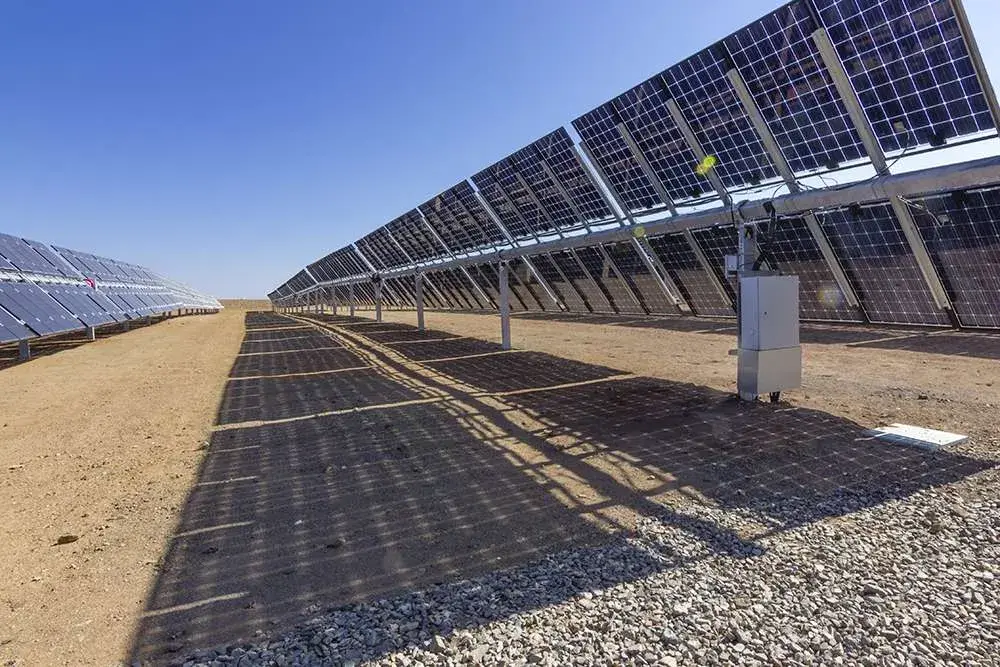
Ground-mount systems offer the flexibility necessary for bifacial panels to perform at their best. Panels can be installed on elevated structures or mounted on solar trackers, which adjust the panel’s position to follow the sun throughout the day.

इस एनर्जी स्टॉक ने एक साल में दिए 33% रिटर्न, अमेरिका से 500 MW का ऑर्डर मिलने से शेयर में हलचल
This maximizes both the direct and reflected light captured by the panels, boosting energy production significantly.
Why Ground-Mount Systems Are Ideal for Bifacial Panels
Ground-mounted solar arrays, which are increasingly being deployed in open fields, deserts, and other large, flat spaces, are an ideal environment for bifacial panels. These installations often have ample room for solar trackers and elevated panel systems, both of which optimize the performance of bifacial panels.
Unlike rooftop systems, where the rear side of the panels typically does not receive enough light to contribute significantly, ground-mount systems are elevated, allowing both the front and rear sides of the panels to capture sunlight. The result is greater energy production.
Economic and Environmental Implications
The shift toward bifacial panels is not only driven by technological advancements but also by economic factors. As the cost of bifacial modules continues to fall, these panels are becoming increasingly viable for utility-scale projects.
The added efficiency they provide translates to lower levelized cost of electricity (LCOE), which is the price at which electricity must be sold to break even on an investment.
Furthermore, the environmental benefits of bifacial panels are significant. By producing more energy from the same amount of space, bifacial systems can help reduce the need for additional land development for solar farms. This maximizes land-use efficiency, which is critical as the demand for renewable energy continues to rise.
Increased Adoption in Emerging Markets
Many emerging markets are embracing bifacial panels to meet growing energy demands and reduce reliance on fossil fuels. Regions like the Middle East, North Africa, and parts of Asia, which feature high solar potential, are ideally suited for bifacial technology.
These markets can capitalize on the longer sunlight hours and higher reflectivity of desert environments, where bifacial panels can achieve substantial increases in power generation.
The ability to deploy large-scale solar farms in these regions, paired with the efficiency gains offered by bifacial panels, makes them a critical component of renewable energy strategies in developing nations.
Hidden Gems: Top 5 Smallcap Renewable stocks that could turn into the next multibagger opportunities
Challenges and Considerations for Bifacial Panels
While the benefits of bifacial panels are clear, there are still some challenges to widespread adoption. The increased complexity of installation, the need for specialized mounting systems, and the higher upfront costs can be barriers for smaller developers or residential users.
However, as the technology matures and costs continue to decrease, it is expected that bifacial panels will become more accessible.
Challenges
- Higher Initial Costs: Although bifacial panels offer long-term benefits, they tend to be more expensive than traditional panels upfront.
- Specialized Installation: Installing bifacial panels often requires more advanced mounting systems, which may incur additional costs.
- Performance Variability: The efficiency of bifacial panels is highly dependent on local conditions, such as the reflectivity of the ground and the height of the panels.
Despite these challenges, ongoing innovations in manufacturing and installation techniques are expected to mitigate some of these drawbacks, helping bifacial panels become a standard in large-scale solar projects.
Related Links
Enova Grants 2026: How Norwegian Homeowners Can Get Up to 47,500 NOK for Solar
How Long Before Solar Panels Pay for Themselves? Here’s the Easy Way to Calculate!
The Future of Bifacial Panels in the Solar Industry
Looking ahead, bifacial solar panels are likely to become an integral part of solar energy’s future. As global energy demand rises and the need for sustainable solutions intensifies, solar technologies like bifacial panels will be crucial to meeting renewable energy goals.
The global solar market is expected to continue expanding, with bifacial panels playing an increasing role in utility-scale projects, particularly in high-sunlight regions. Their ability to deliver higher energy outputs, increased efficiency, and reduced environmental impact makes them an essential solution for the clean energy transition.
As the demand for clean energy accelerates globally, bifacial solar panels are proving to be a crucial innovation in solar power technology. By capturing energy from both sides of the panel, they offer increased efficiency and better returns on investment for large-scale ground-mount solar farms.
With continued advancements in technology and a decreasing cost curve, bifacial panels are poised to become a dominant force in the energy sector by the late 2020s.