IAs global attention intensifies on combating climate change, Indian companies are embracing a novel opportunity to both mitigate environmental impact and unlock financial value. Carbon credits, once an obscure concept, are now being harnessed as a billion-dollar investment trend, offering businesses in India the chance to “earn while they save.”
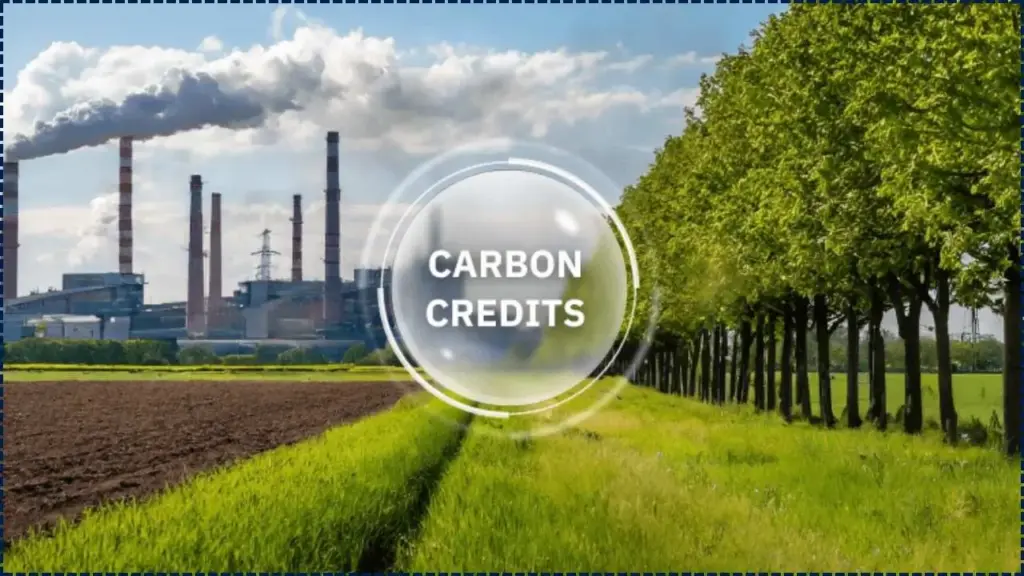
By reducing carbon emissions and engaging in the trading of carbon credits, Indian industries are positioning themselves not just as climate-conscious enterprises but as key players in the growing green economy.
Understanding Carbon Credits and Their Role in the Indian Economy
Carbon credits are tradable certificates that represent a reduction of one tonne of carbon dioxide (CO₂) emissions. These credits are awarded to organizations or entities that take measurable actions to reduce their carbon footprint, whether by reducing emissions directly or by investing in projects that absorb CO₂ from the atmosphere.
The carbon credit market allows companies with excess credits to sell them to others who are unable to meet their emission reduction targets. This market mechanism is increasingly gaining traction globally, and India is fast becoming a key player in this transformative market.
India’s Carbon Credit Trading Scheme (CCTS), launched under the Energy Conservation (EC) Act of 2001, has created the infrastructure needed to support emissions reductions, making it easier for businesses to sell and trade carbon credits.
In 2023, the Indian government further supported this initiative by formalizing regulations around carbon credits. This move allowed businesses to monetize their sustainability efforts while adhering to the country’s ambitious environmental goals.
India’s Green Push: The Road to Profit Through Carbon Credits
The Indian government has set aggressive emissions reduction targets under its Nationally Determined Contributions (NDCs), as part of the Paris Agreement. Carbon credits play a pivotal role in helping industries meet these targets.
India’s corporate sector is tapping into this potential to turn carbon reduction into a lucrative business opportunity. According to a report by the International Finance Corporation (IFC), India’s carbon credit market is set to grow exponentially, with projections suggesting it could generate over $48 billion by 2032.
Industries such as power, cement, steel, and manufacturing — traditionally among the highest emitters — are quickly adapting to the new financial incentives associated with carbon credits. Many businesses are opting for cleaner, greener technologies in a bid to reduce their emissions, thus earning carbon credits that can be sold to offset emissions elsewhere.
Furthermore, the recent focus on the voluntary carbon market, where companies that voluntarily commit to carbon neutrality can buy credits from organizations reducing emissions through renewable energy projects or forest conservation, has also significantly boosted the market’s potential.
By positioning themselves as leaders in the green transition, Indian companies are gaining an edge in both the domestic and international markets.
The Mechanics of Carbon Credit Trading in India
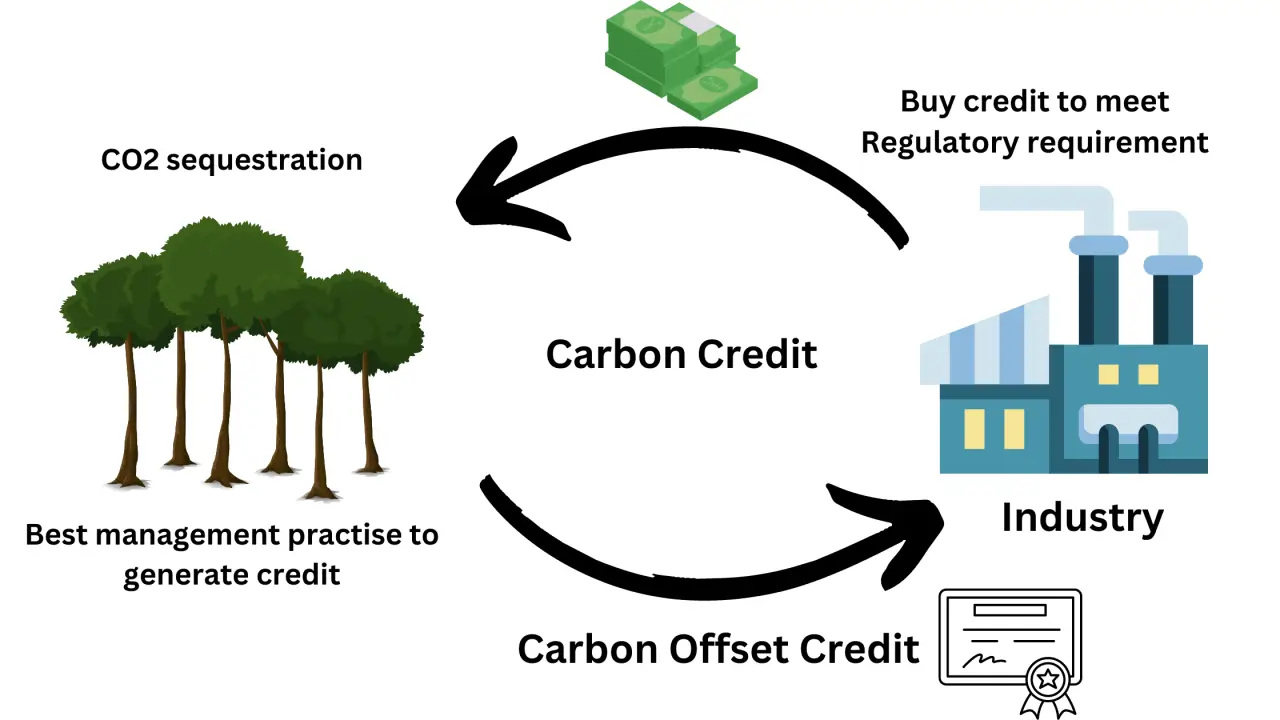
In India, carbon credits are generated under two main schemes: compliance markets and voluntary markets.
- Compliance Markets: These markets are typically driven by regulatory frameworks such as India’s CCTS. Companies that fail to meet their emission reduction targets must purchase carbon credits from other businesses that have reduced more than their fair share of emissions. The Indian government monitors and certifies these reductions to ensure their validity.
- Voluntary Markets: In the voluntary market, companies or individuals choose to buy credits as part of their environmental goals. This market is particularly important for businesses seeking to demonstrate corporate social responsibility (CSR) or to improve their sustainability credentials without being bound by regulatory requirements. For instance, Indian Oil Corporation (IOC) and Tata Consultancy Services (TCS) have embraced carbon offsetting strategies, purchasing carbon credits from renewable energy projects or forest conservation efforts.
Why Are Carbon Credits a Game Changer for Indian Businesses?
Carbon credit trading offers several strategic advantages for Indian businesses:
1. Revenue Generation
India’s carbon credit market has quickly evolved into a multi-billion-dollar industry. Companies that reduce their carbon emissions beyond the regulatory requirements can sell the surplus credits, turning their sustainability efforts into a new source of revenue.
For instance, Wipro and Tata Power have monetized their emissions reductions through the sale of carbon credits, receiving financial returns from their green projects.
2. Cost Reduction
Indian companies can offset the costs of their carbon-reducing technologies by selling excess carbon credits. The cement and steel industries, which typically have high operational costs due to energy consumption, have found carbon credits to be an efficient way to reduce overall costs by transitioning to cleaner technologies.
3. Enhanced Reputation and Investor Appeal
Environmental, social, and governance (ESG) metrics are increasingly becoming a central factor in investment decisions. Indian companies that actively participate in the carbon credit market and demonstrate strong sustainability performance are more likely to attract foreign direct investment (FDI) and favorable financing options.
The growing appetite for sustainable investments means that carbon credit traders, particularly in India’s voluntary market, are increasingly able to tap into investor pools that value environmental responsibility.

4. Long-Term Sustainability and Innovation
By participating in the carbon credit market, companies are incentivized to innovate. For instance, Varaha, a sustainable farming company, recently raised $30 million to expand its soil-carbon program.
This innovative approach to carbon sequestration not only generates credits but also promotes sustainable farming practices that benefit both the environment and farmers’ livelihoods.
The Growing Role of Technology in the Carbon Credit Market
Technological innovation is playing an integral role in shaping India’s carbon credit landscape. Blockchain technology, in particular, is helping to enhance transparency, traceability, and efficiency within the market.
By allowing for the digital tracking and transfer of carbon credits, blockchain reduces the risk of fraud and makes it easier for buyers and sellers to engage in transactions.
For example, Tata Power has integrated blockchain technology into its carbon credit trading model to simplify processes and improve market confidence. Additionally, several startups are exploring the use of artificial intelligence (AI) and machine learning (ML) to optimize carbon credit trading strategies.
Global Context: India’s Position in the Global Carbon Credit Market
India is positioning itself as a major player in the global carbon credit market. While the European Union Emission Trading System (EU ETS) has been the largest carbon market globally, India’s CCTS is increasingly gaining attention. According to the World Bank,
India has the potential to be a key competitor in the carbon market due to its significant industrial base, growing renewable energy capacity, and an increasing number of businesses adopting green practices.
India’s carbon market is also gaining visibility in the voluntary market — a space where companies outside the regulatory framework choose to buy credits as part of their corporate social responsibility (CSR) goals.
This market is particularly popular in countries like the United States and Australia, where many businesses are looking to offset their emissions without being forced to do so by law. India’s power and steel sectors are leading the way in reducing emissions and selling credits, making the country a significant player in the voluntary space as well.
Impact on Local Communities: Empowering Through Sustainability Projects
Carbon credits not only benefit businesses but also have the potential to create meaningful socio-economic impacts, particularly in rural areas. Through sustainable forestry, renewable energy, and soil-carbon projects, local communities can participate in carbon credit initiatives and receive direct financial benefits.
For example, in Madhya Pradesh, a state in central India, carbon credit projects focused on afforestation have provided additional income streams for local farmers. These projects offer an innovative way to promote sustainable farming and enhance local livelihoods, while also addressing the larger issue of carbon sequestration.
Future of India’s Carbon Credit Market: What Lies Ahead?
Looking ahead, India’s carbon credit market is expected to grow substantially. Experts predict that as the government continues to tighten regulations on emissions and international demand for carbon credits increases, Indian companies will continue to benefit from the dual financial rewards of emission reduction and credit trading.

India’s embrace of carbon credit innovation, such as blockchain and AI-powered trading, is likely to revolutionize the efficiency and transparency of the carbon markets.
As the market matures, experts anticipate new models for carbon credit generation, including opportunities in sectors like agriculture and waste management.
Case Studies: Leading Indian Companies in Carbon Credit Trading
Wipro
As one of India’s leading IT services firms, Wipro has committed to sustainability by reducing its carbon footprint and investing in green technologies.
The company has been actively involved in carbon credit trading, particularly in renewable energy projects. By creating renewable energy credits, Wipro has monetized its green investments while reducing its environmental impact.
Tata Power
Tata Power, a leader in renewable energy, has implemented large-scale solar and wind power projects that generate carbon credits.
These efforts have helped the company maintain a competitive edge in the market, as they can sell the credits generated by these projects to other companies in need of offsets.
Related Links
A Billion-Dollar Opportunity on the Horizon
The carbon credit market in India is transforming from a niche environmental tool into a thriving billion-dollar industry. For companies, it presents an opportunity to meet regulatory obligations, generate revenue, and enhance their reputation as responsible corporate citizens.
As the Indian government continues to support this initiative with clearer policies, and as technology improves market efficiency, the potential for carbon credits to become a cornerstone of the green economy looks promising.
The key for India’s corporate sector will be to address the challenges of regulation, price stability, and verification. However, with the right approach, carbon credits could become a significant source of income, innovation, and environmental impact.
In the coming years, this trend could position India as one of the global leaders in the green economy, leveraging carbon credits to contribute not only to environmental sustainability but also to its economic growth.