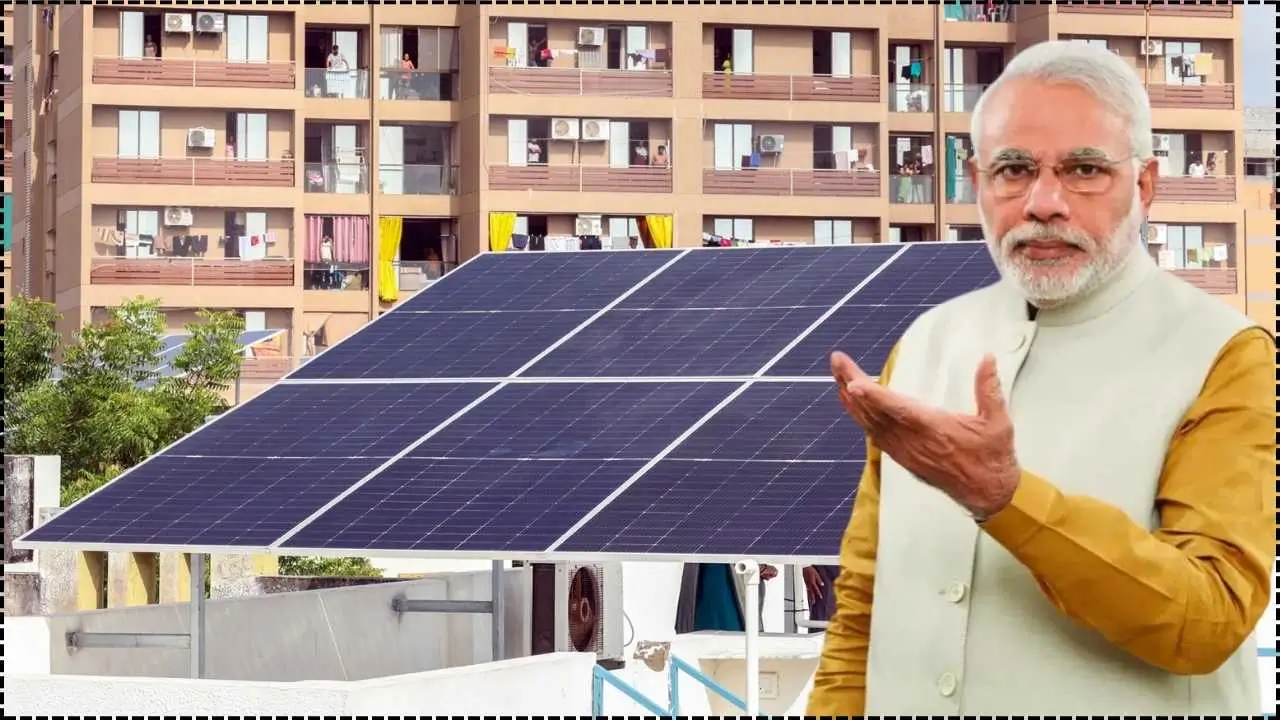
As solar energy becomes more accessible and affordable, homeowners are increasingly turning to rooftop solar systems to lower energy costs. What many don’t know is that solar power can also become a source of passive income.
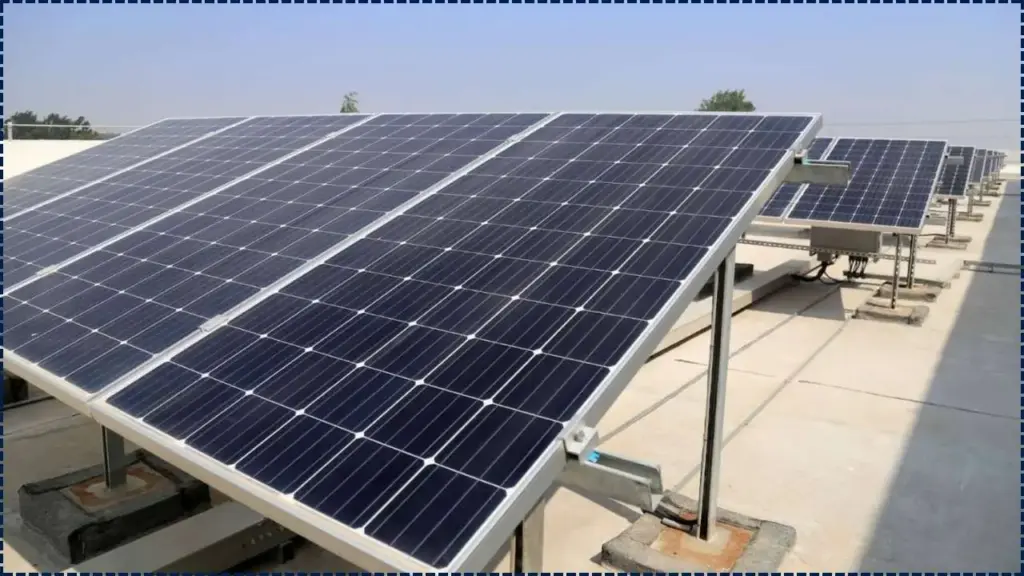
By using net metering, homeowners can sell surplus solar electricity back to the grid, earning credits that offset future energy bills. This article explores the ins and outs of net metering, how to get started, and the potential for generating passive income through solar energy.
What Is Net Metering and How Does It Enable Passive Income?
Net metering is a billing system that allows homeowners with solar panels to send excess electricity generated by their system back to the grid. In exchange, they earn credits on their electricity bills.
These credits can offset the amount of power they consume from the grid when their solar system isn’t producing enough electricity — typically during the night or on cloudy days.
Essentially, your solar system acts as a producer and consumer of electricity. Surplus energy is sent to the grid, and during times of higher consumption, the grid can send electricity back to you, with the credits you’ve accumulated covering the cost.
Key Components of Net Metering:
- Bidirectional Net Meter: A meter that measures both the electricity you consume from the grid and the surplus you export.
- Energy Credits: For every kilowatt-hour (kWh) of electricity your solar panels export, you earn energy credits that reduce your future bills.
This system creates a passive income opportunity by allowing you to generate money from unused energy, without having to do anything extra.
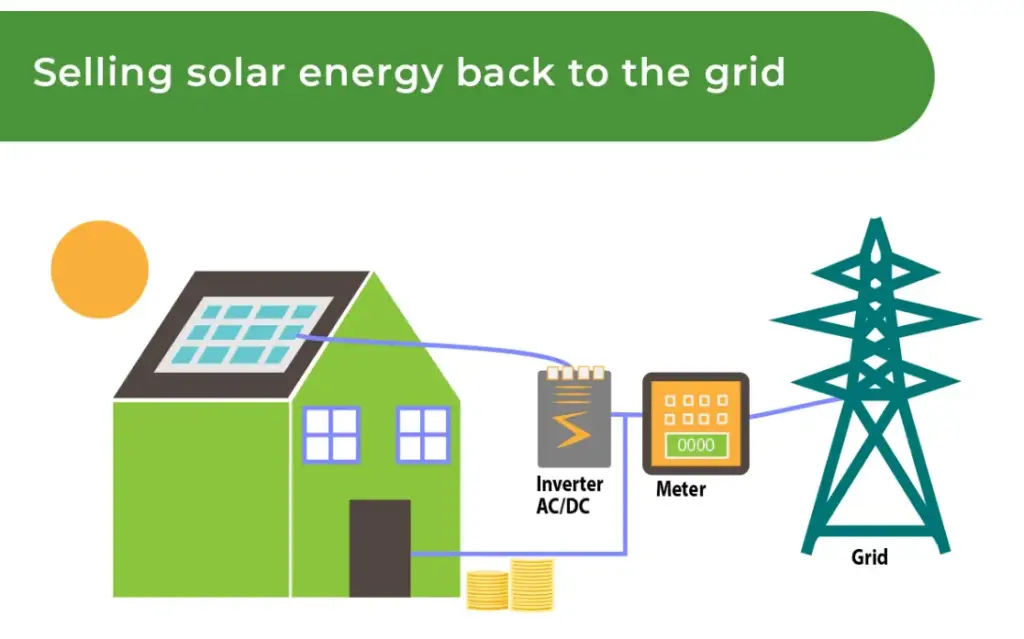
How Net Metering Works: Sell Surplus Solar Electricity Back
1. Install a Grid-Connected Solar System
To participate in net metering, you need a grid-connected solar photovoltaic (PV) system. This system includes:
- Solar panels to generate power.
- An inverter to convert DC power from the panels into AC power, which your home can use.
- A bi-directional net meter to track both energy consumed and exported to the grid.
2. Apply for Net Metering with Your Utility Provider
After installing your solar system, you must apply for net metering with your local utility company. The application typically requires:
- Details about the solar system, including its capacity and inverter type.
- Compliance with safety and technical regulations.
Once your system is approved, your utility company installs a bidirectional net meter to track energy flows and set up your billing account.
3. Generate and Export Surplus Energy
During daylight hours, your solar system generates power. If you consume less power than your system generates, the excess is sent to the grid. Your net meter records the exported electricity, and credits are applied to your account.
4. Use Energy Credits to Offset Future Bills
At the end of the billing cycle, your utility company will calculate your energy consumption and the amount of energy exported. Any excess credits are applied to future energy usage, significantly reducing or even eliminating monthly electricity costs.
How Much Can You Earn or Save with Net Metering?
The amount of money you can earn or save through net metering depends on several factors, including your solar system’s capacity, regional energy rates, and how much surplus electricity you can generate.
- Energy Consumption: The more energy you consume, the more you’ll need to produce to offset those costs.
- Solar Panel Output: Larger solar systems that generate more surplus energy increase the amount of credits you can earn.
- Regional Tariffs: The rates at which utilities credit exported energy vary by state and region. For example, some states offer rates as high as ₹3.65 per unit, while others provide lower compensation rates.
In general, with a typical 5 kW rooftop solar system, homeowners can save anywhere from 70-90% on their monthly electricity bills. If your system consistently generates surplus energy, you may even be able to earn back more than you consume, allowing for long-term financial benefits.
State-Specific Net Metering Policies and Innovations
Net Metering Variability Across India
In India, net metering regulations vary by state. For example, Maharashtra, Rajasthan, and Tamil Nadu have well‑established net metering policies, while some regions are still in the process of drafting legislation.
The compensation rates, policies on credit rollover, and export limitations differ, so it’s important to check local guidelines.
Virtual and Group Net Metering
In virtual net metering (VNM) and group net metering (GNM), solar producers can share credits among multiple consumers. These systems allow people without rooftop space to participate in solar power production by buying into communal solar installations.
This innovation is helping broaden access to solar energy for those who may not have ideal roof space or financial resources to install a system themselves.
Peer-to-Peer Energy Trading
A new and emerging trend is peer‑to‑peer (P2P) energy trading, which allows consumers with solar systems to sell their surplus energy directly to other consumers, bypassing utility companies.
Although still in its infancy in many parts of India, P2P trading platforms are gaining traction and could dramatically improve the income potential for prosumers.
Investment and Technology Considerations
Sizing Your Solar System for Maximum Return
A properly sized solar system is critical to maximizing the passive income potential. While a larger system can generate more surplus, it comes with higher initial costs.
Homeowners should calculate their energy consumption and solar system output to avoid over-investing in a system that generates more energy than they need.
Smart Inverters and Monitoring Systems
Modern smart inverters and digital energy monitoring platforms enable homeowners to track energy generation, consumption, and surplus export in real time.
By understanding peak production times and energy consumption patterns, you can optimize your system to maximize credit generation and savings.
Challenges and Limitations of Net Metering
Grid Charges and Maintenance Fees
Some states and utility companies charge grid maintenance fees or impose minimum charges on net metered homes. While net metering can drastically reduce your monthly bills, these additional charges can offset some of the savings.
Policy Changes
As net metering policies can change, it’s essential to stay informed about local regulations. Utility companies may adjust credit rates or change eligibility requirements, which could affect long-term profitability.
Seasonal Fluctuations in Solar Power Generation
In regions with significant seasonal weather fluctuations, solar energy production can vary. During cloudy or rainy months, solar systems may generate less power, resulting in lower export volumes and fewer credits. Homeowners may need to draw more power from the grid during these times.

The Future of Solar Energy and Grid Integration
As the solar energy market matures and grid technologies improve, the potential for passive income from solar will only increase. Future innovations, such as smart grids and AI-driven energy management, will make it easier for consumers to optimize solar energy use and trading.
These advancements may also enable more seamless integration with the broader energy network, improving energy storage, demand response, and trading mechanisms.
Related Links
US tariffs, Europe slowdown reshape global solar panels trade
Indonesia and Laos solar exports surge to U.S. as tariffs hit SE Asian rivals
Selling surplus solar electricity back to the grid through net metering is an increasingly popular way for homeowners and businesses to generate passive income while contributing to the growth of clean energy.
By understanding how the process works, optimizing system size, and staying updated on state policies and technologies, anyone with a rooftop solar installation can start earning credits that reduce their energy bills.
As grid technologies evolve, the opportunity to earn passive income from solar will continue to grow, making it a wise investment for many.