What if every home on Earth were covered in solar panels? The idea, once relegated to the realm of science fiction, could soon become a reality.
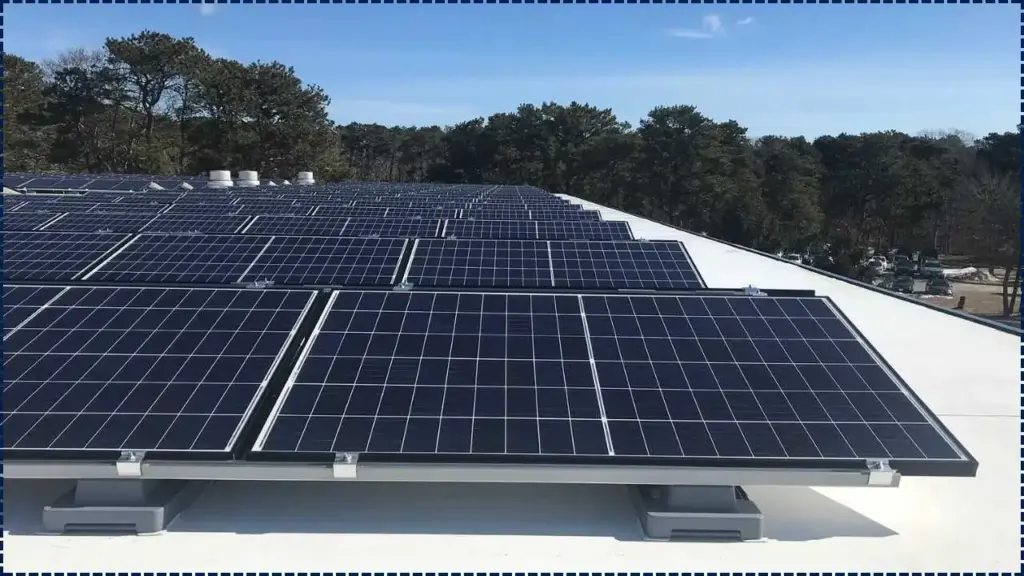
As climate change accelerates and the cost of solar technology continues to fall, we explore the The Solar Ceiling impact of universal solar adoption. Could it be the key to slowing global warming, reducing carbon footprints, and transforming the global energy landscape?
The Solar Ceiling
| Key Fact | Detail/Statistic |
|---|---|
| Global Solar Potential | Solar power can generate up to 1.5 terawatts of energy globally. |
| Energy Needs for Every Household | If every house had solar panels, the world could potentially meet 50% of its energy demand through solar power. |
| Carbon Reduction | Solar panels on every house could reduce global carbon emissions by 25%. |
The Case for Solar: Why Every Roof Could Be a Power Plant
The world’s energy consumption is undergoing a massive shift. Solar energy, long considered the future of renewable energy, is becoming increasingly practical and affordable. Thanks to rapid advancements in solar technology, the cost of installing solar panels has dropped by nearly 80% in the last decade.
Meanwhile, the global push toward clean energy is intensifying as governments, businesses, and individuals search for sustainable ways to reduce carbon emissions. The idea of equipping every home with solar panels represents a radical shift in the way energy is produced and consumed.
It would reduce reliance on fossil fuels, lower utility bills for homeowners, and help mitigate the worst impacts of climate change. But what would happen if every single roof in the world were outfitted with solar panels? Could it reverse the damage done to the environment?
The Impact on Global Carbon Emissions
One of the most significant impacts of universal solar adoption would be the reduction in carbon emissions. The energy sector is responsible for roughly 40% of global greenhouse gas emissions, primarily from fossil fuel-based power plants.
By replacing fossil fuels with clean, renewable solar energy, carbon emissions could be cut drastically. If every household on Earth switched to solar power, it could reduce global emissions by an estimated 25%, as much of the world’s power generation comes from burning coal, natural gas, and oil.
With an increasing number of nations pledging to achieve net-zero emissions by 2050, global-scale solar energy adoption could play a pivotal role in meeting these ambitious targets.
What If Every Home Had Solar Panels? The Energy Picture
The Solar Power Potential of Every Roof
The potential for solar energy from rooftops is vast. According to research from the National Renewable Energy Laboratory (NREL), the world’s rooftops could generate up to 1.5 terawatts of electricity — roughly 50% of global electricity demand.
By tapping into this vast resource, humanity could reduce its dependence on fossil fuels, making electricity cheaper, cleaner, and more reliable.
- Roof Coverage: If every single building on Earth, from homes to commercial buildings, was covered in solar panels, it would represent one of the most substantial global sources of clean power.
- Distributed Generation: Distributed solar generation (decentralized energy systems) offers benefits such as improved grid stability and reduced transmission losses, making solar panels on every roof more practical.
Even with cloudy weather or rainy conditions, solar panels still generate some electricity, and in regions with high sun exposure, battery storage technologies would store excess energy for use when conditions improve.
How Much Energy Could Be Produced?
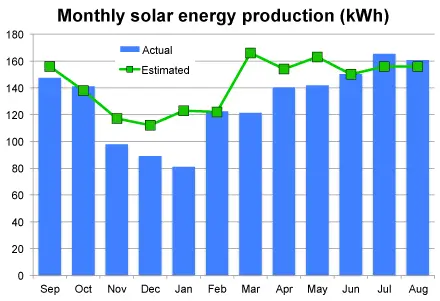
The average home in the United States consumes approximately 10,000 kWh of electricity per year. The amount of energy generated by solar panels depends on a variety of factors, including geographic location, roof size, and the type of solar panel installed.

On average, a home can generate around 4,000–5,000 kWh annually from solar panels, depending on location. However, in areas with high sun exposure, such as the southwestern United States, a home can generate significantly more.
If every home globally had solar panels, the potential to meet up to 50% of global energy needs would be within reach, significantly reducing the world’s dependence on coal and natural gas. Countries in sun-rich regions like India, Australia, and Africa would benefit the most from solar-powered homes, reducing energy costs and enhancing energy security.
Solar Panel Scaling: Challenges and Benefits
Challenges to Universal Solar Adoption
While the benefits of universal solar energy adoption are compelling, there are several obstacles to scaling the technology across the world:
- Upfront Costs: The initial investment for solar panel installation is still a significant barrier for many homeowners, particularly in developing nations. However, costs have dropped by 80% over the last decade, and financial incentives such as tax credits and rebates are available in many countries.
- Infrastructure and Grid Integration: Integrating distributed solar energy systems into existing electrical grids requires substantial upgrades to infrastructure. In many places, grid systems are not designed to handle the decentralized nature of solar power.
- Space and Installation Limitations: In densely populated urban areas, roof space is limited. To make solar energy more accessible, the installation process needs to be streamlined and affordable for every homeowner.
The Benefits of Solar Adoption
- Cost Savings for Homeowners: Solar panels can reduce electricity bills by providing free energy from the sun. Over time, the savings from lower electricity costs typically pay off the initial investment.
- Energy Independence: Solar energy helps reduce reliance on centralized power plants and fossil fuels. This energy independence would be particularly valuable during emergencies or grid disruptions.
- Environmental Impact: The shift to solar energy would help mitigate climate change by cutting greenhouse gas emissions and reducing the world’s reliance on polluting energy sources.
A Step Toward a Clean Energy Future
Solar Power in Emerging Markets
Countries in Africa, India, and South America stand to benefit immensely from widespread solar adoption. These regions have abundant sunlight and relatively low access to reliable electricity, making solar panels an ideal solution.
In these parts of the world, solar energy could improve living standards, reduce energy poverty, and enable greater economic opportunities, particularly in rural areas.
Furthermore, solar power can be part of decentralized energy solutions for remote villages and off-grid areas. By investing in solar energy infrastructure, developing nations can bypass the need for costly grid extensions and build a more resilient and sustainable energy system.
What About the Climate?
Climate Change Mitigation
Covering every roof with solar panels could play a major role in limiting global warming. According to climate models, the widespread adoption of solar energy could help limit the global temperature rise to 1.5°C by the end of the century, as per the Paris Agreement targets.

Solar energy could become a key pillar of climate change mitigation efforts by replacing fossil fuel dependency and reducing emissions from power generation.
Beyond Solar: A Multi-Pronged Solution
While the adoption of solar energy is a critical part of combating climate change, it should be part of a broader mix of renewable energy solutions. Wind, hydropower, and geothermal energy also need to be integrated into a comprehensive, global strategy to reduce emissions and ensure a sustainable future.
Related Links
Solar Roofs for a Cleaner Tomorrow
The idea of covering every house on Earth with solar panels is no longer just a dream. As technology advances and costs decrease, this vision is becoming more feasible.
If implemented on a global scale, solar roofs could significantly reduce greenhouse gas emissions, provide energy independence, and help slow the devastating effects of climate change.
While there are hurdles to overcome, such as infrastructure and cost, the potential benefits of universal solar adoption make it a critical piece of the puzzle in the global transition to clean, renewable energy.
The question now isn’t if we should invest in solar power, but how quickly we can make it happen.