
Organic solar cells, once considered a promising alternative to traditional silicon-based panels, have faced a major hurdle: degradation. Over time, these cells lose their efficiency, primarily due to heat and environmental stress, limiting their practical use.
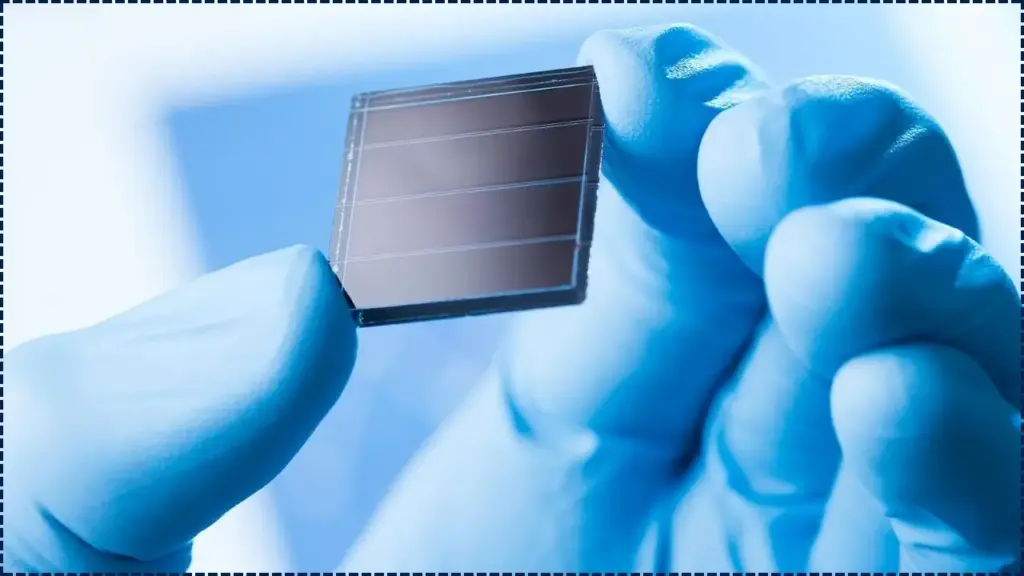
However, researchers have made a breakthrough with a new additive that helps organic solar cells retain 93% of their efficiency even under heat stress. This development could signal a major shift in the viability of organic solar cells, providing a longer lifespan and greater reliability, challenging the long-standing issue of panel degradation.
The Problem of Degradation in Organic Solar Cells
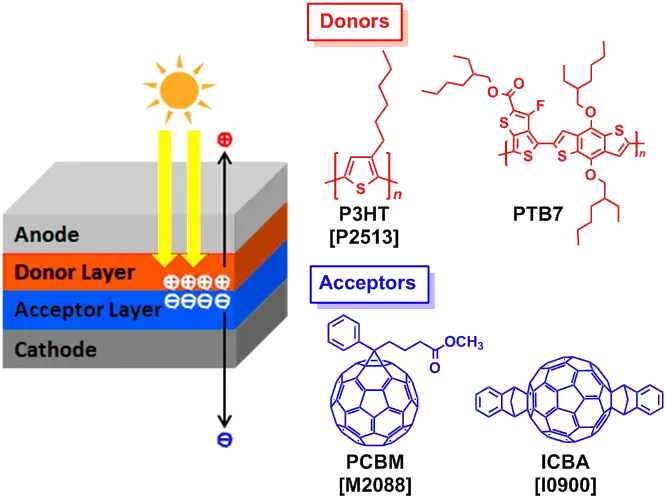
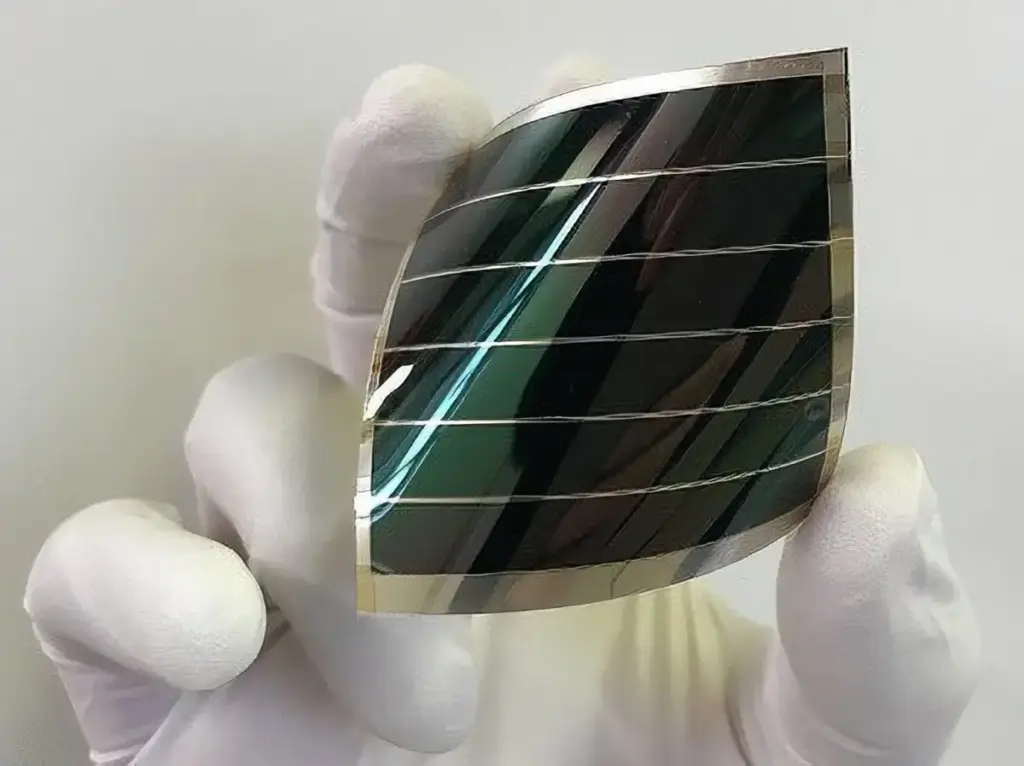
Solar technology has made remarkable strides in recent years, yet organic solar cells have been lagging behind traditional silicon-based panels in terms of stability. These cells are made from carbon-based materials and are lightweight, flexible, and potentially cheaper than silicon alternatives.
However, they have faced a critical drawback: degradation over time, particularly under heat stress. Degradation occurs when the materials that make up the solar cell break down, reducing the cell’s ability to convert sunlight into electricity. For organic solar cells, this typically happens due to heat exposure, moisture, and light-induced degradation.
When exposed to high temperatures, the organic materials in these cells can lose their molecular integrity, causing a significant drop in their efficiency. The resulting power loss makes these cells less suitable for long-term commercial use.
The Breakthrough Additive: What It Does
Researchers have now developed an additive that significantly improves the thermal stability of organic solar cells. This additive, identified as phenanthrenequinone (PQ), is a nonvolatile solid compound that, when added to the organic active layer of the solar cell, helps maintain high efficiency even under extended heat exposure.
The key feature of this additive is its ability to reduce the degradation caused by thermal stress. In laboratory tests, organic solar cells treated with PQ were able to retain more than 93% of their initial power-conversion efficiency after 100 hours of heat exposure.
This is a substantial improvement compared to traditional organic solar cells, which generally lose around 24% of their efficiency under similar conditions.
How It Works:
- Stabilization of Molecular Structure: The PQ additive interacts with the organic material to stabilize its molecular structure at higher temperatures, preventing phase separation that often leads to degradation.
- Increased Glass Transition Temperature: PQ raises the glass-transition temperature of the organic layer, reducing the tendency of materials to become disordered and lose functionality when exposed to heat.
- Reduction of Burn-In Degradation: The additive also helps reduce burn-in degradation, which is a phenomenon where organic solar cells experience rapid efficiency loss early in their operation due to environmental exposure.
Why This is Important for the Future of Solar Power
The Advantages of Organic Solar Cells
Organic solar cells offer several advantages that could revolutionize the solar industry if their efficiency and longevity could be improved:
- Cost-Effective Manufacturing: Organic solar cells can be produced using low-cost, roll-to-roll printing techniques, potentially lowering production costs significantly compared to traditional silicon panels.
- Flexibility and Light Weight: These cells are lightweight and flexible, making them suitable for applications on surfaces where rigid silicon panels would be impractical, such as on vehicles, windows, or portable devices.
- Environmental Sustainability: The materials used in organic solar cells are often less resource-intensive and more sustainable than those used in traditional solar panels, presenting an environmentally friendly alternative to silicon-based technologies.
However, the degradation issue has been a persistent barrier to these benefits, preventing organic solar cells from being used in large-scale commercial applications. The ability to overcome thermal degradation through this new additive could unlock the full potential of organic photovoltaics.
Honeycomb-shaped micro-structures enhance thin film silicon solar cells: TU Delft researchers developed a novel hexagonal microtextured glass that enhances light scattering up to 50%, improving optical… https://t.co/VV42DQgsmY #Photovoltaics #EnergyStorage #RenewableEnergy pic.twitter.com/OONIuDp71m
Also Read— pv magazine (@pvmagazine) February 23, 2026सोलर सिस्टम लगवाने की सोच रहे हैं? जानिए हाइब्रिड सोलर सिस्टम की असली कीमत और सब्सिडी का पूरा सच

The Broader Implications for Solar Technology
Comparison with Traditional Solar Cells
While organic solar cells have their advantages, they have been consistently outperformed by traditional silicon-based solar cells. Silicon cells, with their higher efficiency and proven longevity, have dominated the market.
However, their rigid structure and relatively high production cost limit their versatility. In comparison, organic solar cells, despite their lower efficiency, have an edge in flexibility and lightweight applications.
This breakthrough in thermal stability for organic solar cells could bridge the gap between the two technologies. If combined with improved efficiency and mass-scale production techniques, organic photovoltaics could become a significant competitor in the global solar market.
Global Impact
The ability to produce cost-effective, durable solar panels could have a profound impact on global energy markets. Organic solar cells could be used in a wider range of applications, particularly in remote or off-grid areas, where traditional solar panels are not practical due to weight or cost.
Additionally, the ability to integrate these cells into building materials or portable devices could accelerate the adoption of solar energy on a global scale, particularly in developing countries.
For climate change mitigation, this breakthrough could help solar energy become a more reliable and widespread solution, particularly in countries with high solar exposure but limited access to conventional solar technology.
Expert Insights: What the Experts Are Saying
Dr. Anne-Marie MacDonald, a researcher at the National Renewable Energy Laboratory (NREL), commented on the significance of this development, saying, “This breakthrough in additive chemistry is a crucial step toward solving the durability issue for organic solar cells.
While more testing is needed under various environmental conditions, the results are promising for both the future of organic photovoltaics and for meeting long-term sustainability goals in solar energy.”
Similarly, Dr. Carlos Ramirez, a solar technology analyst at Solar Tech Insights, noted that this could be the key to widespread adoption.
“If this additive can be scaled and integrated into commercial manufacturing processes, organic solar cells could become a viable option for both residential and industrial solar installations.”

Challenges and Considerations Ahead
While this additive shows great promise, challenges remain:
- Scaling Production: Manufacturing organic solar cells with PQ additives at an industrial scale will need to be thoroughly tested. The scalability of the additive in large volumes will be key to determining whether this solution is commercially viable.
- Long-Term Field Testing: Laboratory tests have shown success in controlled conditions, but real-world performance in different climates, temperatures, and under varying weather conditions will need to be proven over extended periods.
- Cost of Integration: While PQ may offer efficiency improvements, integrating this technology into existing manufacturing processes may require additional costs or adjustments that need to be evaluated.
Related Links
A Step Toward Sustainable Solar Energy
This development in organic solar technology is a significant step toward solving the long-standing issue of panel degradation. By improving the thermal stability of organic solar cells, researchers have paved the way for these cells to achieve longer lifespans, making them more competitive with traditional silicon-based panels.
While further testing and development are needed, the introduction of this additive could mark the beginning of a new era in solar energy — one where organic solar cells are no longer hindered by efficiency loss, but instead become a viable and cost-effective solution for sustainable energy production worldwide.
FAQs
1. What is the new additive used in organic solar cells?
The new additive, phenanthrenequinone (PQ), stabilizes the molecular structure of organic solar cells, improving their efficiency and thermal stability.
2. How much efficiency do organic solar cells retain with this new additive?
With the addition of PQ, organic solar cells can retain over 93% of their original efficiency after 100 hours of heat exposure, compared to only 76% in traditional cells.
3. How will this discovery impact solar energy?
This discovery could improve the viability of organic solar cells for large-scale, commercial use, particularly in applications where lightweight and flexible panels are needed.