
For over a decade, perovskite solar cells (PSCs) have captivated the renewable energy world due to their astonishingly high efficiency. These materials, which are simpler and cheaper to produce than traditional silicon solar cells, have seen rapid advancements in power conversion efficiency (PCE), from 3.8% in 2009 to over 25% in 2025.
Despite these advancements, the mechanism behind their exceptional performance — particularly in the face of material defects — has remained unclear. A new breakthrough by physicists reveals how perovskites maintain their superior efficiency even when defects are present.
This discovery has significant implications for solar energy commercialization, paving the way for cheaper and more efficient renewable energy.
What Makes Perovskite Solar Cells Different?
The Emergence of Perovskite Solar Cells
Perovskite solar cells are named after the perovskite structure, a specific crystal arrangement that allows these cells to absorb sunlight much more efficiently than conventional materials. This structure can be composed of organic-inorganic hybrid compounds like methylammonium lead iodide, which has demonstrated particularly high light absorption and charge transport properties.
In 2009, scientists began using perovskite materials in solar cells, achieving modest efficiencies. Over time, the technology advanced so rapidly that by 2025, perovskite solar cells had reached efficiencies approaching 25%, a milestone that took traditional silicon-based cells decades to achieve.
This rapid improvement has led to perovskites being considered one of the most promising alternatives to traditional silicon-based solar cells. However, the unexpected performance of perovskites in the face of structural defects led to significant questions.

Why do perovskite cells work so efficiently despite having imperfections in their crystal structure? The answer lies in the defect tolerance and charge transport properties of these materials, which were revealed in recent research.
The Breakthrough: Defect Tolerance and Efficient Charge Transport
Why Do Perovskites Tolerate Defects?
A major mystery with perovskite solar cells has been how they maintain high efficiency despite having structural defects — imperfections in the crystal lattice where atoms are missing or incorrectly arranged.
In most semiconductors, such defects would trap charge carriers (electrons and holes), reducing efficiency by preventing them from reaching the electrode to generate electrical current. In contrast, perovskite materials show remarkable tolerance for defects, allowing charge carriers to move freely even when the material is not perfectly structured.
According to the findings from the University of Cambridge, defects in perovskite crystals do not significantly interfere with the movement of charge carriers, which is why perovskite solar cells still generate high electrical output despite material imperfections.
Dr. Jennifer Huang, the lead researcher on the study, noted: “In perovskite materials, defects don’t behave the same way as they do in other semiconductors. Instead of hindering charge flow, they actually facilitate it, which is a key factor in their high performance.”
How Perovskites Achieve Superior Charge Transport
In addition to defect tolerance, perovskites are unique in how they transport charge. Charge carriers in perovskites can move more quickly and efficiently than in other semiconductors, which further boosts their energy conversion capabilities.
This is particularly important because fast-moving charge carriers can collect energy more efficiently from sunlight, reducing losses during the conversion process. Recent findings show that perovskite materials have both high electron and hole mobility, which is crucial for optimal solar cell performance.
The electrons and holes can travel through the material efficiently, allowing perovskite solar cells to convert light to electricity with minimal energy loss. This characteristic, combined with perovskite’s ability to absorb light over a broad spectrum, makes it highly efficient at converting sunlight into electrical energy.

Perovskite Solar Cells vs. Silicon: Efficiency and Cost
Performance Comparison with Silicon Cells
Perovskites have been hailed for their potential to disrupt the solar industry, primarily because they can be manufactured cheaper and faster than silicon-based solar cells. While silicon cells have an established track record of reliability and efficiency, they are more expensive to produce and require high-temperature, energy-intensive manufacturing processes.
In contrast, perovskites can be produced using solution-based processing at room temperature, reducing production costs significantly. Despite this, silicon panels continue to dominate the market due to their long-term durability.
Perovskites, though highly efficient, are still working toward solving stability issues, such as moisture sensitivity and long-term degradation. However, advances in material encapsulation and alternative formulations are expected to address these challenges, potentially allowing perovskites to become competitive with silicon for commercial use.
Tandem Solar Cells: The Future of Solar Efficiency
One promising development for perovskites is the creation of tandem solar cells, which combine perovskite and silicon layers. This design allows perovskites to absorb light more efficiently, while silicon captures light in other wavelengths, leading to an overall higher efficiency than either material could achieve on its own.
Researchers have already demonstrated tandem cells with efficiencies greater than 30%, and industry leaders like Oxford PV are working to commercialize perovskite-silicon tandem solar cells.
Real-World Applications: Powering the Future
Building-Integrated Photovoltaics (BIPV)
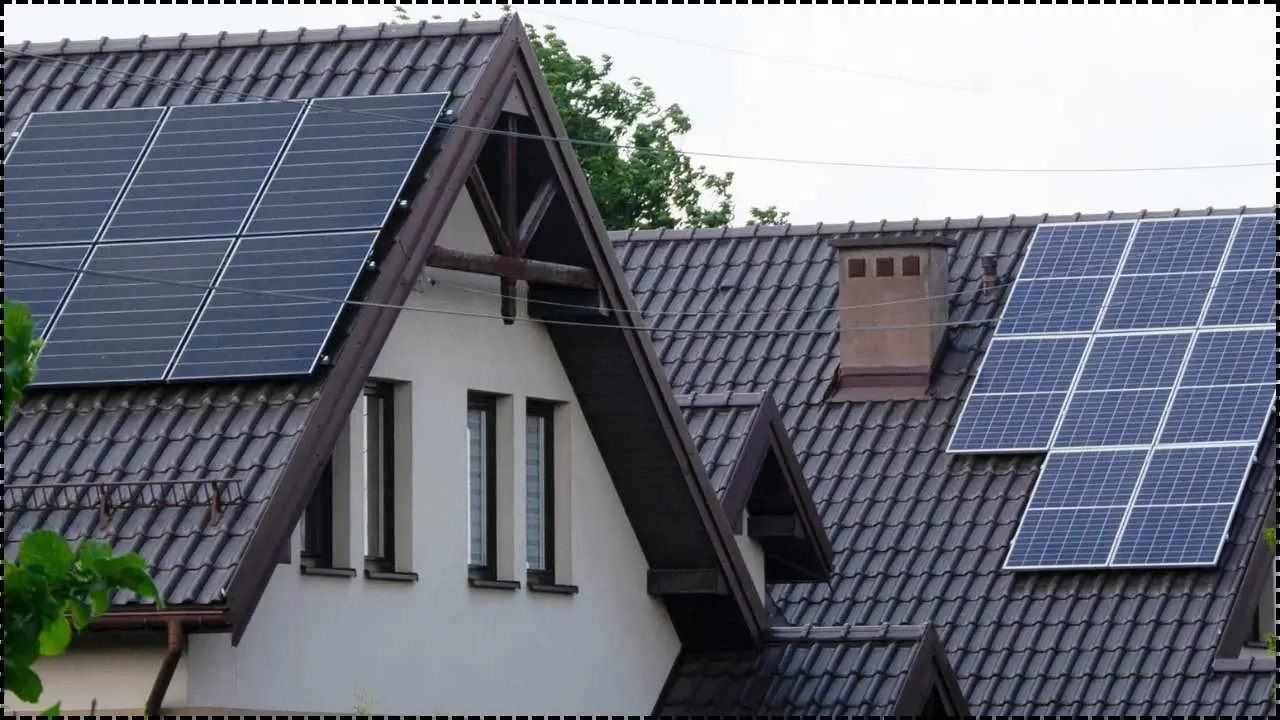
One of the most promising applications for perovskite solar cells is in building-integrated photovoltaics (BIPV). Due to their flexibility and lightweight nature, perovskites can be seamlessly integrated into windows, facades, and rooftops, making them ideal for use in urban environments where traditional solar panels may not be feasible.
This aesthetic flexibility is one of the factors that could help perovskites become a mainstream technology in buildings.
Portable Solar Devices
Perovskites are also suitable for small, portable solar devices. Their flexibility means they can be incorporated into a range of consumer products, from solar-powered chargers to wearable devices, providing sustainable energy options for personal technology.
Challenges and Solutions: Stability and Scalability
Stability Concerns
The main challenge for perovskites is their sensitivity to environmental factors, including moisture, UV light, and oxygen. This makes them prone to degradation over time. However, researchers are developing encapsulation methods to protect the material and extend its lifetime, as well as investigating lead-free alternatives to address concerns over environmental impact.
Scalability and Cost
Another barrier to mass adoption is the scalability of perovskite production. While laboratory efficiencies are high, perovskite solar cells need to be produced consistently and affordably at large scales.
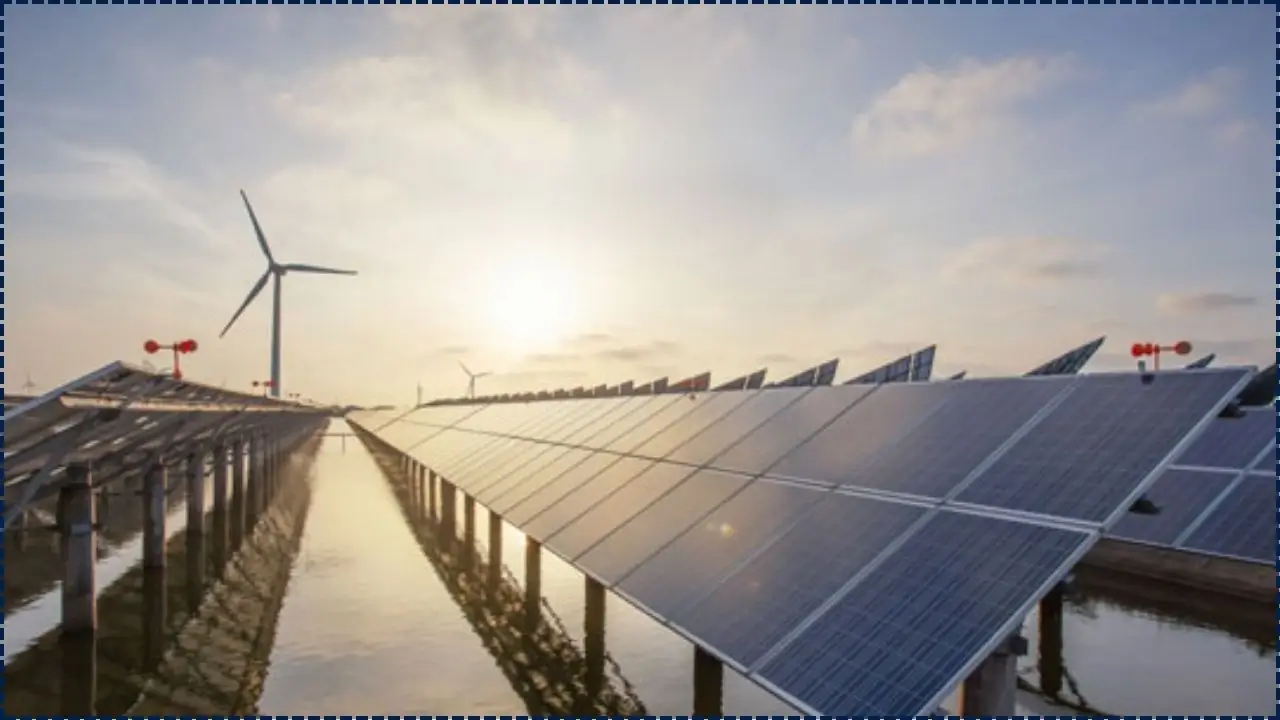
Scaling up manufacturing while maintaining high performance will be critical to ensuring that perovskites can compete with silicon on the market.

Expert Perspectives: What the Experts Are Saying
Dr. Elena Novak, a researcher at the University of Cambridge, commented, “This breakthrough helps us understand how perovskites work at the atomic level, unlocking the potential for future commercial applications. The efficiency gains in these materials could accelerate their global adoption.”
Prof. John Miller, an expert in solar materials at MIT, added: “With further refinement, perovskite solar cells could play a significant role in the global energy transition, especially when combined with other technologies like silicon in tandem cells.”
Related Links
Get 100% Solar Output Even in Fog! 5 Pro-Tips to Keep Your Panels Clean This Winter
The 2030 Solar Vision: 5 Radical Changes That Will Transform India’s Energy Landscape
A Bright Future for Perovskite Solar Cells
The discovery of why perovskite solar cells can achieve high efficiency despite defects opens up new possibilities for solar energy. With defect tolerance and improved charge transport, perovskites could eventually surpass traditional silicon-based cells, especially in flexible and cost-effective applications.
As researchers continue to address the stability and scalability challenges, perovskites are poised to become a leading technology in the renewable energy sector. Their efficiency, flexibility, and low cost could make them a key player in the future of global solar power.
FAQs
1. Why are perovskite solar cells so efficient?
Perovskites are efficient because of their defect tolerance and high charge mobility, which allow charge carriers to move freely even with defects. They also absorb a wide spectrum of light, converting more sunlight into electricity.
2. What challenges do perovskite solar cells face?
Perovskites face stability issues under moisture, oxygen, and UV light exposure. There are also scalability challenges in mass production and concerns over lead toxicity in some formulations.
3. How will perovskite solar cells impact the solar industry?
Perovskites could lower solar energy costs, provide flexible, lightweight solutions, and offer higher efficiency, making solar power more accessible, particularly in urban environments and for portable applications.