
As the Netherlands moves closer to the end of net metering (saldering) in 2026, Dutch homeowners who have invested in solar panels must prepare for significant changes to the financial landscape of their energy consumption.
This transition will affect the way excess solar energy is compensated and require households to adapt their energy strategies. In this article, we explain how the salderingsregeling has worked, the changes homeowners can expect, and how they can prepare for a new era of solar energy use.
What is Net Metering (Saldering)?
Net metering, or saldering, has long been a cornerstone of the Netherlands’ solar energy policies. Under this system, homeowners with solar panels could offset their electricity consumption by feeding excess solar energy back into the grid. For every kilowatt-hour (kWh) of power sent to the grid, the homeowner could reduce their electricity bill by the same amount.
This one-to-one compensation allowed homeowners to balance out periods when they used more energy than they generated, such as in winter when sunlight hours are limited. However, with the increasing adoption of solar energy and the growing popularity of residential solar panels, the scheme has become unsustainable for grid operators and taxpayers.
What is Changing in 2026?
2026: The Last Full Year of Net Metering
The government has announced that 2026 will be the final year of full net metering benefits for homeowners. From 2027 onwards, solar panel owners will no longer be able to offset electricity consumption with the solar power they send to the grid.
Instead, homeowners will receive a feed-in tariff (terugleververgoeding) for the energy they export, but this compensation will be significantly lower than the retail price they paid for electricity. The compensation rate for excess energy will be set at approximately 50% of the market rate, far below the current compensation under the salderingsregeling.
Why is the Net Metering Scheme Ending?
Several key factors have led to the decision to phase out net metering:
- Cost fairness: As solar adoption has increased, the cost of the net metering scheme has shifted to non-solar customers. The government aims to make the cost distribution more equitable by adjusting how solar energy is compensated.
- Grid congestion: The rise in solar installations has created challenges for local grids, especially during sunny periods when excess energy is produced but cannot be efficiently used or stored. This has led to higher costs for maintaining the grid.
- Encouraging self-consumption: The government wants to incentivize homeowners to use their own solar energy rather than exporting it. This ensures that more solar energy is consumed directly by households, reducing reliance on the national grid and improving energy efficiency.
What Will the Transition Look Like?
2026: The Last Full Year of Net Metering
Homeowners will still enjoy full net metering benefits in 2026, meaning the compensation for energy sent to the grid will be the same as the energy they consume. This is an important year for those who plan to install new systems or maximize their savings before the scheme is phased out.
However, the move to lower compensation rates in 2027 is already driving the solar market to adapt, with experts advising homeowners to optimize their energy consumption and consider investing in energy storage solutions such as batteries to maximize the value of their solar investments.
2027: Full Phase-out of Net Metering
By January 2027, the salderingsregeling will be fully phased out. Homeowners who continue to generate excess solar energy will no longer be able to use net metering to offset their electricity costs. Instead, they will receive a lower feed-in tariff for the energy they provide to the grid.

This change will also mean that homeowners will likely face higher electricity bills if they are unable to store or use enough of the energy they generate.
What Can Homeowners Do to Prepare?
1. Focus on Self-Consumption
One of the key ways homeowners can offset the loss of net metering benefits is by increasing their self-consumption of solar energy. Homeowners can:
- Use appliances during daylight hours, such as dishwashers, washing machines, and ovens, to make the most of the electricity generated by their solar panels.
- Install energy storage systems, such as home batteries, to store excess energy during the day for use in the evening or at night.
These strategies will reduce the amount of electricity needed from the grid and increase the overall savings from solar energy.
2. Consider Energy Storage
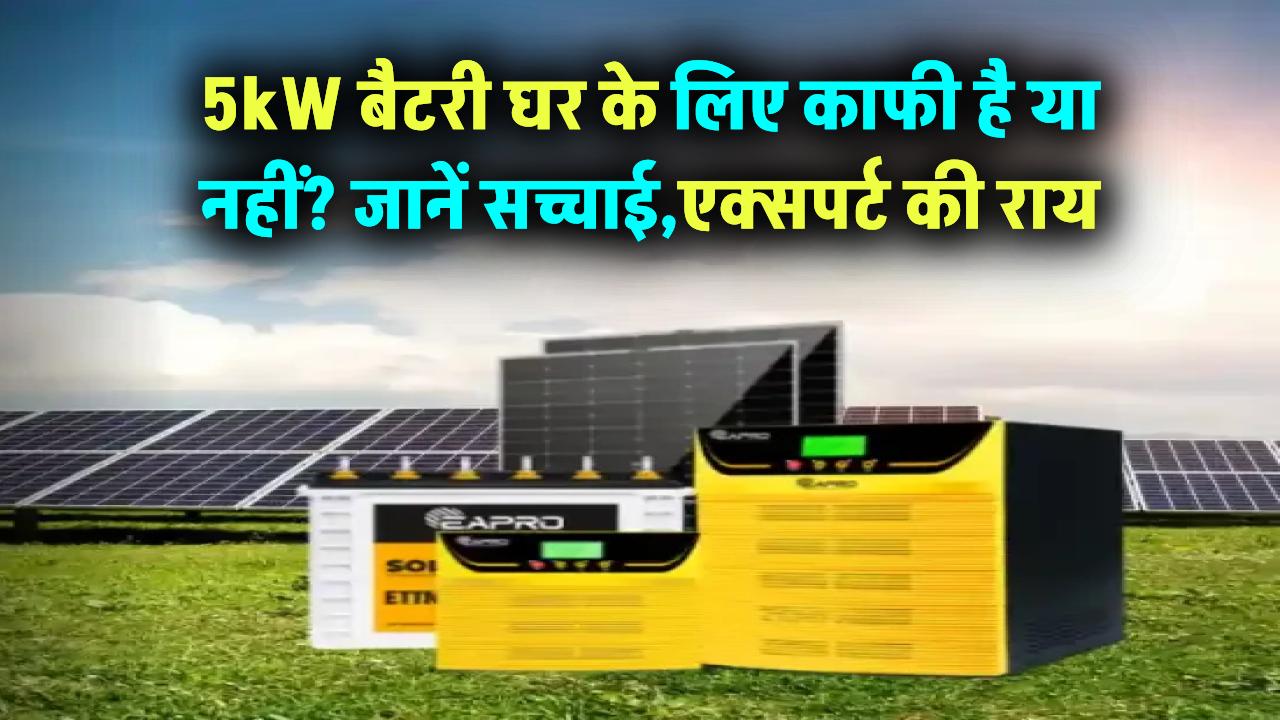
Home batteries allow homeowners to store excess energy and use it when solar production is low, such as during cloudy weather or at night. With the transition away from net metering, investing in battery storage will become more important for homeowners who want to maintain the value of their solar systems.
Battery storage solutions also help reduce grid dependency, further enhancing energy security and reducing reliance on imported electricity.
3. Plan for the Transition
Homeowners should be proactive about understanding the changes to net metering and how these changes will affect their long-term savings. This includes:
- Installing solar panels before 2027: For those who have been considering installing solar panels, 2026 is the last year to benefit from the full net metering system.
- Evaluating the financial return: Homeowners should calculate their return on investment (ROI) for their solar systems, taking into account the anticipated drop in compensation rates for energy exports after 2027.
Global Context: What’s Happening Around the World?
The phase-out of net metering in the Netherlands is part of a global trend where many countries are rethinking their renewable energy compensation schemes as solar adoption grows. Nations like the U.S., Germany, and Australia have made similar shifts, adjusting their compensation models to ensure grid stability and fairness.
While self-consumption is becoming the key to maximizing solar benefits worldwide, advancements in solar energy storage are also playing a critical role in supporting this transition.
Related Links
Your Garden Will Thank You! 16 Genius Ways to Harness Solar Power Outdoors
Living in the Heat? These Are the Best Solar Power Systems for African Summers!
The Role of the Dutch Government and the EU in Solar Adoption
Despite the phase-out of net metering, the Dutch government and European Union (EU) continue to support solar energy adoption through various programs. The EU Green Deal aims to make the bloc’s energy systems more sustainable, and many countries, including the Netherlands, offer grants, tax incentives, and subsidies to support green energy initiatives.
For Dutch homeowners, programs like Green Loans and various regional energy subsidies will continue to provide support for those adopting renewable energy technologies, even after net metering ends.
The Future of Solar Energy in the Netherlands
While the salderingsregeling may be ending, the future of solar energy in the Netherlands remains bright. With the rise of smart grid technology, community solar projects, and improvements in solar panel efficiency, there are numerous opportunities for homeowners to continue benefiting from solar energy.
By adapting to the new policy landscape, investing in battery storage, and focusing on self-consumption, Dutch homeowners can continue to enjoy clean, affordable energy for years to come.