Solar energy is touted as a cornerstone of the fight against climate change. With solar installations increasing globally, the world is closer than ever to achieving carbon neutrality. However, an often-overlooked problem is emerging: what happens when solar panels reach the end of their life?
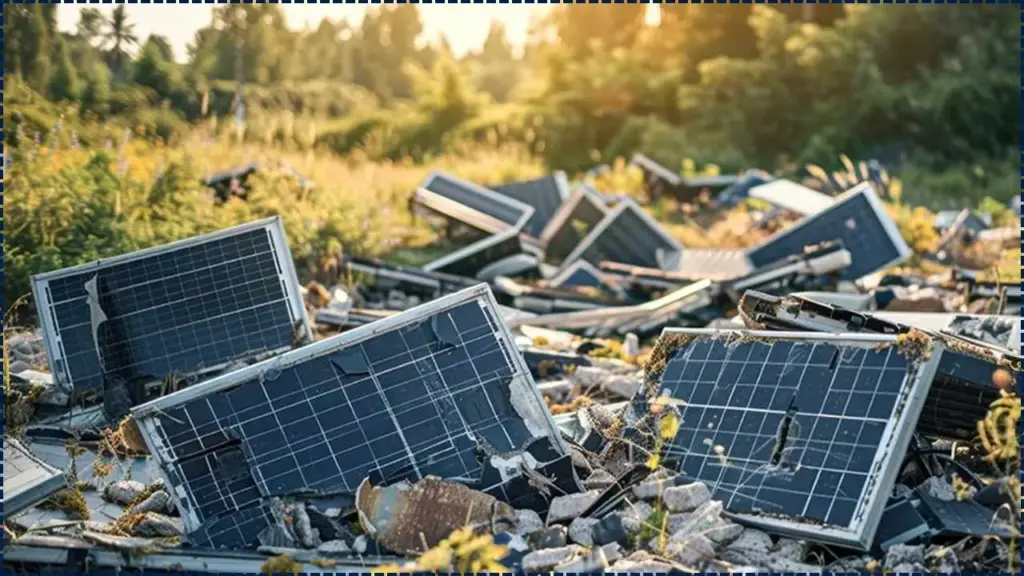
As the first generation of solar panels installed in the early 2000s begins to degrade, the world faces an escalating solar waste crisis. By 2026, experts predict a massive wave of solar panel retirements, with millions of panels reaching the end of their lifespan. Without a robust recycling infrastructure, solar panel waste will pose significant environmental and logistical challenges.
The recycling industry, however, remains ill-equipped to handle the scale of the issue, which is compounded by the complex materials that make up solar panels. In this article, we will explore the growing challenge of solar panel waste and the race to develop viable solutions.
The Growing Problem of Solar Panel Waste
Global Solar Growth and Waste Projections
The global solar market has exploded in recent years. According to the International Energy Agency (IEA), total global installed solar capacity is projected to exceed 2,000 GW by 2026, with solar energy leading the renewable revolution.
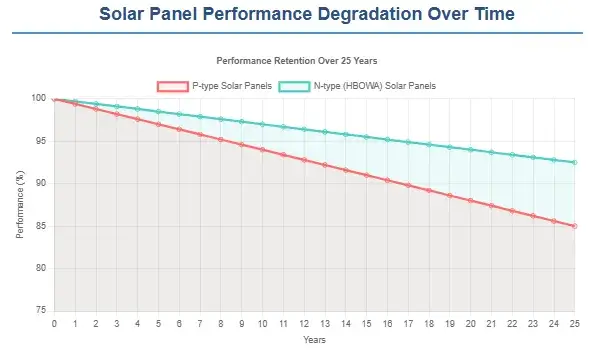
As the industry grows, so does the issue of end-of-life panels. Panels typically last around 25 to 30 years, which means the first large wave of solar waste will hit the world by 2026. Experts warn that, without intervention, by 2035, solar waste could exceed 1 million tonnes annually, and by 2050, the amount of waste could surpass 10 million tonnes per year.
Currently, fewer than 10% of panels are recycled globally, with the vast majority either landfilled, incinerated, or stockpiled in storage. While glass and aluminium can be relatively easily recovered, silicon, precious metals, and toxic substances pose a significant challenge.
Where Do Dead Solar Panels Go?
Landfills and Storage Yards
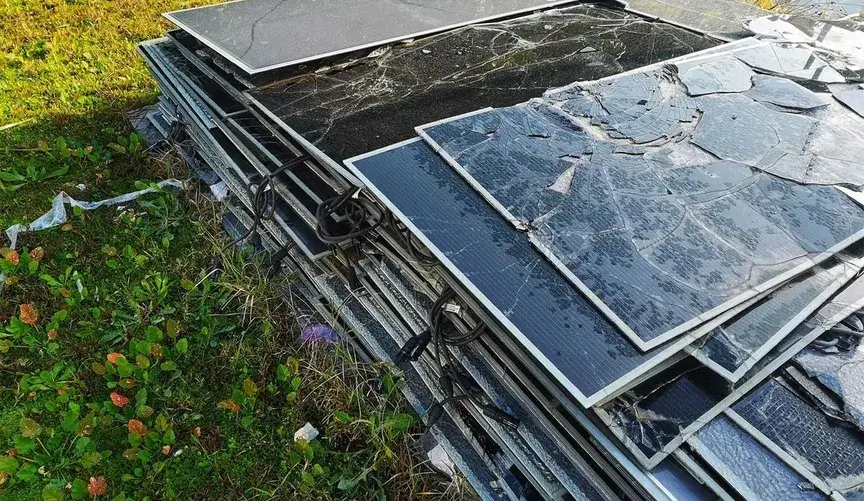
The most common destination for old or discarded panels is the landfill. In the United States, around 90% of decommissioned panels end up in landfills, despite the fact that most panels are made of valuable recyclable materials.
In some countries, solar panels are often stockpiled for potential future recycling or are simply discarded when no recycling option is available. (U.S. Environmental Protection Agency (EPA)) The problem is particularly severe in developing countries where infrastructure for waste management and recycling is still in early stages.
Panels discarded in landfills can pose a long-term environmental risk because they contain toxic materials, including cadmium, lead, and other heavy metals. These materials can leach into the soil and contaminate water sources if not managed correctly.
Recycling Facilities and Limitations
In some regions, e-waste recycling facilities handle end-of-life solar panels, but the process is far from efficient. The materials in traditional silicon-based panels — such as silicon, silver, and copper — are challenging to extract, requiring complex chemical processes that are often not economically viable.
Germany leads the way in solar panel recycling and has implemented strong regulatory frameworks requiring manufacturers to recycle panels at the end of their life. However, even in Germany, the capacity for recycling is not sufficient to meet the growing demand for processed panels.
Many regions still lack the technology needed to separate materials effectively, hindering large-scale recycling.
Export and Informal Processing
In some cases, discarded panels are exported to developing countries under the guise of secondhand goods, often for reuse or resale. However, many of these panels are of poor quality or have limited lifespan left. The export of solar panel waste raises concerns about e-waste dumping in countries with limited regulations.
In regions such as Africa and Southeast Asia, improperly disposed panels can pose severe environmental and health risks due to the toxic chemicals within the panels.
Challenges to Solar Panel Recycling
Material Complexity and Toxicity
Solar panels are made up of multiple layers of materials that are chemically bonded, making disassembly difficult. A typical PV panel consists of glass, aluminium, silicon, plastics, and metals, some of which are valuable, like silver and copper, but also contains toxic substances like cadmium and lead.
ACME Solar और NHPC के बीच बड़ा समझौता, आंध्र प्रदेश में 275 MW बैटरी स्टोरेज प्रोजेक्ट का ऐलान
These substances make the recycling process complex and expensive, and unregulated disposal can have lasting environmental impacts. Additionally, toxic materials that are not properly separated or neutralized could pollute the environment, leading to significant harm to local ecosystems.
Economic Disincentives and Infrastructure Gaps
Currently, the economic viability of recycling is limited. Solar panel recycling costs often outweigh the economic value of the materials recovered, leading many companies to avoid recycling altogether.
While glass and aluminium can be recovered easily, precious metals like silver and silicon require expensive methods to extract. This limits the incentive for businesses to engage in large-scale recycling.
Furthermore, the lack of infrastructure to handle the increasing waste stream creates a barrier to solving the issue. Most countries do not yet have the proper collection systems or recycling plants to process solar panels effectively, creating significant logistical and financial hurdles.
Innovations and Solutions: The Race Against Time
Advanced Recycling Technologies
To address these challenges, new recycling technologies are emerging. Researchers have developed robotics-assisted disassembly methods that make it easier to separate materials for recycling.
These processes use automation to carefully remove the glass, aluminium, and silicon from panels. This technology could significantly improve recovery rates and reduce the cost of recycling.
Other technologies, such as chemical recycling, aim to extract high-purity silicon from panels to be reused in the manufacture of new solar cells, while thermal processing is being explored as a way to recover the metals and glass more efficiently.
Policy and Regulatory Frameworks
Countries are beginning to address the solar waste issue through policy changes and regulations. In Europe, solar panels are classified under the Waste Electrical and Electronic Equipment (WEEE) Directive, which requires manufacturers to assume responsibility for recycling their products.
This has spurred efforts to develop more sustainable and efficient recycling technologies. In addition, Extended Producer Responsibility (EPR) policies are being considered in several countries, forcing solar manufacturers to take responsibility for the recycling of their products once they are decommissioned.
This approach would incentivize manufacturers to design more recyclable panels and improve waste management efforts globally.
Economic and Environmental Benefits of Solar Recycling
Economic Value of Recycled Materials
The potential economic benefits of recycling solar panels are significant. Solar panels contain valuable materials such as silver, copper, silicon, and aluminium. The recycling process could provide substantial cost savings by reducing the need for raw material extraction and helping stabilize the supply of key materials.
Generate Power Even at Night! Why This 'Solar with Fans' Hybrid is a Game Changer for Homes.
By reclaiming these materials, the solar industry can ensure a more sustainable supply chain, reducing dependence on mining and lowering the carbon footprint of solar panel production.
Studies suggest that properly managed solar panel recycling could result in billions of dollars in material recovery by 2047, contributing significantly to the circular economy.
Related Links
The 2030 Solar Vision: 5 Radical Changes That Will Transform India’s Energy Landscape
No Electricity? No Problem! This Tiny ‘Solar Dome’ Brings Brightness to Off-Grid Homes
A Crucial Moment for Solar Panel Recycling
The solar industry’s rapid growth presents both a remarkable opportunity and a significant challenge: the disposal of millions of solar panels. If effective recycling systems are not established, this could undermine the sustainability of solar power as a key player in combating climate change.
Governments, manufacturers, and industry leaders must act now to build the infrastructure and regulatory frameworks necessary to manage solar waste effectively.
With the right innovations and policies in place, solar panel recycling could become a cornerstone of the green economy, ensuring that solar energy remains both clean and sustainable for generations to come.
FAQs
1. Why is solar panel recycling important?
Recycling solar panels recovers valuable materials like glass, silicon, and metals, reducing the environmental impact of mining and minimizing waste. Proper recycling also prevents toxic materials from entering landfills.
2. How can solar panel recycling be improved?
By developing advanced recycling technologies, policy reforms, and incentivizing manufacturers, the industry can increase the efficiency of solar panel recycling and reduce costs.
3. What is the impact of solar waste on the environment?
Improper disposal of solar panels, particularly those with toxic materials, can cause soil and water contamination. Effective recycling helps mitigate these risks and recover valuable materials.