In Himachal Pradesh’s Mandi district, a farmer has demonstrated how renewable energy can supplement rural incomes.

Solar Success in Mandi: Farmer Chhajju Ram Earns ₹4 Lakh Annually via Clean Energy Transition highlights how installing solar panels on agricultural land and selling electricity to the grid has provided a steady annual income while contributing to India’s expanding renewable energy capacity.
Solar Success in Mandi
| Key Fact | Details |
|---|---|
| Annual income | Around ₹4 lakh from solar power generation |
| Location | Mandi district, Himachal Pradesh |
| Policy support | Solar programmes under MNRE including PM-KUSUM |
| Wider impact | Solar farming diversifies rural income sources |
Agriculture in Mandi: Economic Pressures on Farmers
Mandi district in Himachal Pradesh is known for its mixed agriculture, including crops such as maize, wheat, vegetables, and horticultural produce. However, like many farming regions across India, farmers in the area face several challenges:
- Rising input costs for seeds, fertilisers, and irrigation
- Unpredictable rainfall patterns linked to climate change
- Fluctuating market prices for agricultural produce
- Limited landholdings for small farmers
Agricultural economists note that many farmers rely on supplementary income sources such as livestock, seasonal labour, or small businesses to stabilise household earnings. Against this backdrop, renewable energy has emerged as a potential alternative revenue stream.
How Chhajju Ram’s Solar Installation Works
Farmer Chhajju Ram installed a solar photovoltaic system on part of his agricultural land in Mandi district. The panels capture sunlight and convert it into electricity using photovoltaic cells.
The system generates electricity throughout the day. Part of the power is used locally, while surplus electricity is supplied to the electricity grid. Through this arrangement, the farmer receives payments from the local electricity distribution company based on the power supplied.
According to project reports, the installation generates sufficient electricity to earn approximately ₹4 lakh annually, providing a stable income that complements traditional farming. Energy experts say such distributed solar installations are increasingly being adopted across rural India.
“Small-scale solar projects allow farmers to monetise unused land while supporting renewable energy generation,” said a renewable energy policy researcher involved in rural energy studies.
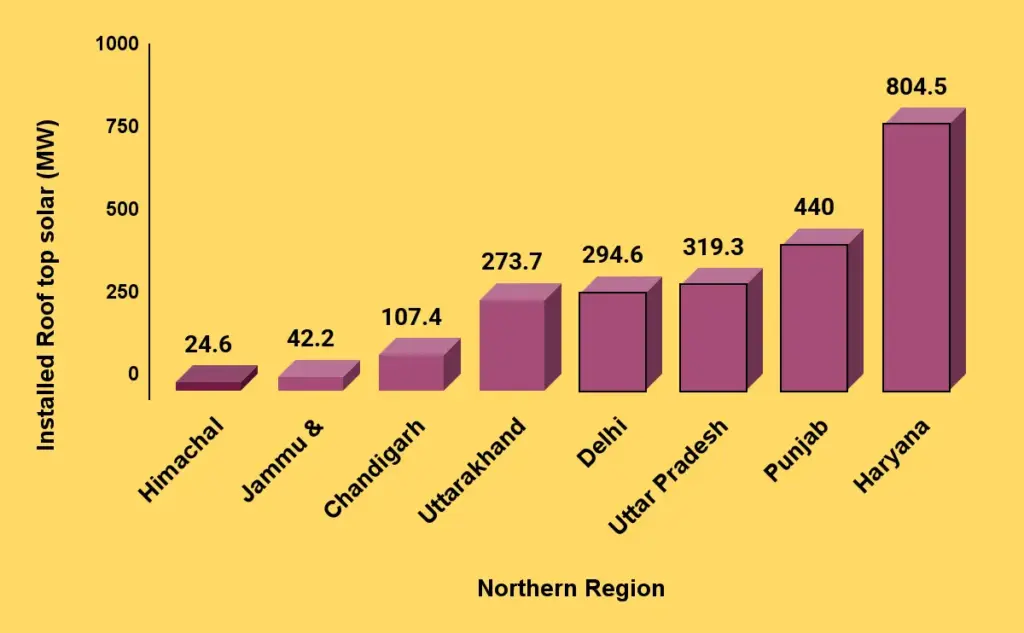
Government Schemes Encouraging Solar Farming
India’s renewable energy policy framework has played a key role in enabling farmer-led solar projects.
One of the central programmes is the Pradhan Mantri Kisan Urja Suraksha evam Utthaan Mahabhiyan (PM-KUSUM) scheme launched by the Ministry of New and Renewable Energy (MNRE). The scheme includes three main components:
Component A: Grid-Connected Solar Plants
Farmers, cooperatives, and rural organisations can install solar power plants on agricultural land and sell electricity to distribution companies.
Component B: Solar Pumps
Farmers receive financial assistance to install standalone solar irrigation pumps, replacing diesel-powered systems.
Component C: Solarisation of Existing Pumps
Existing grid-connected agricultural pumps are converted to solar power systems, allowing farmers to sell excess electricity. According to MNRE guidelines, the programme aims to install thousands of megawatts of solar capacity while increasing farmers’ incomes.
Himachal Pradesh’s Renewable Energy Strategy
Himachal Pradesh has long been known for hydropower generation due to its mountainous rivers. However, the state government has increasingly encouraged solar energy development.
Agencies such as the Himachal Pradesh Energy Development Agency (HIMURJA) promote rooftop solar installations, solar water heating systems, and rural solar projects. Officials say distributed solar generation is particularly useful in mountainous regions where extending conventional grid infrastructure may be difficult.
“Decentralised renewable energy systems can improve energy security in remote areas,” said a state energy official familiar with solar initiatives. Solar installations on agricultural land also help diversify income sources for farmers in hill regions.
Solar Farming and Agrivoltaics
An emerging concept related to solar farming is agrivoltaics, which integrates agricultural production with solar energy generation. In agrivoltaic systems, solar panels are installed at elevated heights, allowing crops to grow beneath them.
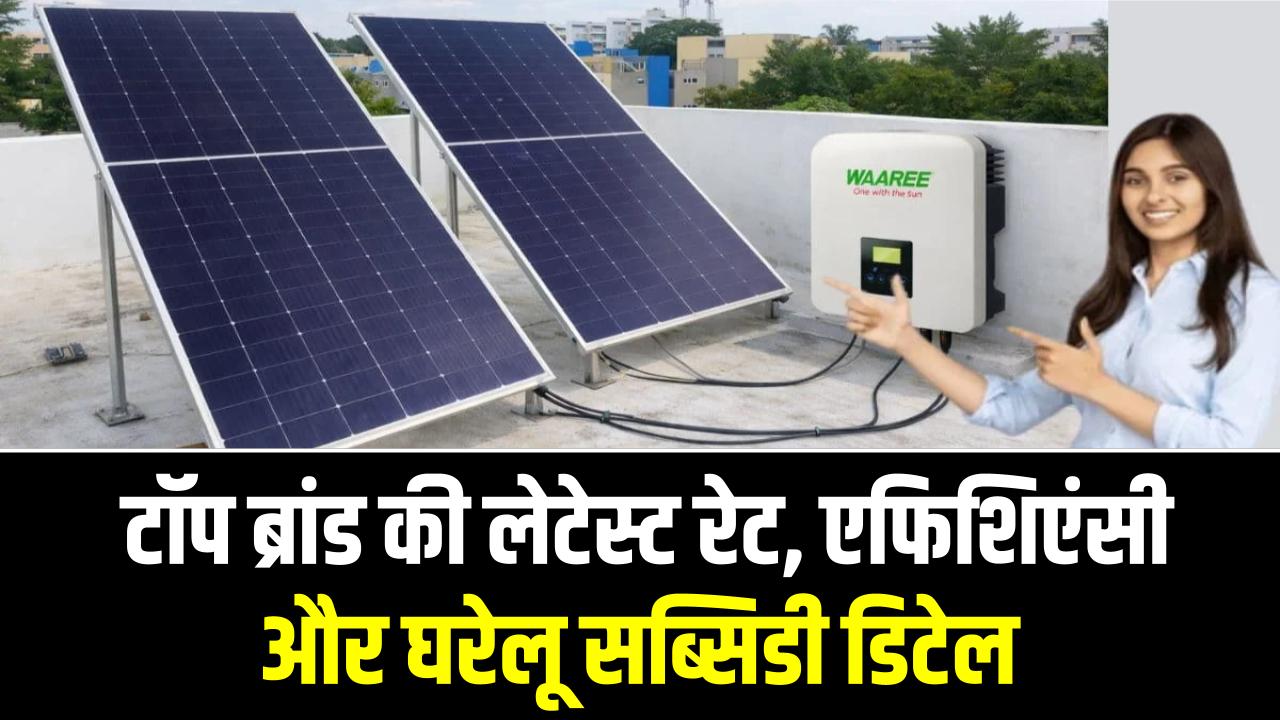
Waaree Solar Panel Price 2026: टॉप ब्रांड की लेटेस्ट रेट, एफिशिएंसी और घरेलू सब्सिडी डिटेल
Researchers studying these systems have identified several advantages:
- Reduced soil moisture loss due to shading
- Protection of crops from extreme heat
- Improved land use efficiency
- Simultaneous food and energy production
International studies suggest agrivoltaics may increase total productivity per unit of land when implemented effectively. Although still limited in India, pilot agrivoltaic projects are being explored in several states.
Economic Impact on Rural Households
For farmers like Chhajju Ram, solar power generation provides financial stability. Traditional agricultural income can fluctuate significantly depending on weather conditions and market prices.
Solar energy, in contrast, offers relatively predictable income based on electricity generation. Rural development specialists say such diversification is important for improving the resilience of farming households.
“Farmers benefit when they have multiple income streams rather than relying solely on crop sales,” said an agricultural economist studying renewable energy adoption.
Solar income can also support investments in irrigation systems, farm equipment, or education for family members.
Environmental Benefits of Solar Agriculture
Solar power generates electricity without emitting greenhouse gases during operation. Replacing diesel irrigation pumps with solar systems can also reduce fuel consumption and air pollution in rural areas.
Environmental analysts say distributed solar generation contributes to India’s broader climate strategy by reducing reliance on fossil fuels. The government has set ambitious targets for expanding renewable energy capacity, with solar power expected to play a central role.
Rural solar installations, though smaller than utility-scale solar parks, collectively add significant capacity.
Grid Integration and Electricity Tariffs
For solar projects to generate income, they must be connected to the electricity grid. Under government policies, distribution companies purchase electricity generated by solar installations at predetermined tariffs.
These tariffs, sometimes referred to as feed-in tariffs, ensure that producers receive payment for the electricity supplied.
Energy policy experts note that stable tariff policies are essential for encouraging investment in distributed solar projects. Without clear pricing structures, farmers may be reluctant to invest in solar installations.
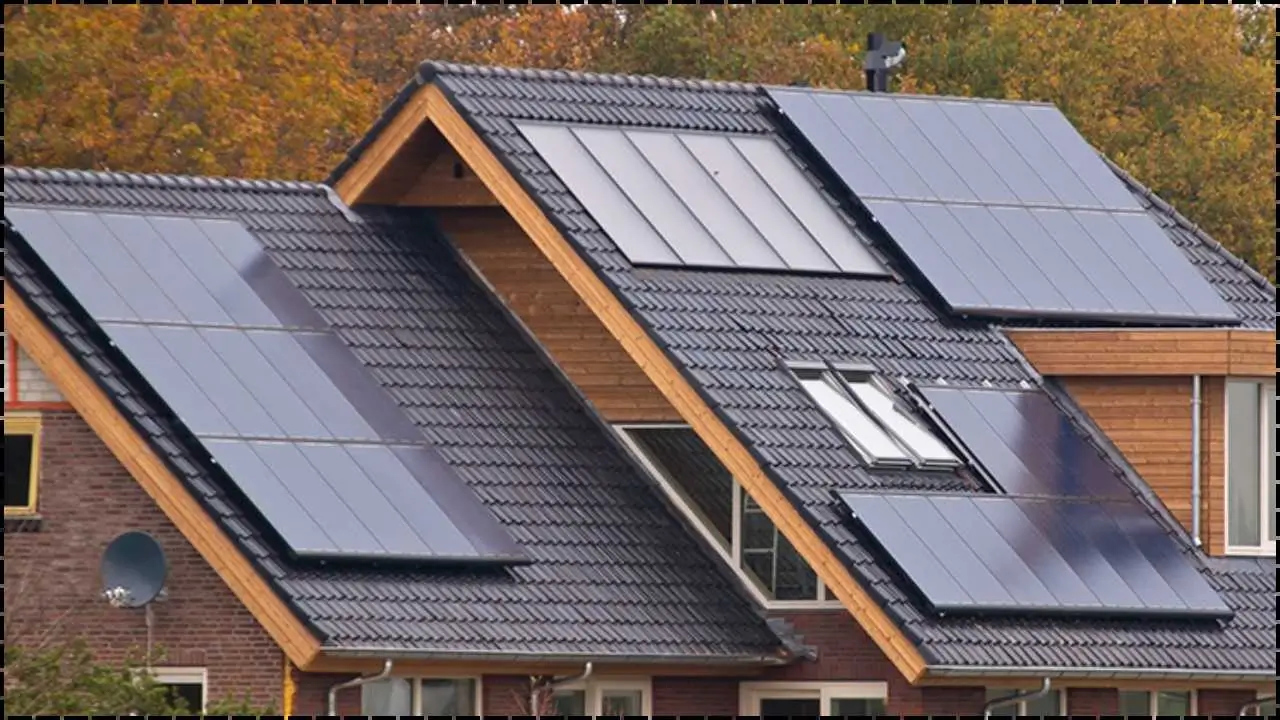
The Death of Solar Ownership? Why US Homeowners are Swapping Purchases for Solar Leases in 2026
Challenges in Scaling Solar Farming
Despite the benefits, several obstacles remain in expanding solar farming across India. The initial investment required for solar panels, inverters, and electrical equipment can be substantial.
Other barriers include:
- Limited awareness among farmers about solar programmes
- Administrative procedures for project approvals
- Financing constraints for small landholders
- Technical maintenance requirements
Experts say stronger training programmes, financial support, and simplified regulations could help accelerate adoption. Banks and rural financial institutions are increasingly exploring loan products specifically designed for solar installations.
Solar Energy and India’s Climate Commitments
India has pledged to expand renewable energy capacity significantly as part of its international climate commitments. Solar energy is expected to form the largest share of future renewable generation because of India’s high solar radiation levels.
Both large solar parks and decentralised installations are part of the national strategy. Distributed solar systems installed by farmers contribute to:
- Reduced transmission losses
- Localised electricity generation
- Greater energy security in rural areas
Energy experts say farmer-led solar generation can complement large infrastructure projects.
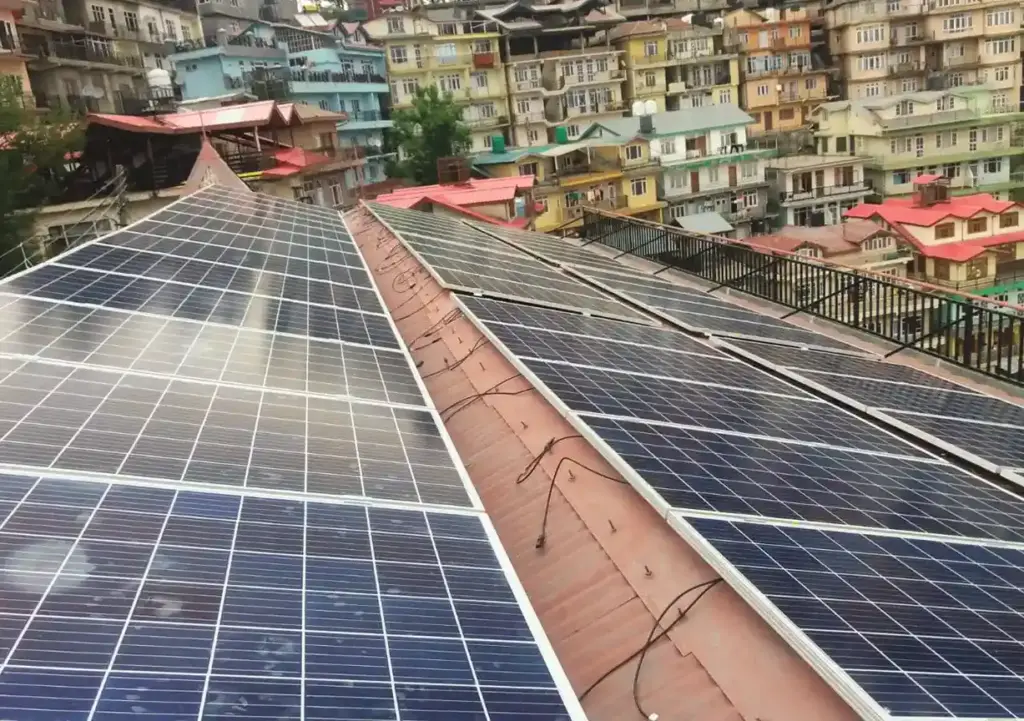
Related Links
Solar Stock Surge: Analyzing the Performance of Emmvee, ACME, and Solex Energy
West Asia Tensions and Solar Energy: Is India’s Energy Paradigm Shifting?
A Model for Rural Innovation
The story behind Solar Success in Mandi: Farmer Chhajju Ram Earns ₹4 Lakh Annually via Clean Energy Transition illustrates how renewable energy can reshape rural economic opportunities.
By installing solar panels on agricultural land and selling electricity to the grid, farmers can diversify income while contributing to clean energy production. Policy researchers say that if scaled across rural India, such projects could significantly expand renewable energy capacity while improving financial stability for farming communities.
The experience of farmer Chhajju Ram highlights the intersection of agriculture and renewable energy in India’s evolving rural economy. As solar programmes expand and technology costs decline, similar initiatives may become more common across the country.
For farmers facing uncertain agricultural markets, solar power offers an opportunity to generate stable income while supporting India’s transition toward sustainable energy.