The The Death of Solar Ownership—a growing shift away from solar ownership toward leasing—is reshaping the U.S. residential energy market in 2026.
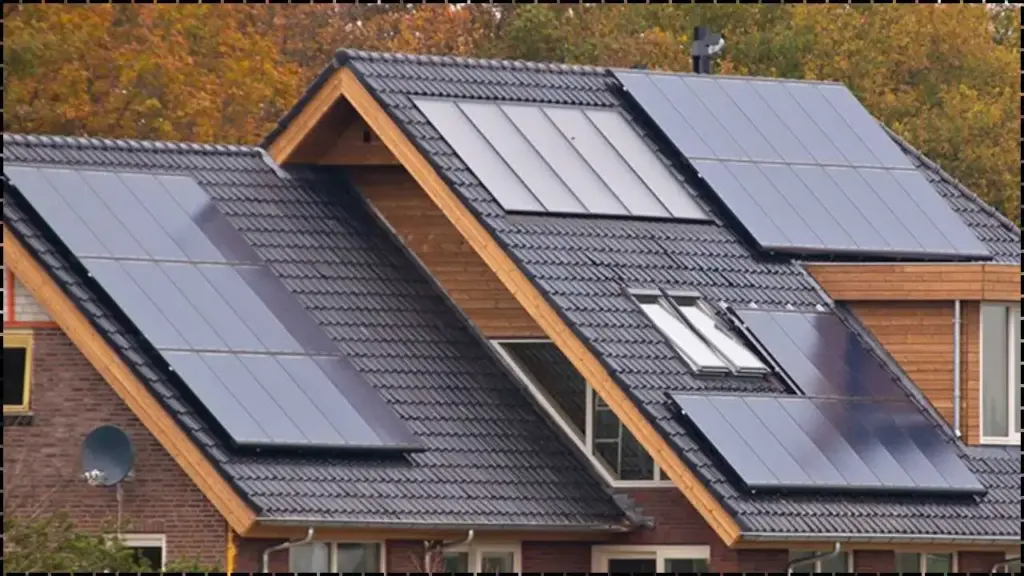
Following the expiration of a federal tax credit that once covered 30% of installation costs, homeowners are increasingly opting for leasing arrangements to avoid high upfront expenses, signaling a structural transformation in how Americans adopt rooftop solar.
The Death of Solar Ownership
| Key Fact | Detail |
|---|---|
| Market Shift | Ownership → leasing |
| Main Driver | End of federal tax credit |
| Cost Impact | Upfront costs up ~30% |
| New Trend | Rise of third-party ownership |
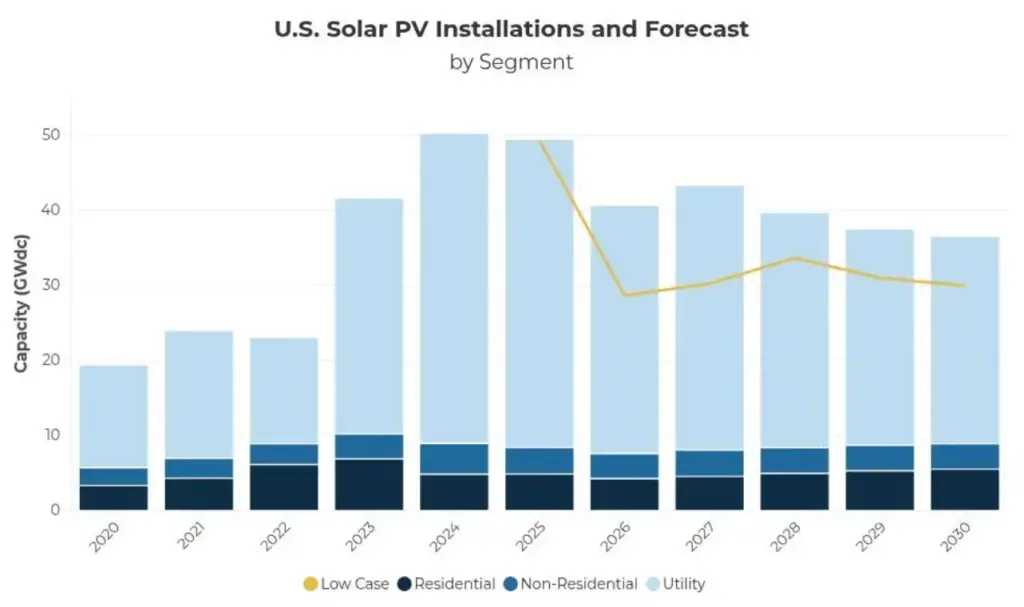
The rise of solar leasing in 2026 reflects a deeper transformation in the U.S. energy economy. While ownership is not disappearing, it is no longer the default choice for many households.
As policy, technology, and market forces evolve, the balance between ownership and leasing will continue to shift—reshaping how Americans access and pay for clean energy in the years ahead.
The Death of Solar Ownership: A Fundamental Change in Solar Economics
The The Death of Solar Ownership highlights a major transition in the economics of residential solar. For years, ownership was the dominant model because federal incentives significantly reduced upfront costs.
That dynamic has now shifted.The expiration of the Residential Clean Energy Credit at the end of 2025 removed a key financial advantage, increasing effective system costs by as much as 30%.
“Without the tax credit, the economics of ownership become less compelling for many households,” said a senior energy analyst at a U.S. policy institute.
The Financial Reality Driving the Shift
Rising Upfront Costs
Typical residential systems cost between $15,000 and $30,000. Previously, federal incentives reduced this burden significantly. Now, homeowners must either:
- Pay the full cost upfront.
- Take on loans with interest.
- Or choose alternative financing.
This change disproportionately affects middle-income households, which historically drove much of the rooftop solar expansion.
Utility Prices Are Still Rising
Electricity prices across many U.S. regions have continued to increase due to:
- Infrastructure upgrades.
- Fuel cost volatility.
- Climate-related grid stress.
This creates a paradox: solar remains valuable, but harder to afford upfront.
Leasing: The Subscription Model of Energy
Solar leasing is increasingly framed as a subscription-based energy service.
Key Features
- No large upfront payment.
- Fixed monthly charges.
- Maintenance included.
- Performance guarantees.
Under third-party ownership, companies install and manage systems while homeowners pay for usage or access.
Why Leasing Works in 2026
- Lower financial barrier to entry.
- Predictable costs in volatile energy markets.
- Transfer of maintenance responsibility.
This model aligns with broader consumer trends favoring subscription services over ownership.
Industry Strategy: Following Capital and Incentives
Solar companies are not just reacting—they are actively reshaping the market.
Wall Street’s Role
Leasing models attract institutional investors because they provide:
- Stable, long-term cash flows.
- Predictable returns.
- Tax credit monetization.
Investment firms bundle solar leases into financial assets, similar to mortgages or auto loans.
Corporate Incentive Advantage
While homeowners lost access to federal credits, corporations still benefit through commercial incentives. This creates a structural advantage for leasing companies.
Real-World Example: Ownership vs Leasing
Case Study: California Homeowner
Ownership (2025):
- System cost: $24,000
- Tax credit: -$7,200
- Net cost: $16,800
Leasing (2026):
- $0 upfront
- Monthly payment: ~$120
- Lower lifetime savings
The decision increasingly depends on cash flow rather than long-term return.
Risks Hidden in Solar Lease Contracts
While leasing offers convenience, experts highlight potential risks.
Common Concerns
- Escalator clauses: Payments increase annually.
- Transfer complications: Selling a home can be harder.
- Limited savings ceiling: Less financial upside.
Consumer protection groups advise reviewing contracts carefully, especially long-term obligations.
Grid and Energy Transition Impacts
The shift toward leasing may also affect the broader energy system.
Positive Effects
- Expands access to solar.
- Maintains installation volume.
- Supports clean energy goals.
Negative Effects
- Reduced consumer ownership may limit engagement.
- Slower adoption in certain regions.
Energy economists say ownership often leads to higher energy awareness and efficiency behaviors.
International Perspective
The U.S. shift contrasts with other global markets.
Europe
Countries like Germany gradually reduced subsidies, allowing smoother transitions.
Asia
Nations such as China rely on manufacturing scale rather than consumer incentives.
India
Continues offering subsidies to expand residential solar adoption.
The U.S. approach is notable for its abrupt policy shift, which has created short-term market disruption.
What Experts Are Saying
Energy analysts and policymakers remain divided.
- Some argue leasing democratizes access to clean energy.
- Others warn it reduces long-term consumer benefits.
A report from a major research institution noted that “ownership historically delivered the greatest financial returns, but leasing improves accessibility.”
Future Policy Scenarios
Several possible developments could reshape the market again:
1. New Federal Incentives
Future administrations may reintroduce homeowner subsidies.
2. Expanded State Programs
States could increase rebates or introduce new incentives.
3. Technology Cost Declines
Cheaper batteries and panels may offset policy changes.
Related Links
This New Solar Cell Lasts 10 Times Longer – A Game-Changer for the Solar Industry!
Flexible Solar Cells Smash Efficiency Records – A New Era for Clean Energy!
What Homeowners Should Evaluate
Before choosing between ownership and leasing, experts recommend analyzing:
- Length of homeownership.
- Credit eligibility.
- Local electricity rates.
- Contract flexibility.
Financial modeling tools are increasingly used to compare lifetime costs.
FAQs
Is solar ownership disappearing?
No, but it is becoming less dominant due to economic changes.
Why is leasing growing so fast?
Lower upfront costs and continued access to indirect incentives.
Who benefits most from leasing?
Homeowners with limited savings or those seeking simplicity.
Is leasing better than owning?
It depends on financial goals—leasing favors accessibility, ownership favors long-term savings.