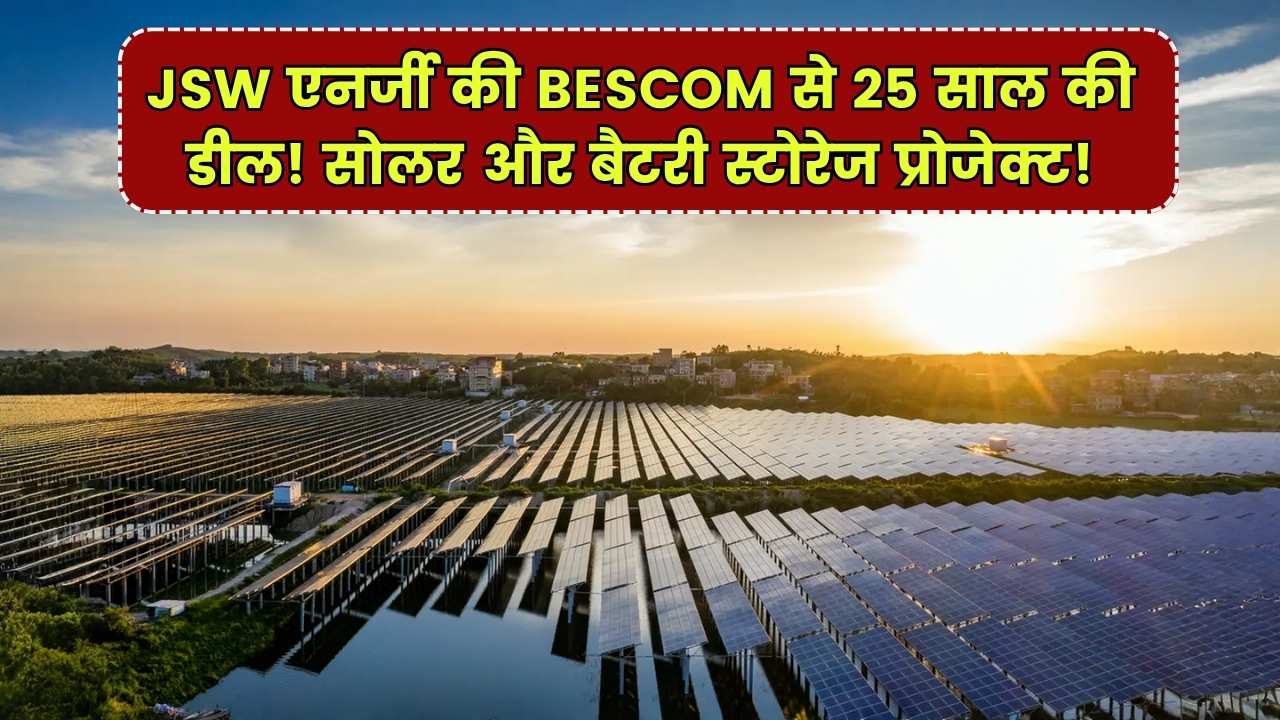
The commercial rollout of sodium-ion batteries in 2026 marks a pivotal moment in residential energy storage, as manufacturers begin mass production of systems designed for home solar integration.
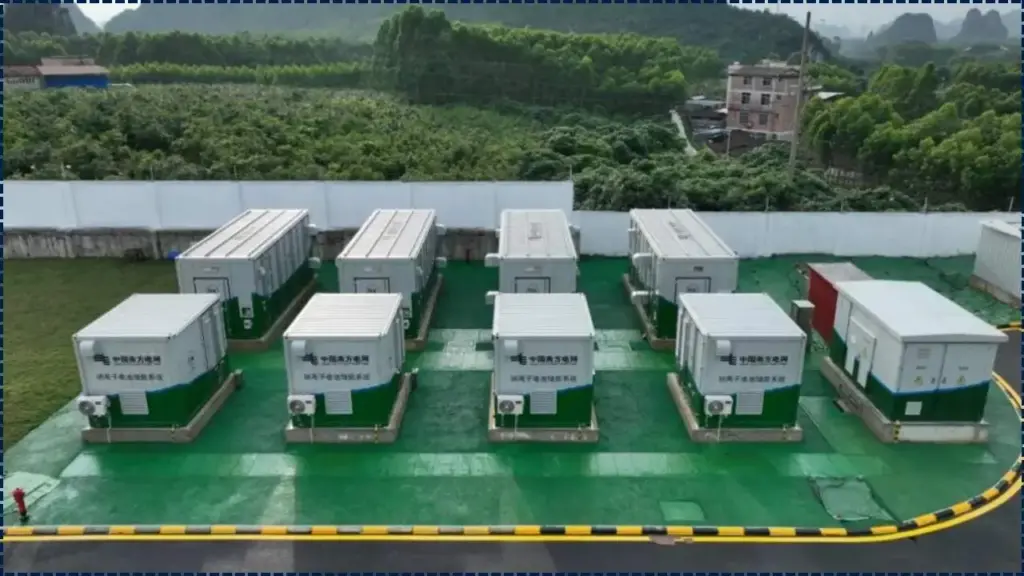
Offering lower material costs, improved safety, and reduced reliance on critical minerals, the technology is emerging as a viable alternative to lithium-ion batteries in stationary applications.
Sodium-Ion Batteries Enter Mass Production
| Key Fact | Detail |
|---|---|
| Market Entry | Sodium-ion batteries entering mass production in 2026 |
| Early Systems | Residential units launched in Europe |
| Cost Advantage | Lower raw material costs vs lithium-ion |
| Safety Benefit | Reduced fire risk due to stable chemistry |
| Key Limitation | Lower energy density than lithium-ion |
The emergence of sodium-ion batteries in 2026 represents a significant step in the evolution of energy storage. While lithium-ion remains dominant, sodium-ion is establishing itself as a practical alternative for residential and grid applications.
As production scales and technology improves, the balance between these chemistries will shape the future of global energy systems.
Sodium-Ion Batteries Enter Mass Production for Home Solar in 2026
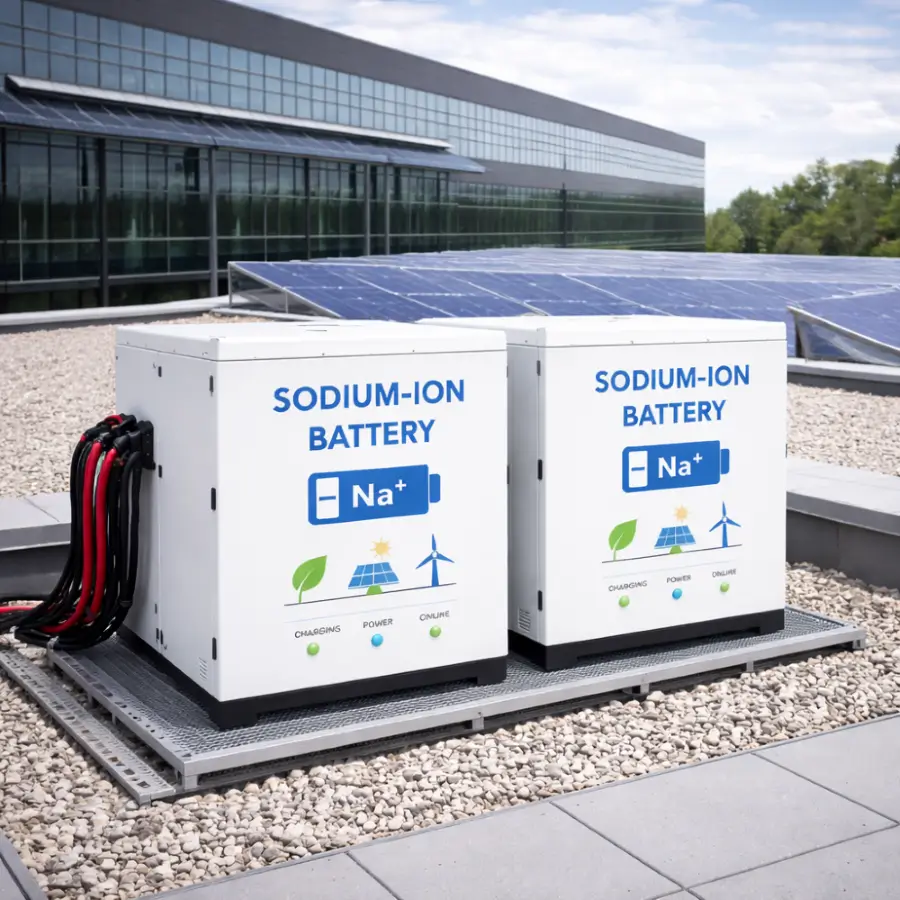
The Sodium-Ion Batteries Enter Mass Production—sodium-ion batteries—has moved into large-scale manufacturing, with early residential systems now being deployed alongside rooftop solar installations.
These systems allow homeowners to store excess solar power for later use, improving energy independence and reducing reliance on grid electricity. Early models offer modular designs, enabling capacity expansion based on household needs.
Industry observers say 2026 represents a turning point, where sodium-ion technology transitions from experimental to commercially viable.
Why the Energy Industry Is Looking Beyond Lithium
Lithium-ion batteries have dominated energy storage for decades, but structural challenges have driven interest in alternatives.
Resource Constraints and Geopolitics
Lithium production is concentrated in a limited number of countries, creating supply chain vulnerabilities. Sodium, by contrast, is abundant and widely distributed globally. This reduces dependence on geopolitically sensitive supply chains.
Price Volatility
Lithium prices have fluctuated significantly, affecting battery costs and project economics. Sodium’s abundance provides a more stable cost base.
Environmental and Ethical Concerns
Lithium extraction and cobalt mining have raised environmental and labor concerns. Sodium-ion batteries reduce or eliminate reliance on these materials.
How Sodium-Ion Batteries Work
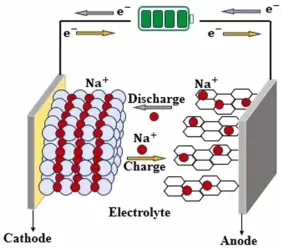
Sodium-ion batteries function similarly to lithium-ion systems, using ions to transfer charge between electrodes. However, sodium ions are larger, limiting energy density but improving thermal stability.
This makes sodium-ion batteries particularly suitable for stationary storage, where space constraints are less critical.
Performance Metrics: Cycle Life, Degradation, and Reliability
Beyond cost and safety, performance metrics are critical for adoption.
Cycle Life
Early sodium-ion batteries demonstrate cycle life comparable to lithium iron phosphate (LFP) batteries, with thousands of charge-discharge cycles.
Degradation Rates
Preliminary data suggests stable degradation rates, though long-term field data remains limited.
Efficiency
Round-trip efficiency is slightly lower than lithium-ion but remains within acceptable ranges for home storage systems. Experts say these metrics will determine long-term competitiveness.
Advantages for Residential Solar Users
Lower Cost Potential
Sodium-ion batteries could reduce upfront costs for solar-plus-storage systems, making them accessible to more households.
Enhanced Safety and Fire Risk Reduction
Thermal runaway risk is significantly lower compared to lithium-ion batteries. This is particularly important in residential environments.
Fire safety authorities in several countries are tightening regulations around battery installations, which may favor safer chemistries.

1 साल में 1000% रिटर्न देने वाली कंपनी अब दे रही है 17 बोनस शेयर! निवेशकों को बना दिया करोड़पति
Temperature Resilience
Sodium-ion batteries maintain performance in extreme temperatures, making them suitable for diverse climates.
Real-World Case Studies and Early Deployments
Early deployments in Europe have demonstrated the feasibility of sodium-ion systems in residential settings. Installers report that homeowners are particularly interested in:
- Lower upfront costs
- Improved safety
- Compatibility with existing solar systems
Pilot projects are also underway in grid-scale storage, where sodium-ion batteries are used to stabilize renewable energy supply.
Installer and Industry Perspective
Solar installers play a critical role in technology adoption. Industry feedback suggests cautious optimism: “Customers are asking about alternatives to lithium, especially after concerns about safety and price volatility,” said a European solar installer.
However, installers also emphasize the importance of reliability and warranty support, which remain more established for lithium-ion systems.
Insurance and Safety Regulation Implications
Insurance providers are increasingly factoring battery safety into coverage policies. Lithium-ion battery fires have led to stricter requirements for installation and certification.
Sodium-ion batteries, with their improved safety profile, could reduce insurance costs for homeowners and installers. Regulators may also update building codes to reflect differences in battery chemistry.
Cost Analysis: Levelized Cost of Storage (LCOS)
The long-term competitiveness of sodium-ion batteries will depend on their levelized cost of storage (LCOS). Key factors include:
- Initial system cost
- Cycle life
- Efficiency
- Maintenance
Analysts suggest sodium-ion could achieve competitive LCOS as production scales, particularly in stationary applications.
Supply Chain and Manufacturing Outlook
The global race to scale sodium-ion battery production is intensifying. China currently leads in manufacturing capacity, supported by strong government backing.
Europe and the United States are investing in domestic supply chains to reduce reliance on imports. India is also emerging as a key player, with growing investments in battery manufacturing and renewable energy infrastructure.
Environmental and Recycling Considerations
Sodium-ion batteries offer potential environmental benefits:
- Reduced reliance on scarce minerals
- Lower environmental impact from extraction
- Potentially simpler recycling processes
However, recycling systems for sodium-ion batteries are still under development. Lifecycle assessments will be critical to understanding their full environmental impact.
Grid Integration and Energy System Impact
The expansion of sodium-ion batteries could support renewable energy integration at both household and grid levels. For homeowners, battery storage enables greater energy independence.
बिहार के इस जिले में बन रहा देश का सबसे बड़ा सोलर प्लांट, जानें कब से शुरू होगा बिजली उत्पादन
For utilities, sodium-ion systems provide grid stability and support intermittent renewable generation. Energy planners view such technologies as essential for achieving decarbonization targets.
Future R&D and Technology Roadmap
Researchers are working to improve sodium-ion performance through:
- Advanced electrode materials
- Higher energy density designs
- Improved manufacturing techniques
Breakthroughs in these areas could expand the technology’s applications beyond stationary storage.
What This Means for Lithium’s Future
Lithium-ion batteries are unlikely to be replaced but will face increasing competition. The industry is moving toward a multi-chemistry ecosystem, where different battery types serve different applications.
Lithium-ion will remain dominant in electric vehicles, while sodium-ion gains traction in stationary storage.
Related Links
Tesla Powerwall 3 vs Enphase IQ: The Best Home Battery Storage for US Homeowners in 2026
The 33% Solar Slump: Why Financing Hurdles and Policy Shifts are Cooling US Home Solar Demand
Long-Term Outlook
Sodium-ion batteries are expected to capture a growing share of the home solar storage market over the next decade. Adoption will depend on:
- Cost reductions
- Proven reliability
- Consumer awareness
As technology matures, sodium-ion could become a standard option for residential energy systems.
FAQs
Are sodium-ion batteries replacing lithium-ion?
No, they are expected to complement lithium-ion in specific applications.
Why are they suitable for home solar?
They offer lower cost, improved safety, and strong performance in extreme conditions.
What is the biggest challenge?
Lower energy density and limited manufacturing scale.
What is the biggest challenge?
Lower energy density and limited manufacturing scale.