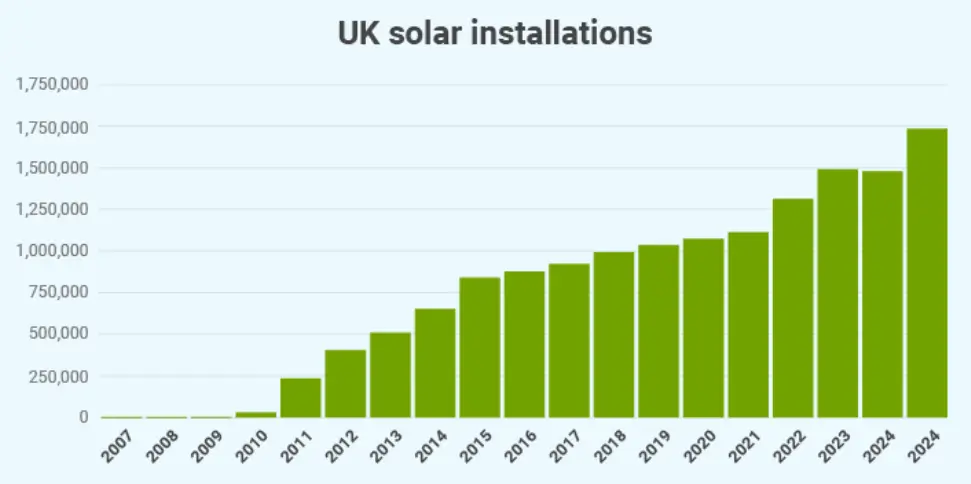
The Future Homes Standard 2026, the UK’s Future Homes Standard 2026, marks a fundamental shift in residential construction by effectively mandating solar panels on most new homes.
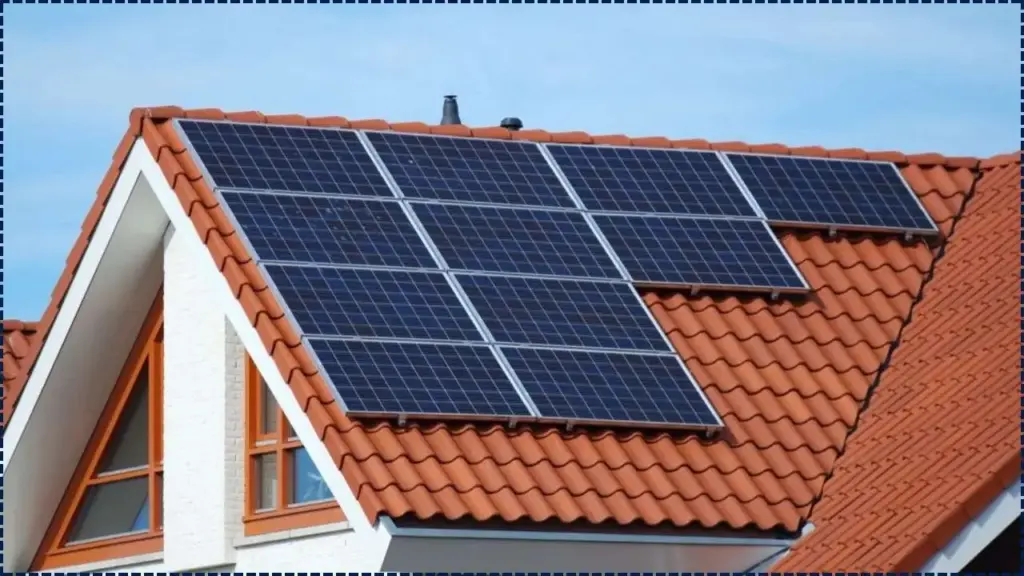
Introduced as part of the government’s net-zero strategy, the regulation aims to reduce emissions, lower energy bills, and transform how homes generate and consume electricity across England and Wales.
Future Homes Standard 2026
| Key Fact | Detail | Context |
|---|---|---|
| Solar Requirement | Installed on most new homes | UK building regulations |
| Emissions Reduction | ~75% vs 2013 homes | Net-zero target |
| Cost Increase | £3,000–£4,000 per home | Industry estimate |
| Energy Savings | £500–£1,000 annually | Government estimate |
The Future Homes Standard 2026, the Future Homes Standard 2026, represents a transformative shift in UK housing policy. By embedding solar panels into new homes, the regulation aims to reduce emissions, enhance energy security, and deliver long-term financial benefits.
As implementation progresses, the success of the policy will depend on balancing affordability, industry readiness, and infrastructure development.
Future Homes Standard 2026: What the Future Homes Standard Means
The Future Homes Standard 2026, Future Homes Standard 2026, introduces a new regulatory framework requiring all new homes to meet significantly higher energy efficiency standards.
According to UK Government, the policy ensures homes are “zero-carbon ready,” meaning they will not require future retrofitting to meet climate targets. Key requirements include:
- Solar panels on most properties.
- Low-carbon heating systems (such as heat pumps).
- Improved insulation and airtightness.
Why Solar Panels Are Now Mandatory
From Incentive to Requirement
Solar panels were previously optional, often treated as premium upgrades. The new standard integrates solar into core building requirements, making it a default feature rather than an add-on. Exemptions apply only in limited cases such as:
- Shaded or unsuitable roofs.
- Structural limitations.
- Heritage or planning restrictions.
Energy Security and Cost Stability
The UK’s energy price volatility has made household energy costs a major policy concern. Solar panels:
- Reduce reliance on grid electricity.
- Provide predictable energy costs.
- Protect households from price fluctuations.
Government estimates suggest savings of £500–£1,000 annually per household.
Climate and Emissions Targets
The policy supports the UK’s legally binding net-zero targets by reducing emissions from residential buildings, which are a major contributor to national carbon output.
Implementation Timeline
Key Milestones
- 2025–2026: Final regulations confirmed.
- 2026–2027: Transitional phase for developers.
- 2027–2028: Full enforcement across new builds.
Developers must incorporate these standards into project planning immediately.
Financial Impact: Buyers vs Builders
Cost Distribution
- Builders absorb initial installation costs
- Costs are typically passed on through higher house prices
Estimated increase: £3,000–£4,000 per property.
Buyer Perspective
Despite higher upfront cost:
- Energy savings offset cost within 4–7 years.
- Lower utility bills improve affordability over time.
Mortgage and Financing Implications
Improved Borrowing Capacity
Lower energy bills can:
- Increase disposable income
- Improve mortgage affordability calculations
Some lenders are already offering:
- “Green mortgages” with better terms
- Incentives for energy-efficient homes
Impact on Property Value and EPC Ratings
Energy Performance Certificates (EPC)
Solar-equipped homes are expected to achieve:
- Higher EPC ratings.
- Greater market attractiveness.
Property Value
Homes with solar may:
- Command higher resale prices.
- Sell faster in competitive markets.
Rental Market and Landlord Considerations
Tenant Benefits
- Lower energy bills
- More predictable living costs
Landlord Incentives
- Higher rental demand
- Potential regulatory compliance advantages
However, landlords face:

- Higher upfront costs
- Limited direct financial return compared to owner-occupiers
Design and Urban Planning Challenges
Roof Space Constraints
Urban developments face challenges such as:
- Limited roof area in high-density housing
- Shading from nearby buildings
Planning Adaptations
Architects must:
- Optimize roof orientation
- Integrate solar into building design
- Balance aesthetics with functionality
Grid and Infrastructure Impact
Distributed Energy Generation
Solar-equipped homes contribute to:
- Reduced grid demand
- Increased local energy generation
Infrastructure Requirements
Experts highlight the need for:
- Smart grids
- Energy storage systems
- Upgraded distribution networks
Integration with Future Technologies
Electric Vehicles (EVs)
New homes are expected to support:
- EV charging infrastructure
- Solar-powered vehicle charging
Smart Home Systems
Future homes may integrate:
- Battery storage
- Energy management systems
- Automated consumption optimization
International Context
The UK joins a growing number of countries implementing solar mandates:
- EU nations introducing similar policies.
- US states requiring solar on new builds.
This reflects a global shift toward integrating renewable energy into housing standards.
Industry Response
Builder Perspective
Developers acknowledge:
- Increased costs and complexity.
- Need for workforce training.
- Supply chain adjustments.
Consumer Perspective
Surveys show strong support for solar integration, with buyers increasingly expecting energy-efficient homes.
Risks and Criticism
Housing Affordability
Critics argue that increased construction costs may:
- Raise house prices.
- Affect affordability for first-time buyers.
Implementation Challenges
- Supply chain capacity.
- Skilled labor shortages.
- Regulatory delays.
Policy Flexibility
Exemptions could reduce the overall impact if widely applied.
Decision Framework for Buyers
Buyers should evaluate:

- Long-term energy savings.
- Upfront purchase price.
- Mortgage implications.
- Property value benefits.
Solar-equipped homes are likely to offer better financial performance over time.
Expert Perspectives
Energy analysts describe the policy as a “structural transformation” of the housing sector. One expert noted that integrating solar at construction stage is significantly more cost-effective than retrofitting existing homes.
Long-Term Market Impact
Solar as Standard Infrastructure
Solar panels are expected to become as common as:
- Double glazing.
- Central heating.
Housing Market Transformation
The policy may:
- Redefine property value metrics.
- Shift buyer expectations.
- Accelerate green housing development.
Related Links
The End of Gas Boilers? How New UK Building Regs are Mandating Solar & Heat Pumps
Tesla Powerwall 3 vs. Rivals: Which Battery Gets You the Max 2026 Rebate?
Future Outlook
The Future Homes Standard is expected to:
- Drive large-scale solar adoption
- Reduce national emissions
- Improve household energy resilience
Future developments may include:
- Mandatory battery storage.
- Expanded retrofitting policies.
- Integration with national smart grid systems.
FAQs
Are solar panels mandatory?
Yes, for most new homes unless exemptions apply.
Will house prices increase?
Slightly, but energy savings offset costs over time.
Do buyers benefit financially?
Yes, through lower energy bills and higher property value.
Will older homes be affected?
Not directly, but future retrofit policies may apply.