

The promise of eliminating electricity bills—the so-called $0 Bill Dream—has become a powerful driver behind residential solar adoption worldwide. A 10kW solar system, often combined with battery storage, is frequently marketed as capable of achieving this goal.
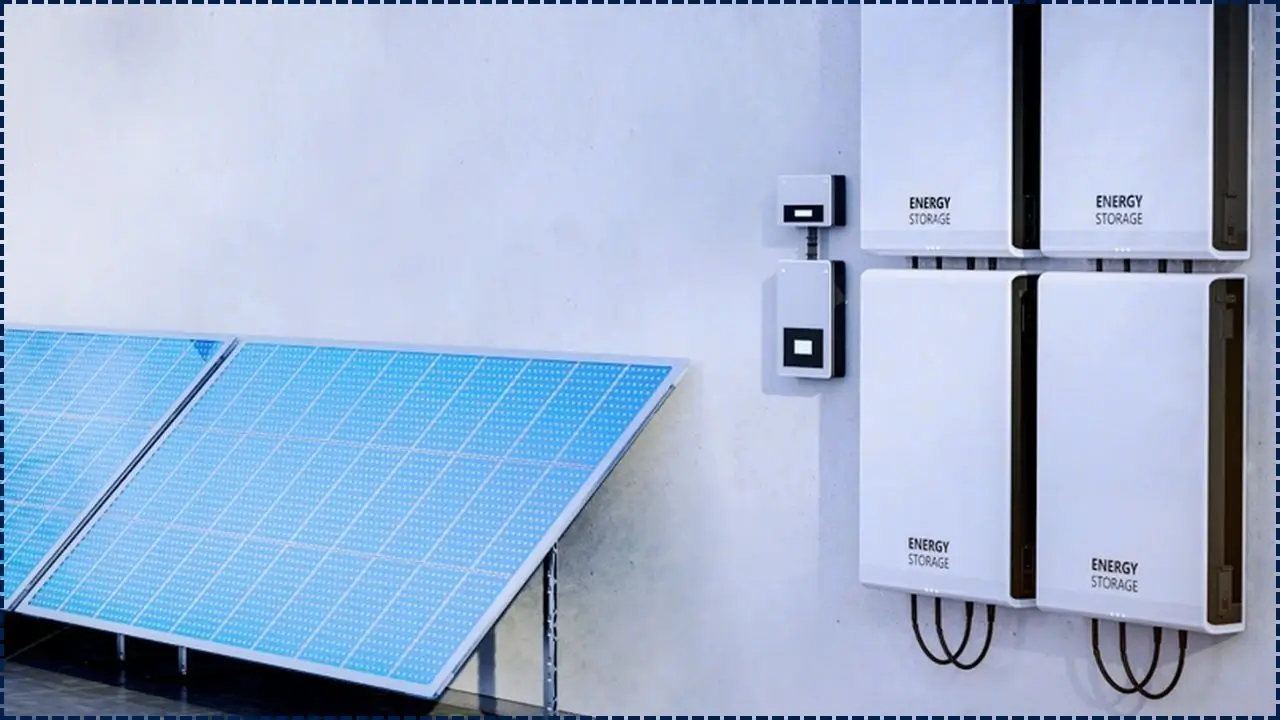
However, energy experts caution that while such systems can drastically cut costs, reaching a true zero bill depends on policy, consumption habits, and system configuration.
The $0 Bill Dream
| Key Fact | Detail/Statistic |
|---|---|
| Typical 10kW output | 1,000–1,200 kWh/month |
| On-grid system cost | ₹4.5–6.5 lakh |
| Hybrid system cost | ₹9–13 lakh+ |
| Payback period | 3–5 years (on-grid) |
| Battery lifespan | 8–12 years |
What a 10kW Solar System Can Deliver
A 10kW solar system is considered a high-capacity residential installation. It is designed for households with significant energy demand, including multiple air conditioning units, electric appliances, and high daily consumption.
Under favorable sunlight conditions, such a system can generate approximately 30–50 kWh per day. Over a month, this translates to roughly 1,000–1,200 units of electricity—sufficient to power a large household.
Energy researchers note that matching generation with consumption is the first step toward reducing electricity bills. However, generation alone does not guarantee a zero bill outcome.
Understanding the $0 Bill Dream
The Role of Net Metering
The concept of a zero electricity bill is closely linked to net metering policies. Under these systems, excess solar energy produced during the day is exported to the grid. In return, households receive credits that offset electricity drawn at night.
“Net metering effectively turns the grid into a virtual battery,” said an energy policy analyst. “Without it, solar economics change significantly.”
When the Dream Becomes Reality
A ₹0 bill is achievable when:
- Annual solar production equals or exceeds consumption.
- Export credits are valued at favorable rates.
- Utility fixed charges are minimal.
In such cases, households may only pay nominal connection or maintenance fees.
Why Batteries Complicate the Equation
Storage vs Financial Optimization
Battery systems store excess solar energy for later use, especially during nighttime or power outages. While this increases energy independence, it often reduces financial savings.
Instead of exporting surplus electricity for credits, stored energy is consumed internally. This reduces the ability to offset bills through net metering. “Batteries improve reliability, not necessarily returns,” said a distributed energy systems engineer.
Higher Costs and Maintenance
Battery integration significantly increases system costs. Hybrid systems can cost nearly double compared to on-grid setups. Additionally, batteries degrade over time and require replacement within a decade.
According to the International Energy Agency (IEA), battery prices are declining but still represent a major cost component in residential solar installations.
Financing and Government Subsidies
Subsidies in India and Global Markets
Governments worldwide offer incentives to promote solar adoption. In India, rooftop solar programs provide subsidies for residential systems, reducing upfront costs.
Financial institutions also offer solar loans and EMI-based payment models, making installations more accessible. “Subsidies can reduce system cost by up to 20–40% depending on region,” said a renewable energy consultant.
Return on Investment
- On-grid systems: 3–5 years payback.
- Hybrid systems: 6–10 years payback.
After payback, electricity generation effectively becomes free for the remaining lifespan of the system.
Environmental Impact of the $0 Bill Dream
Beyond financial savings, solar adoption has environmental benefits. A 10kW solar system can reduce carbon emissions by several tons annually, depending on the energy mix of the local grid.

According to the International Renewable Energy Agency (IRENA), widespread adoption of rooftop solar is essential to achieving global climate targets. “Residential solar plays a critical role in reducing dependence on fossil fuels,” IRENA noted in a recent report.
Real-World Case Study
Urban Household Example
A family living in a metropolitan area installs a 10kW on-grid solar system:
- Monthly consumption: 950 units.
- Solar generation: ~1,100 units.
- Net export: 150 units.
Outcome: Electricity bill reduced to near zero, with occasional minor charges.
Hybrid Scenario
The same household adds battery storage:
- Less export to grid.
- Increased self-consumption.
Outcome: Improved backup power but reduced financial efficiency.
Hidden Factors That Determine Success
Consumption Timing
Daytime usage aligns better with solar production. Night-heavy consumption reduces savings unless offset by net metering or batteries.
Roof Conditions
Orientation, tilt, and shading significantly affect output. Suboptimal installations can reduce efficiency by up to 30%.
Policy Variability
Net metering rules differ across regions. Some utilities impose export limits or lower compensation rates.
Utility Charges
Fixed charges and taxes may still apply, even with high solar generation.
Risks and Limitations
While solar systems offer strong benefits, there are risks:
- Policy changes affecting net metering rates.
- Equipment degradation over time.
- Weather variability impacting generation.
- Upfront investment barriers.
Experts emphasize the importance of realistic expectations. “The zero bill narrative is compelling but not universal,” said a policy researcher. “Consumers should evaluate long-term economics rather than short-term promises.”
Global Perspective
In countries like the United States, Australia, and Germany, solar adoption has surged due to strong policy support and declining costs.

Maruti Suzuki ने सोलर एनर्जी में किया बड़ा निवेश! 30MWp क्षमता बढ़ाकर बढ़ाया ग्रीन पावर का दायरा
However, changes in export tariffs and grid pricing have impacted savings in some regions, demonstrating the importance of stable regulatory frameworks.
The Future of Solar + Battery Systems
Technological advancements may reshape the economics of solar systems:
- Falling battery costs.
- Smart grid integration.
- AI-driven energy management.
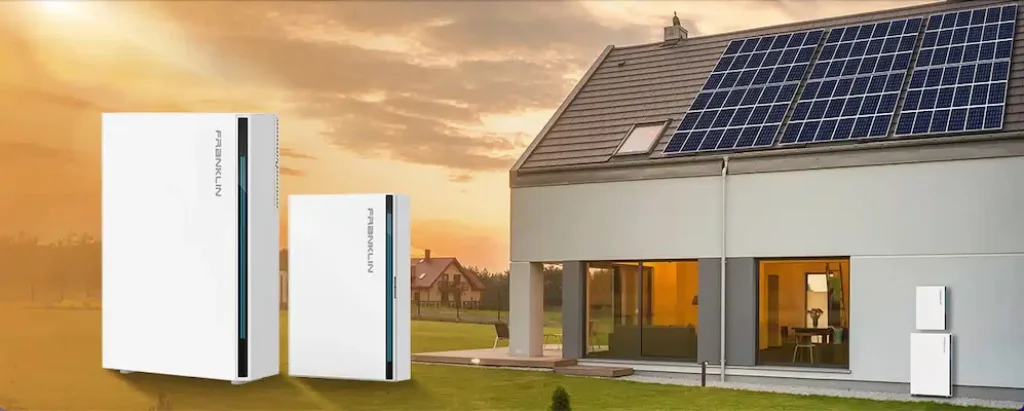
Researchers are also exploring solid-state batteries and decentralized energy systems. “Future systems will optimize both savings and resilience,” said an academic expert in renewable energy.
Related Links
Canada’s Best Solar Rebate? Why PEI’s $10,000 Incentive Still Leads in 2026
Plug-in Solar is Finally Legal: Understanding the New UK G98 & BS 7671 Rules
The $0 Bill Dream remains achievable under specific conditions, particularly with on-grid systems and supportive policies. However, batteries, consumption patterns, and regulatory factors can alter outcomes.
For most households, solar power offers not absolute elimination of bills, but long-term financial stability and energy independence.
FAQs
Can a 10kW solar system eliminate electricity bills completely?
Yes, but typically only with favorable net metering and balanced consumption.
Are batteries necessary for achieving zero bills?
No. Batteries provide backup power but often reduce financial returns.
How long do solar panels last?
Most systems last 20–25 years with minimal degradation.
Is solar still worth it without a zero bill?
Yes. Even partial savings can significantly reduce long-term energy expenses.