
In 2026, The Rise of Sodium-Ion: Will Cheaper Batteries Kill the Federal Rebate Program Early? is reshaping Australia’s energy policy debate.
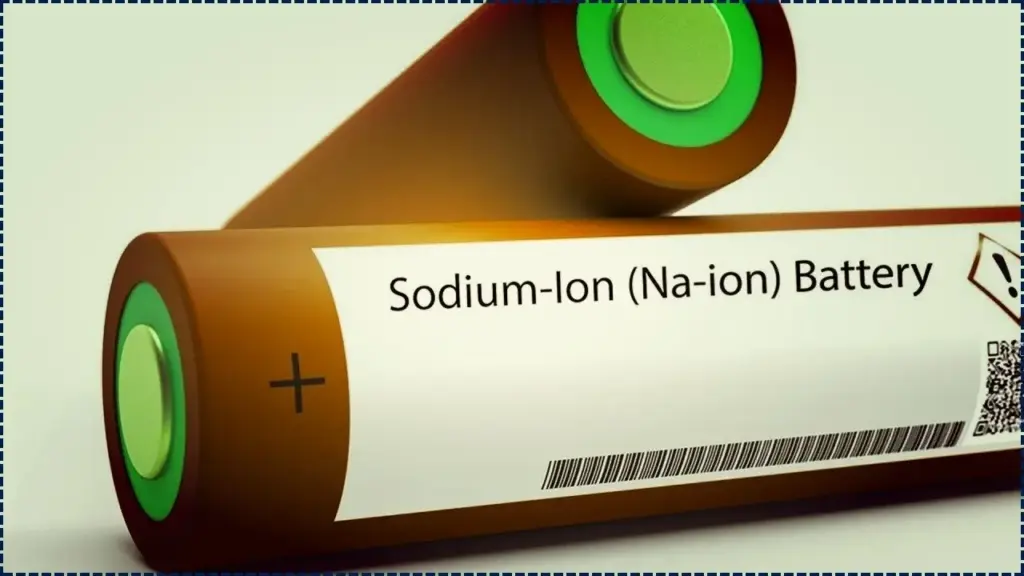
As sodium-ion batteries promise significantly lower costs and improved supply security, analysts warn that the federal rebate program—designed to accelerate adoption—may face early phase-out pressures as market forces begin to outpace policy timelines.
The Rise of Sodium-Ion
| Key Fact | Detail / Statistic |
|---|---|
| Federal Battery Subsidy | ~30% upfront cost reduction |
| Sodium-Ion Cost Potential | Could undercut lithium-ion by 30–50% |
| Policy Risk | Early subsidy phase-out possible |
The rise of sodium-ion batteries is creating a pivotal moment for Australia’s energy policy. As technology advances and costs decline, the role of government subsidies is being reassessed. For now, the rebate program remains a key driver of adoption.
But the accelerating pace of innovation suggests that the transition to a subsidy-free market may arrive sooner than policymakers initially anticipated.
A Structural Shift in Australia’s Energy Market
Australia’s residential battery market is entering a period of rapid transformation. Federal subsidies, introduced to accelerate early adoption, are now intersecting with a new wave of technological disruption.
The rebate program—administered through the Small-scale Renewable Energy Scheme (SRES)—has played a central role in reducing upfront costs for households. However, the arrival of sodium-ion batteries is shifting the economic foundation of the market.
“This is the point where policy meets innovation,” said an energy systems analyst. “When costs fall quickly, subsidies can become misaligned with market reality.”
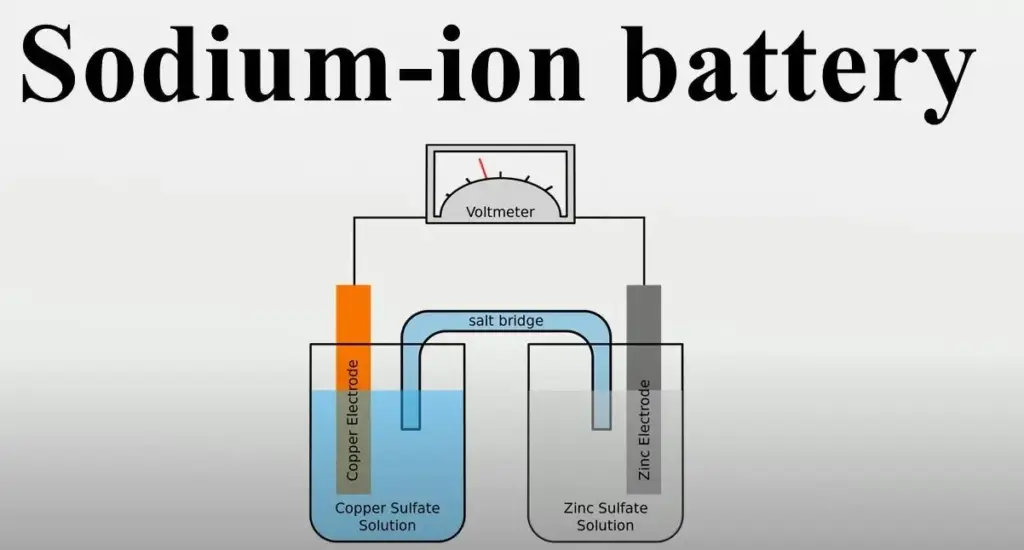
What Is Driving the Rise of Sodium-Ion?
Abundance and Supply Chain Stability
Unlike lithium, which depends on concentrated global supply chains, sodium is widely available and inexpensive. This reduces exposure to geopolitical risks and commodity price volatility.
Manufacturers see sodium-ion as a way to diversify battery production and reduce reliance on critical minerals.
Cost Disruption Potential
Industry forecasts suggest sodium-ion batteries could significantly reduce storage costs over the next few years. While lithium-ion remains dominant today, sodium-ion’s lower material costs may enable faster price declines.
This creates a scenario where battery systems become affordable without subsidies—an outcome that directly challenges the rationale for government support.
Safety and Environmental Profile
Sodium-ion batteries offer improved thermal stability, reducing fire risks associated with lithium-ion systems. They also avoid the environmental challenges linked to lithium extraction.
These factors are attracting attention from policymakers and utilities seeking safer, more sustainable storage solutions.
The Federal Rebate Program: Policy Intent
The federal battery rebate program was designed to accelerate the adoption of home energy storage by lowering upfront costs. Its objectives include:
- Supporting renewable energy integration.
- Reducing pressure on the electricity grid.
- Lowering household energy bills.
Officials have consistently described the program as temporary, with gradual reductions built into its design.
Lessons from Solar: A Historical Parallel
Australia’s solar subsidy programs followed a similar trajectory over the past decade. Initially generous incentives helped drive adoption, but these were reduced as costs fell.
Today, rooftop solar is largely self-sustaining, with minimal reliance on subsidies. Energy economists say batteries are now following the same path—but potentially at a faster pace due to technological competition.
Sodium-Ion and the Policy Timing Problem
The central issue facing policymakers is timing.
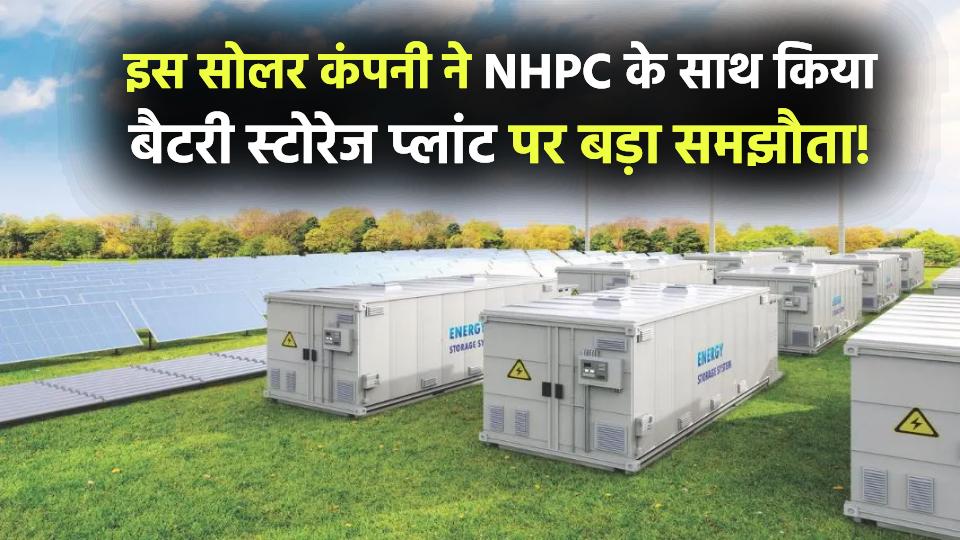
If sodium-ion batteries scale rapidly:
- Market prices could fall faster than expected.
- Subsidies may become economically inefficient.
- Government spending could face scrutiny.
“This creates a policy lag,” said a public policy researcher. “Technology is moving faster than regulatory frameworks.”
Global Context: A Worldwide Shift
Australia is not alone in facing this challenge. Governments in Europe, China, and the United States are also investing heavily in battery storage while monitoring cost declines.
China, in particular, is accelerating sodium-ion production, positioning itself as a leader in the emerging market. Analysts say global competition could further drive down costs.
Investment and Manufacturing Implications
The rise of sodium-ion is also reshaping investment flows. Battery manufacturers are:
- Diversifying production lines.
- Investing in sodium-ion research and development.
- Expanding pilot projects and early deployments.
For Australia, this raises questions about domestic manufacturing opportunities and supply chain resilience.
Grid and Utility Perspective
Utilities are closely monitoring the rise of cheaper batteries. Increased adoption of home storage could:
- Reduce peak demand on the grid.
- Improve energy reliability.
- Shift consumption patterns.
However, it may also reduce utility revenues, creating tension between distributed energy systems and traditional grid models.
Industry Debate: Diverging Views
Case for Early Subsidy Reduction
Some analysts argue that subsidies should be reduced quickly to avoid distorting the market. “If the technology is competitive, public funds should not artificially sustain demand,” said an energy policy expert.
Case for Continued Support
Others emphasize the importance of maintaining incentives during the transition. “Cost is not the only barrier,” said a renewable energy advocate. “Awareness, financing, and installation capacity also matter.”
Consumer Economics: A Moving Target
For households, the decision to invest in batteries is becoming more complex.
Immediate Adoption Benefits
- Access to rebates.
- Reduced electricity bills.
- Energy independence.
Waiting Strategy
- Potentially cheaper sodium-ion systems.
- Improved technology options.
- Risk of reduced subsidies.
This dynamic creates uncertainty in consumer decision-making.
Risks and Uncertainties
Technology Readiness
Sodium-ion is still scaling commercially, and performance in real-world conditions remains under evaluation.
Policy Volatility
Government decisions may change in response to political priorities, budget pressures, or market developments.
Market Fragmentation
The coexistence of multiple battery technologies may create confusion for consumers and installers.
Environmental and Strategic Impact
Cheaper batteries could accelerate Australia’s transition to renewable energy by enabling greater use of rooftop solar and reducing reliance on fossil fuels.
From a strategic perspective, sodium-ion reduces dependence on critical minerals, strengthening energy security.
Related Links
Is Your Installer Ready? How to Ensure Your Battery is Commissioned Before the Federal Cut-off
Warm Homes Local Grant: Can You Get Your Solar Panels 100% Funded via Your Local Council?
Future Outlook: Three Scenarios
1. Managed Transition
Subsidies decline gradually as sodium-ion adoption grows.
2. Rapid Disruption
Fast cost declines trigger early policy withdrawal.
The Rise of Sodium-Ion
Government maintains subsidies to accelerate adoption and meet climate targets. Most analysts expect a combination of the first two scenarios.
FAQs
What makes sodium-ion batteries cheaper?
They use abundant sodium instead of lithium, reducing material and supply chain costs.
Will subsidies disappear completely?
They are likely to decline, but timing depends on market developments.
Is sodium-ion available now?
Early deployments are underway, but large-scale adoption is still emerging.
Should consumers wait for sodium-ion?
It depends on individual priorities, including cost, timing, and risk tolerance.