

As LPG prices continue to rise and energy security concerns grow, India is increasingly turning towards solar-powered electric stoves as a cleaner, more sustainable alternative.
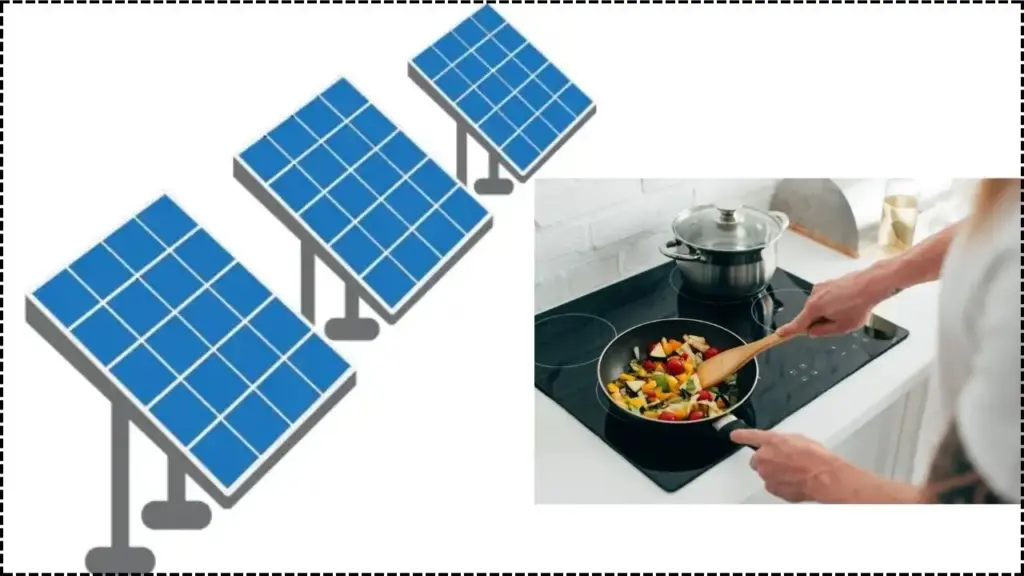
These new technologies promise not only to reduce dependence on imported fuels but also provide cost savings and environmental benefits to millions of Indian households.
The Growing Need for Alternative Cooking Solutions in India
India is one of the world’s largest consumers of LPG (liquefied petroleum gas), a primary cooking fuel for over 200 million households. However, the reliance on imported LPG is fraught with challenges: price fluctuations, supply chain disruptions, and geopolitical tensions, particularly in the Middle East, have made India’s LPG dependence more costly and less secure.
With the aim of reducing imported fuel consumption, the Indian government has launched various initiatives to promote alternative energy sources, especially solar power.
As part of this shift, solar-powered electric stoves have emerged as a viable solution, providing a new way for Indian families to cook without relying on traditional cooking fuels.
The Rise of Solar-Powered Electric Stoves
The shift toward solar-powered stoves is happening at a time when renewable energy adoption is gaining momentum across India. The government is pushing for widespread adoption of solar technologies, with a focus on solar-powered cooking to reduce carbon emissions and reliance on fossil fuels.
One of the key innovations in this space is Surya Nutan, an indoor solar cooking system developed by the Indian Oil Corporation Ltd. (IOCL). Unlike traditional solar cookers, which require direct sunlight and outdoor exposure, the Surya Nutan system operates indoors by utilizing rooftop solar panels that transfer power to the kitchen unit.
The stove can handle a variety of cooking methods, including boiling, frying, baking, and steaming.
These new systems are designed to be modular and scalable, allowing for integration with existing solar infrastructure in homes, and they offer the advantage of battery storage for cooking at night or on cloudy days.
How Do Solar-Powered Stoves Work?
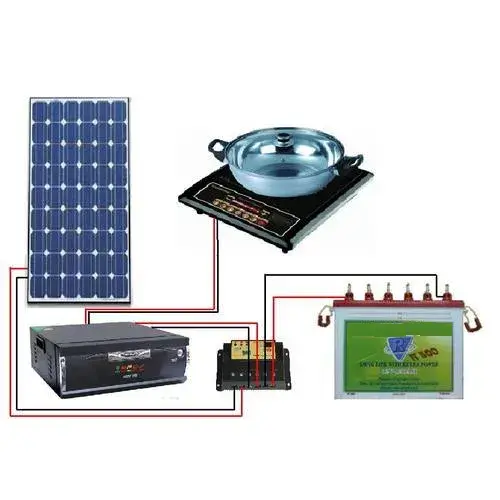
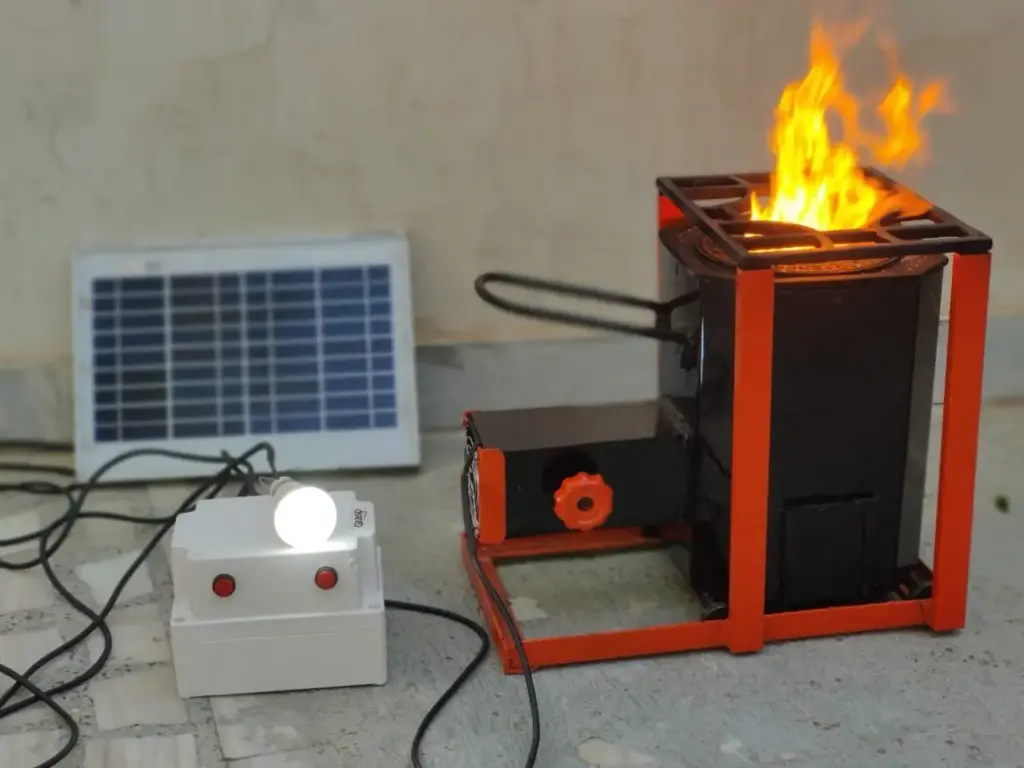
Solar-powered cooking systems harness energy from the sun to produce heat. The most advanced systems, such as Surya Nutan, include:
- Solar Panels: Installed on the rooftop or nearby locations, these panels convert sunlight into electricity.
- Battery Storage: Solar energy is stored in thermal batteries that provide cooking power during non-sunny hours.
- Cooking Unit: The energy is transmitted to a cooking unit inside the kitchen, where it powers an electric stove or other cooking devices.
This system eliminates the need for LPG cylinders or traditional electricity connections, making it an environmentally friendly alternative for rural and urban households alike.
The Benefits of Solar-Powered Electric Stoves
1. Reducing Dependency on LPG and Imported Fuels
India is highly dependent on imported LPG, which places a financial burden on the country. As LPG prices rise, the cost of cooking increases for families, especially in rural areas. Solar-powered electric stoves offer a cleaner, cheaper alternative that reduces reliance on these imported fuels.
2. Cost Savings for Households
While the initial cost of a solar-powered stove may be higher than traditional LPG stoves, the long-term savings are substantial. Over time, households will save money on LPG refills and reduce their electricity bills by relying on solar energy. In fact, some solar stove systems may pay for themselves within one to two years due to savings on fuel costs.
Additionally, since these stoves use free solar energy, the cost of operation is significantly lower compared to conventional cooking methods.
3. Environmental Benefits
Solar-powered stoves contribute to India’s green energy goals by reducing the carbon footprint. Unlike LPG or coal, solar cooking produces zero emissions, making it a cleaner and more sustainable alternative. This helps to combat indoor air pollution, which is a major health issue, especially in rural areas where open cooking fires are common.
4. Empowering Rural Communities
Many rural households face unreliable or nonexistent access to the electric grid. Solar-powered stoves are particularly advantageous for these communities, as they provide a self-sufficient cooking solution that doesn’t require external power sources. With solar cookers and stoves, energy access becomes more affordable and consistent.
Technological Advancements in Solar Cooking
Innovation in solar cooking is not limited to outdoor cookers or basic indoor systems. Over the years, companies have developed advanced features such as solar induction stoves and high-efficiency solar collectors that make cooking faster, more reliable, and easier to use.
For example, solar-powered induction cookers now offer temperature control and faster heating compared to earlier models, making them a perfect fit for Indian kitchens that are used to traditional cooking methods.
Some of the newer models are equipped with smart technology that allows users to monitor and control the stove via a smartphone app. These smart stoves optimize energy usage and provide real-time updates on cooking progress and energy consumption.
Global Trends and Innovations in Solar Cooking
While India is rapidly adopting solar-powered cooking, the global trend is equally notable. Countries like Kenya, South Africa, and Mexico have seen successful deployment of solar cooking solutions to address both energy access and health issues caused by traditional cooking methods.
In fact, China has become a world leader in the manufacture and distribution of solar cookers, making them affordable for millions of low-income households.
By integrating global best practices with its own needs, India has the potential to lead the solar cooking revolution, bringing solar-powered stoves into mainstream kitchens.
Consumer Feedback and Adoption Rates
Early adopters in India have praised solar-powered stoves for their convenience and cost-effectiveness. In cities like Tiruchirapalli, where power cuts and LPG scarcity are common, many families have shifted to solar cooking solutions.
These households have reported significant savings on LPG refills and greater reliability in cooking, even during the monsoon season wb
Despite these challenges, many users are optimistic about the potential of solar-powered stoves to revolutionize cooking in India.
The Role of Private Companies and Startups
Private companies and startups are playing a pivotal role in the development and promotion of solar cooking technologies. Firms like Kumud Solar, Surya Power, and others are offering affordable solar stoves that cater specifically to the Indian market, while also providing maintenance services and warranty plans to ensure longevity.
These companies are also collaborating with the Indian government to ensure that solar cooking solutions are promoted in rural areas through subsidy schemes and low-interest loans for installation.
Related Links
Local vs. Imported: A Comprehensive Guide to Choosing MNRE-Approved Solar Manufacturers in 2026
Hybrid Hydro-Solar: How Dam Reservoirs are Doubling as Massive Solar-Battery Hubs
Policy Support and Recommendations
To accelerate the adoption of solar-powered stoves, experts recommend several policy measures:
- Increased Subsidies: To reduce the upfront costs for consumers, the government should expand subsidies and low-cost financing options for solar cooking systems.
- Wider Awareness Campaigns: Many households are still unaware of the benefits of solar cooking. Government initiatives to educate rural communities about these technologies could drive adoption.
- Energy Infrastructure Support: Providing integrated rooftop solar systems and simplifying the installation process would further boost consumer confidence in solar cooking.
A Step Toward a Sustainable Future
As India continues to face challenges related to energy security and climate change, solar-powered cooking technologies offer a potential solution. By adopting these systems, households can reduce their dependence on costly LPG and contribute to a greener environment.
The solar cooking revolution may take time to reach full scale, but it marks a significant step toward a future where energy-efficient, renewable cooking systems become the norm in Indian kitchens.