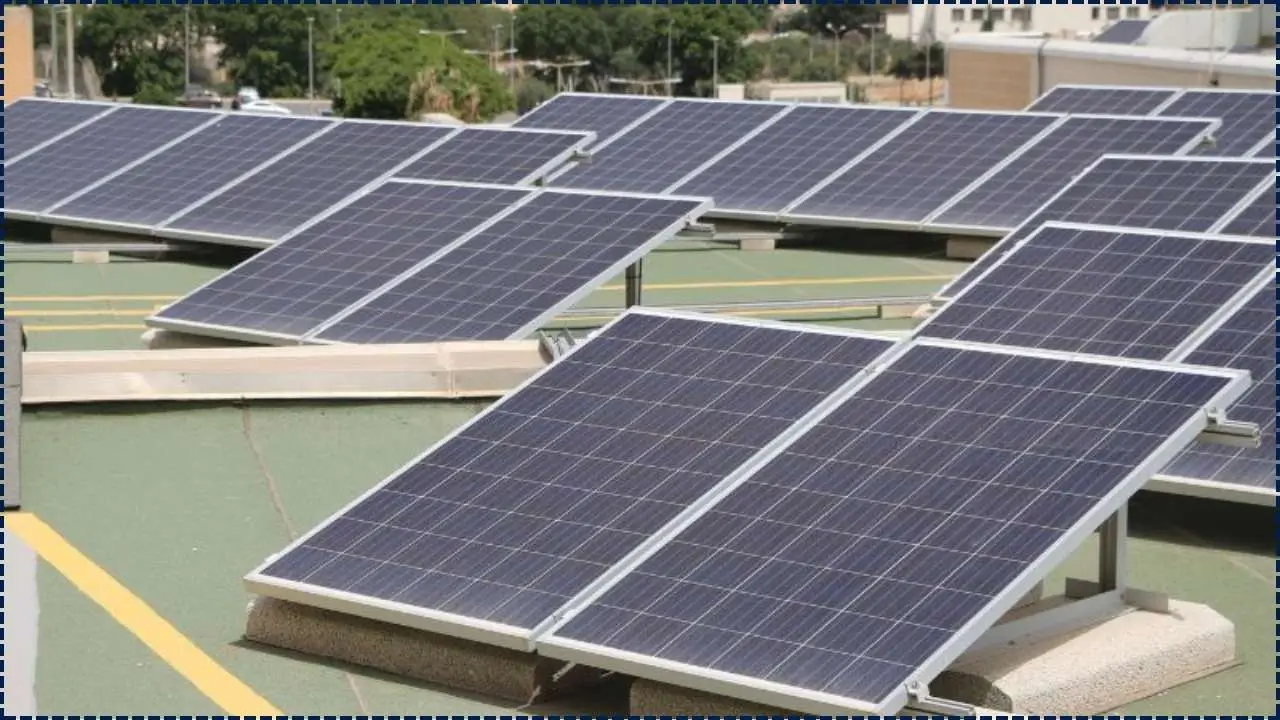
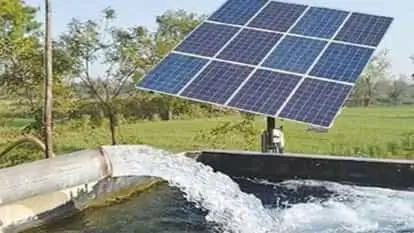
The Pradhan Mantri Kisan Urja Suraksha evam Utthaan Mahabhiyan (PM Kusum Yojana 2026) is a transformative initiative by the Government of India, aimed at providing solar pumps to farmers across the country.
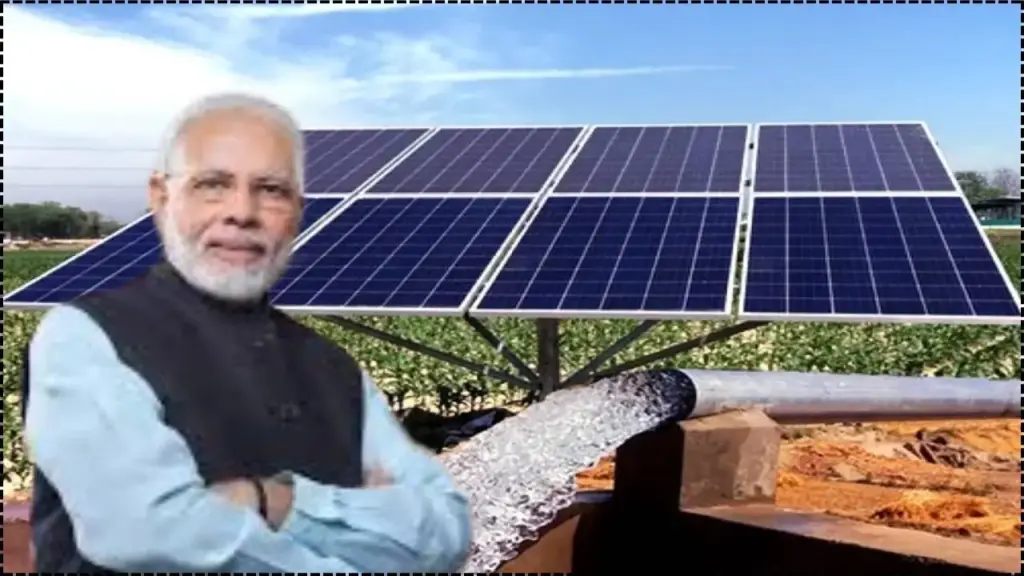
With subsidies covering up to 90% of the cost, the scheme aims to reduce dependency on costly diesel pumps, enhance agricultural productivity, and support India’s renewable energy goals.
What Is PM Kusum Yojana 2026?
The PM Kusum Yojana, launched in 2019, is designed to empower Indian farmers by helping them access solar-powered irrigation systems. This will not only reduce the cost of irrigation but also support India’s push toward renewable energy.
The scheme primarily covers the installation of solar pumps for agriculture, facilitating a cleaner and more sustainable way to irrigate crops. Under the 2026 framework, the scheme includes various components, such as:
- Component B: Standalone solar pumps for farmers who currently lack access to electricity.
- Component C: Solarisation of existing pumps that use grid electricity.
The solar pump subsidies are available in multiple phases and provide financial assistance from both the central government and state governments.
Who Is Eligible for PM Kusum Yojana 2026?
Farmers who meet the following criteria can apply for the scheme:
- Agricultural Land Ownership: Applicants must be owners of agricultural land.
- Proof of Land Ownership: Clear land records and possession details must be provided.
- Aadhaar Card: Linking of the Aadhaar number with the application is mandatory.
- Bank Account: A functional bank account to receive the subsidy.
- Other Requirements: Depending on the state, certain farmers (e.g., Scheduled Castes, Scheduled Tribes, and Women farmers) may be prioritized.
It’s essential for farmers to verify their eligibility before proceeding with the application to avoid delays in the process.
Guide to Apply for Solar Pump Subsidies under PM Kusum Yojana
Farmers interested in applying for the solar pump subsidy can follow these steps:
Visit the Official Portal
To begin the process, farmers need to visit the official PM Kusum Yojana portal hosted by the Ministry of New and Renewable Energy (MNRE) or their respective state renewable energy websites.
The official portal can be accessed via:
- MNRE Portal: mnre.gov.in
- State Nodal Agencies: Various states have their own dedicated portals for the scheme application.
Registration and Account Creation
Once on the portal, farmers will need to register using their Aadhaar number and basic personal details. They will then receive an OTP (One-Time Password) to verify their mobile number.
After successful registration, farmers will need to create an account by providing the following information:
- Name
- Mobile Number
- Address
- Aadhaar Number
- Bank Account Details
This step is crucial for ensuring that the subsidy is routed correctly to the farmer’s account.
Document Submission
Farmers must upload scanned copies of the following documents:
- Aadhaar card as identity proof.
- Land ownership/lease documents to establish their eligibility.
- Bank passbook or cancelled cheque for subsidy disbursement.
- Electricity bill (if applicable) in case of solarisation of existing pumps.
Each document must be clear and readable. Farmers are advised to ensure all information is correctly entered to avoid delays in processing.
Choose Pump Capacity and Type
Farmers will then be prompted to select the solar pump capacity required based on their agricultural needs. Common capacities range from 2 HP to 7.5 HP, depending on the farm’s irrigation requirements.
Solar Agri-Feeders: Transforming Rural Power Supply: A Report on India's Decentralized Energy Grid
They will also need to select the appropriate component under the scheme:
- Standalone Solar Pumps for those without access to the grid.
- Solarisation of Existing Pumps for farmers who are looking to convert their conventional pumps to solar-powered ones.
Submit Application
Once all information is filled in, and documents are uploaded, farmers can submit the application. A reference number will be provided, which can be used to track the status of the application. It is crucial to keep this reference number safe for future inquiries.
Verification and Approval
Once submitted, the application undergoes a verification process by the concerned authorities. These officials verify the authenticity of the documents and check the eligibility of the applicant. Verification also includes confirming that the agricultural land is being used for farming purposes.
Once the verification is completed successfully, farmers will be notified about the approval status. Approved applicants will then receive information on the installation schedule for their solar pumps.
Installation and Subsidy Disbursement
The solar pumps are installed by certified vendors under the PM Kusum Yojana. After installation, the subsidy is directly credited to the farmer’s bank account or released through the designated implementing agency. Farmers will also receive a certificate of installation and a warranty for the solar pump.
Benefits of PM Kusum Yojana 2026
The PM Kusum Yojana 2026 brings several advantages to Indian farmers, such as:
1. Reduction in Energy Costs
Farmers will no longer rely on expensive diesel or grid electricity for irrigation, which can significantly reduce the cost of farming.
2. Income Generation
Through solarisation of pumps, farmers can generate excess electricity and sell surplus power back to the grid. This can provide a steady stream of income, especially in areas with high solar potential.
3. Sustainability
The scheme promotes clean energy by replacing conventional, polluting power sources with renewable solar energy. This is a vital step toward reducing the carbon footprint of India’s agricultural sector.
4. Improved Irrigation
Solar pumps provide consistent irrigation, especially in areas where access to reliable electricity is limited. This improves crop yields and boosts the overall productivity of the farm.
Challenges and Considerations for Farmers
While the PM Kusum Yojana is a beneficial scheme, farmers may face some challenges in the application process, including:
1. Access to Financing
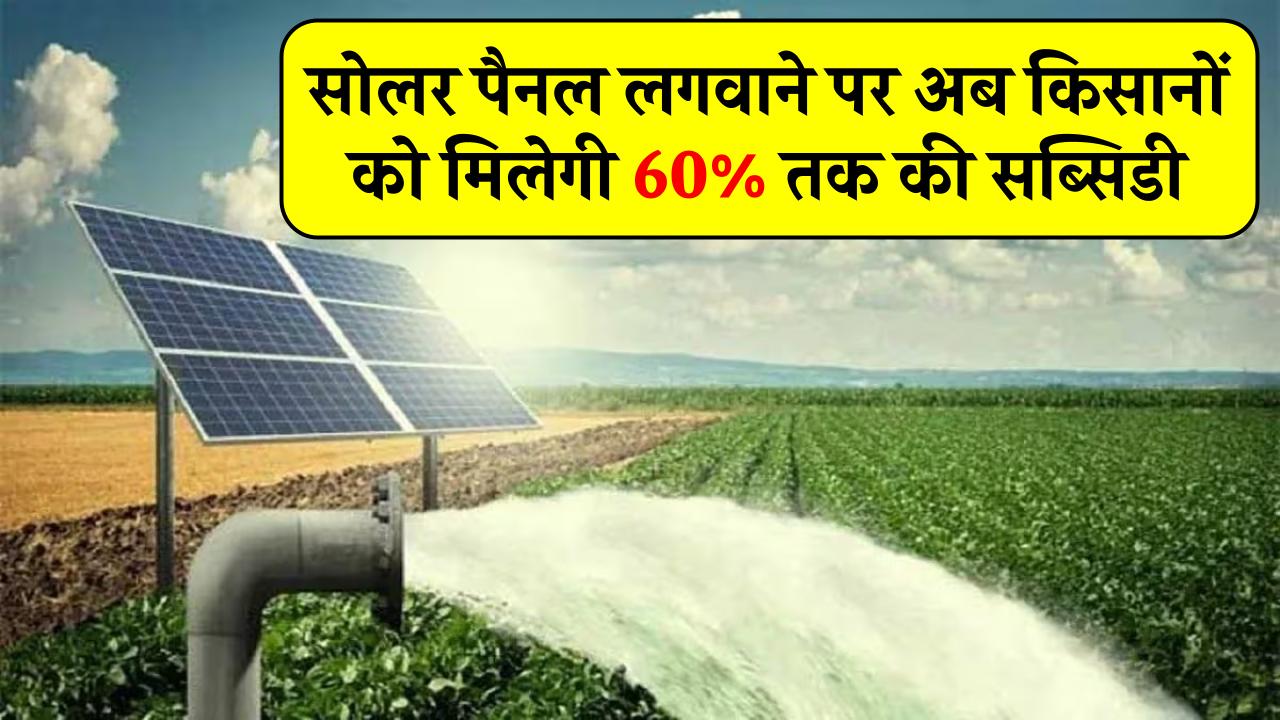
Although the subsidy covers a substantial portion of the cost, farmers may still need to cover the remaining 10-20% of the cost, which could be a financial burden for those without access to credit or savings.
2. Lack of Awareness
In some regions, farmers may not be fully aware of the scheme or the application process. This highlights the need for better awareness campaigns by local authorities and non-governmental organizations.
3. Maintenance Costs
While solar pumps require low maintenance, farmers must still invest in the upkeep of the system. This may be a challenge for some, especially those in remote areas with limited technical expertise.
Related Links
Water into Fuel: How India’s National Green Hydrogen Mission is Powered by Mega Solar Parks
The ALMM Mandate April 2026: Why Your Choice of Solar Module Now Dictates Your Subsidy Eligibility
Case Study: Real-World Impact of PM Kusum Yojana
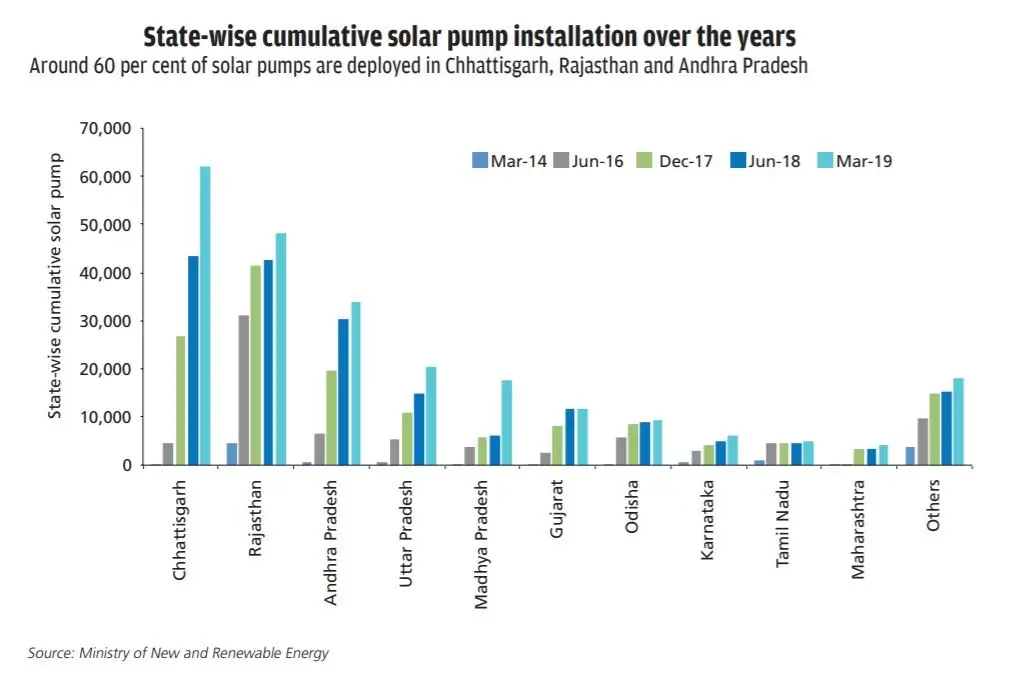
In Rajasthan, a state heavily dependent on irrigation, the PM Kusum Yojana has transformed farming practices. One such farmer, Ravi Kumar from Jodhpur, installed a 5 HP solar pump under the scheme in 2024.
Not only did he reduce his monthly diesel costs, but he also began selling surplus electricity to the grid, earning an additional ₹3,000-₹5,000 per month. This extra income has significantly improved his financial stability.
Farmers like Ravi are now able to focus more on crop quality and yield, with consistent and cost-effective irrigation.
A Step Toward Sustainable Agriculture
The PM Kusum Yojana 2026 is a significant move by the Government of India to reduce the dependence of farmers on expensive and polluting diesel for irrigation. By providing subsidies for solar pumps, the scheme aligns with India’s renewable energy targets and promotes sustainable farming practices.
As more farmers apply for the scheme, the long-term impact on the agricultural landscape in India will be profound, providing cost savings, improving productivity, and contributing to a greener future.